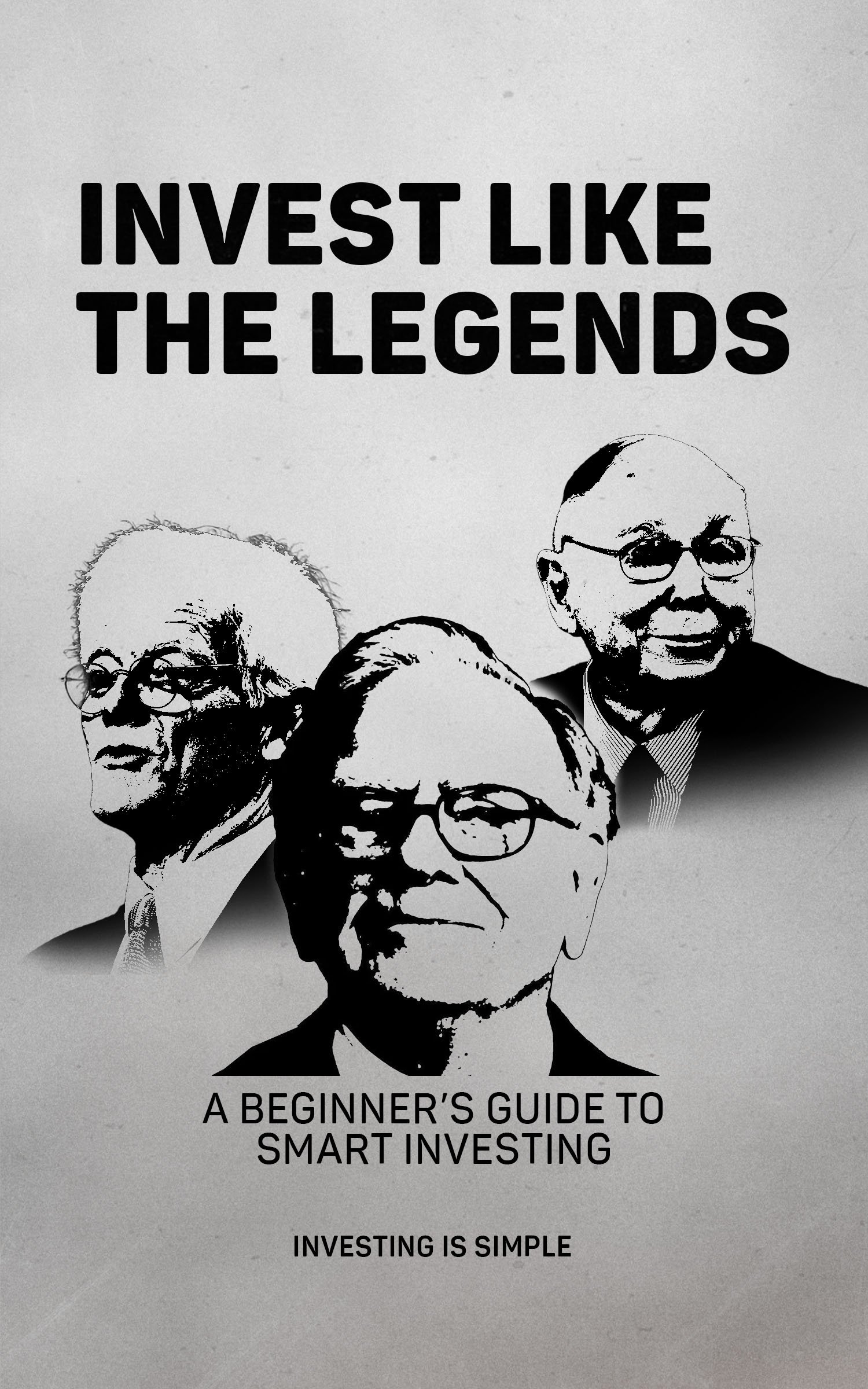
Market uncertainty can feel overwhelming. Whether it’s fears of a recession, rising inflation, or unpredictable headlines, many investors freeze up, unsure where to put their money. But here’s the truth: uncertain times don’t have to mean missed opportunities. In fact, some of the most successful investors—like Warren Buffett and Charlie Munger—thrive during market volatility by focusing on safety, stability, and long-term value.
So, where should you invest in 2026 to protect and grow your wealth?
In this guide, we’ll break down the best investments for uncertain times, from dividend-paying stocks that provide steady income to bonds, gold, and index funds that offer stability and resilience. You’ll learn how to build a balanced portfolio that not only weathers the storm but positions you to come out ahead.
The market may be uncertain, but your plan doesn’t have to be. Let’s dive in.
The Mindset for Investing in Uncertain Times
When markets are shaky and uncertainty dominates the headlines, the biggest mistake investors make is letting fear drive their decisions. But here’s the reality: market volatility is nothing new, and successful investors know that staying calm, focused, and disciplined is the key to making smart moves—even during turbulent times.
1. Understand That Uncertainty Is Normal
Markets go through cycles—booms, busts, and recoveries. What feels like chaos today is part of a bigger picture that plays out over time.
- Historical Proof:The stock market has recovered from every major crisis, from the 2008 financial collapse to the pandemic-driven crash of 2020. Long-term investors who stayed the course not only avoided losses but often saw significant gains during the recovery.
Investors who bought into the S&P 500 during the 2008 financial crisis saw the index rise from its low of 676 to over 4,000 by 2023—a nearly 500% return for those who held on.
2. Think Like Buffett: Be Fearful When Others Are Greedy
Warren Buffett’s famous advice is especially true during uncertain times. When others panic and sell, it often creates opportunities to invest in strong companies at discounted prices.
- What Buffett Looks For:Businesses with durable competitive advantages (moats).
- Companies with solid fundamentals, such as stable cash flows and low debt.
- Stocks trading below their intrinsic value.
Instead of reacting emotionally to market drops, see them as opportunities to buy quality investments on sale.
3. Prioritize Safety and Stability
During periods of uncertainty, focus on investments that:
- Generate reliable income (e.g., dividend-paying stocks).
- Hold value during inflation (e.g., gold and commodities).
- Provide stability and low volatility (e.g., bonds and defensive sectors like utilities or consumer staples).
4. Stay Focused on the Long Term
Short-term uncertainty can feel intense, but markets reward patience. Over time, staying invested in a well-diversified portfolio has consistently delivered strong returns.
- Why Long-Term Thinking Wins:Trying to time the market often leads to buying high and selling low.
- Compounding only works if you stay invested, even when the ride gets bumpy.
If you invested $1,000 into the S&P 500 in 1980 and never touched it, it would be worth over $100,000 today—despite multiple recessions, crashes, and corrections along the way.
5. Control What You Can
Uncertainty is part of the market, but you can control your own approach:
- Diversify: Spread your investments across different assets to reduce risk.
- Stick to a Plan: Whether it’s monthly contributions or regular portfolio reviews, consistency wins.
- Avoid Emotional Decisions: Tune out sensationalist headlines and focus on your long-term goals.
Takeaway:
Market uncertainty doesn’t mean you can’t invest confidently—it means you need a plan. By understanding that volatility is normal, prioritizing safety, and thinking like Buffett, you’ll stay calm, avoid mistakes, and position yourself to thrive, no matter what 2026 brings.
Dividend-Paying Stocks – Income and Stability
When markets are unpredictable, dividend-paying stocks are a reliable anchor for your portfolio. These companies not only offer steady income through dividends but also tend to be well-established, financially stable businesses that can weather economic storms.
Why Dividend Stocks Shine During Uncertain Times
- Steady Income:Dividends provide consistent cash flow, even when stock prices fluctuate. This income can cushion losses or be reinvested to compound your returns.
- Financial Stability:Companies that consistently pay and grow dividends often have strong balance sheets and predictable earnings—qualities that matter when uncertainty is high.
- Long-Term Outperformance:Dividend-paying stocks have historically outperformed non-dividend payers during market volatility because of their stability and income generation.
What to Look for in Dividend Stocks
- Dividend Aristocrats:Companies that have increased their dividends for 25+ consecutive years are considered Dividend Aristocrats. They’re the gold standard for reliability.
- Examples include Coca-Cola (KO), Procter & Gamble (PG), and Johnson & Johnson (JNJ)—companies whose products are essential regardless of economic conditions.
- Payout Ratios:Look for companies with sustainable dividends. A payout ratio (dividends as a percentage of earnings) below 60% is generally a healthy sign.
- Defensive Sectors:Focus on industries like:
- Consumer Staples: Everyday essentials (food, household products).
- Utilities: Steady demand for electricity, water, and gas.
- Healthcare: Essential services that remain in demand regardless of market conditions.
Example: Coca-Cola
Coca-Cola has been paying and increasing its dividend for over 60 years, even during recessions and market downturns. Why?
- It sells an essential, globally recognized product.
- Its pricing power allows it to adapt to inflation without losing customers.
- Its consistent cash flow supports its ability to reward investors year after year.
For investors seeking both stability and growth, companies like Coca-Cola combine defensive strength with reliable income—exactly what you need during uncertain times.
How to Get Started with Dividend Stocks
- Build a Watchlist: Focus on Dividend Aristocrats and companies with strong financials.
- Reinvest Your Dividends: Use dividends to buy more shares and accelerate compounding over time.
- Stay Diversified: Spread your investments across multiple sectors to reduce risk.
Dividend-paying stocks are the cornerstone of a resilient portfolio. They offer reliable income, financial stability, and the ability to grow your wealth—even when the market feels uncertain. For investors in 2026, they’re an essential tool to protect and build long-term value.
Index Funds – Broad Exposure, Low Risk
When uncertainty looms, many investors hesitate, unsure which individual stocks to trust. That’s where index funds come in. They provide broad market exposure, spreading your risk across hundreds of companies with a single investment—making them one of the simplest and most effective ways to build a stable portfolio during uncertain times.
Why Index Funds Are a Smart Choice
- Instant Diversification:By investing in an index fund, you’re buying a basket of stocks across multiple sectors. This reduces your dependence on any single company or industry.
- Low Cost:Index funds are passively managed, meaning they track the performance of a market index (like the S&P 500). This keeps management fees far lower than actively managed funds.
- Proven Long-Term Growth:Over the long run, the broader market has consistently delivered solid returns. Even after recessions and market crashes, indices like the S&P 500 have recovered and reached new highs.
Where to Start: Popular Index Funds for 2026
- S&P 500 ETFs:Funds like Vanguard’s VOO or SPDR S&P 500 ETF (SPY) track the top 500 U.S. companies, giving you exposure to large, stable businesses across sectors.
- Total Market ETFs:Funds like Vanguard Total Stock Market ETF (VTI) allow you to invest in the entire U.S. stock market, from large-cap to small-cap companies.
- International Index Funds:For geographic diversification, consider funds that track international indices like the Vanguard FTSE Developed Markets ETF (VEA) or Emerging Markets ETFs for growth opportunities abroad.
S&P 500 Performance
During the 2008 financial crisis, the S&P 500 fell nearly 50%. Investors who sold in fear locked in their losses. However, those who stayed invested or continued contributing saw the index rebound dramatically, climbing over 400% in the following decade.
What’s the lesson? Index funds reward long-term investors who stay consistent, regardless of short-term volatility.
Why Index Funds Work During Uncertain Times
- They Don’t Rely on Picking Winners:You’re not betting on a single stock—you’re betting on the overall market, which has a history of recovering and growing.
- They Reduce Volatility:Individual stocks can swing wildly, but an index fund smooths out risk by spreading your investment across many companies.
- They’re Beginner-Friendly:Low fees, minimal maintenance, and reliable performance make index funds ideal for new investors.
How to Get Started with Index Funds
- Choose Your Index: Decide if you want broad U.S. exposure (S&P 500), international exposure, or a total market approach.
- Invest Consistently: Use dollar-cost averaging to invest a fixed amount each month, reducing the impact of short-term market swings.
- Stay Patient: Don’t panic during dips. Remember, the market’s long-term trend is upward, even if short-term volatility is scary.
Index funds are the ultimate “set it and forget it” investment for uncertain times. They offer instant diversification, low costs, and proven long-term growth—making them a must-have for anyone looking to protect and grow their wealth in 2026.
Bonds – The Anchor of Your Portfolio
When markets are volatile and uncertainty runs high, bonds act as the steady anchor that keeps your portfolio balanced. Bonds provide stability, predictable income, and protection when stocks become unpredictable, making them an essential tool for investors in 2026.
Why Bonds Matter During Uncertain Times
- Lower Risk:Unlike stocks, bonds are less volatile and offer consistent returns through interest payments.
- Steady Income:Bonds generate regular income, which can help offset losses from stocks or cover expenses during tough times.
- Portfolio Balance:When stocks drop, bonds often hold steady—or even rise—as investors seek safer assets. This balance helps protect your overall portfolio.
Types of Bonds to Consider in 2026
- U.S. Treasury Bonds (T-Bonds):Backed by the U.S. government, Treasury bonds are one of the safest investments available.
- Best for investors looking for capital preservation and guaranteed interest payments.
- Investment-Grade Corporate Bonds:Issued by financially stable companies, these bonds offer higher yields than Treasuries with slightly more risk.
- Look for bonds from companies with strong credit ratings (AAA or AA).
- Municipal Bonds (Munis):Issued by local or state governments, municipal bonds often provide tax-free interest income, making them attractive for higher earners.
- Bond ETFs:If picking individual bonds feels overwhelming, bond ETFs (like iShares Core U.S. Aggregate Bond ETF – AGG) offer diversified exposure to a mix of bonds with lower effort.
Bonds in Action
During the 2022 market downturn, both stocks and tech-heavy investments saw significant declines. However, investors who allocated a portion of their portfolios to bonds—especially short-term Treasuries and corporate bonds—experienced much smaller losses and steady income.
By holding bonds, they maintained balance and had the cash flow to reinvest when opportunities arose.
How to Use Bonds in Your Portfolio
- Balance Growth and Safety:Consider a 60/40 split (60% stocks, 40% bonds) for a more conservative portfolio that prioritizes stability.
- Choose Bonds That Match Your Goals:Short-term bonds for near-term goals (1–3 years).
- Long-term bonds for predictable, steady income over longer periods.
- Reinvest Interest Payments:Use the interest income generated from bonds to reinvest in other opportunities or rebalance your portfolio.
Bonds provide the stability and steady income you need when markets are uncertain. Whether you’re holding Treasuries for safety, corporate bonds for higher yields, or bond ETFs for diversification, they serve as the anchor that keeps your portfolio steady and balanced—no matter what 2026 brings.
Gold and Commodities – A Hedge Against Inflation
When uncertainty strikes and inflation rises, investors often turn to gold and commodities as a safe haven. These assets tend to hold their value—or even increase—during times of market turmoil, making them essential for protecting your purchasing power in 2026.
Why Gold and Commodities Work During Uncertain Times
- Inflation Protection:As the cost of goods rises, the value of commodities like gold, silver, and oil often rises with it. This makes them an effective hedge against inflation.
- Safe Haven Status:Gold, in particular, has been seen as a “store of value” for centuries. When stock markets falter, investors flock to gold for stability.
- Diversification Benefits:Commodities perform differently than stocks and bonds, helping reduce overall portfolio risk.
How to Invest in Gold and Commodities
- Physical Gold:Gold coins or bullion allow you to hold tangible assets. While safe, storing physical gold requires security considerations.
- Gold ETFs:Funds like the SPDR Gold Shares ETF (GLD) make it easy to invest in gold without handling it physically.
- Commodity ETFs:Broad-based commodity ETFs, like the iShares S&P GSCI Commodity Index Trust (GSG), provide exposure to commodities like oil, natural gas, metals, and agricultural products.
- Gold and Mining Stocks:Companies that mine and produce gold (like Newmont Corporation or Barrick Gold) benefit when gold prices rise, offering another way to invest in this trend.
Other Commodities to Watch
- Silver: Often called “poor man’s gold,” silver acts as an inflation hedge and has additional industrial uses in technology and renewable energy.
- Industrial Metals (Copper, Lithium): With growing demand for electric vehicles and clean energy, metals like copper and lithium are becoming essential for global growth.
- Energy Commodities (Oil and Natural Gas): While volatile, energy remains critical. Demand for oil and gas often rises alongside economic activity, even in uncertain times.
How to Get Started
- Allocate 5–10% of your portfolio to gold or commodities for diversification.
- Decide between physical assets, ETFs, or commodity stocks based on your preference and risk tolerance.
- Focus on assets with long-term value, not short-term speculation.
Gold and commodities provide a reliable hedge against inflation and economic uncertainty. By including them in your portfolio, you can protect your wealth, reduce risk, and benefit from trends driving demand for these essential assets.
How Buffett and Munger Invest During Volatile Markets
When markets are uncertain, the investing strategies of Warren Buffett and Charlie Munger offer a proven playbook for success. These legendary investors don’t panic during downturns—they see volatility as an opportunity to buy great companies at discounted prices. Their disciplined, long-term approach has allowed them to thrive when others falter.
1. Focus on High-Quality Businesses
Buffett and Munger look for companies with strong fundamentals that can weather economic storms.
- What They Look For:Durable competitive advantages (moats).
- Consistent revenue and profit growth.
- Low debt and strong cash flows.
- Resilient demand, even in uncertain times.
2. Avoid Overleveraged and Overhyped Companies
Munger emphasizes avoiding businesses with excessive debt or speculative hype. These companies are often the first to collapse when markets turn volatile.
3. Embrace the Margin of Safety
The "margin of safety" is a cornerstone of Buffett and Munger’s approach. It means buying a stock when it trades for far less than its intrinsic value, reducing risk and maximizing upside.
How It Works:
- If a company is worth $100 per share, Buffett would only buy it at $70 or below. This margin protects him if something goes wrong while providing room for growth.
4. Stay Calm When Others Panic
Buffett’s famous mantra is:
“Be fearful when others are greedy, and greedy when others are fearful.”
When the market drops and others sell in panic, Buffett sees opportunity. By staying disciplined, he turns volatility into an advantage.
5. Think Long-Term
Buffett and Munger don’t care about short-term price swings. Their focus is on owning great businesses for decades, allowing compounding to do the heavy lifting.
Key Lesson:
Short-term uncertainty is temporary, but the growth of quality businesses is enduring.
How to Apply These Principles in 2026
- Focus on companies with strong fundamentals and durable moats.
- Avoid overhyped stocks and businesses with excessive debt.
- Buy when prices dip to ensure a margin of safety.
- Think long-term—ignore short-term noise and focus on your goals.
Takeaway:
Buffett and Munger have proven that uncertainty isn’t a reason to fear—it’s a chance to invest wisely. By focusing on high-quality businesses, staying disciplined, and thinking long-term, you can turn market volatility into an opportunity to grow your wealth.
Building a Balanced Portfolio for Uncertain Times
Now that you know where to invest during uncertainty, it’s time to bring it all together into a balanced portfolio. A well-diversified portfolio spreads your risk, protects your wealth, and ensures you’re prepared for whatever 2026 brings—be it market volatility, inflation, or economic growth.
The Goal of a Balanced Portfolio
A balanced portfolio is designed to:
- Protect Against Risk: Investments like bonds, gold, and dividend stocks provide stability.
- Capture Growth: Stocks and index funds drive long-term wealth creation.
- Hedge Against Uncertainty: Assets like gold and commodities protect purchasing power during inflation.
By combining these elements, you can build a portfolio that works for you in any market environment.
Sample Portfolio for 2026: Balance Growth and Safety
1. 40% Dividend-Paying Stocks:
- Focus on companies with strong fundamentals and a history of paying consistent, growing dividends.
- Examples: Coca-Cola (KO), Johnson & Johnson (JNJ), Procter & Gamble (PG).
- Why It Works: Reliable income and lower volatility make dividend stocks a safe anchor during uncertainty.
2. 25% Index Funds (S&P 500 and Global ETFs):
- Broad market exposure through funds like the Vanguard S&P 500 ETF (VOO) or international ETFs like Vanguard FTSE Developed Markets ETF (VEA).
- Why It Works: Index funds provide diversification and capture long-term market growth without relying on individual stock performance.
3. 20% Bonds (Treasuries and Corporate Bonds):
- Include U.S. Treasury bonds for safety and investment-grade corporate bonds for higher yields.
- Bond ETFs like iShares Core U.S. Aggregate Bond ETF (AGG) simplify access.
- Why It Works: Bonds stabilize your portfolio and provide steady income during market downturns.
4. 10% Gold and Commodities:
- Physical gold, gold ETFs (like GLD), or diversified commodity ETFs offer protection against inflation.
- Why It Works: These assets hold or increase value during economic uncertainty, acting as a hedge against market volatility.
5. 5% Cash Reserve:
- Keep a small cash reserve to take advantage of market dips or new opportunities.
- Why It Works: Cash provides flexibility, letting you buy quality assets when prices drop.
How to Start Building Your Balanced Portfolio
- Start Small: You don’t need a fortune to invest. Even $100 a month can help you build a diversified portfolio over time.
- Use Dollar-Cost Averaging: Invest regularly, regardless of market conditions, to smooth out price volatility.
- Review and Rebalance: Check your portfolio every 6–12 months to ensure it stays aligned with your goals. Rebalance as needed.
A balanced portfolio is your best defense against uncertainty. By combining dividend stocks, index funds, bonds, and gold, you create a resilient investment strategy that protects your wealth while positioning you for long-term growth.
Invest Confidently, Even in Uncertain Times
Uncertain times don’t have to mean uncertainty for your investments. By focusing on proven strategies—like dividend-paying stocks, index funds, bonds, and gold—you can build a portfolio that’s stable, diversified, and positioned to grow.
The key is staying calm, disciplined, and focused on the long term. Investors like Warren Buffett and Charlie Munger have shown time and time again that market volatility is an opportunity, not a threat. By following their principles and building a balanced portfolio, you can protect your wealth while taking advantage of opportunities that others overlook.
Ready to Take the Next Step?
If you’re looking for a step-by-step system to simplify your investing journey, check out the Investing Is Simple Bundle. Inside, you’ll get practical tools, checklists, and strategies inspired by legendary investors to help you:
- Evaluate investments with confidence.
- Avoid emotional mistakes and focus on fundamentals.
- Build a portfolio that aligns with your goals.
Start investing smarter today.