
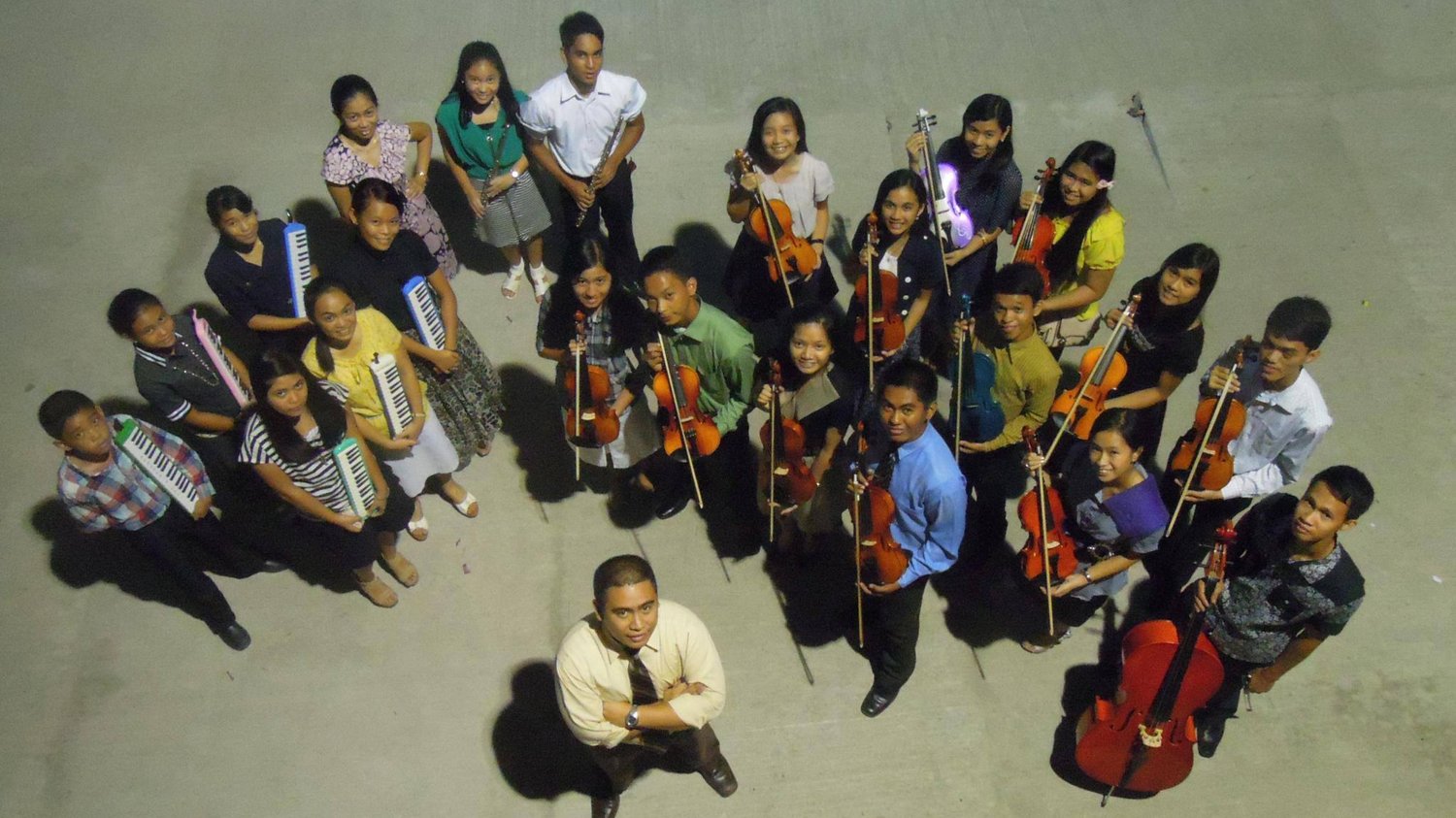
Many church leaders believe they need twenty or thirty musicians before they can have a church orchestra.
The truth is that some of the most effective church orchestras started with just a handful of faithful people.
If your church has only five musicians willing to play, you already have enough to begin.
The goal is not to build a large orchestra overnight. The goal is to start serving God with the resources He has already provided.
Stop Waiting for the "Perfect" Orchestra
One of the biggest mistakes churches make is waiting until they have enough musicians to sound impressive.
Unfortunately, that day often never comes.
Musicians improve by playing together.
An orchestra is not built before rehearsals begin. It is built through rehearsals.
Start with what you have and allow the ministry to grow naturally.
Choose Musicians Who Are Faithful
Skill is important, but faithfulness is even more important.
A church orchestra built on dependable musicians will grow faster than one built on talented musicians who rarely attend rehearsals.
Look for people who:
- Attend church consistently
- Have a teachable spirit
- Are willing to practice
- Desire to serve
- Work well with others
These qualities create a healthy foundation for future growth.
Build Around the Instruments You Already Have
Many directors make the mistake of searching for specific instruments before they begin.
Instead, start with whoever is available.
For example, your group might include:
- Flute
- Clarinet
- Trumpet
- Violin
- Piano
Or perhaps:
- Alto Saxophone
- Trumpet
- Trombone
- Keyboard
- Cello
Neither group looks like a traditional orchestra, but both can successfully accompany congregational singing.
Use the musicians God has already placed in your church.
Keep the Music Simple
Beginning church orchestras do not need difficult arrangements.
In fact, simpler music often produces better results.
Choose arrangements that:
- Have clear melodies
- Stay within comfortable ranges
- Support congregational singing
- Include manageable rhythms
- Are enjoyable to play
Remember that confidence is built through success.
If musicians leave rehearsal feeling successful, they will return eager to improve.
Focus on Hymns First
Hymns provide an excellent starting point for a church orchestra.
Why?
Because the congregation already knows them.
When instrumentalists accompany familiar hymns, they immediately become part of the worship service.
Some excellent starting hymns include:
- Amazing Grace
- Blessed Assurance
- To God Be the Glory
- When We All Get to Heaven
- Send the Light
- Standing on the Promises
These hymns are recognizable, singable, and effective for developing ensemble skills.
Schedule Consistent Rehearsals
Consistency matters more than length.
A one-hour rehearsal every week is often more effective than occasional marathon practices.
During rehearsals:
- Begin on time
- End on time
- Focus on a few songs
- Celebrate progress
- Keep the atmosphere encouraging
Musicians are more likely to stay committed when rehearsals are organized and productive.
Teach Basic Ensemble Skills
Playing an instrument alone is different from playing in a group.
Help musicians learn to:
- Count accurately
- Watch the conductor
- Listen to other players
- Follow dynamics
- Enter confidently after rests
These skills take time to develop, but they are essential for long-term success.
Encourage Young Musicians
Many churches have teenagers and young adults who are learning instruments but lack opportunities to use their skills.
Your orchestra can become a training ground.
Don't wait until young musicians are experts before including them.
Give them simple parts and allow them to grow through participation.
Today's beginner may become tomorrow's section leader.
Don't Be Discouraged by Small Numbers
Remember that every large orchestra was once small.
Five musicians can become seven.
Seven can become ten.
Ten can become twenty.
Growth usually happens gradually.
Stay faithful, remain consistent, and keep investing in people.
Make It Easy for Musicians to Participate
One reason many church orchestras struggle is that musicians are given music that is difficult to read or improperly prepared for their instruments.
When parts are organized, readable, and written specifically for each instrument, musicians gain confidence and can focus on playing instead of solving problems.
Removing unnecessary obstacles makes it much easier for new players to become involved.
Final Thoughts
If your church has few musicians, you have enough to begin.
Don't wait for ideal circumstances.
Start where you are.
Use the people God has given you.
Keep the music simple.
Stay faithful.
Encourage growth.
Over time, God can use a small group of willing musicians to create a thriving music ministry that strengthens both the congregation and the next generation of church musicians.