
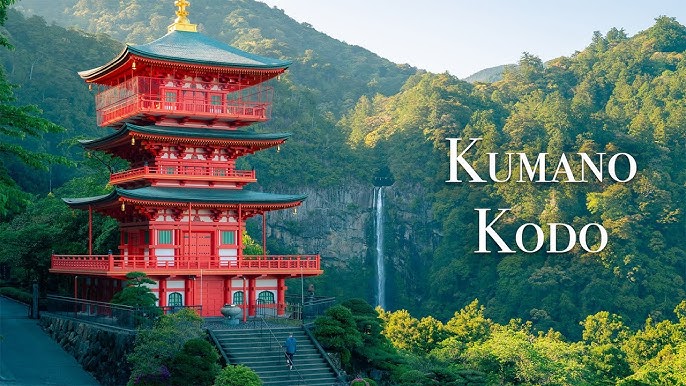
To get the Kumano Kodo Trail Dual Pilgrim stamp passport (officially known as the Dual Pilgrim Credential), you can pick one up for free at the Tanabe City Kumano Tourism Bureau next to Kii-Tanabe Station, or at the Kumano Hongu Heritage Center in Japan. Alternatively, you can order a Pilgrim Pack online in advance from the official Kumano Travel community reservation system.
This unique passport features two sides: one side for collecting stamps at the wooden kiosks along Japan’s ancient Kumano Kodo trail, and the other side for Spain’s famous Camino de Santiago. It serves as your official record to achieve the coveted "Dual Pilgrim" status, celebrating those who complete the world's only two UNESCO World Heritage pilgrimage routes.
What Is the Kumano Kodo Dual Pilgrim Program?
The Dual Pilgrim program is an official international partnership established to honor hikers who complete both of the world's UNESCO-listed pilgrimage networks: the Kumano Kodo in Japan and the Camino de Santiago in Spain.
Official Definition:
The Kumano Kodo Dual Pilgrim Program is a joint cultural initiative by Tanabe City (Japan) and Santiago de Compostela (Spain). It awards a unique spiritual title, a handmade Japanese washi paper certificate, and a limited-edition pin badge to individuals who successfully complete designated lengths of both sacred ancient trails.
Why Is the Dual Pilgrim Stamp Passport Important?
The stamp passport is far more than a souvenir; it is your official audit trail. Without checking in at the physical stamp stations (known as Oji shrines) along the Japanese mountains, local authorities cannot verify your trek.
The passport physically bridges two completely different spiritual traditions—the Shinto-Buddhist roots of Japan’s Kii Peninsula and the Catholic heritage of Spain—using the sun as a unifying symbol. One side represents the rising sun in the East, while the other represents the setting sun in the West.
How Does the Kumano Kodo Stamp Passport Work?
The process relies on a traditional ink-and-stamp system. As you hike through the mossy forests, you will look for small wooden kiosks placed next to major shrines and historical trail markers.
The Step-by-Step Hiking Routine
- Locate the Kiosk: Spot the small wooden shelter along the trail.
- Open the Stamp Box: Inside, you will find a large custom ink pad and a uniquely carved wooden stamp representing that specific location.
- Press Firmly: Firmly press the stamp onto the dedicated page matching your current trail location in your credential booklet.
- Present for Verification: Once your route is full of stamps, present the passport at the Kumano Hongu Heritage Center to claim your Dual Pilgrim status.
What Are the Requirements to Complete Both Trails?
To earn your Dual Pilgrim certificate, you do not have to hike all hundreds of miles of both trail networks, but you must complete specific qualifying sections on foot, by bike, or by horse.
Qualifying Routes Comparison
Pilgrimage Trail
Minimum Distance Required
Acceptable Modes of Travel
Camino de Santiago (Spain)
Last 100 km (62 miles) or Last 200 km (124 miles)
On foot or horseback (100km); By bicycle (200km)
Kumano Kodo: Route A (Japan)
Takijiri-oji to Kumano Hongu Taisha (~38 km)
On foot only
Kumano Kodo: Route B (Japan)
Kumano Nachi Taisha to/from Kumano Hongu Taisha (~30 km)
On foot only
Kumano Kodo: Route C (Japan)
Hosshinmon-oji to Kumano Hongu Taisha (~7 km) plus visiting Hayatama and Nachi Shrines
On foot only
Kumano Kodo: Route D (Japan)
Koyasan to Kumano Hongu Taisha (Kohechi Route, ~70 km)
On foot only
What Are the Benefits of Becoming a Dual Pilgrim?
- Handmade Washi Certificate: You receive a registration certificate individually printed on traditional, high-quality Japanese paper.
- Exclusive Collector's Pin: A special metallic pin badge featuring a fusion of the Camino Scallop Shell and the Kumano three-legged crow (Yatagarasu).
- Global Registry: With your permission, your name, photo, and completion date are permanently logged on the official Spiritual Pilgrimages global registry website.
- The Ritual Drum Ceremony: If you complete your second leg in Japan, you can participate in a sacred Taiko drum ritual at the Kumano Hongu Taisha shrine.
What Are the Common Mistakes People Make?
- Missing the Ink Pads: Some remote kiosks can occasionally have dry ink pads during cold winter months. Always pack a small, portable ink pad in your daypack just in case.
- Forgetting the Camino Compostela: If you complete the Camino de Santiago first, you must bring your official Compostela certificate (or clear photographic proof of it) to the registration desk in Japan.
- Hiking the Wrong Routes: Walking random, unmonitored trails that lack official stamp checkpoints (like parts of the highly urbanized coastal Ohechi route) can invalidate your passport progress. Stick to the Nakahechi or Kohechi routes.
How Can Beginners Get Started?
If you are a beginner looking for the smoothest path to becoming a Dual Pilgrim, start with the Nakahechi Route in Japan and the Camino Francés in Spain.
The Beginner Action Plan
- Order the Pilgrim Pack Online: Visit the Tanabe City Kumano Travel website several weeks before your trip to have your physical maps and Dual Passport mailed to your home.
- Book the Nakahechi Route: Walk from Takijiri-oji to Kumano Hongu Taisha. This takes about two full days of hiking with an overnight stay in a traditional guesthouse (minshuku) in the village of Chikatsuyu.
- Log Your Final Stamp: Walk down the mountain into Kumano Hongu Taisha, cross the street to the Heritage Center, and present your passport to local officials to lock in your half of the program.
Expert Tips for a Perfect Pilgrimage Journey
- Waterproof Your Passport: The Kii Peninsula is one of the wettest, rainiest regions in Japan. Keep your passport inside a heavy-duty, zip-top plastic bag inside your pack. A wet passport means smeared ink and unreadable stamps.
- Leverage Luggage Shuttles: Do not ruin your knees carrying a 40-pound pack over steep, wet stone steps. Use local luggage forwarding services (booked via Kumano Travel) to ship your heavy bags from one night's traditional inn to the next.
- Respect the Sacred Spaces: Before stamping your book at an Oji shrine, take a brief moment to bow lightly at the entrance as a sign of respect for local Shinto customs.
Real-World Case Study: Walkers Who Bridged East and West
Take the example of Sarah, a hiker who completed the final 115 kilometers of the Camino Francés from Sarria to Santiago de Compostela. Upon receiving her Compostela certificate in Spain, she kept her paperwork safe and traveled to Japan six months later.
Sarah picked up her Dual Pilgrim passport at the Tanabe Train Station information desk. She walked the classic Nakahechi mountain trail over 3 days, gathering dozens of intricate ink stamps along the moss-covered path. Upon finishing at the grand Kumano Hongu Taisha shrine, she crossed the street to the modern Heritage Center. Within 15 minutes, local officials verified both her Spanish and Japanese stamps, registered her online, and handed her a beautiful, hand-inked washi paper completion scroll.
Frequently Asked Questions (FAQs)
Does it matter which pilgrimage route I complete first?
No. You can complete either the Camino de Santiago or the Kumano Kodo first. There is no time limit or expiration date between finishing the first trail and starting the second one.
Where exactly do I claim my Dual Pilgrim certificate?
If you finish your second journey in Japan, register at the Kumano Hongu Heritage Center in Tanabe City. If you finish your second journey in Spain, register at the Turismo de Santiago Information Center on Rúa do Vilar in Santiago de Compostela.
Is there a fee to get the passport or the final certificate?
No, the physical Dual Pilgrim stamp credential passport is completely free of charge when picked up in person at the local tourist information centers. The final handmade certificate and pin badge are also provided completely free upon successful verification.
Can I use a standard Camino passport to collect Kumano Kodo stamps?
No, you should use the official Dual Pilgrim Credential or the standalone Kumano Kodo Pilgrims Passport book. The dedicated Dual Pilgrim passport is highly recommended because it keeps both sets of stamps neatly organized in one booklet.
What happens if I lose my stamp passport mid-hike?
If you lose your passport, you will have to get a new booklet at a nearby tourist hub. Unfortunately, missing stamps cannot easily be back-dated unless you can provide clear photographic evidence of yourself standing next to the specific stamp kiosks you passed.
Conclusion
Securing your Kumano Kodo Dual Pilgrim stamp passport is your first step toward joining an elite, global community of cross-cultural hikers. By collecting these traditional ink seals across the mountain trails of Japan and the historic paths of Spain, you weave your own story into centuries of sacred travel history. Don't leave your achievement to chance—head over to the official Kumano Travel community reservation system today, order your Pilgrim Pack, and start planning your bucket-list journey across East and West.