
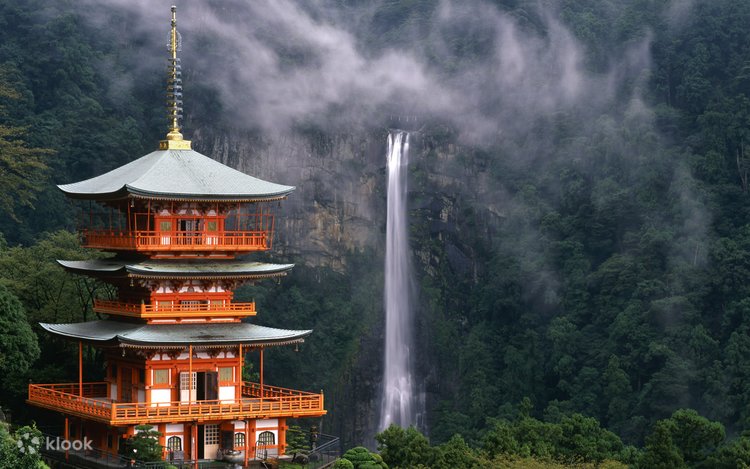
The Kumano Kodo Japan is a historic network of pilgrimage trails through the Kii Mountains of Japan. For beginners, the Nakahechi Route is the best-known starting point, with shorter sections such as Hosshinmon-oji to Kumano Hongu Taisha offering an accessible introduction to the trail.
You do not need to complete the entire pilgrimage. Beginners can choose a short day hike or build a multi-day itinerary around villages, traditional accommodations, shrines, and hot springs.
What Is the Kumano Kodo Japan?
The Kumano Kodo is a network of ancient pilgrimage routes across Japan's Kii Peninsula that leads toward the sacred Kumano region and its three Grand Shrines. The routes combine mountain hiking, religious history, forest landscapes, traditional villages, and centuries-old pilgrimage traditions.
The wider Sacred Sites and Pilgrimage Routes in the Kii Mountain Range was inscribed on the UNESCO World Heritage List. UNESCO describes the cultural landscape as a fusion of Shinto traditions and Buddhism, with pilgrimage routes extending across the Kii Mountains.
The main routes include Nakahechi, Kohechi, Ohechi, Iseji, and Kii/Kii-ji-related routes. They vary considerably in difficulty, length, scenery, and accessibility.
For a first trip, however, Nakahechi deserves particular attention.
Why Is the Kumano Kodo Important?
The Kumano Kodo is more than a hiking trail. It is a living cultural landscape where nature, pilgrimage, and Japanese religious history meet.
The Nakahechi Route historically connected the pilgrimage area with the ancient capital region and became an important pilgrimage path to the Kumano Sanzan, the three major Kumano shrines. UNESCO notes that the sacred landscape reflects more than 1,200 years of religious and cultural tradition.
Along the trail, hikers encounter:
- Ancient stone-paved sections
- Cedar and forest landscapes
- Small pilgrimage shrines known as oji
- Traditional mountain settlements
- Kumano Hongu Taisha
- Kumano Nachi Taisha
- Kumano Hayatama Taisha
- Natural hot springs and traditional accommodations
The experience is therefore less about reaching a summit and more about walking through a historic
pilgrimage landscape.
Which Kumano Kodo Route Is Best for Beginners?
For most first-time visitors, Nakahechi is the easiest route to plan around because it has established infrastructure, English-language information, maps, local buses, accommodations, and luggage-shuttle services. The Tanabe City Kumano Tourism Bureau specifically describes it as the core trail of the Kumano Kodo network and notes that it can be experienced through shorter walks as well as consecutive-day hikes.
Route or section
Beginner suitability
What makes it interesting
Hosshinmon-oji → Kumano Hongu Taisha
Excellent
Shorter highlight walk with forest and village scenery
Takijiri-oji → Takahara
Good
Classic trail introduction with a steep start
Chikatsuyu → Tsugizakura-oji
Good
Shorter section suitable for gradual introduction
Takijiri-oji → Tsugizakura-oji
Moderate
Full-day mountain hike with significant elevation
Tsugizakura-oji → Kumano Hongu Taisha
Moderate–Challenging
Long full-day hike through mountain terrain
Difficulty should not be judged by distance alone. Weather, season, direction, luggage, fitness, and hiking experience can significantly change how difficult a particular section feels.
What Is the Best Kumano Kodo Hike for a First-Time Visitor?
Hosshinmon-oji to Kumano Hongu Taisha
If you want a relatively manageable introduction, the Hosshinmon-oji to Kumano Hongu Taisha section is one of the strongest choices.
The official tourism information lists this popular section at about 7 km, with approximately 2 hours of walking and a difficulty rating of 2. Another itinerary describes the walk as roughly 7.5 km and 2–3 hours, depending on conditions and walking pace.
The route combines forest trails with sections through settled areas and finishes at Kumano Hongu Taisha.
It is particularly useful for travelers who want the feeling of completing part of the historic pilgrimage without committing several days to mountain hiking.
Takijiri-oji to Takahara
Another option is beginning at Takijiri-oji, traditionally regarded as the starting point of the Nakahechi pilgrimage.
Takijiri is accessible by bus from Kii-Tanabe, with the journey taking approximately 40 minutes. The trail immediately becomes mountainous, so this short section should not be mistaken for a flat nature walk.
Takijiri-oji to Tsugizakura-oji
More ambitious beginners can consider the full section from Takijiri-oji to Tsugizakura-oji.
The official route information gives it as approximately 17 km, requiring around 7–10 hours, with about 1,260 m of elevation gain. It is rated difficulty 4, with steep climbs, descents, and uneven surfaces.
That makes it better suited to beginners who already have reasonable hiking fitness.
How Difficult Is the Kumano Kodo for Beginners?
The Kumano Kodo can be beginner-friendly, but it is not simply a sightseeing walkway.
Many sections pass through genuine mountain terrain. Uneven stones, stairs, mud, roots, steep climbs, and changing weather can make a route considerably harder than its distance suggests.
The official difficulty system highlights several variables, including weather, time of day, season, walking direction, luggage weight, physical condition, and previous experience.
What Should Beginners Know Before Hiking?
A sensible first-time approach is:
- Choose your route based on elevation and terrain, not distance alone.
- Check the latest trail and bus information before departure.
- Allow more time than the theoretical walking time.
- Carry enough water and food for sections without restaurants.
- Start early for longer hikes.
- Have a backup plan if weather conditions deteriorate.
What Should You Pack for the Kumano Kodo?
You do not need an expedition-sized backpack for a typical day hike, especially if you arrange luggage transportation for a multi-day trip.
Essential items include:
- Comfortable hiking shoes with good grip
- Lightweight rain jacket
- Water bottle or hydration system
- Packed lunch and snacks
- Navigation information or trail map
- Phone and portable battery
- Basic first-aid supplies
- Layers appropriate to the season
- Small backpack
- Cash for rural areas where appropriate
The uneven stone and mountain surfaces make footwear particularly important.
For longer itineraries, luggage-shuttle services can reduce the amount you need to carry while walking. The Kumano Travel service, for example, offers same-day luggage transportation between Takijiri and accommodations in the Hongu area under its service conditions.
How Can Beginners Plan a Kumano Kodo Trip?
A successful first trip is usually easier when you treat the Kumano Kodo as both a hiking itinerary and a rural travel itinerary.
Step 1: Choose a manageable section
Do not feel pressured to walk the entire Nakahechi Route. A two- to three-hour section can provide a genuine Kumano Kodo experience.
Step 2: Plan transportation before hiking
Public transportation connects important trail areas, but services in the mountains are not comparable to those in major Japanese cities.
Takijiri, for example, has bus connections from Kii-Tanabe and Hongu.
Step 3: Reserve accommodation in advance
Popular mountain villages have limited lodging capacity. Build your hiking itinerary around confirmed accommodation rather than assuming you can find a room after arriving.
Step 4: Check maps and route information
The Tanabe City Kumano Tourism Bureau provides dedicated maps for Nakahechi sections, including Takijiri, Takahara, Tsugizakura, Hosshinmon, and the Hongu area.
Step 5: Allow flexibility
Mountain weather can change your walking speed and route difficulty. A flexible itinerary is safer than planning every minute of the day.
What Are the Common Mistakes People Make?
One of the biggest mistakes is underestimating the terrain.
A route may look short on a map but involve substantial elevation gain and uneven surfaces. The official information for the 17-km Takijiri-to-Tsugizakura section, for example, records around 1,260 m of elevation gain.
Other common mistakes include:
- Choosing a route based only on photographs
- Carrying too much luggage
- Starting a long hike too late
- Forgetting that restaurants can be scarce
- Failing to check bus schedules
- Wearing casual shoes with poor grip
- Ignoring rain and trail conditions
- Trying to cover too much distance on the first day
A particularly important point is food planning. Some sections have few or no restaurants, so hikers are often advised to carry lunch.
What Is a Good Beginner Example Itinerary?
A simple first-time strategy could focus on the Hongu area rather than attempting a long continuous trek.
For example, travelers could stay near Hongu, use local transportation to reach a trailhead, walk the Hosshinmon-oji section toward Kumano Hongu Taisha, and then spend time exploring the shrine and nearby hot-spring areas.
This approach gives beginners a taste of:
Mountain trail → forest → village scenery → pilgrimage history → shrine → traditional Japanese countryside
For travelers with stronger hiking experience, a multi-day Nakahechi itinerary beginning around Takijiri can gradually extend the experience toward Hongu.
The official tourism bureau also publishes suggested walks and route information specifically designed around different sections of Nakahechi.
What Are the Expert Tips for Hiking the Kumano Kodo?
The best advice is to slow down.
The Kumano Kodo is not a race. Its appeal comes from the combination of walking, scenery, history, and quiet mountain communities
.
Take regular breaks, pay attention to trail conditions, and leave enough time to appreciate shrines and viewpoints rather than treating them as checkpoints.
For a multi-day journey, consider using luggage-shuttle services and staying in local accommodations. This lets you hike with a lighter pack and experience more of the region.
It is also worth using official maps and current transportation information instead of relying exclusively on old blog posts or generic hiking apps. The official tourism resources provide route maps, difficulty information, access details, accommodation areas, and safety guidance.
Is the Kumano Kodo Worth Visiting for Beginners?
Yes. The Kumano Kodo is particularly rewarding for beginners who want something different from Japan's famous urban attractions.
You can combine hiking with cultural sightseeing, traditional accommodation, Japanese food, hot springs, and visits to historic shrines.
Most importantly, you do not have to complete the entire pilgrimage to experience it. Choosing one well-planned section can be enough for a memorable first visit.
Frequently Asked Questions About the Kumano Kodo Japan
Is the Kumano Kodo suitable for complete beginners?
Yes, but route selection matters. Some sections are relatively short and manageable, while others involve steep climbs, uneven terrain, and substantial elevation gain. The Hosshinmon-oji to Kumano Hongu Taisha section is a popular shorter option, while longer Nakahechi sections require stronger hiking fitness.
How many days do you need for the Kumano Kodo?
It depends entirely on the route and sections you choose. A beginner can experience the Kumano Kodo in a single day, while a multi-day Nakahechi itinerary provides a deeper pilgrimage experience. The official route system supports both shorter highlight walks and consecutive-day hikes.
Which Kumano Kodo route is easiest?
There is no single easiest route across the entire network because terrain varies significantly. Within Nakahechi, the approximately 7-km Hosshinmon-oji to Kumano Hongu Taisha section is one of the more accessible popular walks, with an official difficulty rating of 2.
Do you need hiking experience for the Kumano Kodo?
You do not need advanced mountaineering experience for shorter sections, but basic hiking fitness is important. Longer routes involve elevation changes and uneven mountain terrain. Beginners should select a route appropriate to their fitness and avoid assuming that a short distance automatically means an easy hike.
What is the best time to hike the Kumano Kodo?
The best period depends on your tolerance for heat, rain, and changing mountain conditions. Spring and autumn are popular because temperatures can be more comfortable for hiking, but conditions vary by year. Always check current weather and trail information before setting out.
Can you hike the Kumano Kodo without carrying your luggage?
Yes, luggage-shuttle services are available for some itineraries and accommodation combinations. This can make multi-day hiking considerably easier because you can carry only the essentials during the day's walk. Availability and booking conditions vary, so arrange transportation in advance.
Do you need a guide to hike the Kumano Kodo?
Not necessarily. Many travelers hike independently using official maps and route information. However, a local guide can add historical, cultural, and practical context and may be especially useful for travelers unfamiliar with mountain hiking in Japan.
Where should beginners start the Kumano Kodo?
For a classic multi-day experience, Takijiri-oji is the traditional starting point of the Nakahechi Route. For a shorter introduction, starting around Hosshinmon-oji and walking toward Kumano Hongu Taisha is a practical alternative.
Conclusion
The Kumano Kodo Japan offers beginners a unique way to experience Japan through hiking, history, spirituality, forests, villages, and traditional culture. Start with a manageable section such as Hosshinmon-oji to Kumano Hongu Taisha, prepare for genuine mountain terrain, and use current official maps and transportation information. You do not need to complete the entire pilgrimage—the right short route can provide an authentic Kumano Kodo experience.