
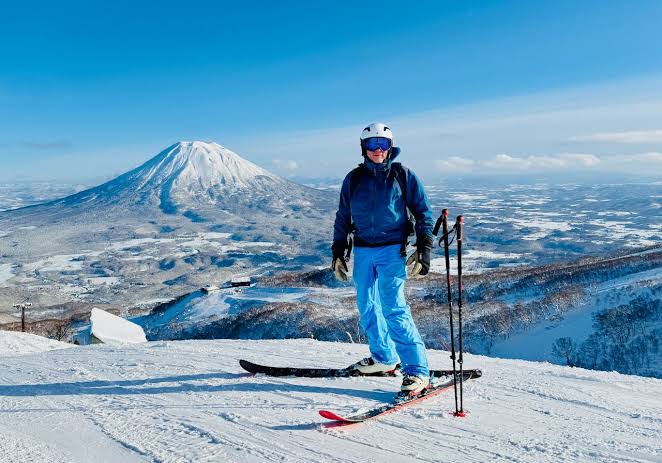
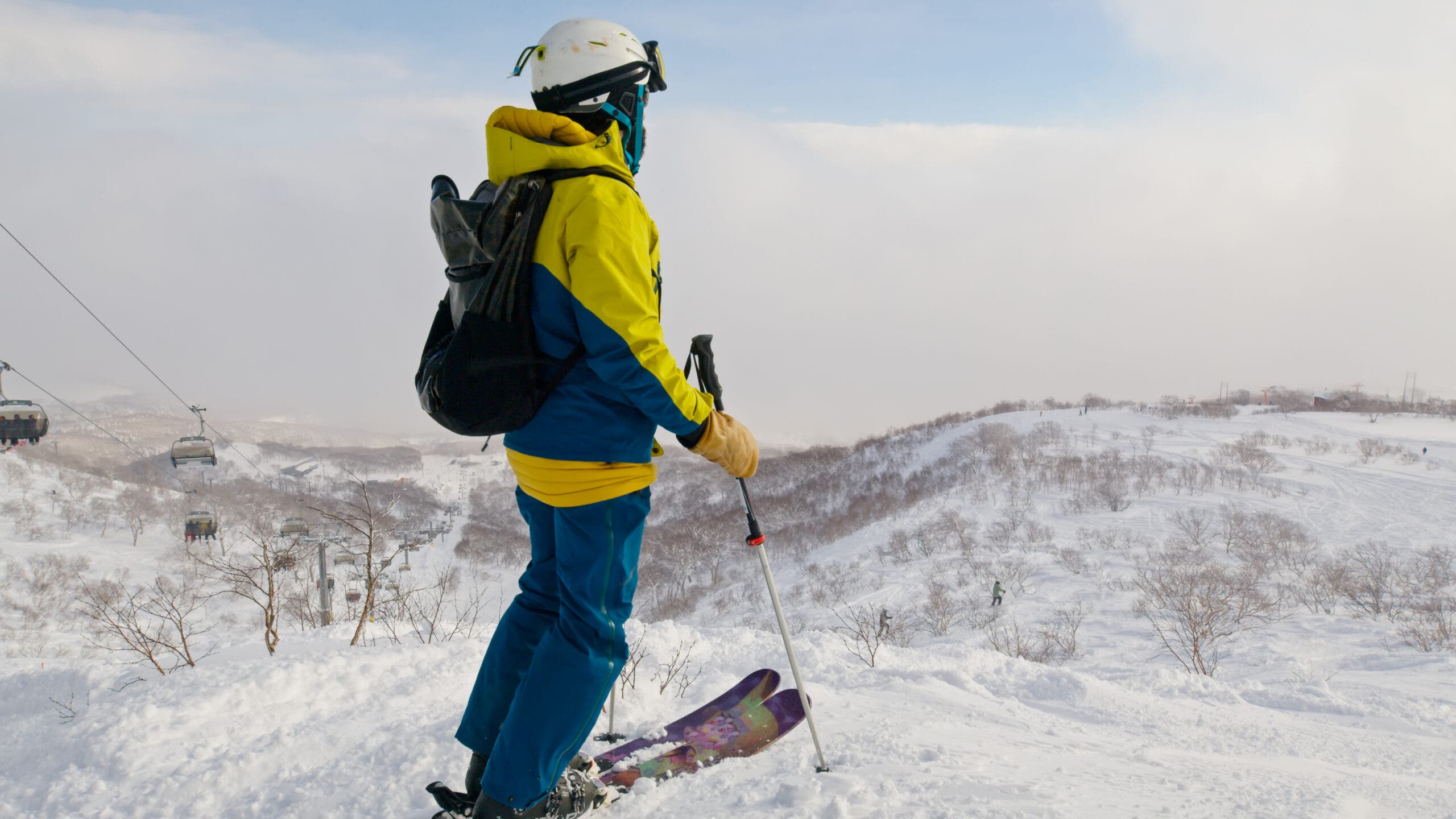
Japanese skis are popular among powder snow enthusiasts because they are specifically engineered to float on deep, dry snow. Their wider profiles and unique rocker designs offer unmatched control in heavy snowfalls.
This specialized design prevents sinking and drag. Skiers experience less leg fatigue and smoother turns, making these specific ski shapes essential for riding legendary "Japow" terrain.
What Are Japanese Skis?
Definition: What are Japanese skis?
Japanese skis are specialized snow skis explicitly designed for deep, dry powder conditions often found in Japan. Featuring a wider waist, rockered tips, and a softer flex pattern, they maximize floatation and maneuverability, preventing skiers from sinking into deep snowdrifts.
Why Are Japanese Skis Important?
Deep powder skiing requires completely different equipment than hard-packed resorts. Standard carving skis simply sink when faced with two feet of fresh snow.
Japanese skis change the physics of how you ride. They keep you above the snowpack, allowing for a surfing-like sensation that traditional European or North American carving skis cannot replicate.
How Do Japanese Skis Work?
These skis work by utilizing a wider surface area, usually over 110mm underfoot. This width displaces snow much like a surfboard displaces water.
They also use an "early rise" or rocker profile. The tips point upward sooner than regular skis, allowing the front to glide over the snow rather than plowing into it.
What Are the Benefits of Japanese Skis?
Skiing deep powder becomes significantly easier with the right setup. The main advantages include:
- Effortless Floatation: The wide base naturally stays on top of deep snow.
- Reduced Leg Fatigue: You do not have to lean back constantly to keep your tips up.
- Better Maneuverability: The softer flex allows for quick, playful turns in tight tree runs.
- Enhanced Stability: A wider platform handles chopped-up snow and uneven terrain better.
What Are the Common Mistakes People Make?
Many travelers bring the wrong gear to Japan. The most common mistake is using narrow resort skis, which immediately dive into the deep powder and cause crashes.
Another mistake is sizing down. Powder skis should generally be slightly longer than your regular skis to provide enough surface area for proper floatation.
How Can Beginners Get Started?
If you are planning your first deep powder trip, renting or buying the right setup is crucial. Follow these steps to get started:
- Choose the Right Width: Look for skis that are at least 105mm to 120mm underfoot for deep days.
- Size Up Slightly: Pick a ski length about 5 to 10 centimeters longer than your standard carving ski.
- Adjust Your Stance: Keep your weight centered rather than leaning heavily forward like you would on hard snow.
- Rent Before You Buy: Test different powder shapes at a local rental shop in Niseko or Hakuba to see what fits your style.
Expert Tips for Better Results
To truly master Japow, focus on momentum. Powder slows you down, so you need a steeper pitch and more speed to keep the skis floating.
Let the skis do the work. Instead of forcefully carving edges into the snow, use gentle, bouncing movements to steer through the powder.
Real-World Example: Niseko Tree Runs
Consider a skier tackling the famous tree runs in Niseko, Hokkaido. Using a standard 85mm ski, they constantly get bogged down, struggle to turn, and exhaust their legs by noon.
When they switch to a 115mm Japanese powder ski with a rockered tip, they easily pivot around trees. The ski floats effortlessly, turning a frustrating struggle into a playful, surfing experience.
Standard Skis vs. Japanese Powder Skis
Feature
Standard Resort Skis
Japanese Powder Skis
Waist Width
70mm – 90mm
105mm – 130mm
Profile
Camber (arched center)
Rocker (curved up at ends)
Flex
Stiff for edge grip
Soft for playful surfing
Best For
Hardpack, ice, groomers
Deep snow, tree runs, Japow
Frequently Asked Questions
Are Japanese skis only good for Japan?
No. While designed for Japan's uniquely deep and dry snow, these skis perform excellently in any deep powder destination, such as Utah, British Columbia, or the Swiss Alps.
How wide should powder skis be for Japan?
For the best experience in heavy Japanese powder, look for skis with a waist width between 110mm and 125mm. This ensures maximum floatation on the deepest days.
Can I use powder skis on groomed runs?
Yes, but they will feel sluggish. Wide powder skis take more effort to roll from edge to edge on hard-packed snow and lack the sharp grip of traditional carving skis.
Should I rent or buy skis in Japan?
If you only ski powder occasionally, renting locally is the best option. Shops in major Japanese resorts stock premium, condition-specific powder skis tailored to that day's exact snowfall.
Do I need special bindings for powder skis?
No, standard alpine or backcountry bindings work perfectly. However, ensure the brakes on your bindings are wide enough to clear the edges of your wider powder skis.
Conclusion
Japanese skis completely transform how you experience deep snow. By utilizing wider waists and rockered profiles, they provide the effortless floatation needed to conquer legendary Japow. Avoiding narrow resort skis and upgrading to a proper powder setup will save your legs and drastically improve your trip. Rent a pair on your next powder holiday and experience the surfing sensation for yourself.