
The average home contains over 300,000 items. One in ten Americans rents off-site storage. And 25% of us cannot even park our cars in our own garages.
If any of that sounds uncomfortably familiar — you are not alone. But here is what I want you to know: the clutter in your home is not a reflection of who you are. It is the result of very human tendencies that most of us share. And once you understand why it happens, you can create a real plan to change it.
Why We Hold On to Stuff
In my Organize, Plan and Prioritize course, I walk through the four most common reasons clutter accumulates in our homes:
• Hoarding mentality — the deeply held belief that we might need it someday
• Delaying decisions — not opening the mail, not dealing with the boxes, putting it off until tomorrow
• Perfectionism — waiting until we have the right containers, the right labels, the right system before we start
• Sentimental attachment — holding on to things because of the memories they carry, even when they no longer serve us
Which one resonates most with you? Because your organizing strategy starts there.
80% of the stuff we keep, we never reference again. We wear 20% of our clothes 80% of the time. The rest just hangs there.
The Project Plan That Actually Works
One of the biggest mistakes people make when tackling clutter is trying to do everything at once. Rome was not built in a day — and your home will not be organized in a weekend.
In the course I teach a simple four-step approach:
• Make a master list — go room by room and write down every area that needs attention
• Schedule your sessions — block specific time on your calendar for each area
• Draft your to-do list — what exactly needs to happen in that space?
• Prioritize — tackle the space that causes you the most daily stress first
And remember: 15 minutes of planning saves you an hour of doing. Do not skip the planning step.
Quick Wins by Room
Here is a taste of what we cover in the room-by-room section of the course:
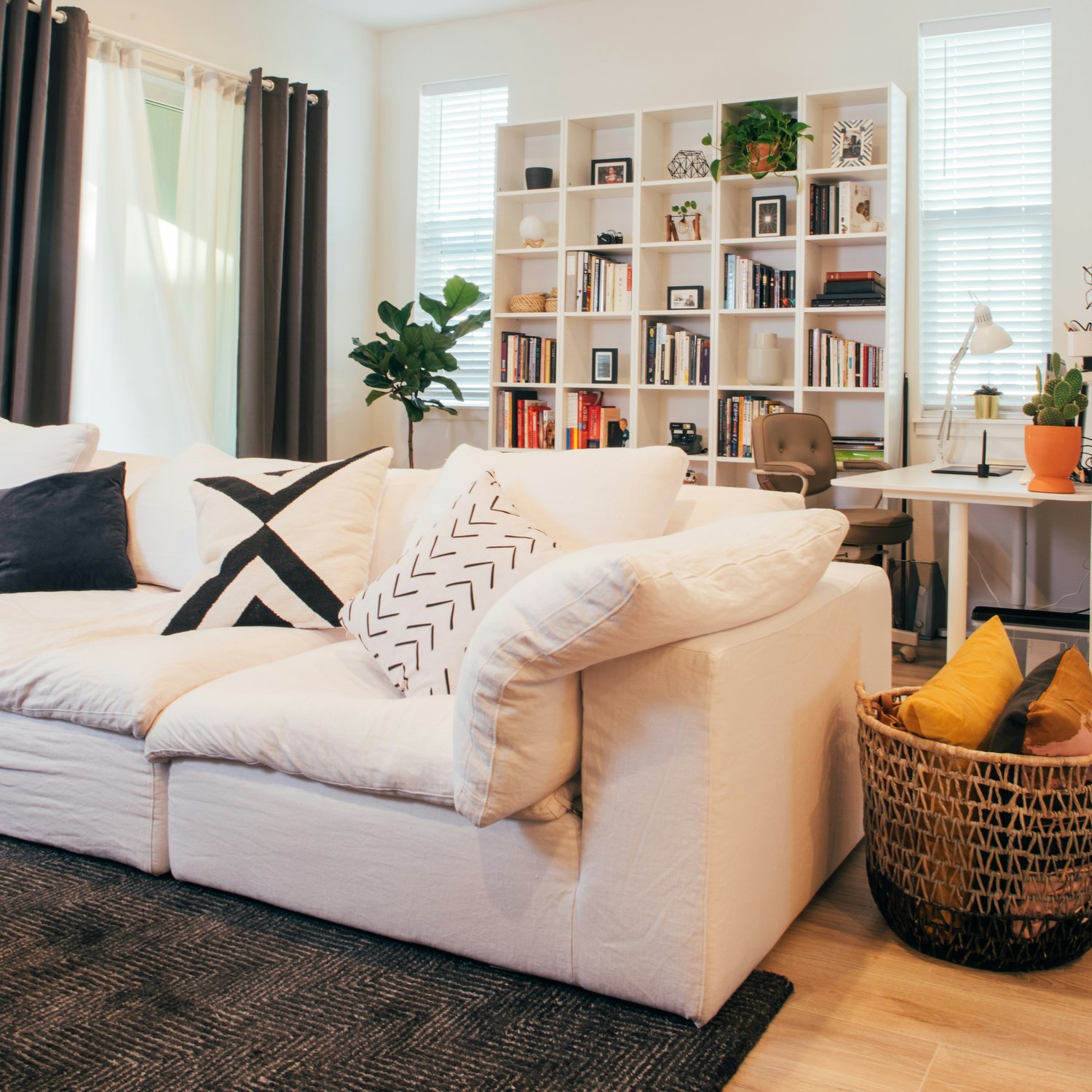
• Living room — use baskets and containers for device accessories, and toss junk mail the moment it comes in
• Kitchen — keep only what you use daily on the counters, and schedule quarterly pantry and refrigerator checks
• Bathroom — check for expired medications and makeup. Both need to go more often than we think
• Closet — if it does not fit, donate it. And when your body changes, so do your wants — give yourself permission to let go
• Junk drawer — give every drawer a purpose and it stops being a junk drawer
• Mail — designate one spot for all incoming mail. One spot. That is it
Instead of putting it down, put it away. That one habit makes the biggest difference.
Where Will You Start Today?
You do not need to organize your entire home this week. You just need to start somewhere. Maybe it is the kitchen counter. Maybe it is that pile of mail by the door. Maybe it is just going through your wallet and tossing the faded receipts.
In the full course I give you a complete organizing framework, room-by-room strategies, questions to ask yourself as you sort through each space, and a maintenance plan to keep things organized long after the course ends.
Organizing is a journey, not a destination. But every journey starts with a single step. Where will yours begin?
Comments ()