
1️⃣Understanding the Japanese Writing System
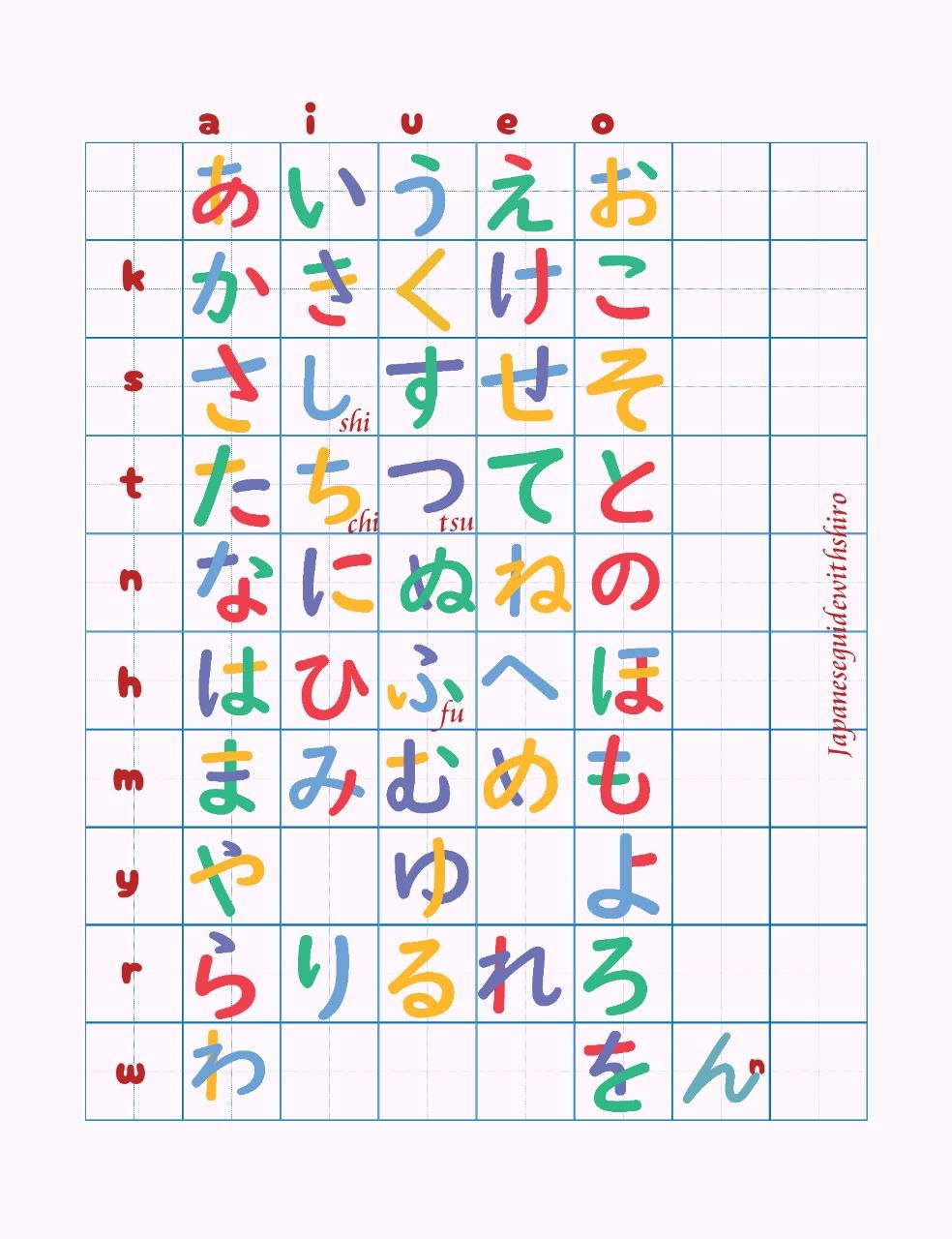
Many beginners feel overwhelmed when starting Japanese because the writing system looks complicated. Japanese actually uses three writing systems: Hiragana, Katakana, and Kanji.
- Hiragana: the first writing system beginners learn.It has 46 characters, and each character represents a sound.Hiragana is used for Japanese grammar ending,Native Japanese word,Words that do not have Kanji.
- Katakana: Katakana is another phonetic writing system with 46 characters, just like Hiragana. However, it is mainly used for foreign words, loanwords, and names from other languages.
- Kanji: Chinese characters that represent concepts or ideas.Unlike Hiragana, which just tells you how to say a word, a single Kanji can tell you the meaning of the word at a glance.There are thousands of Kanji in daily use, but don't let that number scare you!It’s just one step at a time, and you’ll get there faster than you think.
Most learners start with Hiragana, which is the foundation of Japanese reading and writing.Once you know Hiragana, you can start reading simple Japanese words and sentences.
2️⃣ Why Stroke Order Matters
When learning Hiragana, it’s important to follow the correct stroke order.
Japanese characters are designed to be written in a specific order, perfectly balanced within a square.Proper stroke order ensures the character doesn't "lean" or look lopsided.
Correct stroke order helps you:
- write characters faster
- develop natural handwriting
- remember the shapes more easily
It also becomes very important later when learning Kanji, which has many more strokes.
Practicing with the correct stroke order from the beginning will make writing Japanese much easier.
3️⃣ How to Practice Hiragana
There are several ways to practice Hiragana effectively. To see the best results, try to combine digital learning with physical writing.
Traditional Writing Practice
Practicing characters in a notebook is one of the fastest ways to
- Remember stroke order: Your hand learns the "flow" of the character
- Improve handwriting: You get a feel for the balance and proportions within a square
- Build muscle memory: Physical repetition helps the characters "stick" in your brain long-term.
If you prefer a guided approach, I’ve created a Hiragana Writing Notebook. It includes stroke order guides, practice grids, vocabulary building, and quizzes to track your progress.
[Get the Kana Writing Notebook here].
Learning with Apps
Many learners also use apps like MochiKana or Kanana. These are great because they offer:
- Picture Stories: They show you funny pictures to help you remember the shapes.
- Audio: You can hear how each character sounds from a native speaker.
- Writing Practice: They show you exactly where to start and stop each stroke.
- Quizzes: You can test yourself anytime to see how much you’ve learned.
Tip: Apps are perfect for quick reviews while you are on the bus or waiting in line!
4️⃣Meet the Hiragana Characters
Learning Hiragana is like learning 46 new friends. Let’s get started!
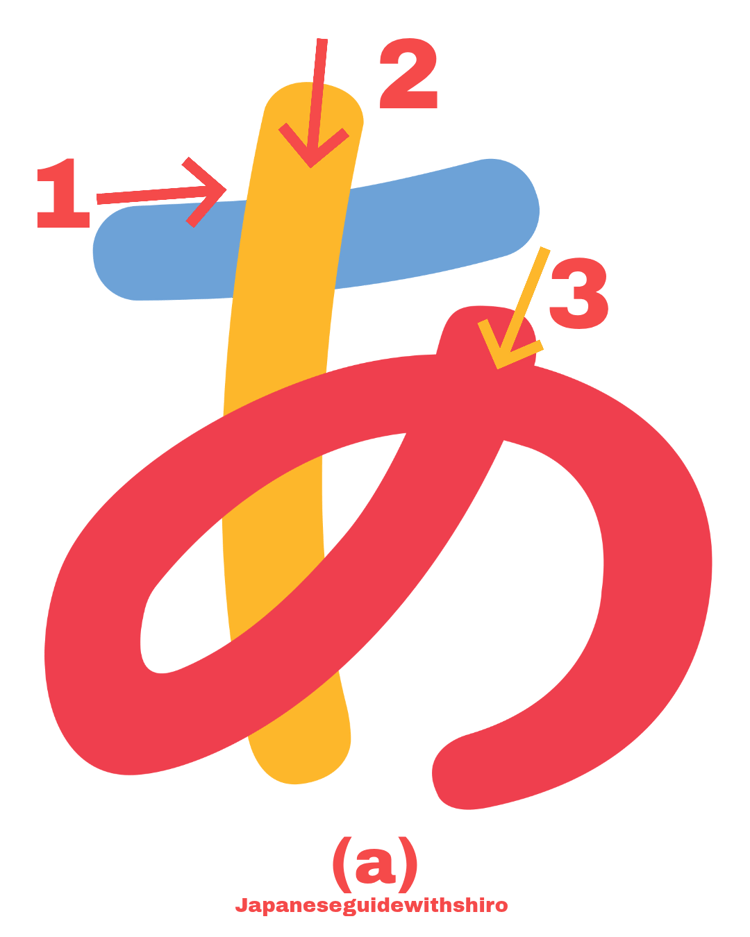
Pronounced like "Ah" as in Father. Look like a cross on an Apple 🍎.
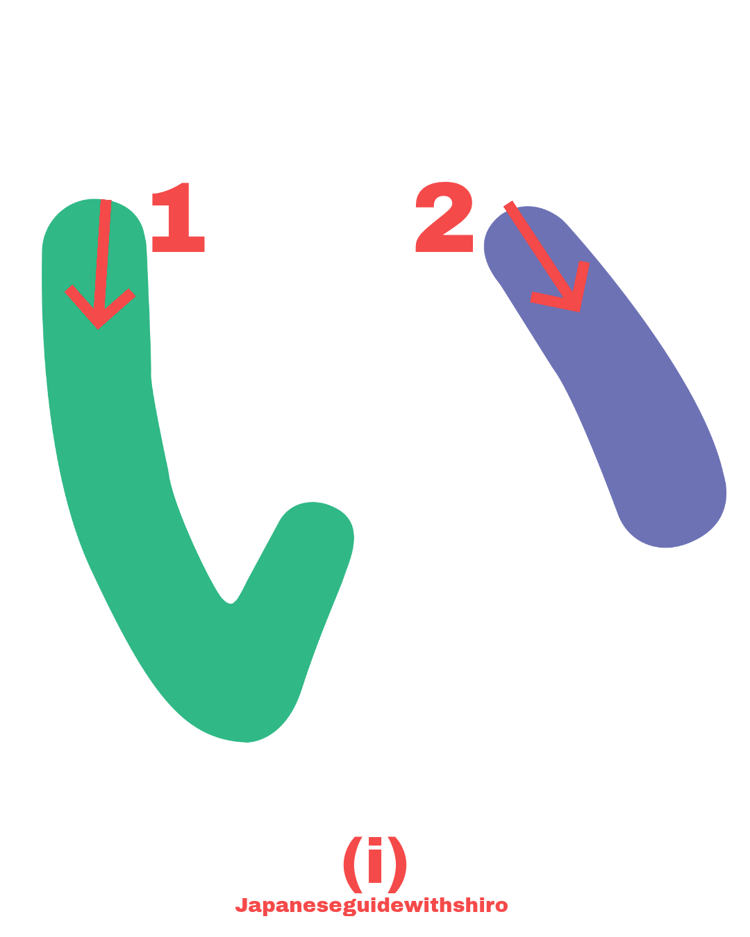
Pronounced “ee” like in see. Looks like two people standing side by side.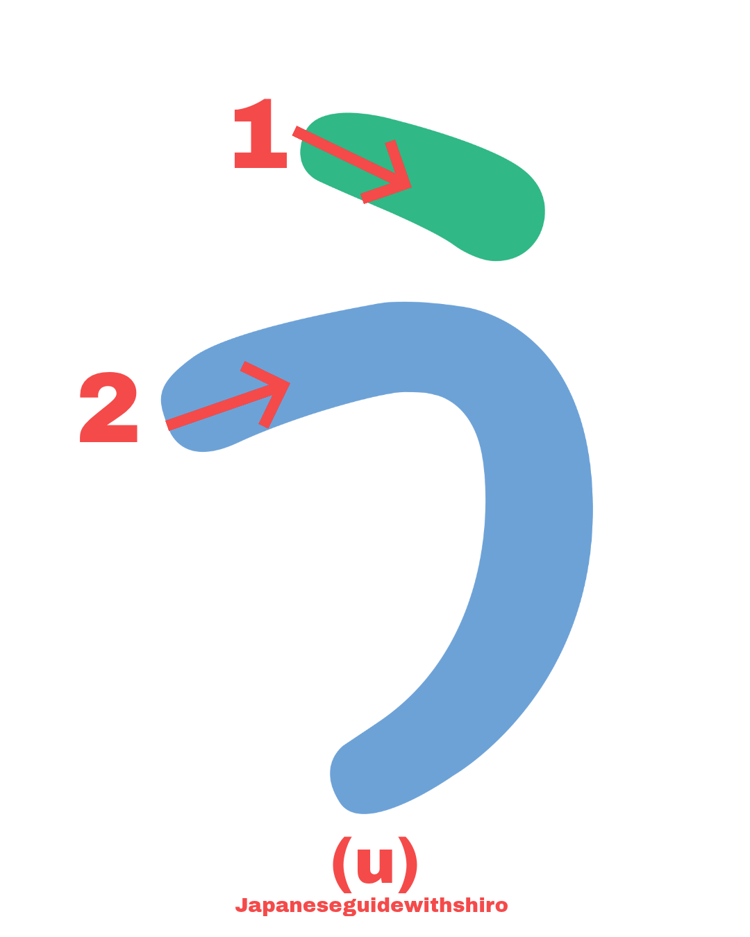
Pronounced as "Oo" as in food .Looks like a "U" turned on its side.
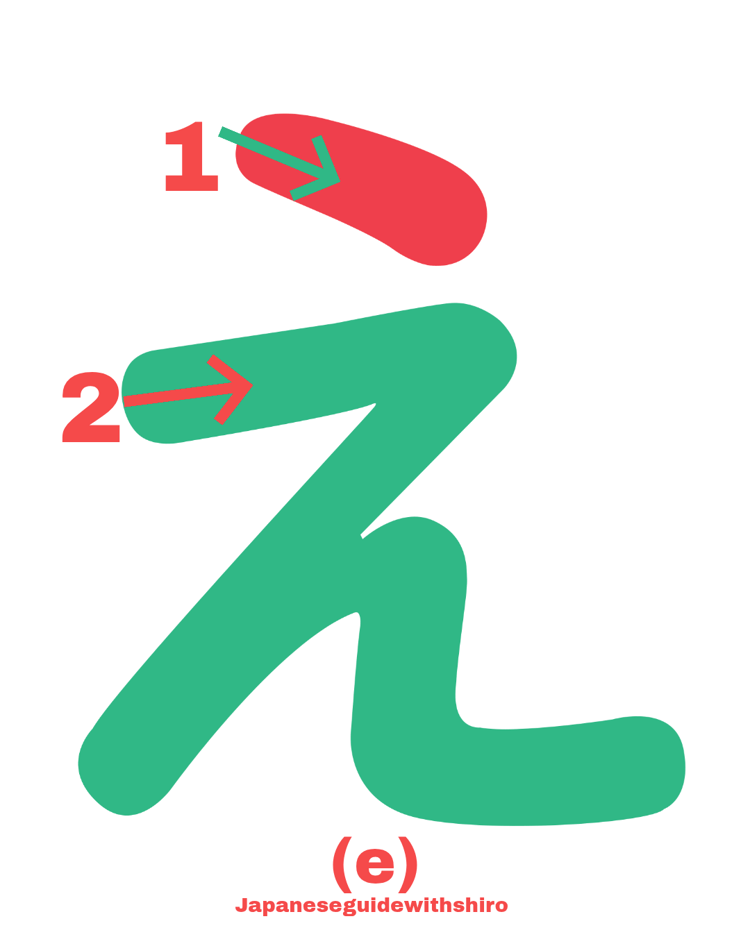
Pronounced “eh” like in bed. Looks like a person with arms stretched.
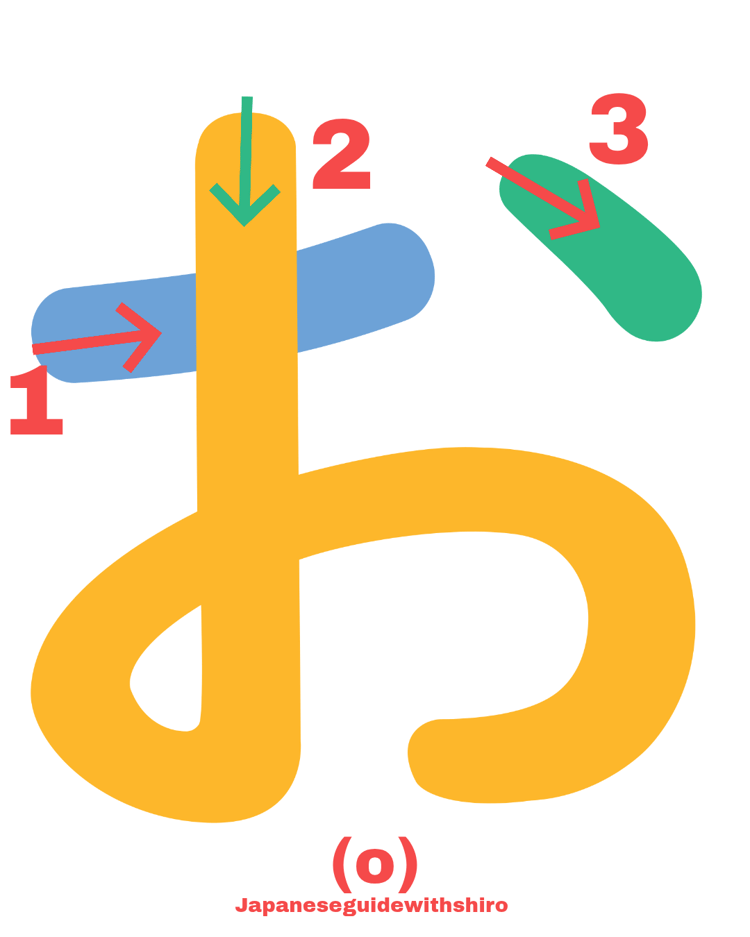
Pronounced “oh” like in boat. Looks like a golfer swinging a club. Learn あ(a) and お (o)at the same time so you don't confuse them.
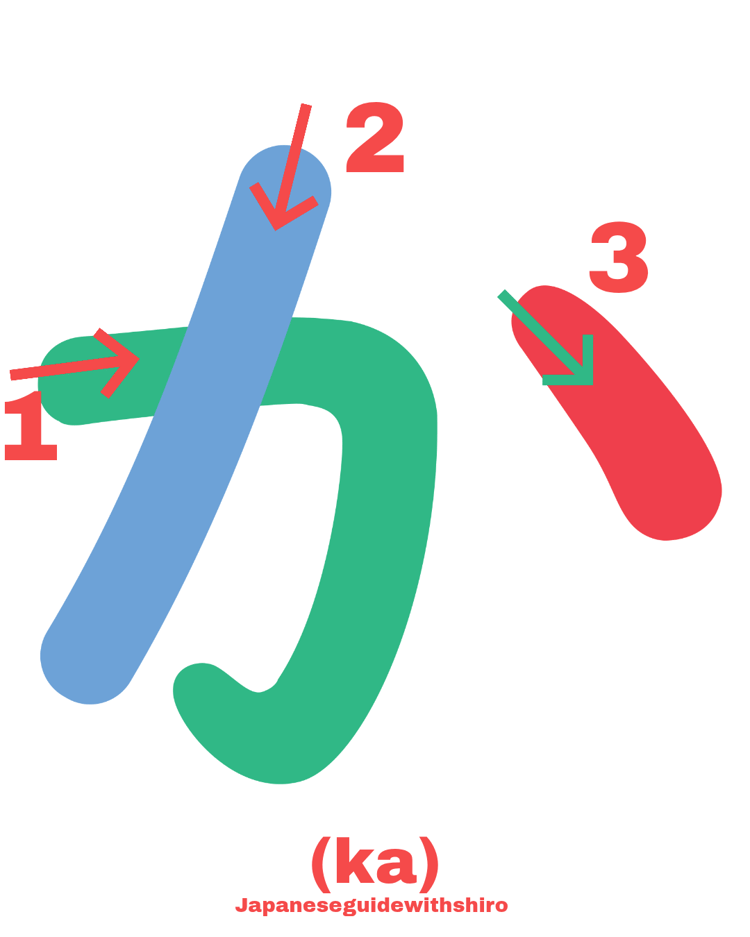
Pronounced like "Car." Think of a Kayak with a paddle.
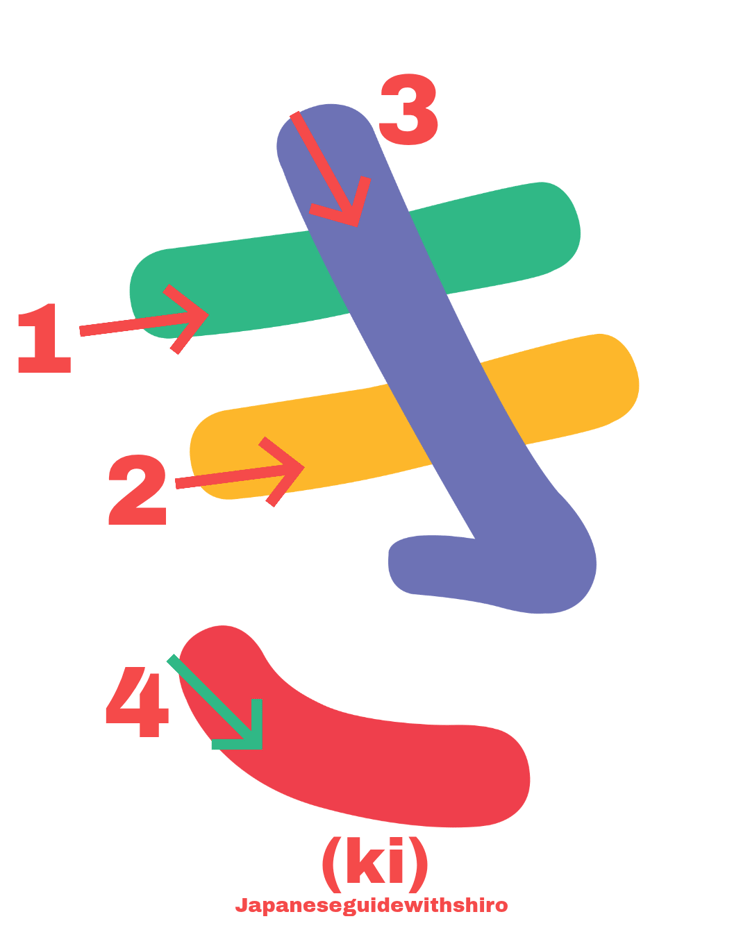
Pronounced like "Key." It literally looks like a Key!き is a little confusing sometimes because the hand writing version is a little different with text book version. In some textbook, the bottom curve is connected but in handwriting, it's separated.
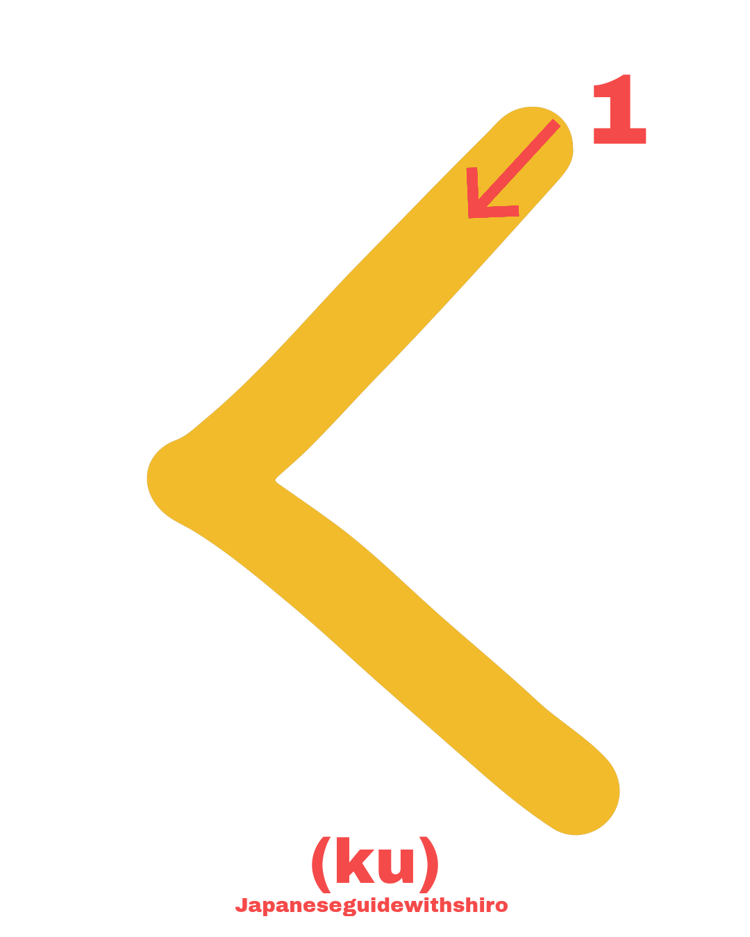
Pronounced like "Coo." Looks like a Cuckoo bird's open beak.
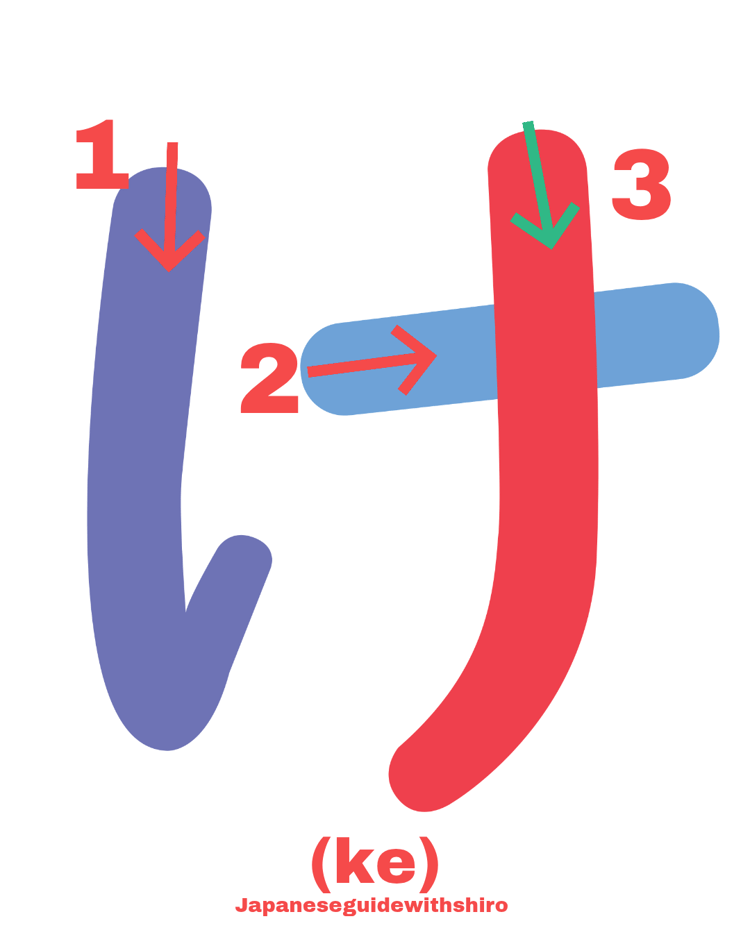
Pronounced “keh”. Looks like a key with a long handle.
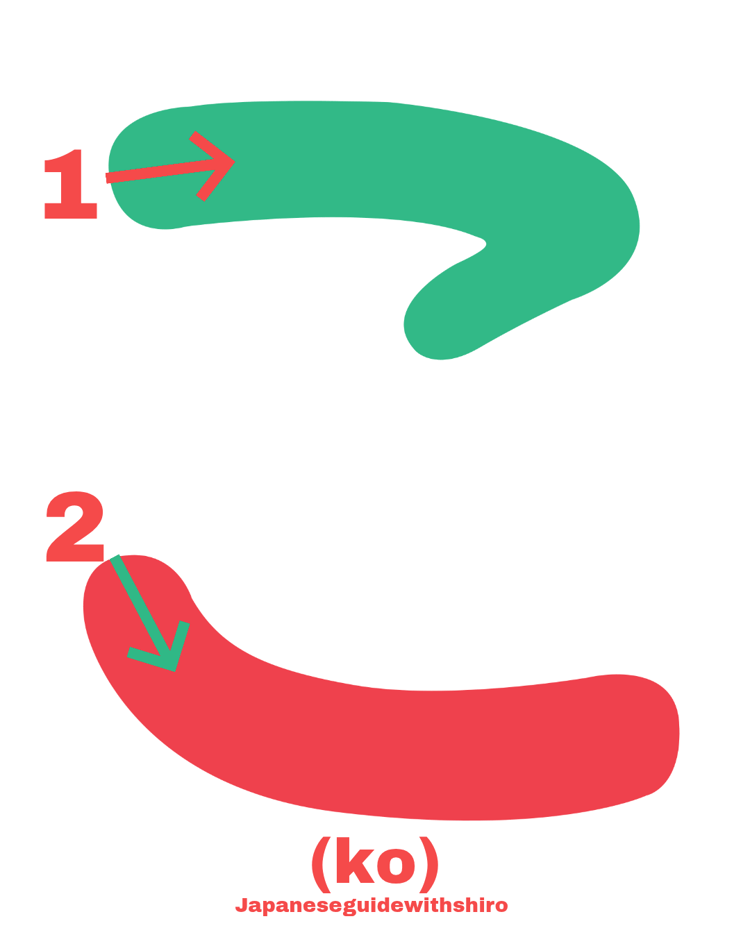
Pronounced “koh”. Looks like two simple lines (like equals sign but not touching).
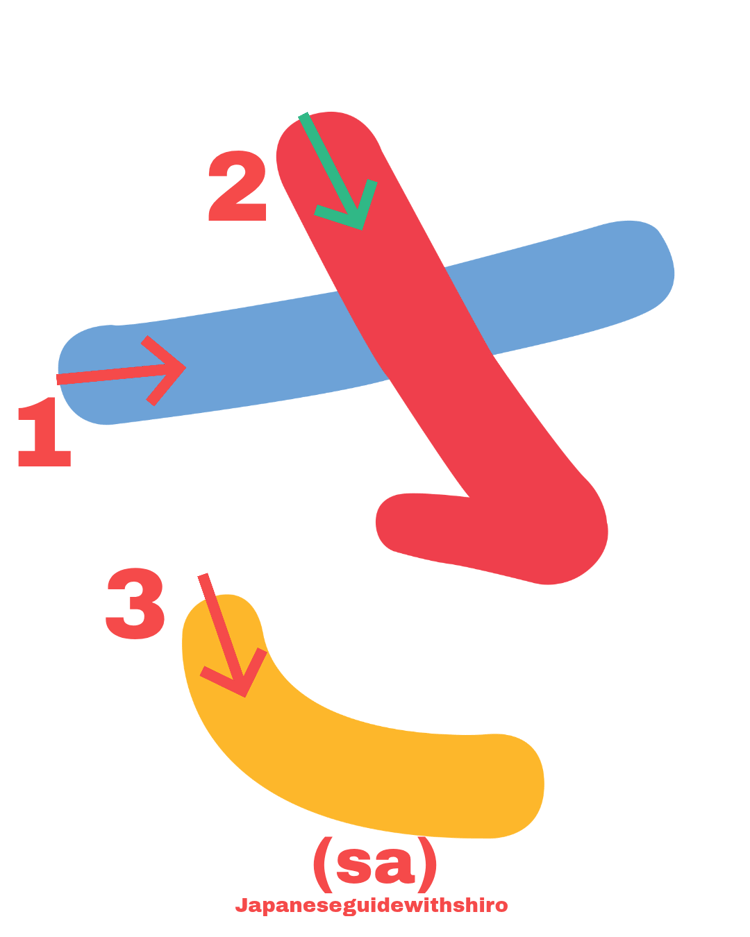
Pronounced “sah”. Looks like a person with one arm out.Similar to き(ki) but only one crossbar. Like ki, the bottom curve is connected in some textbook but it's separated in handwriting.
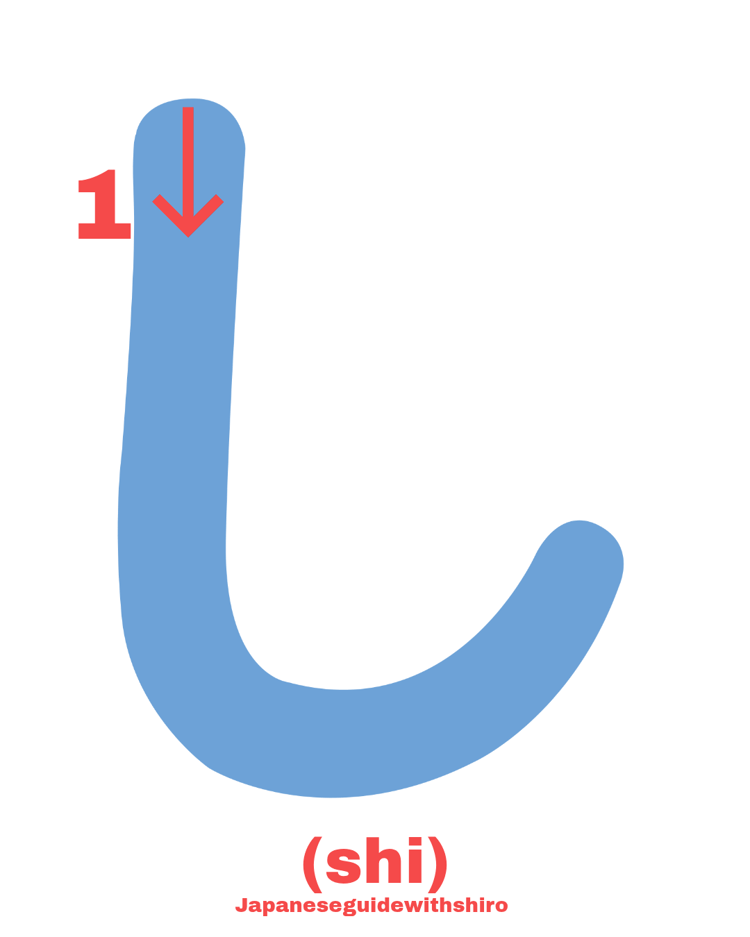
Pronounced “she”. Looks like a smiling face sideways.
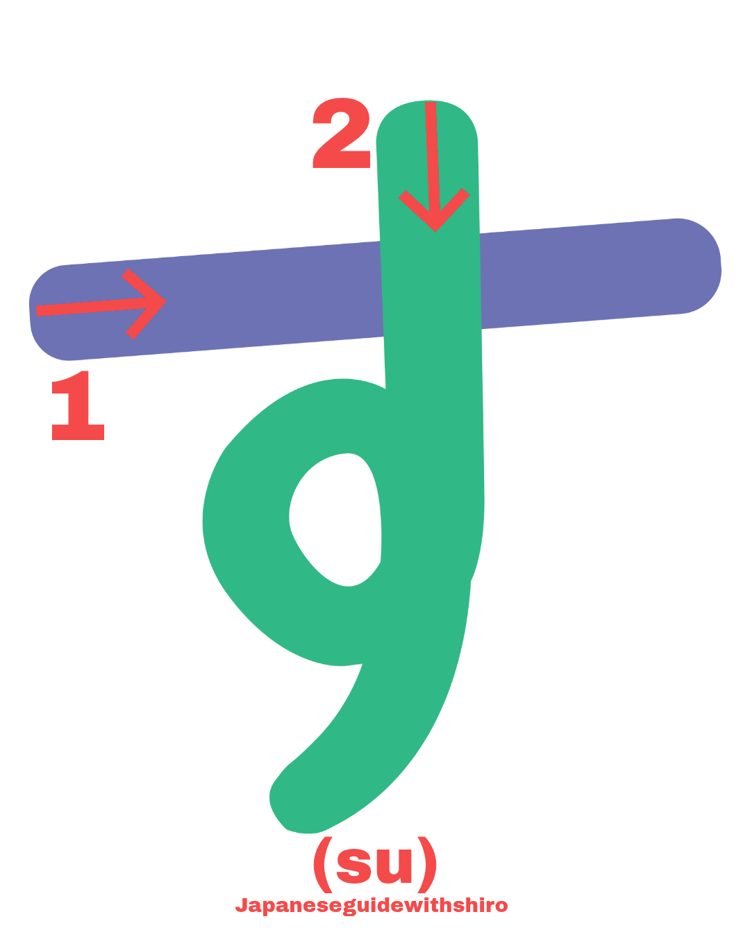
Pronounced “soo”. Looks like a swirl or a needle with thread.
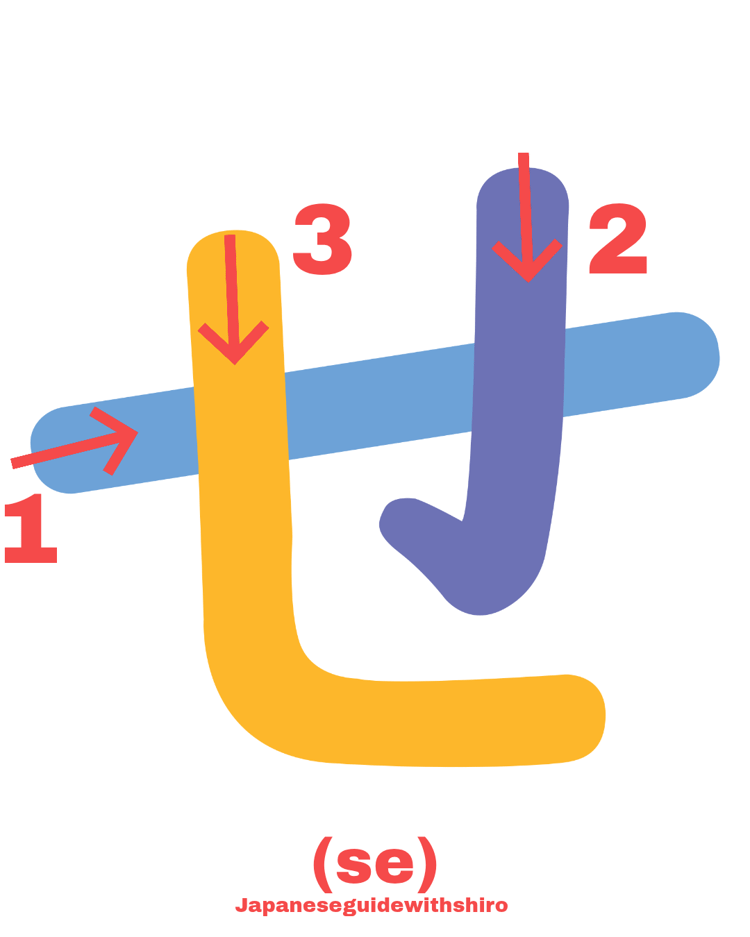
Pronounced “seh”. Looks like a person sitting with legs out.
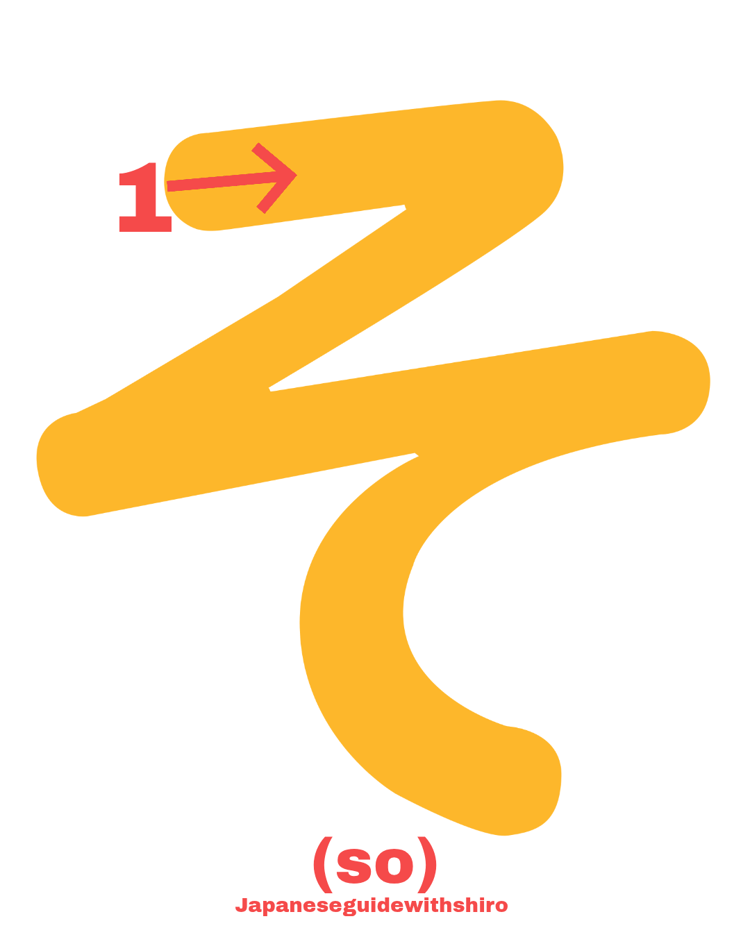
Pronounced “soh”. Looks like a thread or string flowing.
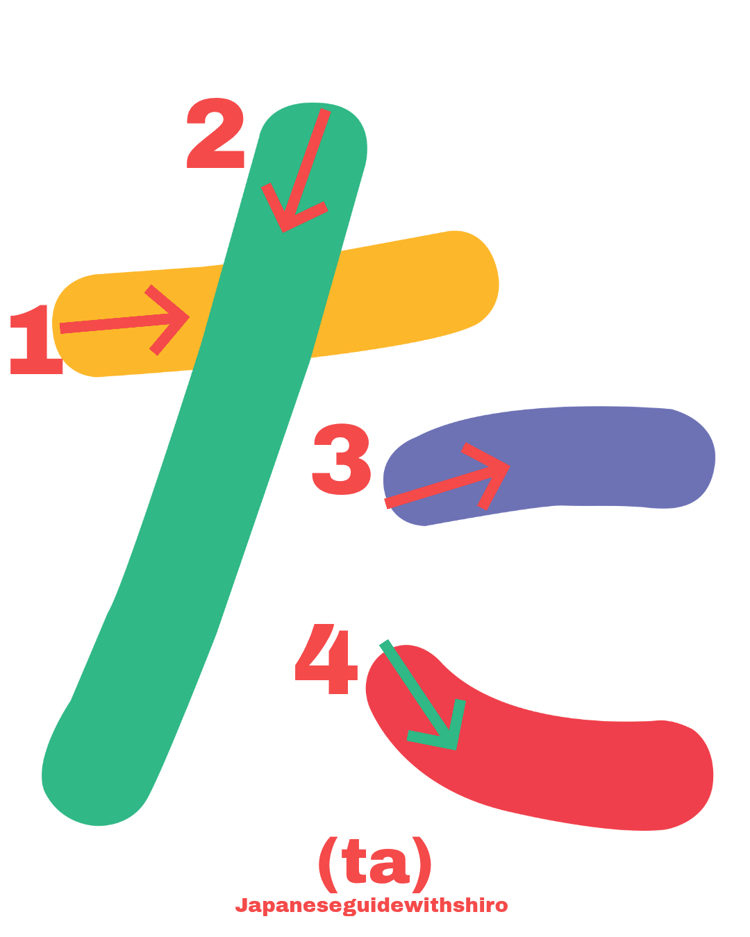
Pronounced “tah”. Looks like a cross with a tail.
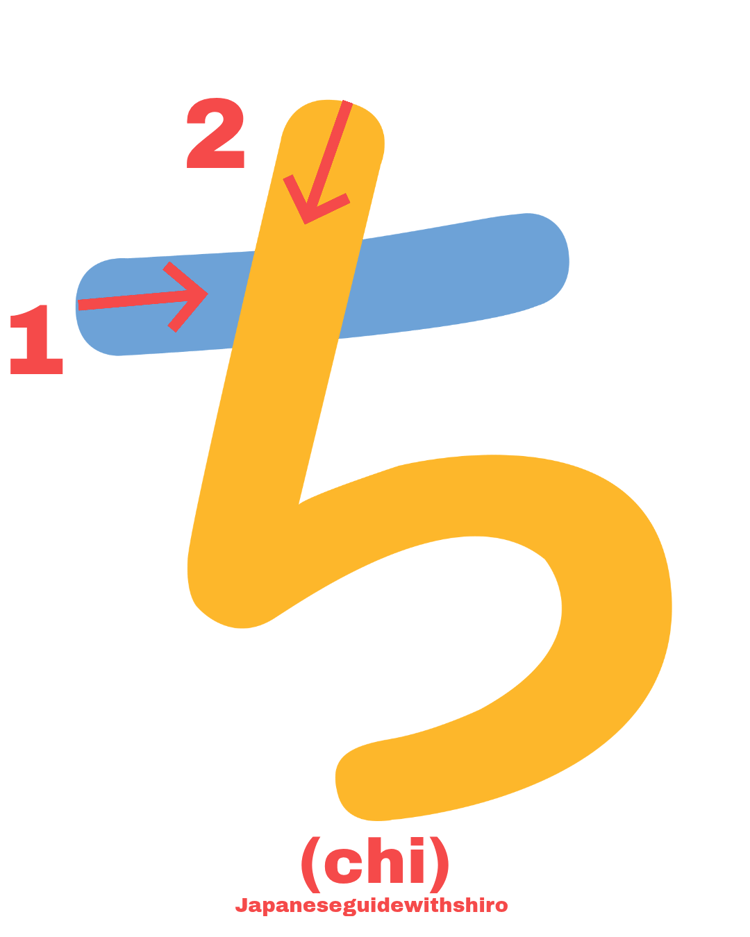
Pronounced “chee”. Looks like a curved shape—like a smiling face.
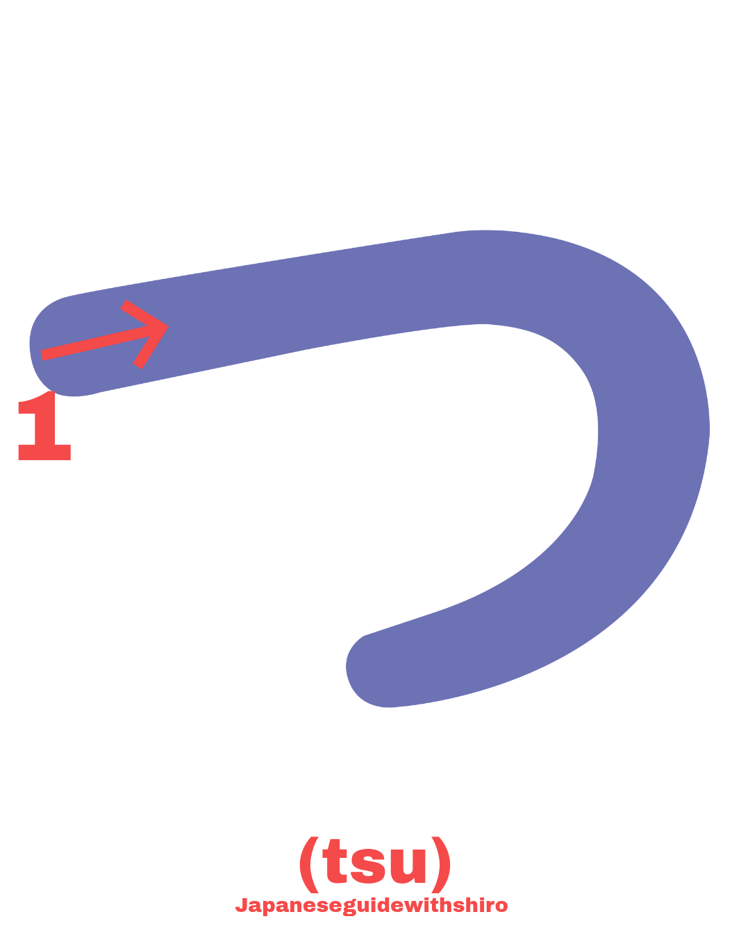
Pronounced “tsu”. Looks like a giant Tsunami wave.
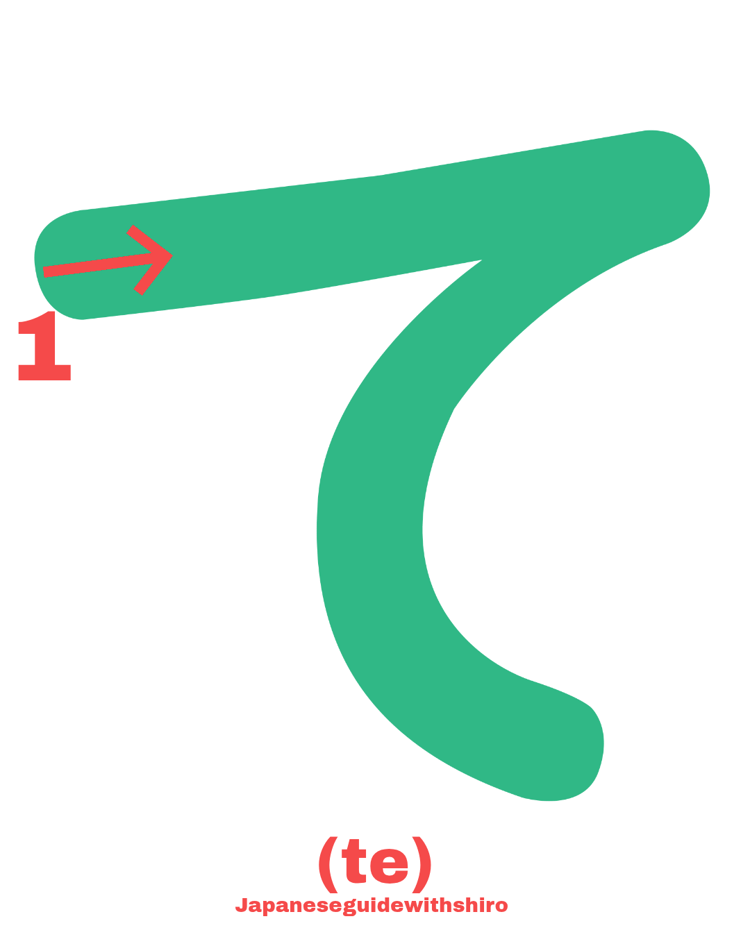
Pronounced “teh”. Looks like a hand reaching out.
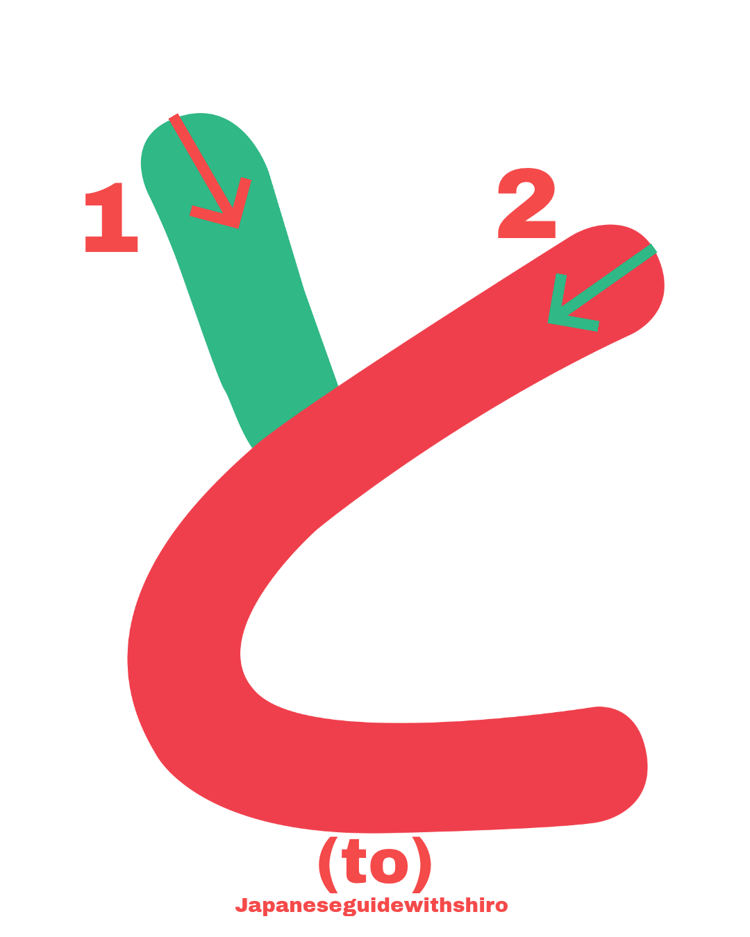
Pronounced “toh”. Looks like a toe or a dot with a line.
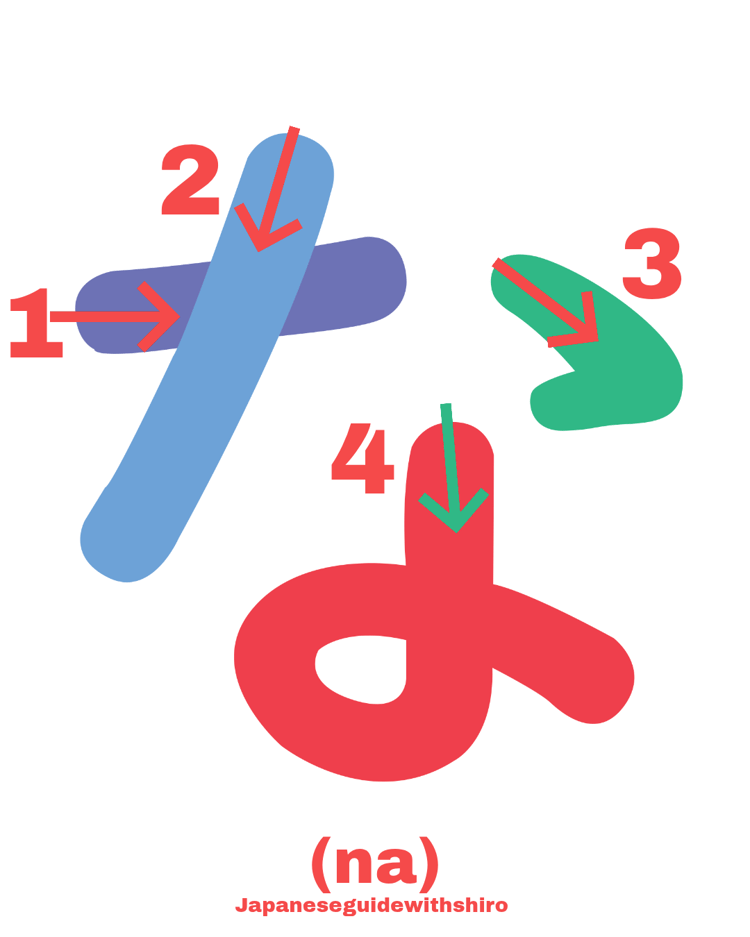
Pronounced “nah”. Looks like a knot or tangled string. Similar to た(ta) but ta doesn't have a knot.
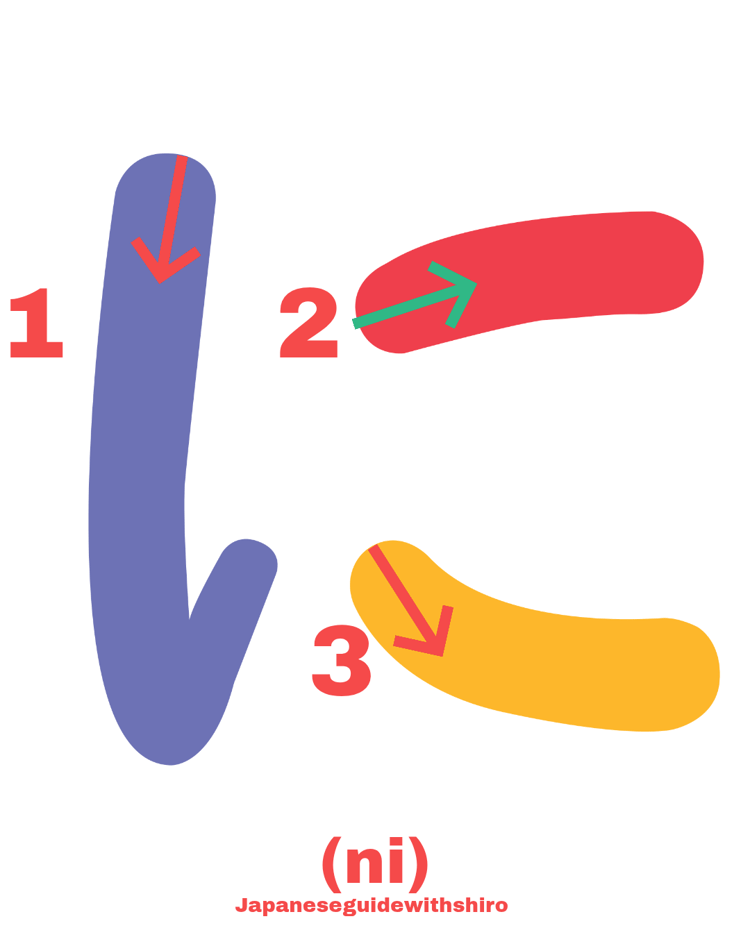
Pronounced “nee”. Looks like A Knee
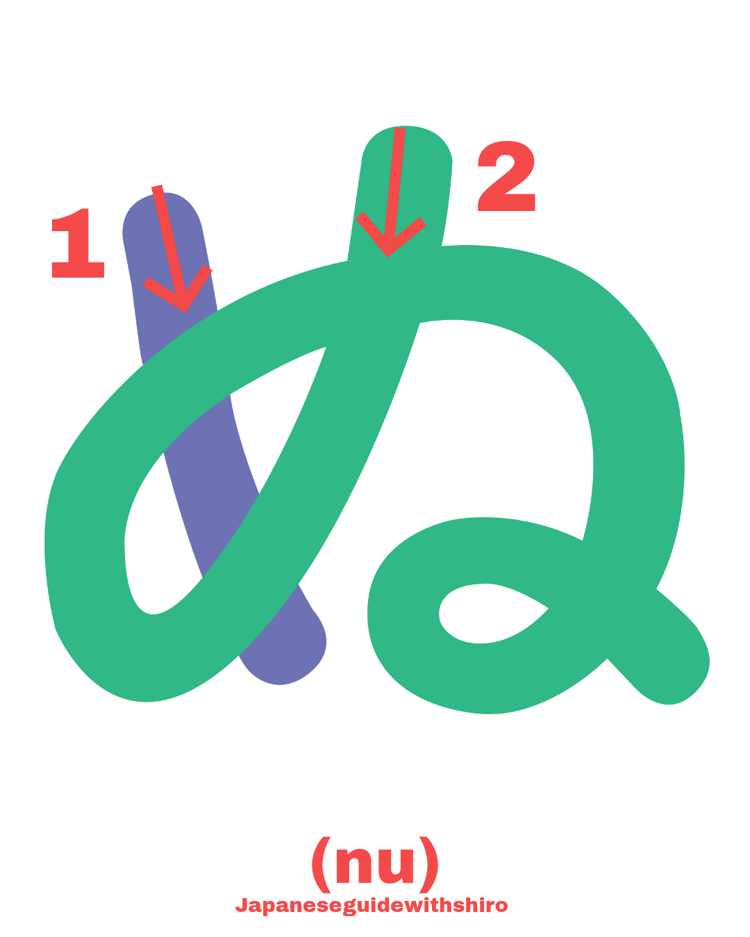
Pronounced “noo”. Looks like Noodles being tangled by chopsticks.
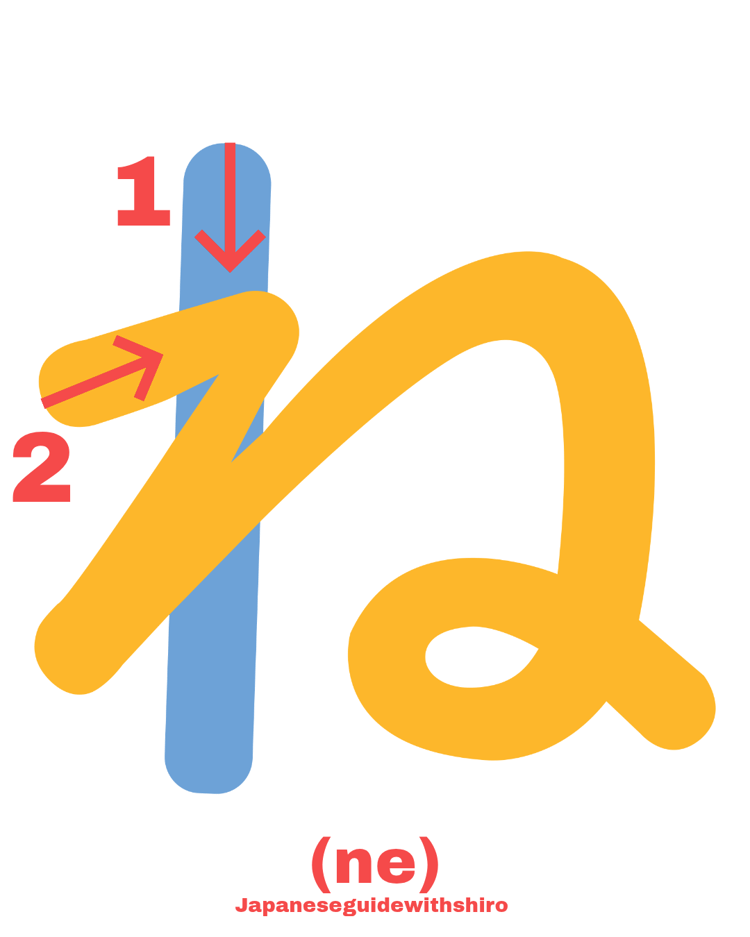
Pronounced “neh”. Looks like a cat with a tail .Try to remember with ぬ(nu)
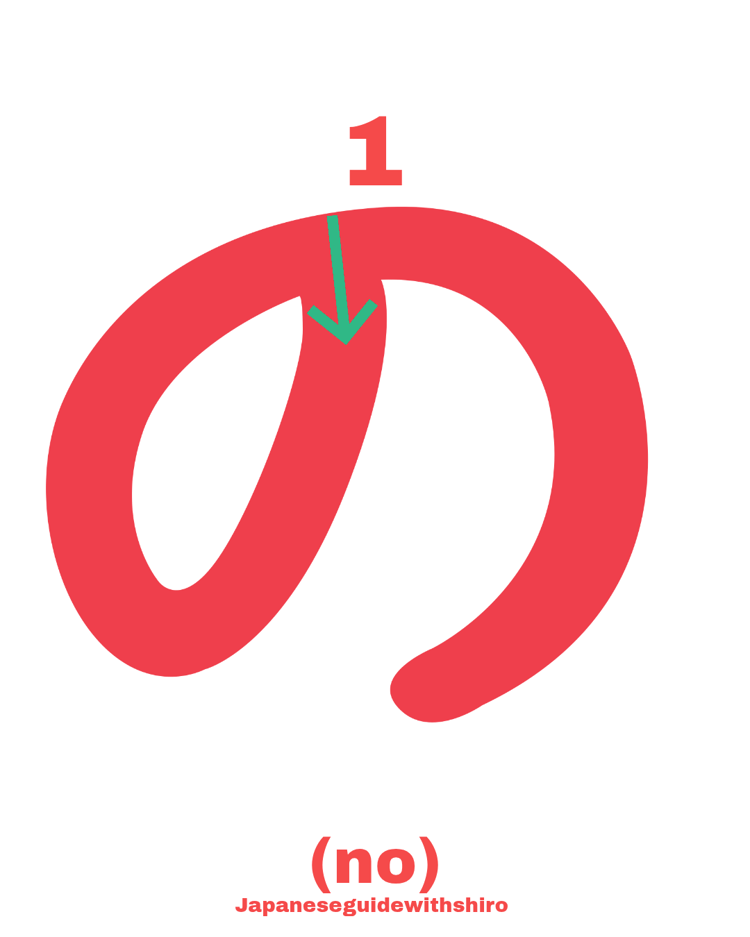
Pronounced “noh”.Look like a big No smoking sign
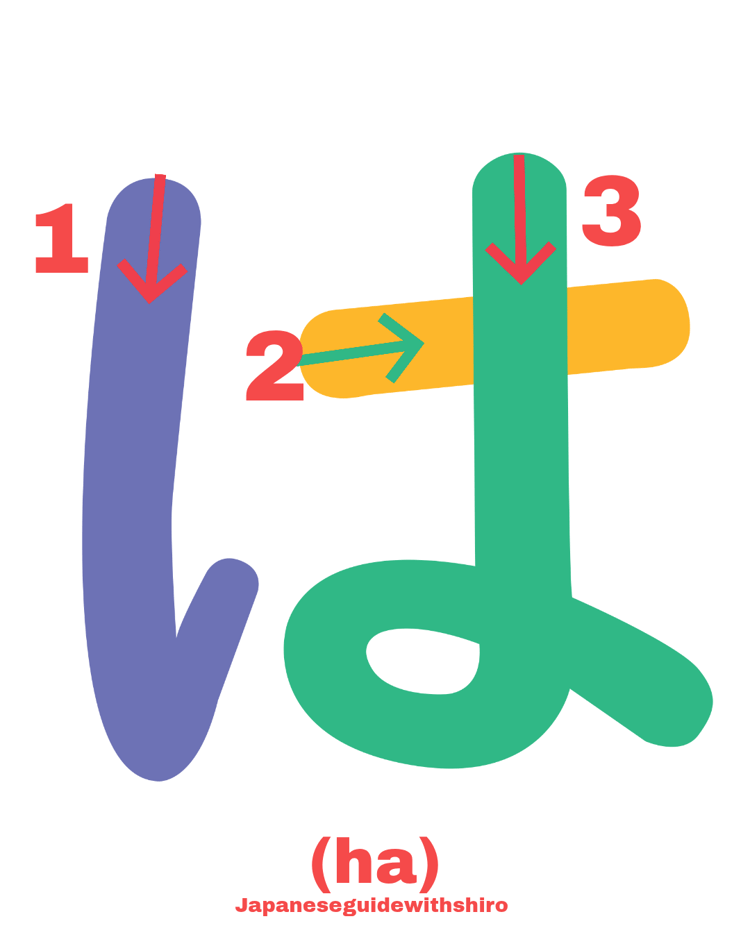
Pronounced “hah”. Looks like a Ha-Ha-Ha laughing face with a big belly.
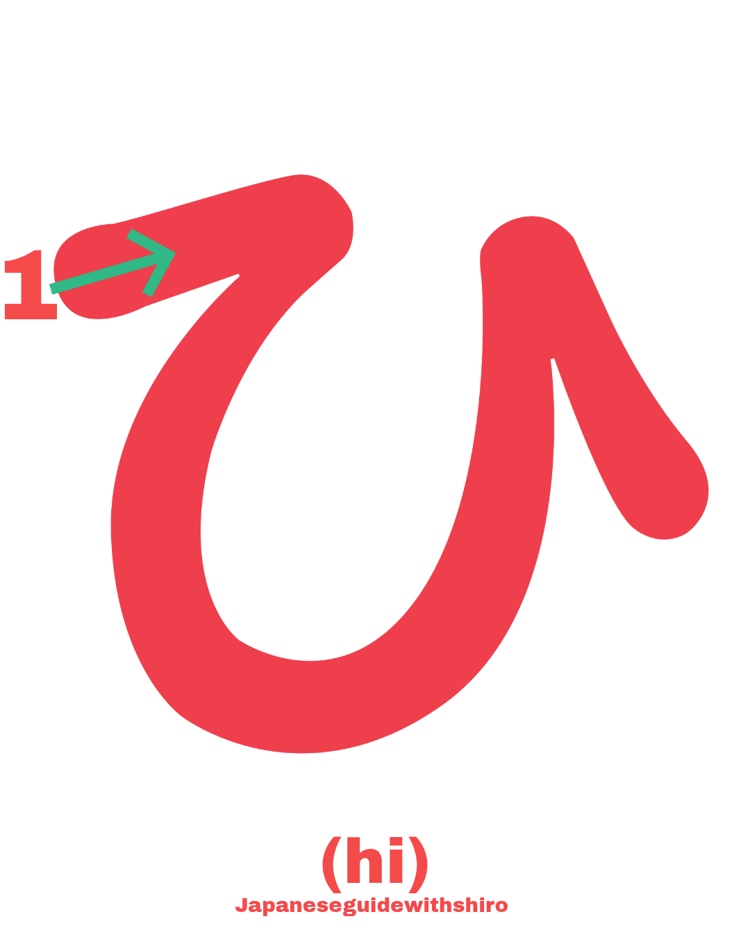
Pronounced “hee”. Looks like a smile or curve.
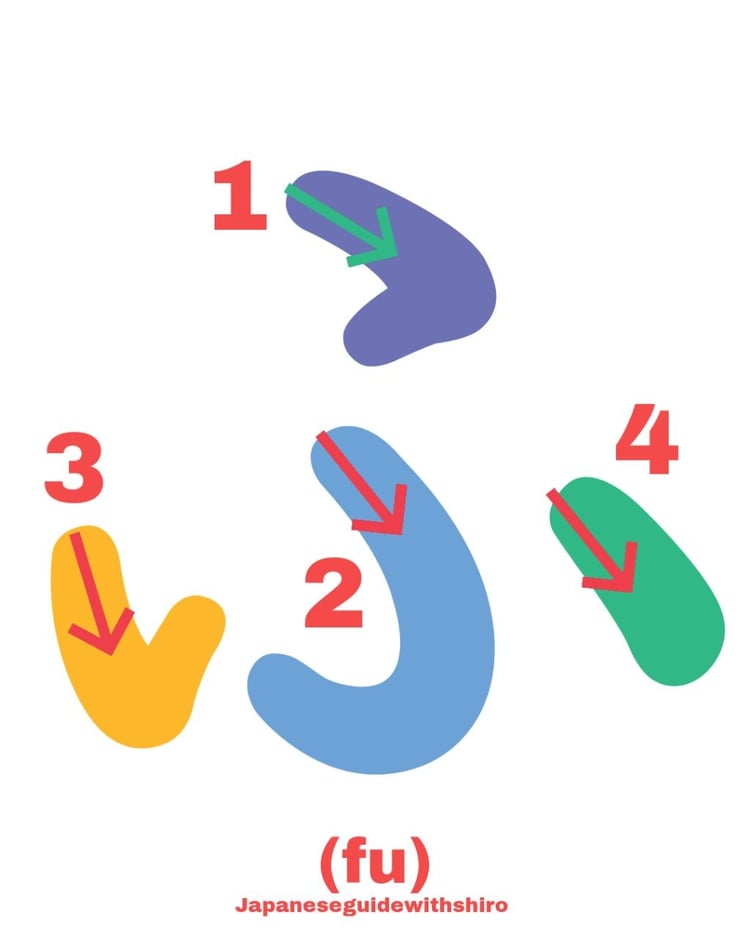
Pronounced “foo”. Looks like Mt. Fuji.
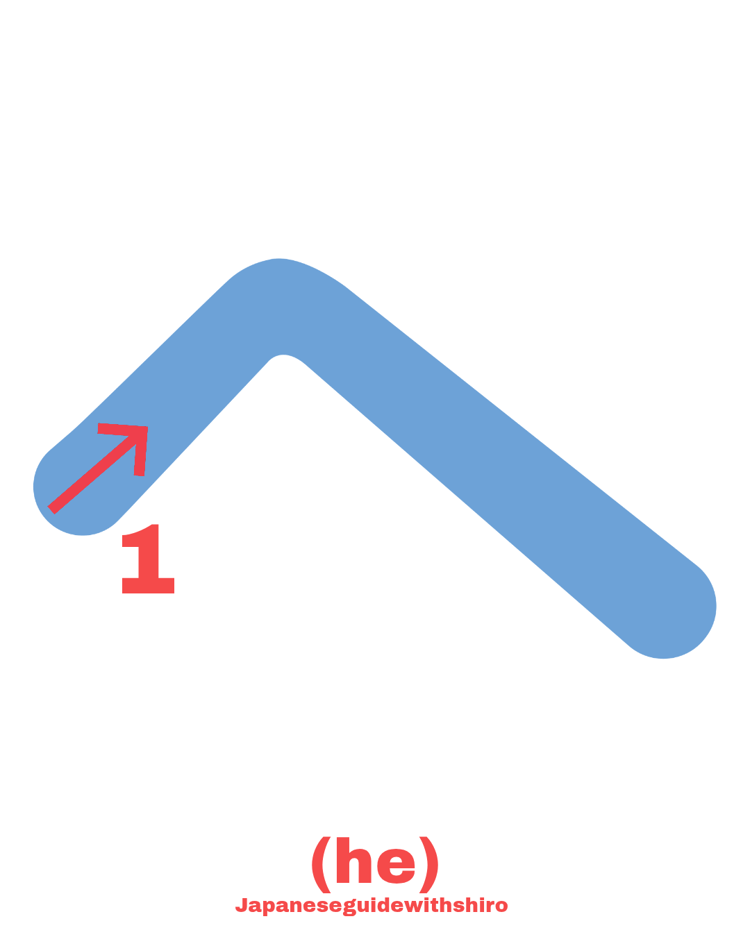
Pronounced “heh”. Looks like a simple mountain shape.
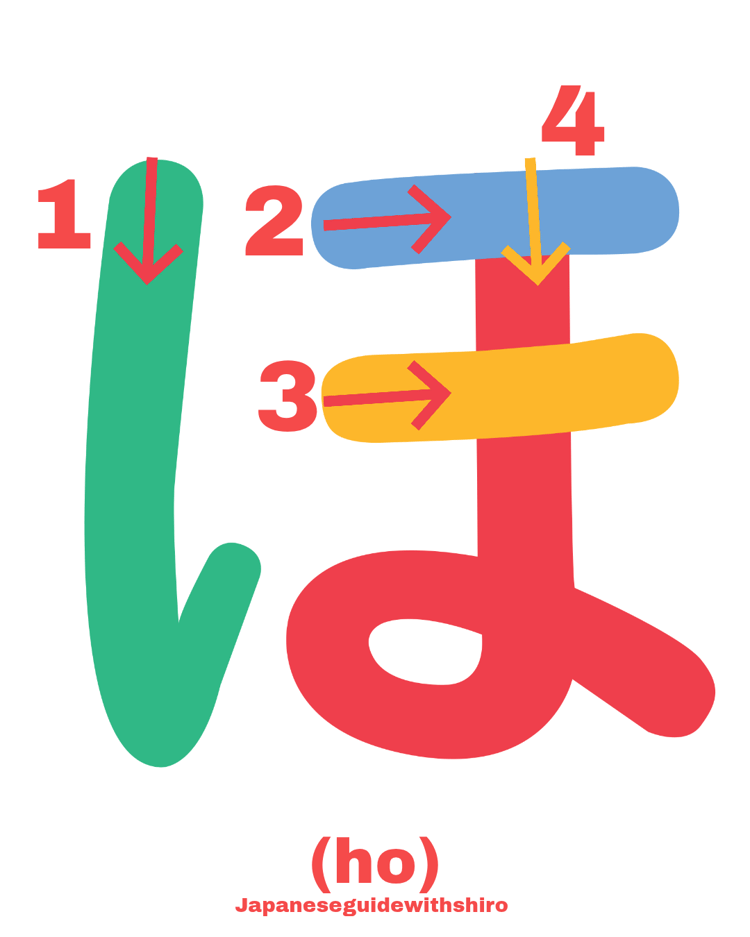
Pronounced “hoh”. Looks like Ha but with a Hot hat on top.pは(ha) =>one line
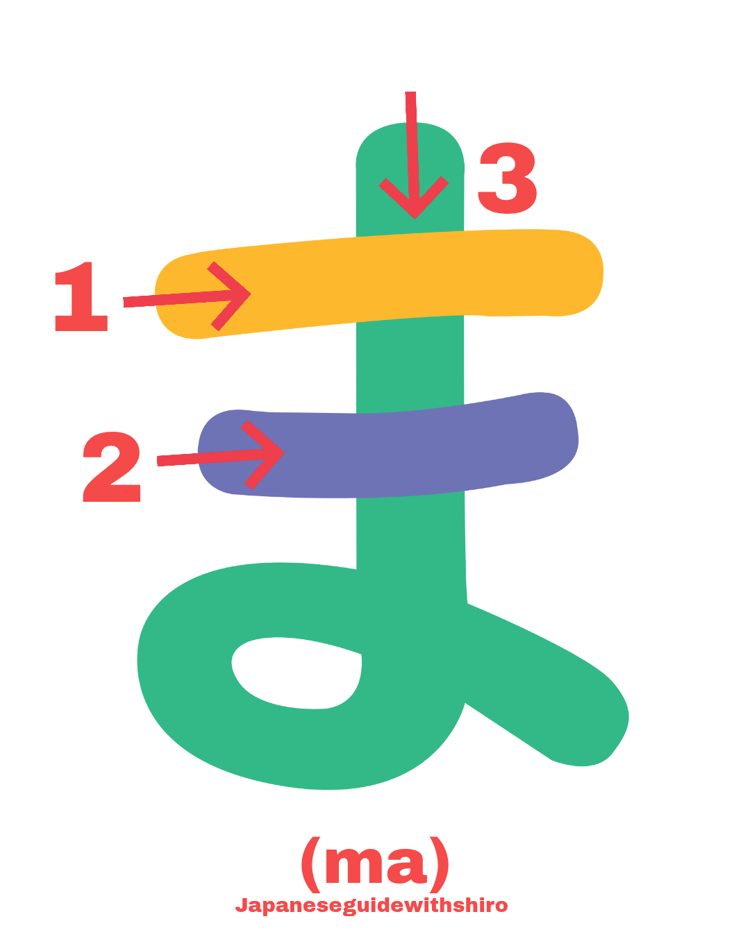
Pronounced “mah”. Looks like a person dancing.
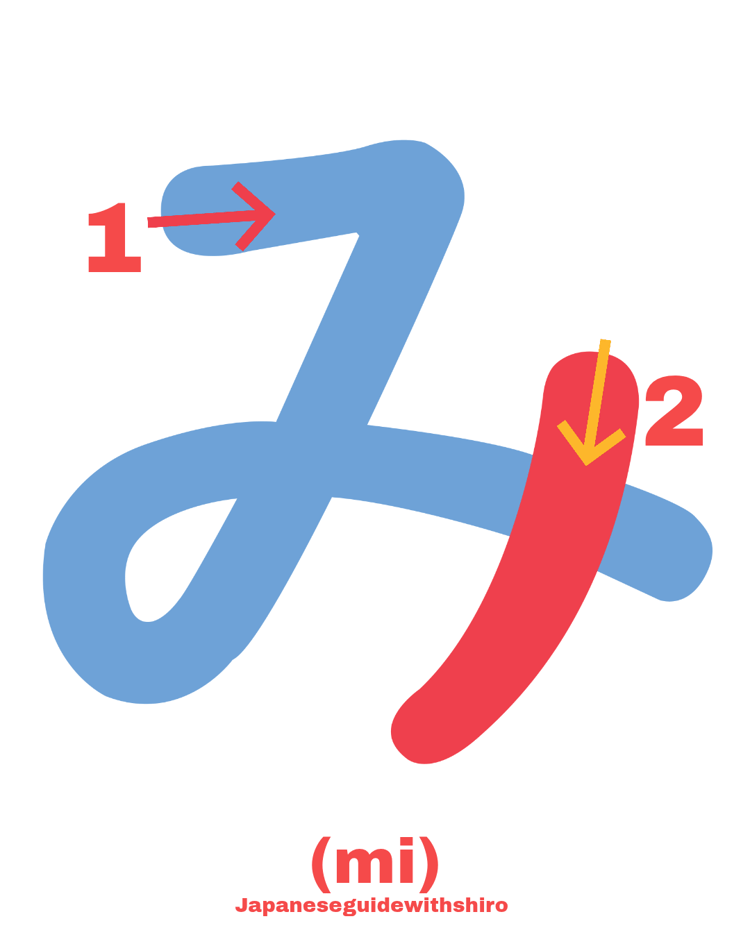
Pronounced “mee”. Looks like a music 🎵.
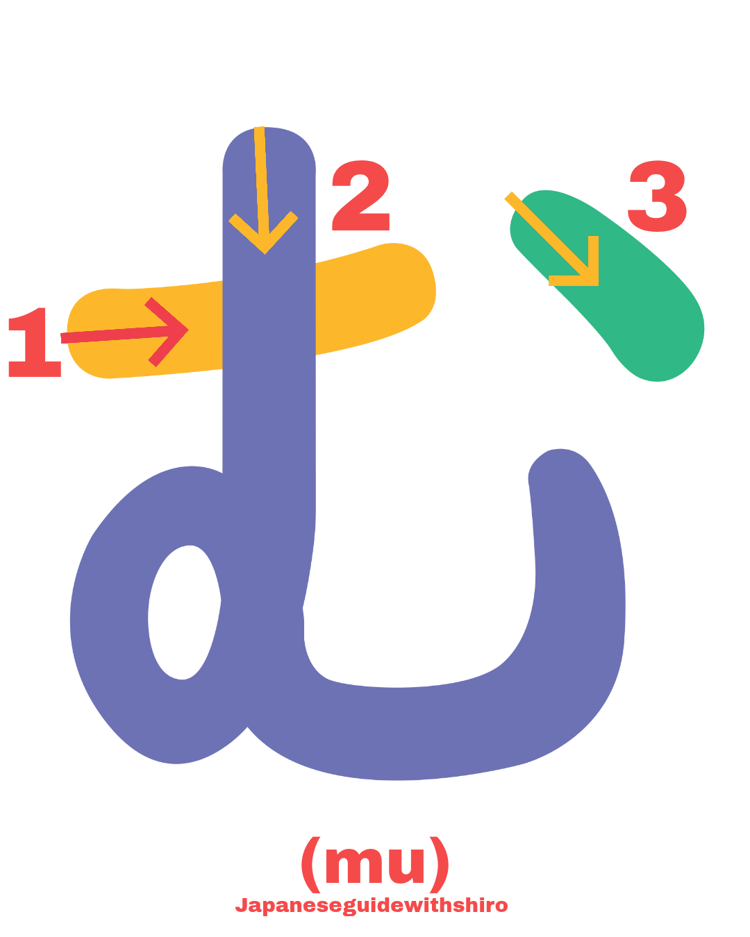
Pronounced “moo”. Looks like a Moo-cow’s head and tail.
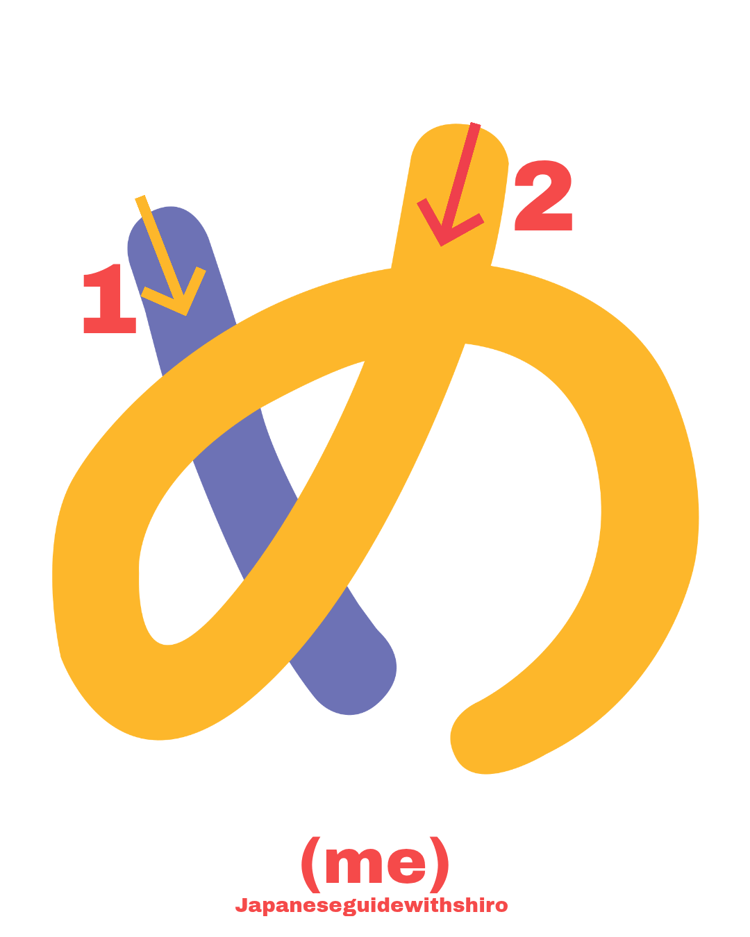
Pronounced “meh”. Looks like with ぬ(nu) but no loop in the end.
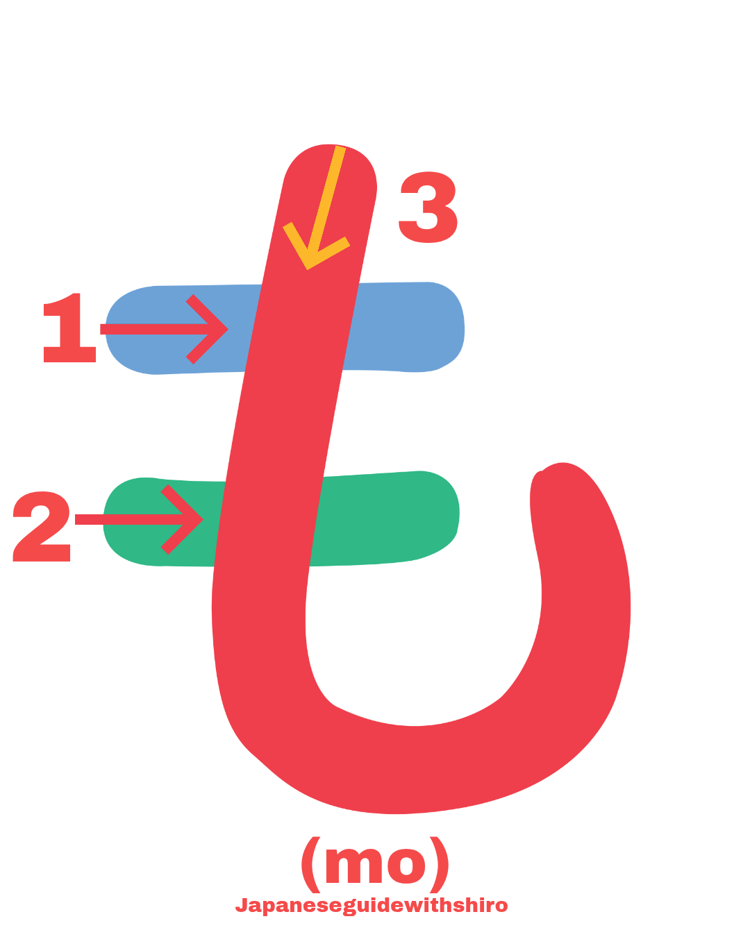
Pronounced “moh”. Looks like a fish hook to catch More fish.
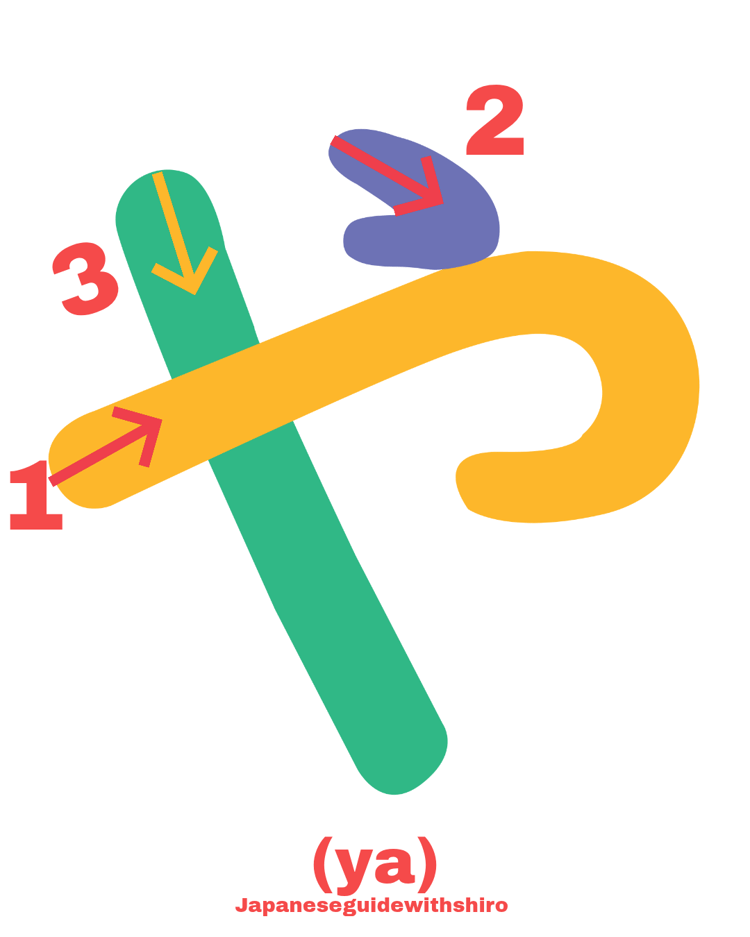
Pronounced “yah”. Looks like a Yacht on the water.
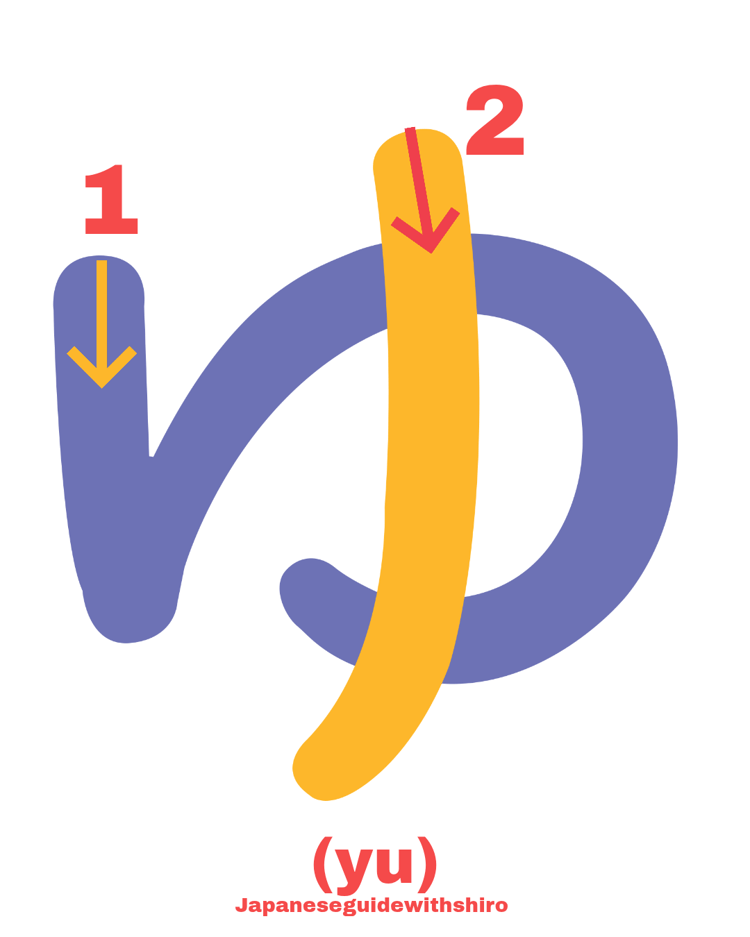
Pronounced “yoo”. Looks like a fish or hook.
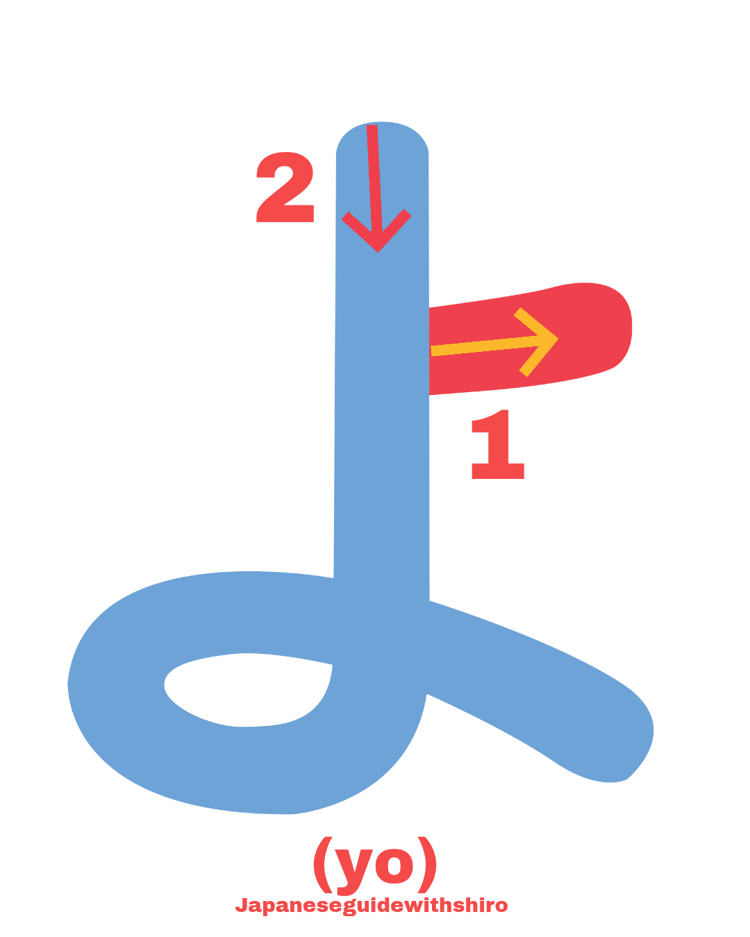
Pronounced “yoh”. Looks like a Y shape.
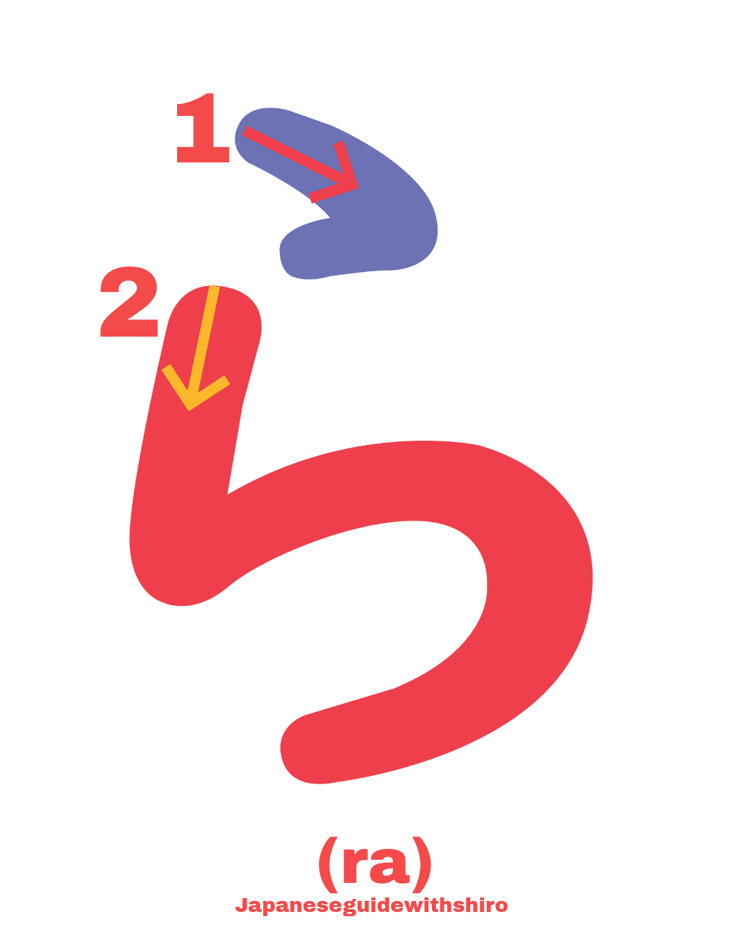
Pronounced “rah”. Looks like the number 5.Try to compare with ち(chi).
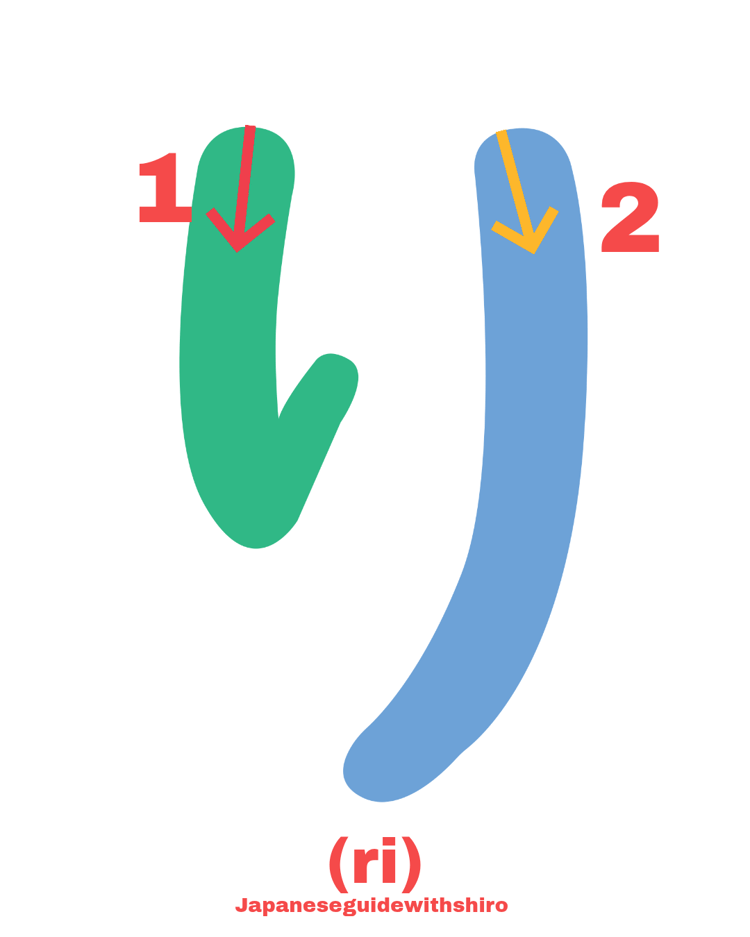
Pronounced “ree”. Looks like two separate strokes.This character is a bit confusing , in textbook version the two lines are connected but separated in handwriting. Try to compare with い(i).
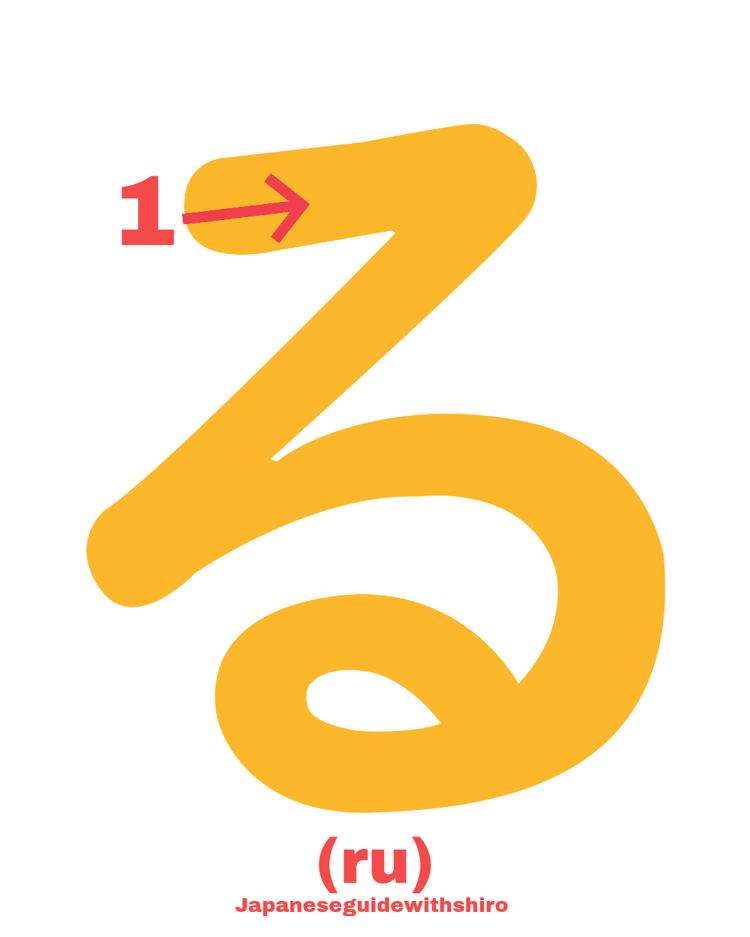
Pronounced “roo”. Looks like a Route with a loop-de-loop at the end.
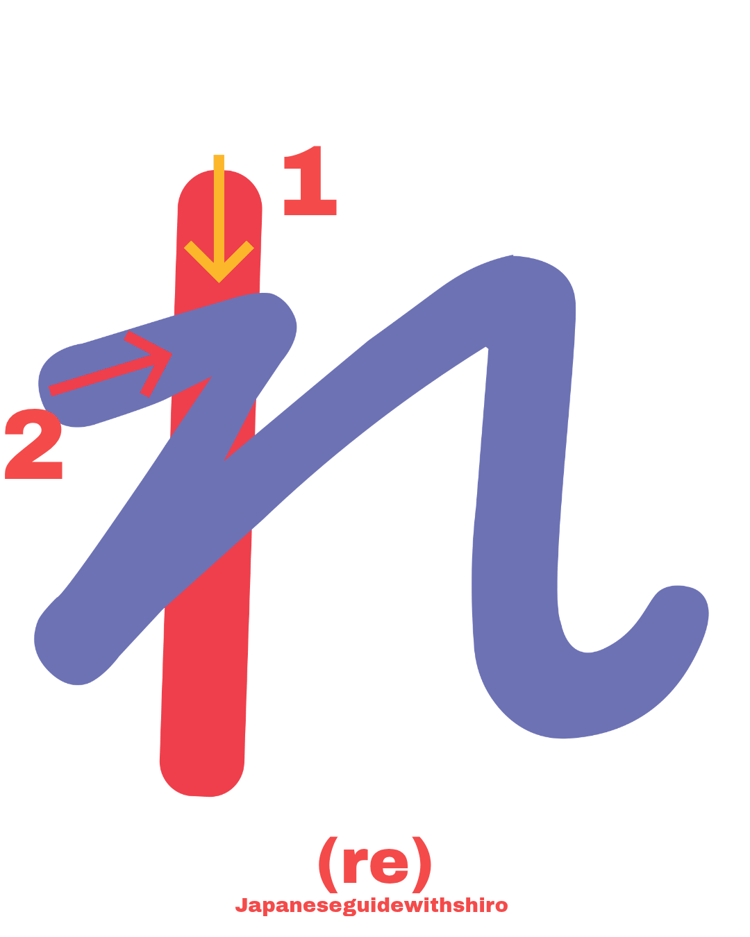
Pronounced “reh”. Looks like a person Retching or a Rested sitting cat.Try to remember together with ね (ne) and わ (wa).
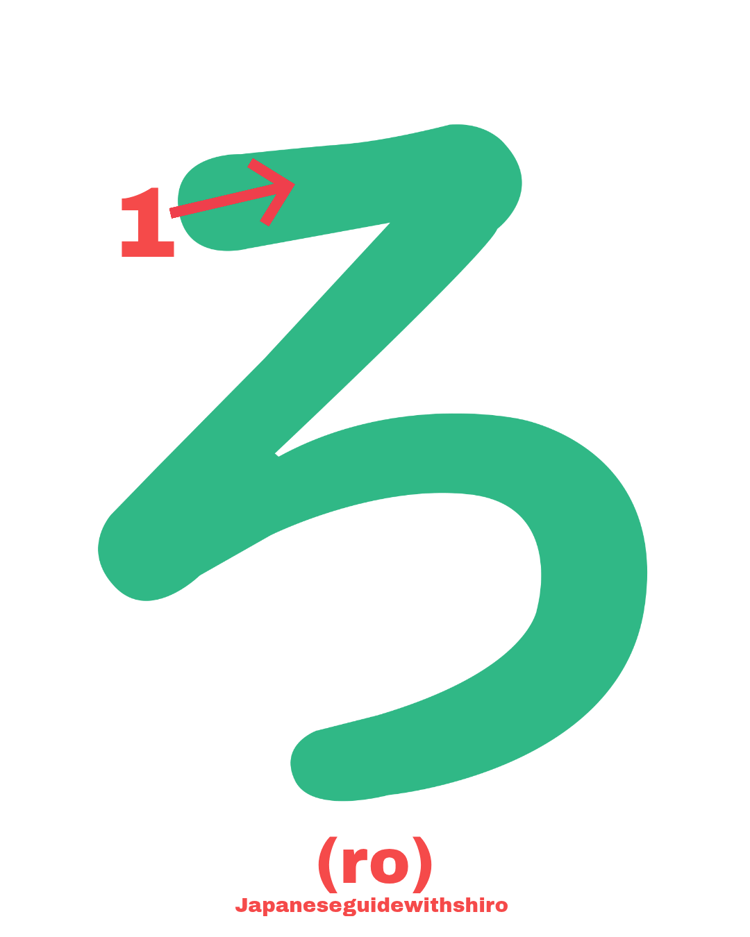
Pronounced “roh”. Looks Like number 3 . Similar to る(ru) but no loop.
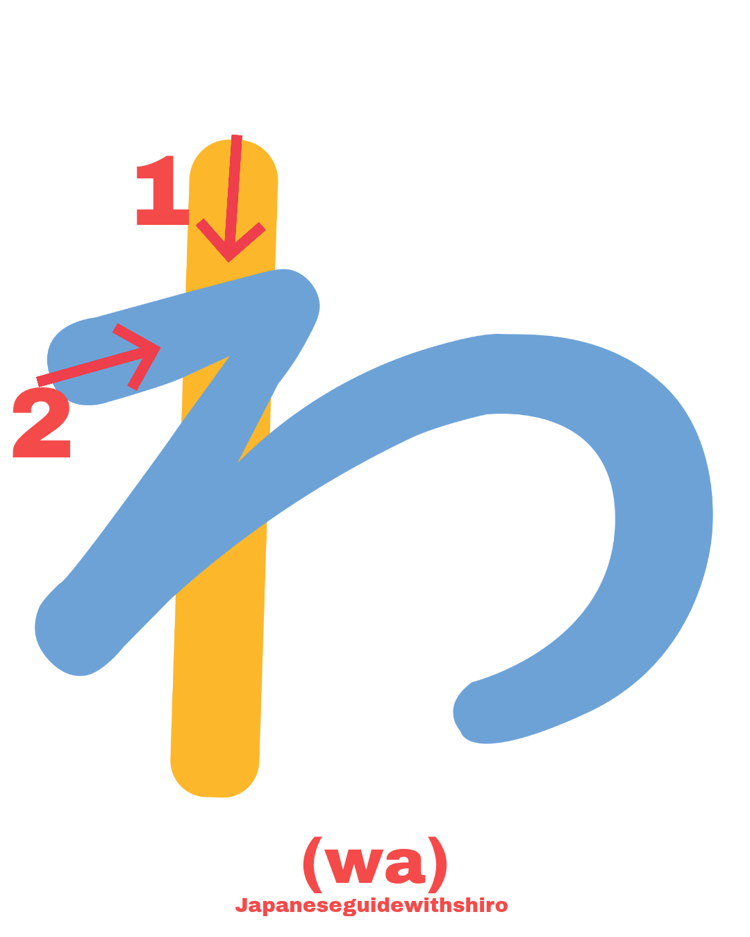
Pronounced “wah”.Look like A Wasp flying.Try to remember together with ね (ne) and れ (re).
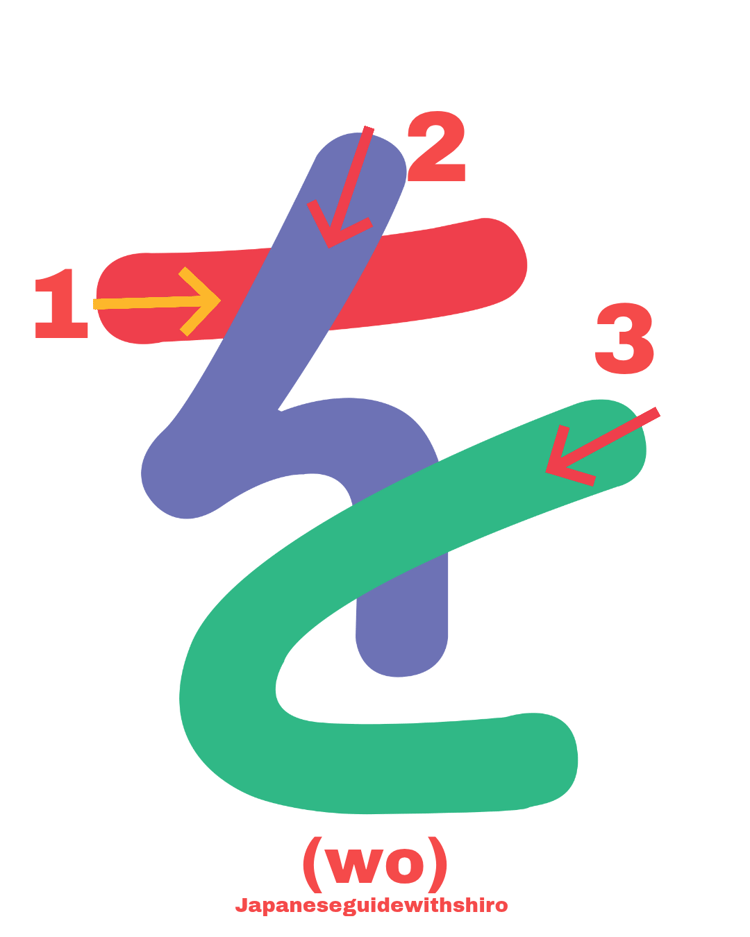
Pronounced “oh” . Looks like a person jumping Over a hurdle.
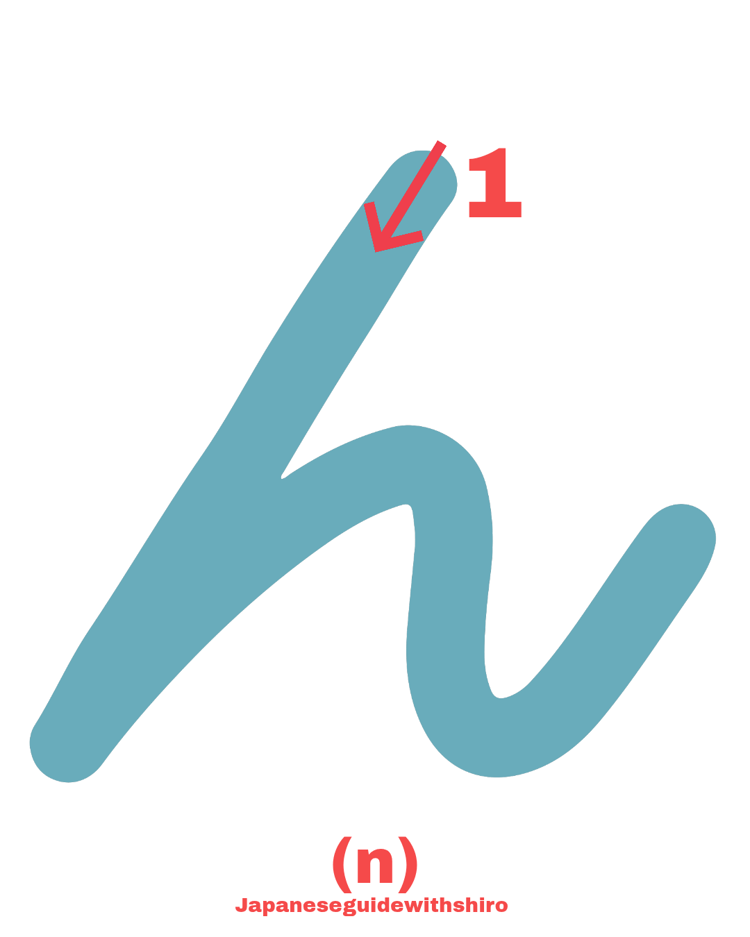
Pronounced “n”. Looks like English character h.
You’ve now seen every character in the Hiragana alphabet! Don’t try to memorize them all in one hour. Use these visual "stories" to help the shapes stick in your mind.
Stop forgetting what you learn!
Reading Hiragana is one thing, but remembering it is another. My Hiragana Practice Workbook uses a proven blend of writing practice and active recall quizzes. Instead of just staring at charts, you’ll be solving puzzles and learning real-world Japanese vocabulary.
[Download HIRAGANA and KATAKANA bundle practice Sheet]
Learning a new script is the bravest first step in learning Japanese. Keep practicing, and soon you'll be reading full sentences!