
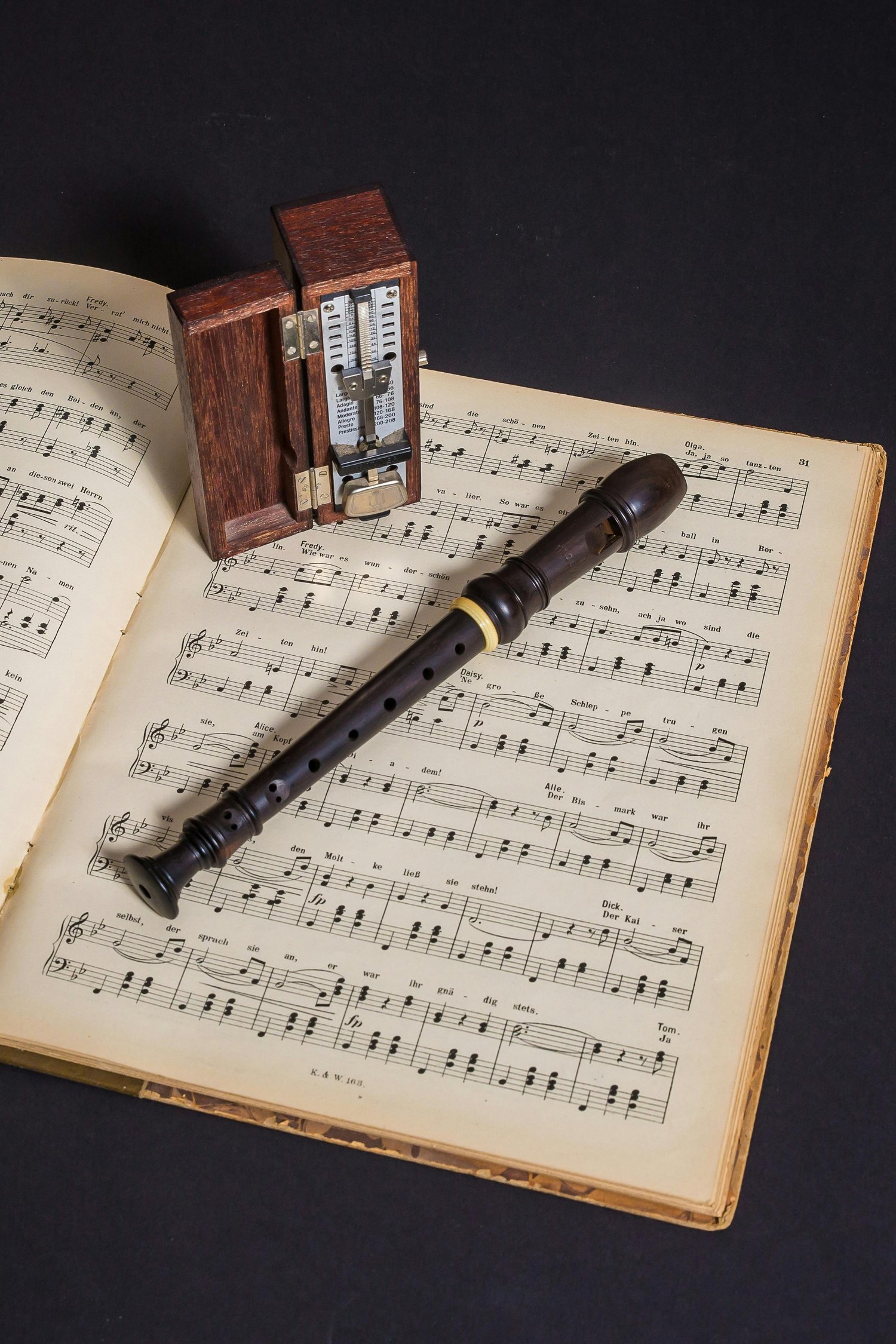
Most people’s relationship with the recorder begins and ends with a plastic tube in a primary school classroom. For me, it was the start of a lifelong musical connection.
The recorder is the only instrument I play with genuine fluency—aside from a lifetime of choral singing and some functional "one-handed" piano. My perspective on music has been shaped by years in choirs, participating in festivals from local community gatherings to international stages. As a composer, my journey is still relatively young, and I find myself constantly looking back to the Great Masters of the past for my "North Star."
I’ve often wondered why so much modern music tries to reinvent the wheel. I find myself aligned with the philosophy of film composers: they understand that for music to connect, it needs a foundation in the tonal traditions of the "Beethovens" of this world.
Bridging the "Missing Middle" I’ve noticed a "missing middle" in the recorder repertoire. We have the towering Baroque masters, and then we have the modern extremes: either highly academic, avant-garde works or pop transcriptions that don't quite fit the instrument's soul. My mission is to provide:
- Substantial, Tonal Works: Pieces like Morning in a Glade (https://payhip.com/b/LP1pX) that embrace the "creamy" middle-register of the recorder family.
- Historical Respect: Arrangements like Allegri’s Miserere (https://payhip.com/b/cV34Q) that use specific instrumentation (like the Sopranino) to preserve the original’s atmospheric power.
- The Masterwork Standard: I believe community ensembles deserve music that is both disciplined and joyful to play. This means clean engraving, logical layouts, and a "Director-First" approach to every score.
The recorder isn't a "starter" instrument; it’s a vessel for discipline and spatial beauty. I’m excited to share these new resources with the community.