

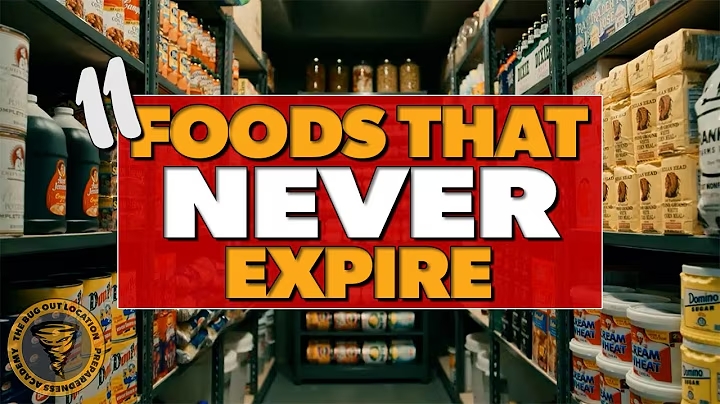
When disaster strikes, having adequate food supplies can mean the difference between thriving and merely surviving. Yet most emergency food storage approaches focus solely on calories and shelf life while ignoring nutritional quality. This shortsighted strategy can leave families vulnerable to malnutrition, weakened immune systems, and decreased ability to handle stress during critical times.
Building a comprehensive emergency food storage system requires balancing longevity, nutrition, cost, and practicality. The goal isn't just to have enough calories to prevent starvation, but to maintain health and energy levels that allow you to think clearly, work effectively, and care for your family during extended emergencies.
Understanding which foods store well while retaining their nutritional value, how to properly preserve and rotate your supplies, and how to create balanced meals from shelf-stable ingredients transforms emergency preparedness from a survival strategy into a sustainable lifestyle approach.
Understanding Long-Term Nutrition Needs
During emergencies, your body's nutritional needs don't decrease—they often increase due to stress, physical demands, and potential exposure to illness. However, most commercial emergency food kits provide primarily refined carbohydrates with minimal protein, healthy fats, vitamins, and minerals.
Chronic stress, which is inevitable during extended emergencies, depletes certain nutrients more rapidly than normal. Vitamin C, B vitamins, magnesium, and zinc become particularly important for maintaining immune function and managing stress responses. Planning your emergency food storage to address these increased needs prevents nutritional deficiencies that could compromise your family's health when medical care might be unavailable.
Protein needs remain constant or increase during stressful periods, as your body requires amino acids for tissue repair, immune function, and neurotransmitter production. Quality protein sources become critical for maintaining strength, mental clarity, and emotional stability.
Essential fatty acids, particularly omega-3s, support brain function, reduce inflammation, and help regulate stress hormones. Many emergency foods are virtually devoid of these crucial nutrients, making their inclusion a priority in comprehensive food storage planning.
Fiber intake often drops dramatically when people rely on emergency foods consisting primarily of white rice, refined pasta, and processed foods. This can lead to digestive problems, blood sugar instability, and reduced satiety, all of which compound the challenges of emergency situations.
Grains and Starches: The Foundation
Whole grains form the foundation of most emergency food storage systems because they provide calories, some protein, and essential nutrients while storing well for extended periods. However, choosing the right grains and storing them properly makes a significant difference in both nutrition and longevity.
White rice stores exceptionally well, lasting 10-30 years when properly packaged, but provides mostly empty calories with minimal nutrition. Brown rice offers superior nutrition but has a shorter storage life of 2-6 years due to its oil content. A compromise involves storing primarily white rice for very long-term storage while rotating smaller amounts of brown rice for better nutrition during shorter-term situations.
Wheat berries represent one of the most economical and nutritious long-term storage grains. When ground fresh, they provide significantly more nutrition than store-bought flour, which loses nutrients rapidly after milling. Hard red wheat berries store for 10-30 years and can be used for bread, sprouting, or cooked whole as a cereal grain.
Oats store well for 2-8 years and provide superior nutrition compared to many other grains. Steel-cut oats store longer than rolled oats due to less processing, while maintaining better texture and nutritional value. Oats provide beta-glucan fiber, which supports heart health and helps stabilize blood sugar.
Quinoa offers complete protein and stores for 2-3 years under proper conditions. While more expensive than traditional grains, its nutritional density makes it valuable for emergency storage, particularly for families with higher protein needs or dietary restrictions.
Barley and buckwheat provide nutritional variety and store well for 2-8 years. Both offer unique nutrient profiles and can be used in soups, stews, or as grain-based side dishes.
Proper grain storage involves using airtight containers with oxygen absorbers or dry ice to eliminate insects and prevent oxidation. Food-grade buckets with gamma seal lids provide excellent long-term storage while allowing easy access for rotation.
Protein Sources: Beyond Canned Meat
While canned meats provide convenient protein, relying solely on animal proteins limits your options and can become expensive. Diversifying protein sources ensures better nutrition, lower costs, and accommodation of various dietary needs.
Dried legumes offer exceptional protein value and storage longevity. Black beans, pinto beans, chickpeas, lentils, and split peas can store for 10-20 years when properly preserved. They provide not only protein but also fiber, complex carbohydrates, and essential minerals like iron and folate.
Lentils deserve special attention for emergency storage because they cook quickly without soaking, making them practical when fuel for cooking might be limited. Red lentils cook in just 15-20 minutes and break down to create hearty, protein-rich sauces and soups.
Canned legumes provide convenience and shorter cooking times, though they're more expensive and bulky than dried versions. They store for 2-5 years and can be eaten cold if necessary, making them valuable for situations where cooking might be challenging.
Nuts and seeds provide protein along with essential fatty acids and fat-soluble vitamins. Almonds, walnuts, sunflower seeds, and pumpkin seeds store well in cool, dry conditions for 1-2 years. Vacuum sealing or freezing before storage extends their shelf life significantly.
Peanut butter and other nut butters store well for 2-5 years and provide concentrated protein, healthy fats, and calories. Natural nut butters without added oils typically store longer than commercial varieties with added stabilizers.
Canned fish like salmon, sardines, and mackerel provide high-quality protein along with omega-3 fatty acids often lacking in emergency diets. These foods store for 2-5 years and can be eaten directly from the can if necessary.
Textured vegetable protein (TVP) made from soybeans provides complete protein in a lightweight, shelf-stable form. It stores for 5-10 years and rehydrates quickly, making it practical for emergency situations.
Fats and Oils: Essential but Challenging
Fats and oils present unique storage challenges because they're prone to rancidity, yet they're essential for health, satiety, and cooking. Strategic selection and proper storage methods ensure adequate fat intake during emergencies.
Coconut oil stores exceptionally well due to its high saturated fat content, remaining stable for 2-3 years even at room temperature. It provides medium-chain triglycerides that offer quick energy and may support immune function.
Ghee (clarified butter) stores well without refrigeration for 6-12 months and provides fat-soluble vitamins along with familiar flavor for cooking and baking. It can be made at home from regular butter, extending storage life significantly.
Olive oil in dark bottles stores for 2-3 years in cool, dark conditions. Extra virgin olive oil provides antioxidants and monounsaturated fats that support cardiovascular health.
Canned butter and freeze-dried butter powder offer alternatives to fresh butter for long-term storage. These products store for 5-25 years and provide familiar flavors for baking and cooking.
Nuts and seeds serve double duty as both protein and fat sources. Their natural oils provide essential fatty acids, though proper storage becomes critical to prevent rancidity.
Storing fats properly involves keeping them cool, dark, and sealed from oxygen. Vacuum sealing portions of oil or using smaller containers limits exposure to air each time you access your supplies.
Fruits and Vegetables: Preventing Scurvy and More
Maintaining adequate vitamin and mineral intake during emergencies requires careful planning, as fresh produce has limited storage life. However, multiple preservation methods allow you to store fruits and vegetables for extended periods while retaining much of their nutritional value.
Dried fruits provide concentrated nutrition and natural sweetness while storing for 1-2 years in proper conditions. Raisins, dried apricots, dates, and dried apples supply vitamins, minerals, and natural sugars that can boost morale during difficult times. Choose unsulfured varieties when possible to avoid preservatives.
Canned fruits and vegetables store for 2-5 years and provide essential vitamins and minerals. While canning reduces some vitamin content, many nutrients remain stable. Canned tomatoes retain lycopene, canned pumpkin provides beta-carotene, and canned citrus supplies vitamin C.
Freeze-dried fruits and vegetables offer the best nutritional retention among preservation methods, storing for 10-25 years while maintaining much of their original vitamin and mineral content. Though more expensive initially, their long shelf life and nutritional density make them cost-effective for long-term storage.
Dehydrated vegetables like onions, carrots, celery, and peppers store well and add flavor and nutrition to stored grains and legumes. These ingredients transform bland emergency foods into appealing meals while providing essential nutrients.
Sprouting seeds deserve special attention as they provide fresh nutrition from shelf-stable sources. Alfalfa, mung bean, broccoli, and wheatgrass seeds can be sprouted year-round to provide fresh vitamins, minerals, and enzymes. Sprouting increases vitamin C content significantly, making this an important strategy for preventing deficiency diseases.
Vitamin C sources require particular attention since this vitamin degrades quickly and deficiency leads to scurvy within months. Rose hips, dried citrus peels, sauerkraut, and vitamin C tablets ensure adequate intake when fresh fruits aren't available.
Fermented Foods: Probiotics for Resilience
Fermented foods provide beneficial bacteria that support immune function and digestive health, both crucial during stressful periods when illness risk increases. Many fermented foods store well and can be prepared from basic ingredients.
Sauerkraut stores for months without refrigeration when properly fermented and provides vitamin C, probiotics, and fiber. It can be made from just cabbage and salt, making it an accessible preservation method for fresh vegetables.
Dried fermented vegetables like kimchi powder or fermented vegetable blends provide probiotics in shelf-stable forms. These can be rehydrated or used as seasonings to add beneficial bacteria to other foods.
Fermented grain and legume products like tempeh, miso paste, and fermented bean pastes provide both protein and probiotics while storing well at room temperature for months or years.
Yogurt powder and kefir grains allow you to create fresh fermented dairy products from stored milk powder, providing probiotics and familiar flavors during emergencies.
Fermentation supplies including salt, fermentation weights, and basic knowledge enable you to ferment fresh vegetables when available, extending their storage life while increasing nutritional value.
Water Storage and Purification
Food storage means little without adequate water supplies, as dehydration becomes life-threatening much faster than starvation. Water needs increase during emergencies due to stress, physical activity, and potential exposure to heat or illness.
Water storage requires one gallon per person per day minimum, with additional amounts needed for cooking, hygiene, and medical needs. Food-grade water containers, water barrels, and water storage tanks provide options for different storage capacities and situations.
Water rotation prevents stagnation and contamination. Even properly stored water should be rotated every 6-12 months to maintain quality and taste.
Water purification methods ensure safe drinking water from questionable sources. Water filters, purification tablets, UV sterilizers, and boiling provide different options for various situations and contamination types.
Electrolyte replacement becomes important during extended emergencies, particularly in hot weather or during illness. Sea salt, electrolyte powders, and coconut water powder help maintain proper mineral balance.
Cooking and Food Preparation
Having nutritious stored food requires the ability to prepare it safely and efficiently. Emergency cooking methods should be reliable, fuel-efficient, and suitable for indoor or outdoor use depending on your situation.
Alternative cooking methods include wood-burning stoves, propane camping stoves, solar cookers, and alcohol stoves. Each has advantages and limitations regarding fuel availability, indoor safety, and cooking capacity.
Fuel storage ensures you can cook your stored foods when needed. Propane tanks, wood supplies, alcohol, and other fuels require proper storage to remain safe and effective.
Cooking utensils need to be durable and versatile for emergency use. Cast iron cookware works well for various cooking methods, while lightweight camping cookware saves space and weight.
Food safety becomes more challenging without reliable refrigeration and cleaning water. Understanding safe food handling, proper cooking temperatures, and signs of spoilage prevents foodborne illness when medical care might be unavailable.
Nutritional Supplements
Even well-planned food storage may have nutritional gaps, making targeted supplementation valuable for maintaining health during extended emergencies.
Multivitamins provide insurance against deficiencies, particularly for vitamins that degrade in stored foods. Choose high-quality supplements with good stability and store them properly to maintain potency.
Vitamin D becomes important if sun exposure is limited during emergencies. This vitamin supports immune function and bone health, making supplementation particularly valuable during winter months or confined situations.
Omega-3 supplements provide essential fatty acids often lacking in stored foods. Fish oil or algae-based omega-3s support brain function, reduce inflammation, and support cardiovascular health.
Probiotics support digestive and immune health, particularly important during stressful periods. Shelf-stable probiotic supplements or fermented foods help maintain beneficial gut bacteria.
Mineral supplements like magnesium, zinc, and iron may be needed depending on your stored food selection and individual needs. These minerals support immune function, energy production, and stress management.
Meal Planning and Menu Development
Having individual stored foods means little without a plan for combining them into nutritious, satisfying meals. Developing sample menus ensures your storage foods work together to meet nutritional needs and provide meal variety.
Balanced meal templates ensure each meal includes protein, healthy fats, complex carbohydrates, and vegetables or fruits. This framework helps you create satisfying meals from stored ingredients while maintaining nutritional balance.
Cultural preferences should influence your food storage choices, as familiar foods provide psychological comfort during stressful times. Including spices, seasonings, and ingredients that reflect your family's food traditions maintains morale and acceptance.
Special dietary needs require additional planning for family members with allergies, diabetes, or other medical conditions. Storing appropriate foods ensures everyone's health needs are met during emergencies.
Cooking skill development helps you make the most of stored ingredients. Practice preparing meals from your stored foods regularly to develop skills and identify any gaps in your supplies or knowledge.
Storage Methods and Conditions
Proper storage techniques determine whether your emergency food supplies remain safe and nutritious for their intended shelf life. Understanding storage principles helps you maximize your investment and ensure food safety.
Temperature control significantly affects storage life, with cooler temperatures extending shelf life considerably. Basements, root cellars, and climate-controlled areas provide ideal storage conditions when available.
Moisture control prevents mold, spoilage, and pest infestations. Desiccant packets, moisture meters, and proper container sealing maintain appropriate humidity levels for different types of stored foods.
Oxygen removal prevents oxidation and rancidity in stored foods. Oxygen absorbers, vacuum sealing, and dry ice treatment remove oxygen from storage containers to extend shelf life significantly.
Pest prevention protects stored foods from insects and rodents that can destroy supplies quickly. Proper containers, bay leaves, diatomaceous earth, and regular inspection help maintain pest-free storage.
Light protection prevents nutrient degradation in foods sensitive to light exposure. Dark storage areas or opaque containers protect light-sensitive vitamins and prevent rancidity in stored fats.
Inventory Management and Rotation
Maintaining an emergency food storage system requires ongoing management to ensure supplies remain fresh, complete, and ready for use when needed.
Inventory tracking helps you know what you have, when it expires, and what needs replacement. Simple spreadsheets or inventory apps help manage large food storage systems effectively.
First-in-first-out rotation ensures older items are used before they expire, preventing waste and maintaining fresh supplies. Clear labeling with dates helps implement rotation systems effectively.
Regular inspection identifies problems before they affect large quantities of stored foods. Monthly or quarterly checks for pest damage, container integrity, and expiration dates prevent major losses.
Integration with daily meals helps rotate stored foods naturally while providing practice with emergency ingredients. Using stored foods regularly ensures familiarity and identifies any quality issues.
Budget-Friendly Storage Strategies
Building comprehensive emergency food storage doesn't require large upfront investments. Strategic approaches help families build substantial food reserves gradually while managing costs effectively.
Bulk purchasing reduces costs significantly for staple items like grains, legumes, and basic ingredients. Buying clubs, warehouse stores, and direct-from-supplier purchases offer substantial savings.
Seasonal buying takes advantage of natural price cycles for different foods. Buying preserved foods during harvest seasons often provides the best prices and freshest products.
DIY preservation costs much less than commercial emergency foods while providing better nutrition and flavor. Learning to dehydrate, freeze-dry, or pressure can foods saves money while building useful skills.
Gradual building spreads costs over time while allowing you to learn and adjust your approach. Adding a few items to regular grocery shopping builds storage gradually without financial strain.
Multi-purpose ingredients provide better value than specialized emergency foods. Versatile staples like rice, beans, and basic seasonings create numerous meal options while minimizing storage space and costs.
Conclusion
Emergency food storage extends far beyond simply stockpiling calories for survival. A well-planned system maintains nutrition, health, and morale during extended difficult periods while providing the energy and nutrients needed for physical work, clear thinking, and emotional stability.
The key to success lies in balancing multiple factors: nutritional completeness, storage life, cost, preparation requirements, and family preferences. No single approach works for every situation, making it important to understand principles rather than following rigid formulas.
Building effective food storage takes time, practice, and ongoing refinement. Start with basics like grains, legumes, and essential seasonings, then gradually add variety and specialized items as your system develops. Regular use of stored foods through normal meal preparation helps you identify gaps, develop skills, and maintain fresh supplies.
Remember that food storage is just one component of comprehensive emergency preparedness. Water, cooking methods, storage conditions, and the knowledge to use your supplies effectively are equally important for maintaining health and wellbeing during challenging times.
The investment in emergency food storage pays dividends not only during major disasters but also during personal emergencies like job loss, illness, or economic hardship. Families with well-stocked pantries have both practical security and peace of mind that comes from being prepared for whatever challenges life might bring.
Comments ()