

The fitness industry has a dirty secret: most workout programs for women are just men's routines dressed up in pink packaging. After decades of following advice that wasn't designed for female physiology, women are finally discovering why their efforts haven't delivered the results they deserve.
If you've ever wondered why you can follow a diet perfectly but still feel tired, why your workouts leave you exhausted instead of energized, or why the scale won't budge despite your best efforts, the answer might surprise you. The problem isn't your willpower or dedication—it's that you've been following the wrong blueprint.
The Pink Workout Problem
Walk into any gym and you'll see it immediately. Women clustered around cardio machines while men dominated the weight room. This division didn't happen by accident—it's the result of decades of misguided fitness advice that told women to fear strength training and embrace endless cardio.
The truth is more complex and far more empowering. Women's bodies respond differently to exercise, nutrition, and recovery than men's bodies do. These differences aren't weaknesses to overcome—they're advantages to leverage.
Research shows that women actually have superior fatigue resistance compared to men. They recover faster between sets, can handle higher training volumes, and excel at using fat for fuel during exercise. Yet traditional fitness programs ignore these natural strengths entirely.
Why Cardio-Only Programs Leave You Frustrated
The "more cardio equals more fat loss" myth has trapped countless women in a cycle of diminishing returns. While cardiovascular exercise has important health benefits, relying on it exclusively for body composition changes often backfires.
Extended cardio sessions without strength training lead to muscle loss alongside fat loss. The result is a smaller but still soft physique—what many women describe as feeling "skinny fat." Even worse, losing muscle tissue slows your metabolic rate, making it increasingly difficult to maintain your results.
The most successful transformations happen when women embrace a balanced approach that includes strength training as the foundation, with cardio as a supporting element rather than the main event.
The Hormonal Factor Most Programs Ignore
Perhaps the biggest oversight in traditional fitness programming is ignoring the menstrual cycle. Women's hormone levels fluctuate dramatically throughout the month, affecting energy, strength, recovery, and even motivation.
During the follicular phase (first half of your cycle), rising estrogen levels typically bring increased energy and strength. This is the ideal time for challenging workouts and personal records. The luteal phase (second half) often brings different needs—moderate intensities, emphasis on recovery, and patience with temporary water retention.
Women who align their training with these natural rhythms report better results, fewer injuries, and dramatically improved consistency. Instead of fighting their biology, they work with it.
Why Light Weights and High Reps Won't Give You the Body You Want
The fitness industry has perpetuated the dangerous myth that women should lift light weights for high repetitions to avoid getting "bulky." This advice isn't just ineffective—it's based on a fundamental misunderstanding of how muscle growth works.
Women produce approximately one-tenth the testosterone of men, making significant muscle growth extremely difficult without years of dedicated effort and often pharmaceutical assistance. The "bulky" look that many women fear typically results from having muscle tissue covered by higher body fat levels, not from having too much muscle.
Progressive overload—gradually challenging your muscles with increasing demands—is the key to creating the lean, defined look most women desire. This requires weights heavy enough to make 8-12 repetitions challenging, not weights you can lift 25 times without breaking a sweat.
The Metabolism Myths That Keep You Stuck
Metabolism has become the scapegoat for every fitness frustration, but most beliefs about metabolic function are simply wrong. Your metabolism isn't "broken," "slow," or permanently damaged by past dieting attempts.
Metabolic rate is influenced by several factors: your basal metabolic rate (calories burned at rest), the thermic effect of food (calories burned digesting meals), non-exercise activity (daily movement like walking and fidgeting), and exercise activity. The most effective way to influence metabolism long-term is through building and maintaining muscle tissue.
Every pound of muscle burns more calories at rest than a pound of fat. Strength training also creates an "afterburn" effect, where your body continues burning additional calories for hours after your workout ends.
The Truth About "Toning"
"Toning" might be the most misused word in fitness. Muscles can't be "toned" in the way most people imagine—they can only grow or shrink. What people perceive as "toned" is actually muscle tissue that's visible through the skin because body fat levels are low enough to reveal definition.
This means achieving the "toned" look requires two components: building enough muscle to create shape and definition, and maintaining body composition levels that allow that muscle to show. Neither component can be achieved through diet alone or through light weights and endless repetitions.
Why Your Scale Weight Doesn't Tell the Whole Story
The scale has become an obsession for many women, but it's actually one of the least reliable measures of progress. Your weight fluctuates daily based on hydration, hormones, digestion, sleep, stress, and countless other factors that have nothing to do with fat loss or muscle gain.
More importantly, successful body composition changes often happen without significant weight changes. When you lose fat and gain muscle simultaneously, the scale might barely move even as your body transforms dramatically. This is why measurements, progress photos, and performance metrics provide much more meaningful feedback than scale weight alone.
The Role of Nutrition in Female Fitness
Women's nutritional needs differ significantly from men's, yet most diet approaches ignore these differences entirely. Women typically need fewer total calories but require higher percentages of their intake from protein and fat to support hormone production and metabolic function.
The restriction-binge cycle that traps so many women stems from approaches that cut calories too drastically or eliminate entire food groups. Your body doesn't distinguish between voluntary dieting and involuntary starvation—it responds to prolonged restriction with increased hunger, decreased energy expenditure, and intense cravings for calorie-dense foods.
Successful nutrition strategies for women focus on adequate fuel for training and recovery, with moderate calorie adjustments when body composition changes are desired. This approach supports hormonal health, energy levels, and long-term sustainability.
The Stress and Sleep Connection
One of the most overlooked factors in women's fitness is the impact of stress and sleep on results. Chronic stress elevates cortisol levels, which can promote fat storage (especially around the midsection), interfere with muscle growth, disrupt sleep patterns, and increase appetite and cravings.
Women are often juggling multiple stressors—career demands, family responsibilities, social obligations—while also adding exercise to their routine. Without adequate recovery and stress management, additional exercise can become another stressor rather than a solution.
Prioritizing sleep quality and quantity isn't just about feeling rested. Sleep is when your body produces growth hormone, repairs muscle tissue, consolidates memories, and restores hormonal balance. Poor sleep undermines every aspect of fitness progress.
What Actually Works: The Science-Based Approach
Successful fitness programs for women share several common elements that set them apart from generic approaches:
Strength Training Foundation: Progressive resistance training 3-4 times per week, focusing on compound movements that work multiple muscle groups simultaneously.
Moderate Cardio: 2-3 cardiovascular sessions per week, mixing high-intensity intervals with steady-state activities based on personal preference and recovery capacity.
Adequate Protein: 0.8-1.2 grams per pound of body weight daily to support muscle protein synthesis and satiety.
Flexible Nutrition: Balanced approach that includes all food groups, with calorie adjustments based on goals and activity levels.
Recovery Priority: Emphasis on sleep quality, stress management, and rest days between intense training sessions.
Cycle Awareness: Adjusting training intensity and nutrition based on menstrual cycle phases and life circumstances.
Progress Tracking: Multiple metrics, including strength gains, measurements, energy levels, and sleep quality, rather than relying solely on scale weight.
The Mindset Shift That Changes Everything
Perhaps the most important element of successful fitness transformation is shifting from a punishment mindset to an empowerment mindset. Instead of exercising to "burn off" food or "fix" your body, the focus becomes building strength, capability, and confidence.
This shift changes everything about how you approach fitness. Workouts become opportunities to grow stronger rather than penance for eating. Rest days become strategic recovery rather than laziness. Nutrition becomes fuel for performance rather than moral choices between "good" and "bad" foods.
Women who make this mindset shift report not just better physical results, but improved relationships with their bodies, increased confidence in all areas of life, and sustainable habits that last for decades rather than weeks.
The Complete Blueprint for Transformation
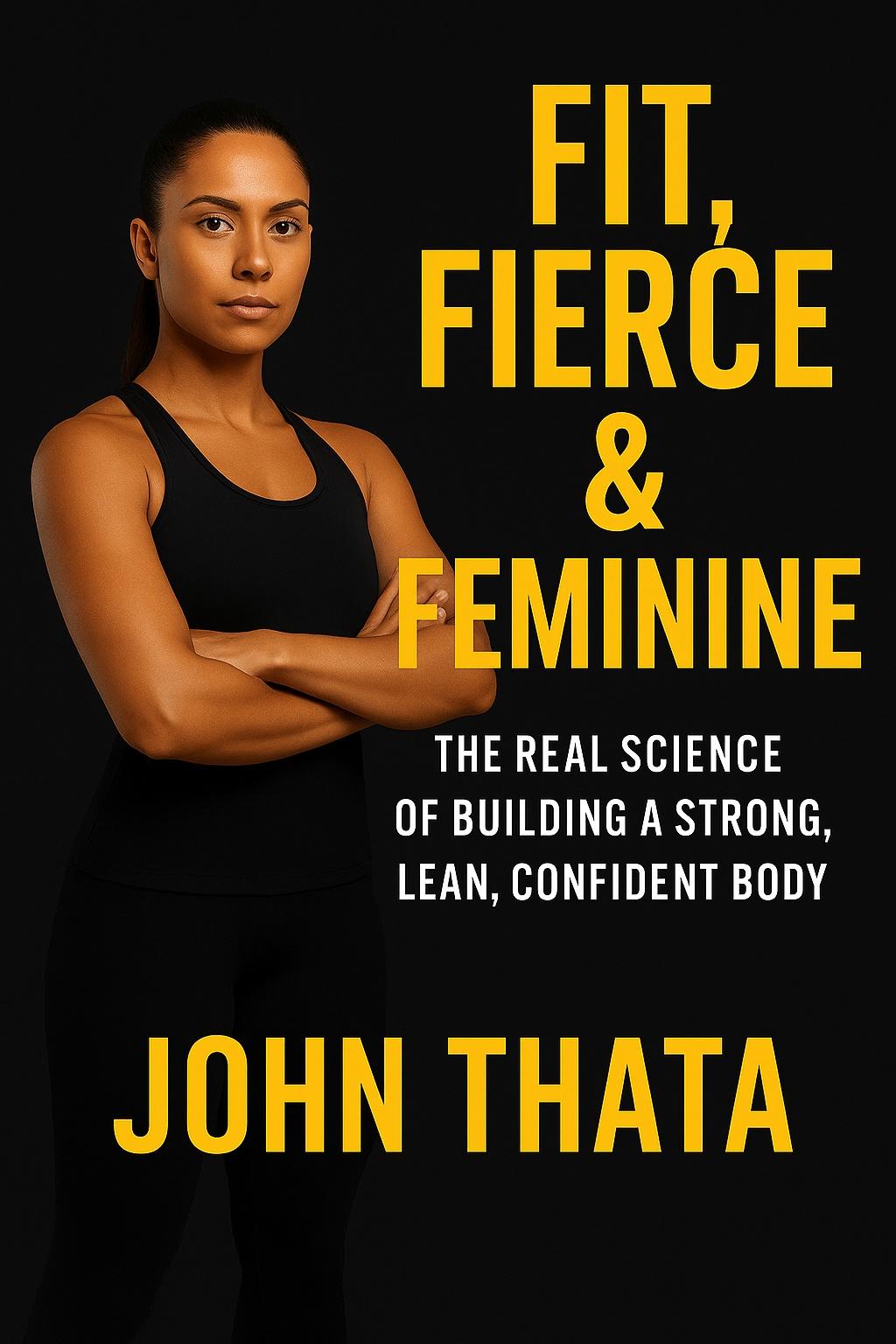
While these principles provide a strong foundation, implementing them effectively requires a comprehensive system that addresses every aspect of female fitness. That's exactly what you'll find in the complete guide "Fit, Fierce & Feminine: The Real Science of Building a Strong, Lean, Confident Body".
This science-based approach goes far beyond generic fitness advice to provide:
- Detailed workout programs designed specifically for women's physiology and recovery patterns
- Cycle-synced training plans that work with your hormonal fluctuations instead of against them
- Flexible nutrition strategies that fuel your body without restriction or obsession
- Progressive overload systems that build strength safely and effectively
- Recovery protocols that optimize sleep, stress management, and hormonal balance
- Mindset tools that transform your relationship with fitness and your body
The book includes everything you need: 12-week workout plans, nutrition templates, progress tracking tools, and troubleshooting guides for common challenges. More importantly, it provides the education and understanding to make informed decisions about your health for life.
Real Results from Real Women
The principles in "Fit, Fierce & Feminine" have helped thousands of women break free from ineffective approaches and achieve lasting results. Sarah, a 34-year-old mother of two, transformed her body composition and energy levels by shifting from cardio-only workouts to strength-focused training. Maria discovered that eating more food while lifting weights gave her better results than years of restriction and endless treadmill sessions.
These aren't outliers or genetic exceptions—they're women who finally received guidance designed for their unique physiology and life circumstances.
Taking Action: Your Next Steps
If you're tired of following fitness advice that leaves you frustrated and confused, it's time for a different approach. The science is clear: women who embrace strength training, honor their hormonal patterns, and fuel their bodies appropriately don't just look better—they feel more powerful, capable, and confident in every aspect of their lives.
"Fit, Fierce & Feminine" provides the complete roadmap for this transformation. Instead of another quick-fix program that promises unrealistic results, you'll discover sustainable strategies that work with your body's natural design.
Your strongest, most confident self isn't found through punishment and restriction. It's built through understanding your unique physiology, training intelligently, and fueling your body for performance and health.
The choice is yours: continue struggling with generic approaches that weren't designed for you, or embrace the science-based strategies that help women achieve results that last. Your transformation begins with your next decision.
Get "Fit, Fierce & Feminine" here and start building the strong, lean, confident body you deserve.
Comments ()