

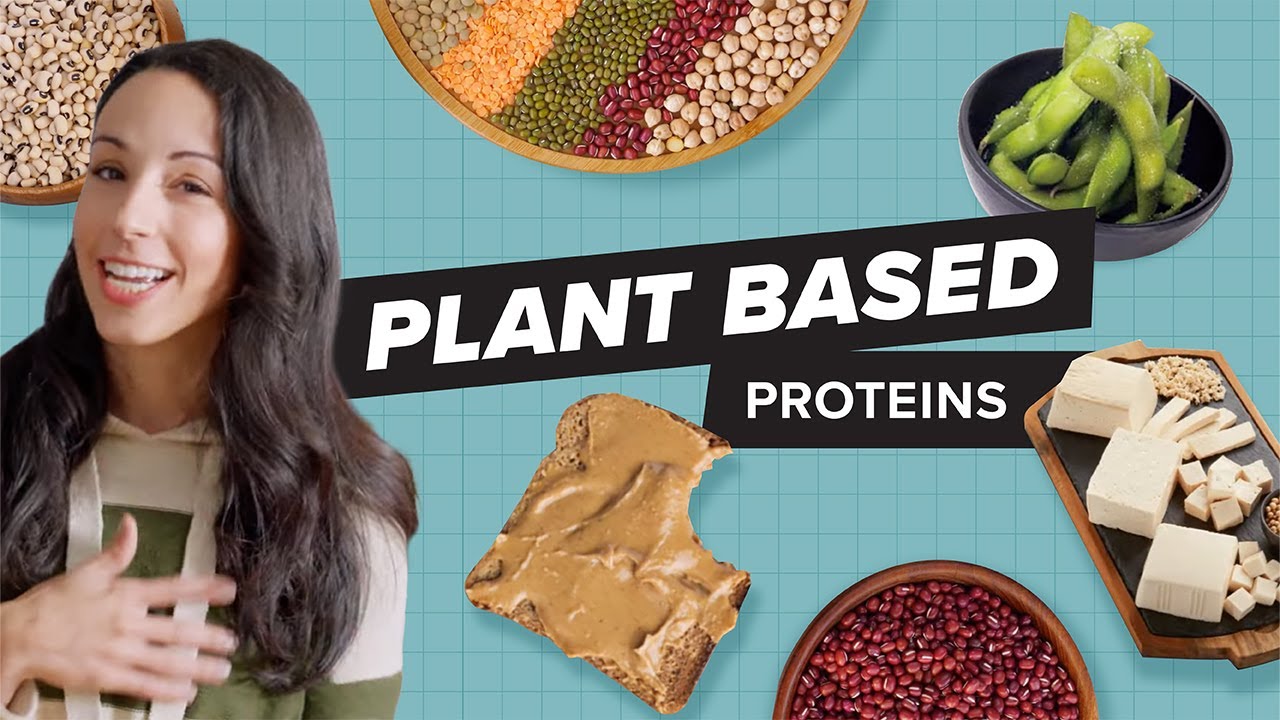
The question comes up constantly in nutrition discussions: "But where do you get your protein?" This concern reflects decades of marketing that positioned animal products as the only "complete" protein sources. While animal proteins do offer certain advantages, the reality is that plant-based foods can easily meet all human protein needs while providing additional health benefits that meat cannot match.
Understanding plant-based protein isn't just valuable for vegetarians and vegans. Even those who include animal products in their diet can benefit from incorporating more plant proteins, which often come packaged with fiber, antioxidants, and other nutrients that support optimal health. The key is knowing which plants provide the most protein, how to combine them effectively, and why this approach might be exactly what your body needs.
Understanding Protein Fundamentals
Before diving into specific plant sources, it's essential to understand what makes a protein "complete" and why this matters for human health. Proteins are made up of amino acids, which are the building blocks for everything from muscle tissue to enzymes and hormones.
There are 20 amino acids that the human body uses, nine of which are considered "essential" because our bodies cannot produce them internally. These essential amino acids must come from our diet. A "complete" protein contains all nine essential amino acids in adequate proportions for human needs.
Animal proteins are naturally complete because animal tissues have similar amino acid profiles to human tissues. Plant proteins, with a few exceptions, tend to be lower in one or more essential amino acids. However, this doesn't mean plant proteins are inadequate—it simply means that eating a variety of plant proteins ensures you get all the essential amino acids your body needs.
The concept of "protein combining"—eating specific combinations of plant foods at the same meal to create complete proteins—was popular in the 1970s but has since been shown to be unnecessary. As long as you eat a variety of plant proteins throughout the day, your body can effectively utilize them to meet all amino acid requirements.
Legumes: The Protein Powerhouses
Legumes, including beans, lentils, chickpeas, and peas, represent some of the most protein-dense plant foods available. They're also incredibly versatile, affordable, and shelf-stable, making them practical choices for anyone looking to increase plant protein intake.
Black beans contain about 15 grams of protein per cooked cup, along with significant amounts of fiber, folate, and minerals like iron and magnesium. They're particularly high in lysine, an amino acid that's often limiting in other plant proteins. Black beans work well in everything from soups and salads to burgers and desserts.
Lentils provide approximately 18 grams of protein per cooked cup and cook much faster than most other legumes. Red lentils break down during cooking, making them perfect for sauces and soups, while green and brown lentils hold their shape well in salads and grain bowls. Lentils are also exceptional sources of iron, particularly important for women and those following plant-based diets.
Chickpeas deliver about 15 grams of protein per cooked cup and have become increasingly popular in various forms. Hummus provides a convenient protein-rich snack or spread, while roasted chickpeas make a crunchy, portable protein source. Chickpea flour can be used to make high-protein pancakes, flatbreads, and even egg substitutes.
Split peas contain about 16 grams of protein per cooked cup and are traditionally used in soups, but they can also be ground into flour for baking or cooked and mashed as a protein-rich side dish. They're particularly high in lysine and provide substantial amounts of fiber and B vitamins.
The key to maximizing legume nutrition is proper preparation. Soaking dried legumes before cooking reduces cooking time and may improve digestibility. Adding a piece of kombu seaweed during cooking can also enhance digestibility and provide additional minerals.
Nuts and Seeds: Concentrated Nutrition
Nuts and seeds pack impressive amounts of protein into relatively small servings, along with healthy fats that support hormone production and nutrient absorption. They're perfect for snacking, adding to meals, or using as bases for dairy alternatives.
Hemp seeds are among the most protein-dense seeds available, providing about 10 grams of protein in just three tablespoons. They're also one of the few plant sources that contain all essential amino acids in good proportions. Hemp seeds have a mild, nutty flavor that works well sprinkled on salads, yogurt, or oatmeal.
Pumpkin seeds deliver about 9 grams of protein per quarter cup and are rich in minerals like zinc, magnesium, and iron. They can be eaten raw or roasted and make excellent additions to trail mixes, salads, or grain dishes.
Almonds provide about 6 grams of protein per quarter cup, along with vitamin E, magnesium, and healthy monounsaturated fats. Almond butter offers a convenient way to add protein to smoothies, oatmeal, or snacks.
Chia seeds contain about 5 grams of protein per two tablespoons and have the unique ability to absorb liquid and form a gel-like consistency. This makes them perfect for puddings, smoothie bowls, or as egg replacements in baking.
Tahini, made from sesame seeds, provides about 8 grams of protein per quarter cup and is rich in calcium and healthy fats. It's the base for hummus but also works well in dressings, sauces, and baked goods.
The healthy fats in nuts and seeds are crucial for overall health, but they also make these foods calorie-dense. A little goes a long way in terms of both nutrition and satiety.
Grains: More Than Just Carbohydrates
While grains are primarily known for their carbohydrate content, many provide significant amounts of protein as well. Ancient grains and pseudocereals are particularly protein-rich and offer complete or nearly complete amino acid profiles.
Quinoa stands out as one of the few plant foods that provide all essential amino acids in adequate proportions. One cooked cup contains about 8 grams of protein, along with fiber, iron, and magnesium. Quinoa works well as a base for grain bowls, in salads, or as a rice substitute.
Amaranth provides about 9 grams of protein per cooked cup and, like quinoa, contains all essential amino acids. It has a slightly nutty flavor and can be cooked as a hot cereal, popped like popcorn, or used in baking.
Buckwheat delivers about 6 grams of protein per cooked cup and is particularly high in lysine. Despite its name, buckwheat is not related to wheat and is naturally gluten-free. It can be used in pancakes, as a hot cereal, or in place of rice in various dishes.
Oats provide about 6 grams of protein per cooked cup and are one of the most versatile grains available. Steel-cut oats offer the best texture and nutritional retention, but rolled oats are convenient for busy mornings. Oats can also be ground into flour for baking or used in savory applications.
Wild rice contains about 7 grams of protein per cooked cup and provides a chewy texture and nutty flavor that works well in salads, soups, and grain bowls. It's technically not rice but rather a seed from aquatic grass, which explains its higher protein content.
Even more common grains like brown rice and whole wheat provide meaningful amounts of protein when consumed as part of a varied diet. The key is choosing whole grains over refined versions to maximize both protein content and overall nutritional value.
Vegetables: Hidden Protein Sources
While vegetables are not typically considered protein sources, many provide more protein than commonly realized. Including a variety of vegetables in your diet contributes to your overall protein intake while providing essential vitamins, minerals, and antioxidants.
Spirulina, a blue-green algae, is incredibly protein-dense, containing about 8 grams of protein per two tablespoons. It's often available in powder form and can be added to smoothies or mixed into foods, though its strong flavor requires some getting used to.
Nutritional yeast provides about 8 grams of protein per quarter cup and has a cheese-like flavor that makes it popular among those following plant-based diets. It's often fortified with B vitamins, including B12, which is typically lacking in plant foods.
Broccoli contains about 3 grams of protein per cooked cup, along with vitamin C, folate, and various antioxidants. While not a primary protein source, the protein in broccoli adds up when you consider that it's often consumed in larger quantities than nuts or seeds.
Brussels sprouts provide about 4 grams of protein per cooked cup and are rich in vitamin K, vitamin C, and fiber. They're also high in glucosinolates, compounds that may have anti-cancer properties.
Spinach delivers about 5 grams of protein per cooked cup and is rich in iron, folate, and various antioxidants. Raw spinach contains less protein per volume due to its water content, but cooking concentrates the nutrients.
While vegetables shouldn't be relied upon as primary protein sources, their contribution becomes significant when you consider the large volumes typically consumed. A large salad with various greens, vegetables, nuts, and seeds can easily provide 15-20 grams of protein.
Protein-Rich Plant Combinations
Creating satisfying, protein-complete meals from plants is easier than many people imagine. The key is combining complementary proteins and ensuring adequate overall protein intake throughout the day.
Rice and beans is perhaps the most classic protein combination, found in cuisines around the world. The lysine in beans complements the methionine in rice, creating a complete protein profile. This combination forms the foundation of dishes like Cuban black beans and rice, Indian dal and rice, and Mexican refried beans with tortillas.
Hummus and whole grain pita combines the protein in chickpeas with that in wheat, while also providing fiber and complex carbohydrates. Adding vegetables increases the overall nutritional value and provides additional plant compounds.
Oatmeal with nuts and seeds creates a protein-rich breakfast that's also high in fiber and healthy fats. Steel-cut oats topped with almond butter, hemp seeds, and berries can easily provide 15-20 grams of protein to start your day.
Quinoa grain bowls with legumes and vegetables offer complete proteins along with a wide variety of nutrients. A bowl with quinoa, black beans, roasted vegetables, and tahini dressing provides substantial protein while being incredibly satisfying.
Smoothies offer an easy way to combine multiple protein sources. A smoothie with plant-based protein powder, nut butter, hemp seeds, and spinach can provide 25-30 grams of protein while tasting delicious.
Digestibility and Absorption
One concern often raised about plant proteins is their digestibility compared to animal proteins. While it's true that some plant proteins are less digestible than animal proteins, this difference is often overstated and can be minimized through proper preparation and food combinations.
Cooking generally improves protein digestibility by breaking down protein structures and deactivating enzyme inhibitors found in raw legumes and grains. Soaking legumes before cooking, fermenting grains and legumes, and sprouting seeds can further improve digestibility.
The fiber present in plant foods, while beneficial for overall health, can slightly reduce protein absorption. However, this effect is minimal when plant proteins are consumed as part of varied diets with adequate overall protein intake.
Some plant proteins are actually quite digestible. Soy protein, for example, has a digestibility score similar to animal proteins. Quinoa and amaranth also have excellent digestibility profiles.
Meeting Protein Needs with Plants
The average person needs about 0.8 grams of protein per kilogram of body weight daily, though active individuals and older adults may need more. For a 150-pound person, this translates to about 55 grams of protein daily, which is easily achievable with plant foods.
A sample day might include oatmeal with nuts and seeds for breakfast (15 grams protein), a large salad with chickpeas and tahini dressing for lunch (20 grams protein), and a quinoa and black bean bowl for dinner (25 grams protein). This provides 60 grams of high-quality protein without any animal products.
Athletes and very active individuals who need higher protein intakes can easily meet their needs by including protein-rich plant foods at every meal and snack. Plant-based protein powders made from pea, hemp, or rice protein can supplement whole food sources when convenient.
Health Benefits Beyond Protein
Choosing plant proteins over animal proteins provides benefits that extend far beyond meeting protein needs. Plant proteins come packaged with fiber, which supports digestive health, helps regulate blood sugar, and may reduce cardiovascular disease risk.
The antioxidants and phytonutrients in plant foods provide protective effects against chronic diseases. Legumes contain compounds that may help lower cholesterol, while nuts and seeds provide healthy fats that support brain and heart health.
Plant proteins also tend to be more environmentally sustainable than animal proteins, requiring less water, land, and energy to produce. This makes plant-based eating appealing to those concerned about environmental impact.
Many plant proteins are naturally lower in saturated fat than animal proteins, which may support cardiovascular health. They're also free from cholesterol, hormones, and antibiotics that may be present in animal products.
Practical Implementation
Transitioning to include more plant proteins doesn't require dramatic dietary changes overnight. Start by replacing one or two animal protein servings per week with plant alternatives. Meatless Monday or incorporating plant-based proteins into familiar dishes can make the transition easier.
Batch cooking legumes and grains on weekends makes it easy to add protein to meals throughout the week. Cooked beans and grains can be stored in the refrigerator for several days or frozen for longer storage.
Keeping shelf-stable protein sources like canned beans, lentils, nuts, seeds, and whole grains on hand ensures you always have options available. These foods have long shelf lives and don't require refrigeration, making them convenient for busy lifestyles.
Conclusion
Plant-based proteins offer a viable, healthy, and sustainable alternative to animal proteins. By understanding which plants provide the most protein and how to combine them effectively, anyone can meet their protein needs while enjoying the additional benefits that come with plant foods.
The variety of plant proteins available means you never have to feel restricted or bored with your options. From hearty bean stews to protein-rich smoothies, the possibilities are endless. Whether you're looking to reduce your environmental impact, improve your health, or simply add more variety to your diet, plant proteins deserve a place on your plate.
The key to success with plant proteins is planning, variety, and patience as your taste preferences adapt. With time, you'll discover that plant-based eating can be just as satisfying and nutritious as any other dietary approach, while offering unique benefits that extend far beyond protein content alone.
Comments ()