
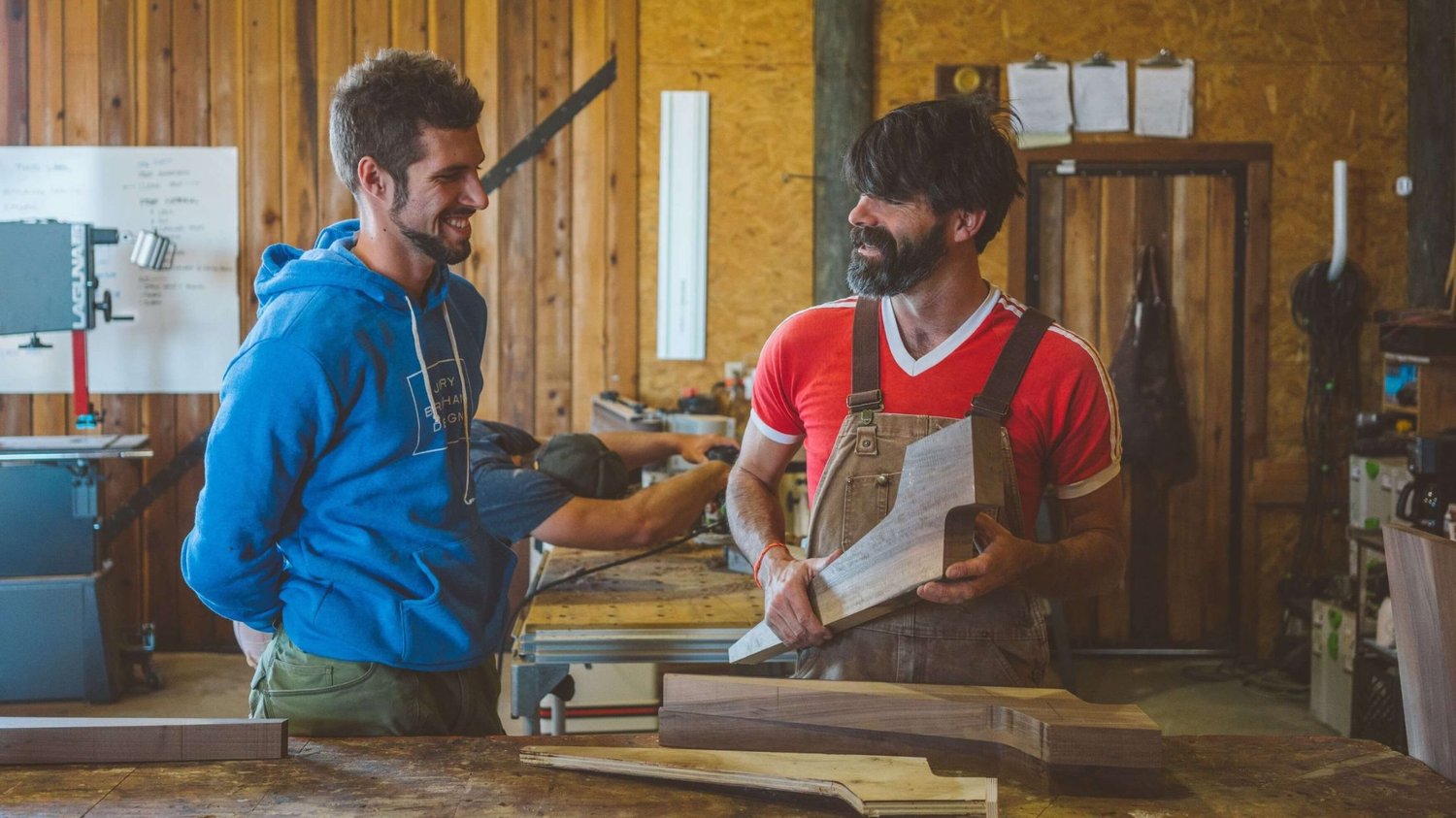
Perhaps to deal with the toxicity from the digital chaos, the craving for tactile creation is growing. Many hobbyists reach a point where they want to move beyond basic DIY projects. They look for furniture making classes to bridge the gap between "good enough" and "professional." However, not all workshops are created equal. If you want to invest your time wisely, you need to find a course that treats wood as a medium for art, not just a building material. An objective look at the industry shows that the best workshops focus on the "why" just as much as the "how."
A. The Distinction between Cabinetry and Fine Furniture: One of the first things to look for is a clear curriculum. There is a massive difference between cabinet making and furniture making. Think of a kitchen cabinet versus a sculptural coffee table. Cabinets are often utilitarian boxes built to fit a wall. Furniture, however, is a standalone piece of art. It interacts with the space around it. At the intermediate level, you should look for a class that emphasizes organic shapes and "flow" rather than just 90-degree angles.
B. Mentorship over Academic Lectures: Look for a class led by someone with a real lineage in the craft. Jory Brigham grew up in a woodshop, learning from generations of makers. This kind of expertise can't be found in a textbook. You want a mentor who stands over your shoulder and helps you refine your basic knowledge. In these sessions, you should expect to learn:
- Advanced Grain Selection: How to use the wood's natural patterns as a design element.
- Precision Tool Mastery: Gaining confidence with gear like the Festool Domino and professional bandsaws.
- Sculptural Shaping: Moving beyond the "box" phase into fluid, hand-shaped forms.
- Professional Finishing: Learning the "silky" feel of hand-rubbed oils.
C. The Right Student Level and Shop Environment : A workshop is only as good as its community. While some courses cater to total beginners, the most effective furniture building classes are directed toward intermediate woodworkers. You want to be in a room with people who already understand tool safety and basic joinery. This allows the instructor to dive deeper into high-end design. It moves the conversation from "how to cut a straight line" to "how to give a table soul."
D. Professional Gear and Material Standards: Check the tool list and lumber quality. A professional class should offer access to industrial-grade machinery that you likely don't have in your garage. Whether it is a Laguna bandsaw or a high-end jointer, these tools are the equalizers that allow you to achieve gallery-quality results. Furthermore, the class should include premium hardwoods, like Black Walnut, so your finished piece lasts for generations.
E. 5. The "Furniture Camp" Experience and Schedule: Finally, look for a schedule that respects the immersive nature of the craft. Most of our intensive courses run from Friday through Sunday. This gives you 2.5 days to completely disappear into your work. Please keep in mind that this is the standard for all our sessions except for the Hollister course. Beyond the wood, look for a social culture. The best learning often happens during our Friday night BBQs, where you can share stories and interact with Jory and fellow makers.
Final Remarks
Woodworking is a journey of constant refinement. At Jory Brigham Design Workshop, we provide the bridge between your existing skills and true professional artistry. We trade the "academic" for the "artistic" and the "lonely garage" for a vibrant community. If you are ready to further your basic knowledge and come home with a piece you are proud of, our doors are open. Let’s get your hands dusty and see what you can create.