

When God Answers “No”
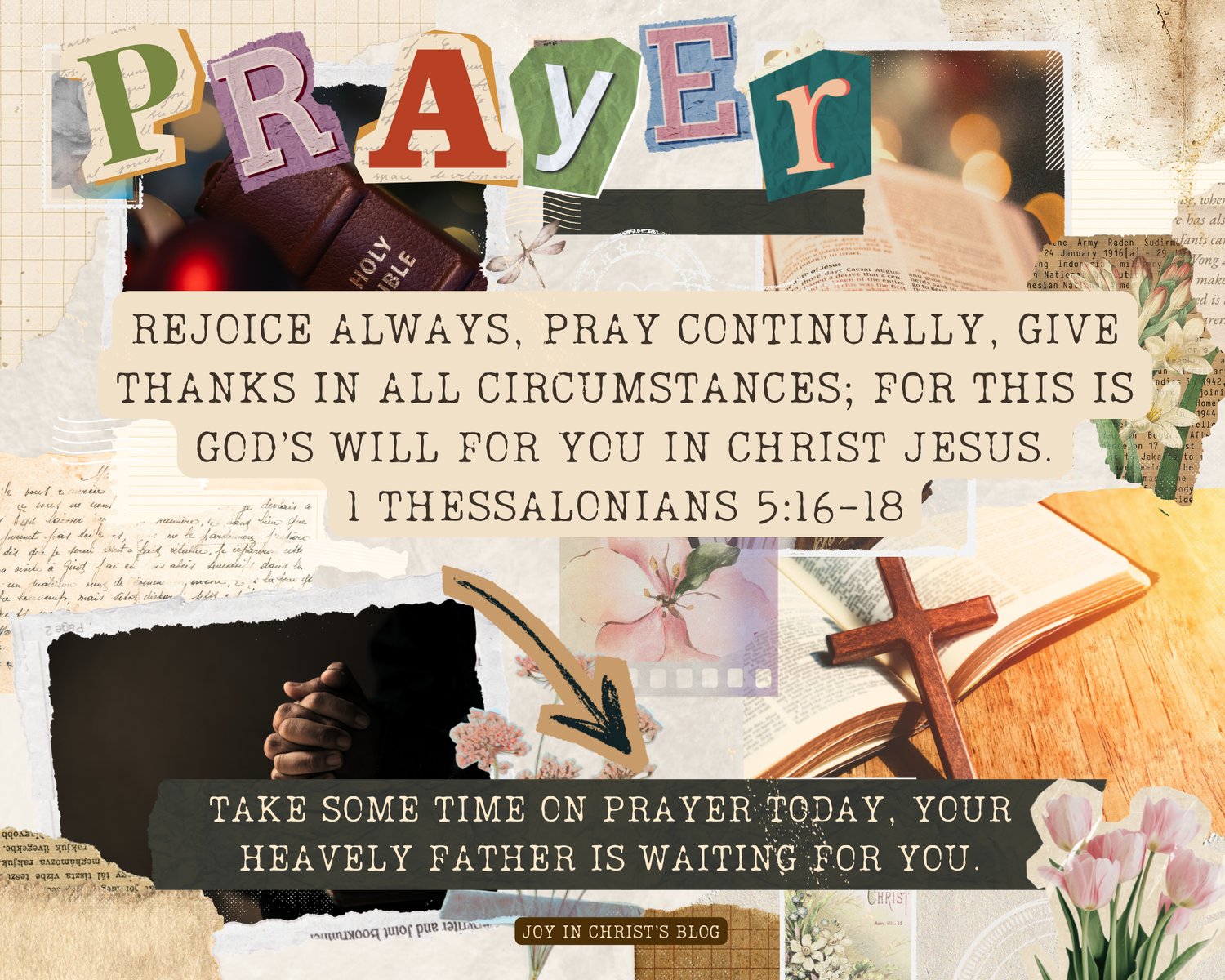
Prayer is an intimate conversation with God. It is the beautiful way we communicate with our Heavenly Father, a gift that allows us to come into His presence at any moment. What an incredible privilege it is to know that the God who created the heavens and the earth listens when we pray—every day, every moment. Through prayer, we draw closer to Him, surrender our worries, place our trust in His hands, and rest in His unfailing love.
"Call to me and I will answer you and tell you great and unsearchable things you do not know."
— Jeremiah 33:3
Jesus is the greatest example of prayer. Throughout His earthly ministry, He continually sought the Father through prayer. Before making important decisions, during moments of suffering, and even in His deepest anguish, Jesus prayed. He showed us that prayer is not only about asking God to change our circumstances; it is also about allowing God to transform our hearts and align our desires with His perfect will.
But what happens when God’s answer is not what we hoped for? What do we do when God says “not yet” or even “no”?
A delayed answer does not mean God is absent, and a “no” does not mean God does not care. Sometimes, God answers our prayers by giving us something greater than what we originally asked for: His strength, His grace, and His presence.
We see this beautifully in the life of the Apostle Paul. In 2 Corinthians 12:7-10, Paul tells us about a “thorn in the flesh,” a painful struggle that affected him deeply. Although Scripture does not tell us exactly what this thorn was, we know it was something that troubled Paul and made his ministry more difficult. Paul pleaded with the Lord three times, asking Him to remove it.
But God answered: “No.”
God did not remove the thorn, but He gave Paul something far greater—the power of Christ working through his weakness.
The Lord told Paul:
"My grace is sufficient for you, for my power is made perfect in weakness."
— 2 Corinthians 12:9
Paul learned that his weakness was not a barrier to God’s purpose; it was an opportunity for God’s power to be revealed. The thorn kept him humble and dependent on the Lord. Paul understood that without God, he could do nothing, but with God’s grace, he could endure anything.
This reminds us of James 4:6, which says:
"God opposes the proud but gives grace to the humble."
Paul’s humility allowed God’s grace to become greater than his struggle. The thing Paul wanted God to remove became the very place where Paul experienced God’s strength most deeply.
Sometimes we pray for God to change our situation, but God chooses to strengthen us in the middle of it. Sometimes we ask God to remove the burden, but He gives us the grace to carry it. Sometimes the answer we receive is not the one we wanted, but it is the one that brings us closer to Him.
God works all things together for good (Romans 8:28). He is always working, even when we cannot see it. His “no” is not a rejection; His “not yet” is not a denial of His love. Every answer comes from a Father who knows us perfectly and desires what is truly best for us.
Whatever the answer to your prayer may be, remember this: God is still faithful. His grace is still sufficient. His presence is still with you. And He will glorify Himself through your life, even through the places where you feel weak.
Because when we are weak, He is strong.
Comments ()