
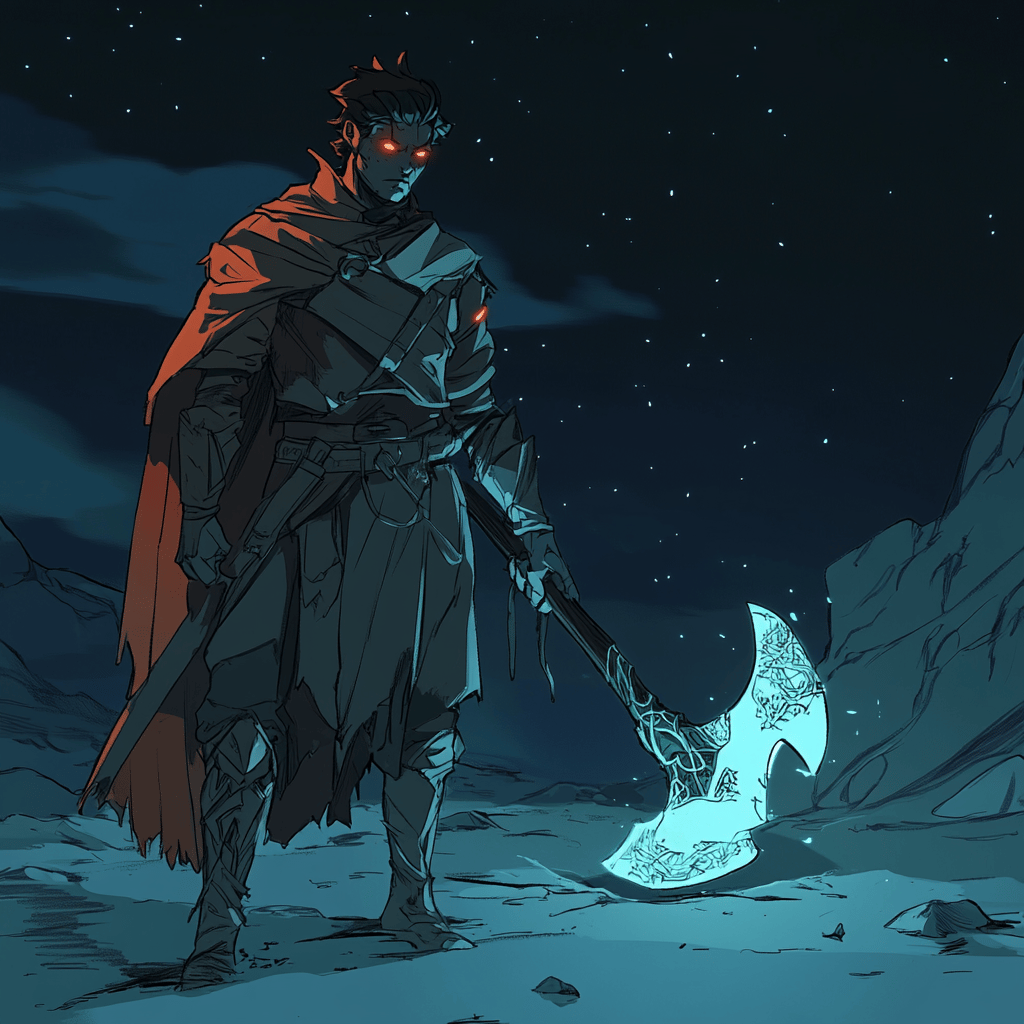
The Business Perspectives of AI Art in the Next Five Years
The emergence of AI-generated art has revolutionized the creative landscape, offering new opportunities for businesses and artists alike. As technology advances, the business perspectives of AI art are becoming increasingly promising. In the next five years, we can expect significant growth and diversification in this field, driven by innovation, demand, and accessibility.
1. Democratizing Art Creation
AI art tools like DALL·E, MidJourney, and Artbreeder have lowered the barrier to entry for art creation. Individuals with no prior artistic training can now generate visually compelling artwork with minimal effort.
This democratization opens the door for small businesses and independent creators to enter the market without requiring significant investment in traditional art skills.
In the next five years, we’re likely to see an influx of entrepreneurs leveraging AI art tools to create unique designs for products, marketing materials, and digital content. AI-generated art will empower new brands, enabling them to stand out in competitive markets. On my store, without none specific artistic skills, I was able to leverage AI art by creating multiple AI artworks.
2. Expansion of AI Art Markets
The demand for AI-generated art is expanding across various industries, including:
- Marketing and Advertising: Companies can use AI-generated visuals for personalized ads and campaigns.
- E-commerce: Businesses can create unique, AI-designed merchandise like T-shirts, mugs, and posters. It is a niche that is called to exponentially increase in the next ten years. That is the reason why I sell print on demand products on my Printify store.
- Gaming and Entertainment: Game developers and filmmakers are incorporating AI art to design characters, landscapes, and storyboards.
- Interior Design: AI-generated artwork is gaining traction as customizable décor for homes and offices.
Over the next five years, AI art is expected to become a mainstream element of these industries, with more platforms emerging to cater to niche markets. Platforms dedicated to licensing AI art for commercial use will likely grow, providing a structured way for businesses to access high-quality visuals.
3. Monetization Opportunities for Creators
AI art isn’t just for businesses—it’s also a boon for individual creators. Artists can harness AI tools to speed up their workflows and expand their creative potential. By combining AI-generated elements with traditional techniques, they can produce innovative, hybrid works.
In the coming years, creators will find increasing opportunities to monetize their AI art through:
- Online Marketplaces: Selling AI art on platforms like Etsy, Gumroad, or custom-built stores.
- NFTs: The blockchain boom has opened avenues for AI-generated art to be sold as NFTs (Non-Fungible Tokens), offering creators a unique way to commercialize digital art.
- Print-on-Demand Services: AI designs can be applied to products such as clothing, home décor, and accessories, reaching a global audience.
4. Customization and Personalization
One of the most significant advantages of AI art is its ability to create highly personalized content. Businesses are increasingly tailoring their products and services to individual customer preferences, and AI art is an enabler of this trend.
For instance, an AI-powered platform might allow customers to input preferences for style, color, and subject matter, instantly generating artwork tailored to their tastes. This level of customization is particularly appealing in sectors like fashion, home décor, and corporate branding.
Over the next five years, this trend will likely lead to the emergence of subscription-based AI art services that cater to businesses and consumers seeking personalized content on demand.
5. Collaboration Between AI and Human Creativity
Despite its capabilities, AI art is not expected to replace human creativity entirely. Instead, it will complement it, leading to a new era of collaborative creativity. Artists and designers will use AI as a tool to explore new styles, refine concepts, and push creative boundaries.
This collaboration can also drive business growth. Agencies and studios can adopt AI to enhance productivity, meeting tight deadlines without compromising on quality. My productivity has been considerably improved by the use of AI, that allows me to create much more products in a short time on my store.
Similarly, educational institutions might incorporate AI art into curriculums, preparing students for a future where AI-assisted creativity is the norm.
6. Challenges and Ethical Considerations
While the potential of AI art is vast, there are challenges that businesses must address:
- Copyright Issues: Determining the ownership of AI-generated art remains a gray area, with implications for licensing and commercialization.
- Quality Control: Ensuring AI art meets professional standards requires oversight and refinement by skilled designers.
- Sustainability: The energy-intensive nature of AI models may raise concerns about their environmental impact.
Despite these challenges, advancements in technology and regulatory frameworks will likely mitigate these concerns over time, paving the way for ethical and efficient use of AI art.
7. The Future Outlook
The business perspectives of AI art are exceptionally bright. By 2028, AI-generated art is expected to become a multi-billion-dollar industry, with applications in virtually every sector.
From providing cost-effective solutions for startups to enabling large-scale corporations to deliver personalized experiences, AI art is reshaping how businesses approach creativity.
Moreover, as AI technology continues to evolve, we can expect new capabilities that further enhance the quality and versatility of AI-generated art.
Features like real-time collaboration, 3D modeling, and integration with augmented reality (AR) and virtual reality (VR) are likely to become standard.
Conclusion
AI art is not just a technological advancement; it is a cultural and economic phenomenon reshaping the creative industries. The next five years will see businesses and creators alike leveraging AI art to innovate, grow, and connect with their audiences in unprecedented ways.
Whether you’re a budding entrepreneur or an established company, now is the time to embrace the transformative potential of AI art and position yourself at the forefront of this exciting revolution.
Want to know more and be notified each time a new product is on the store? Subscribe to my newsletter!