
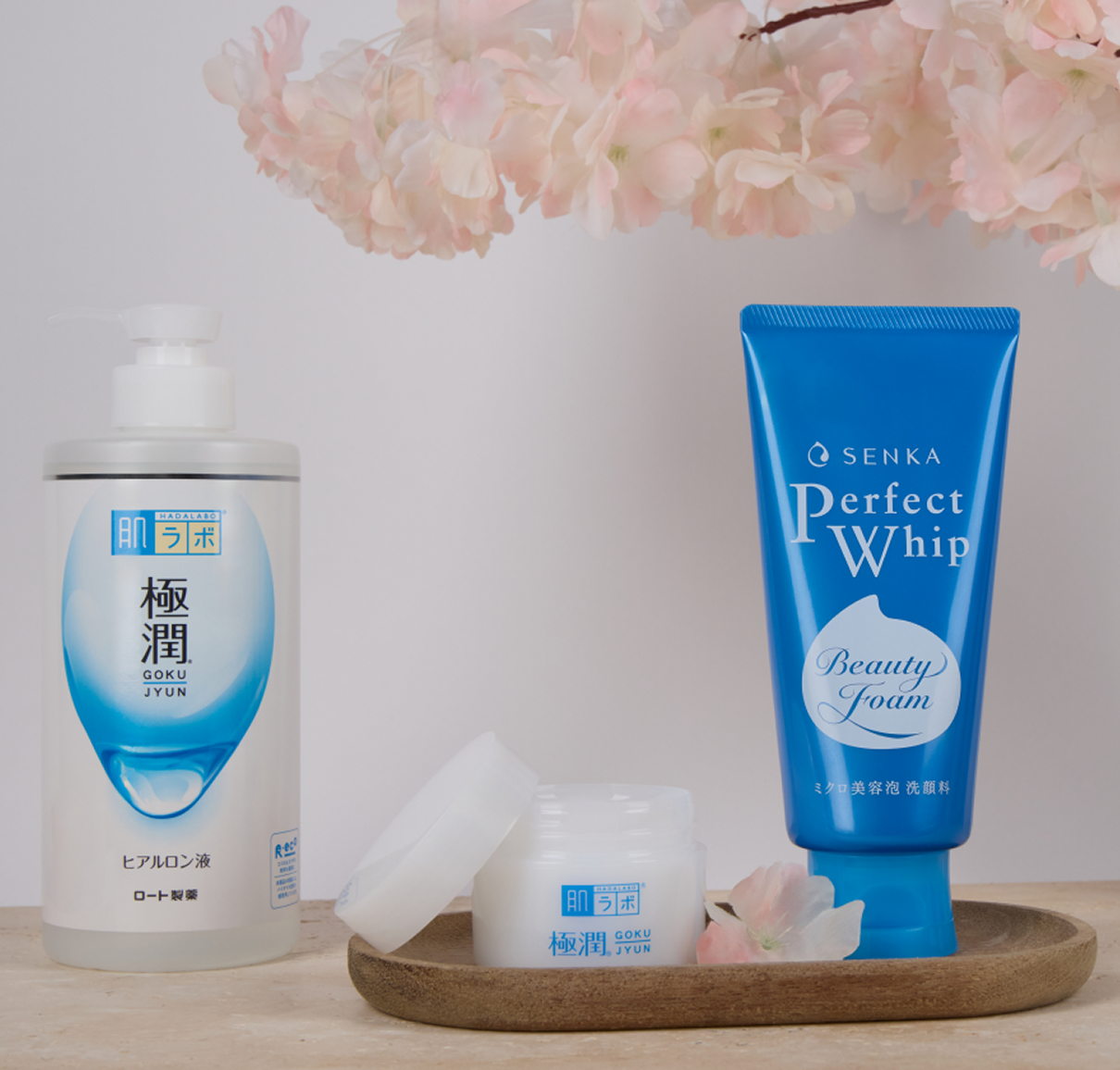

Healthy skin depends on proper hydration. When the skin lacks water, it can appear dull, tight, and uncomfortable, regardless of whether you have oily, combination, or dry skin. Many people confuse Dehydrated Skin with dry skin, but they are not the same. Dry skin is a skin type that lacks oil, while dehydrated skin is a temporary condition caused by a lack of water.
Understanding the signs and adopting the right skincare routine can help restore your skin’s natural glow and balance.
Signs Your Skin May Be Dehydrated
One of the most common symptoms is a feeling of tightness, especially after cleansing. You may also notice dullness, uneven texture, or increased sensitivity. Fine lines may appear more visible, particularly around the eyes and mouth, because dehydration reduces skin plumpness.
Another indicator is the “pinch test.” Gently pinch your cheek. If it wrinkles instead of bouncing back quickly, your skin may be dehydrated. Breakouts can also occur since dehydrated skin sometimes produces excess oil to compensate for water loss.
Environmental factors such as weather changes, air conditioning, sun exposure, and pollution often contribute to dehydration. Lifestyle habits like insufficient water intake, excessive caffeine, alcohol consumption, or lack of sleep can worsen the condition.
The Right Skincare Routine for Dehydrated Skin
Treating dehydrated skin focuses on replenishing water and strengthening the skin barrier. A consistent routine can make a noticeable difference.
1. Use a Gentle Cleanser
Avoid harsh foaming cleansers that strip natural moisture. Choose a mild, hydrating cleanser that cleans without leaving your skin tight or dry.
2. Apply Hydrating Toners or Essences
Hydrating toners containing ingredients like hyaluronic acid, glycerin, or aloe vera help restore moisture immediately after cleansing. Layering lightweight hydration products can significantly improve skin comfort.
3. Choose a Water-Based Serum
Serums formulated with humectants attract water into the skin. Hyaluronic acid, panthenol, and amino acids are excellent ingredients for boosting hydration levels.
4. Seal Moisture With a Nourishing Moisturizer
A good moisturizer locks hydration into the skin and prevents water loss. Look for ceramides, squalane, or natural oils that support the skin barrier.
5. Don’t Skip Sunscreen
Sun exposure can worsen dehydration and damage the skin barrier. Daily sunscreen protects your skin from UV damage and helps maintain hydration.
6. Weekly Hydrating Masks
Sheet masks or sleeping masks provide an extra hydration boost, especially during seasonal changes or after sun exposure.

Lifestyle Tips for Better Skin Hydration
Skincare alone is not enough. Drink sufficient water throughout the day, eat water-rich foods like fruits and vegetables, and limit caffeine and alcohol. Using a humidifier in dry environments can also help maintain skin moisture.
Sleep plays a major role in skin repair, so maintaining a consistent sleep schedule supports hydration and overall skin health.
Conclusion
Managing Dehydrated Skin requires understanding its causes and addressing both external and internal factors. With the right skincare routine and healthy habits, your skin can regain its softness, elasticity, and natural radiance.
For those seeking advanced hydration inspired by Japanese skincare innovation, Kyotoshii Japan offers thoughtfully formulated products designed to restore moisture balance and enhance skin vitality.
FAQs
1. Can oily skin be dehydrated?
Yes, oily skin can still lack water. In fact, dehydration may cause the skin to produce more oil to compensate.
2. How long does it take to fix dehydrated skin?
With the right routine, you may notice improvement within a few days, but significant recovery typically takes two to four weeks.
3. What ingredients are best for dehydrated skin?
Hyaluronic acid, glycerin, ceramides, aloe vera, and panthenol are highly effective for restoring hydration and strengthening the skin barrier.