


Is America losing the race 🏁 ? In a significant announcement from the White House in January, President Donald Trump unveiled what was hailed as "the largest AI infrastructure project by far in history," valued at $500 billion - a move named the Stargate Project. This ambitious initiative is designed to secure America's lead in developing advanced AI models like OpenAI's ChatGPT and Anthropic's Claude. Trump underscored this effort as crucial in the "great competition" for dominance in AI, which he described as "perhaps the most consequential battle for the future of humanity."
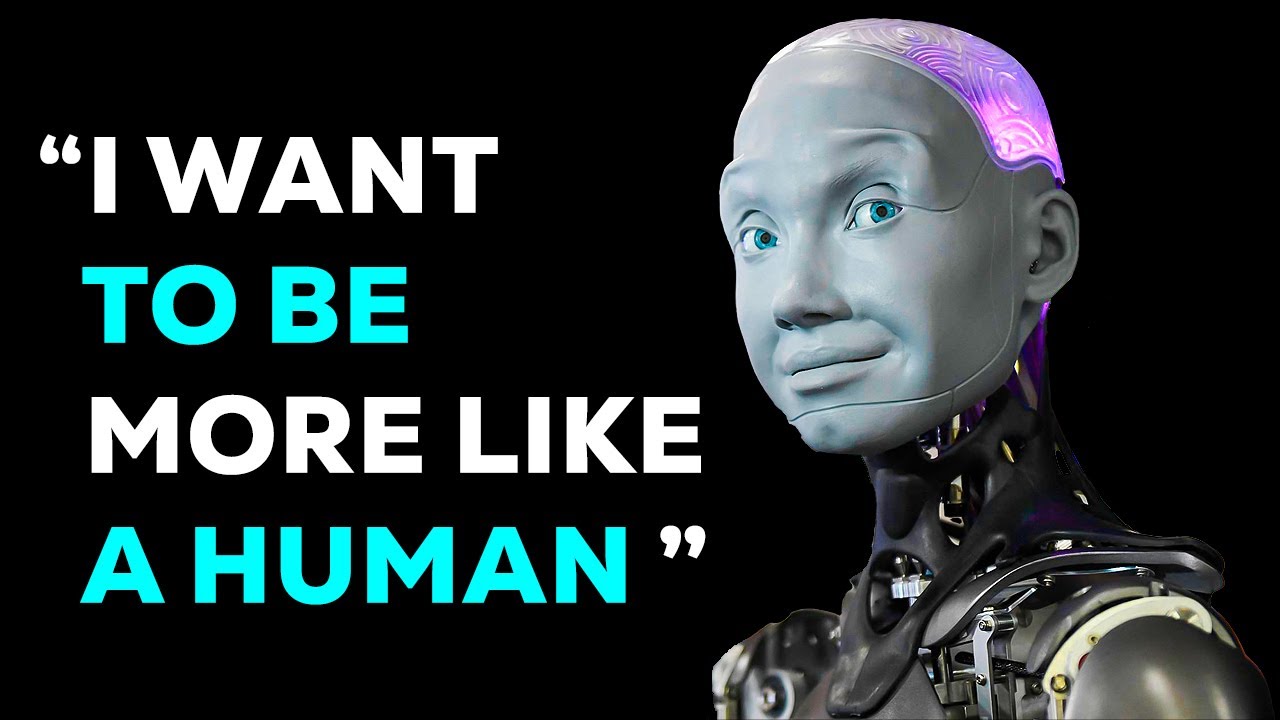
However, while America focuses on cognitive AI advancements, a pivotal shift towards physical AI is underway, with China already leading the charge. This was poignantly illustrated during the 2025 Spring Festival Gala in Beijing, where a troupe of 16 AI-powered humanoid robots showcased their skill, grace, and synchronization on stage, symbolizing China's aspiration to pioneer a future filled with dexterous robots.
In this unfolding narrative, a groundbreaking innovation from Duke University's engineering team, Text2Robot, has the potential to revolutionize the robotics field, enabling users to transform simple text commands into fully functional walking robots. Yet, this ingenuity requires a strategic response from the US to maintain pace with China, which is already dominating the humanoid robotics arena.
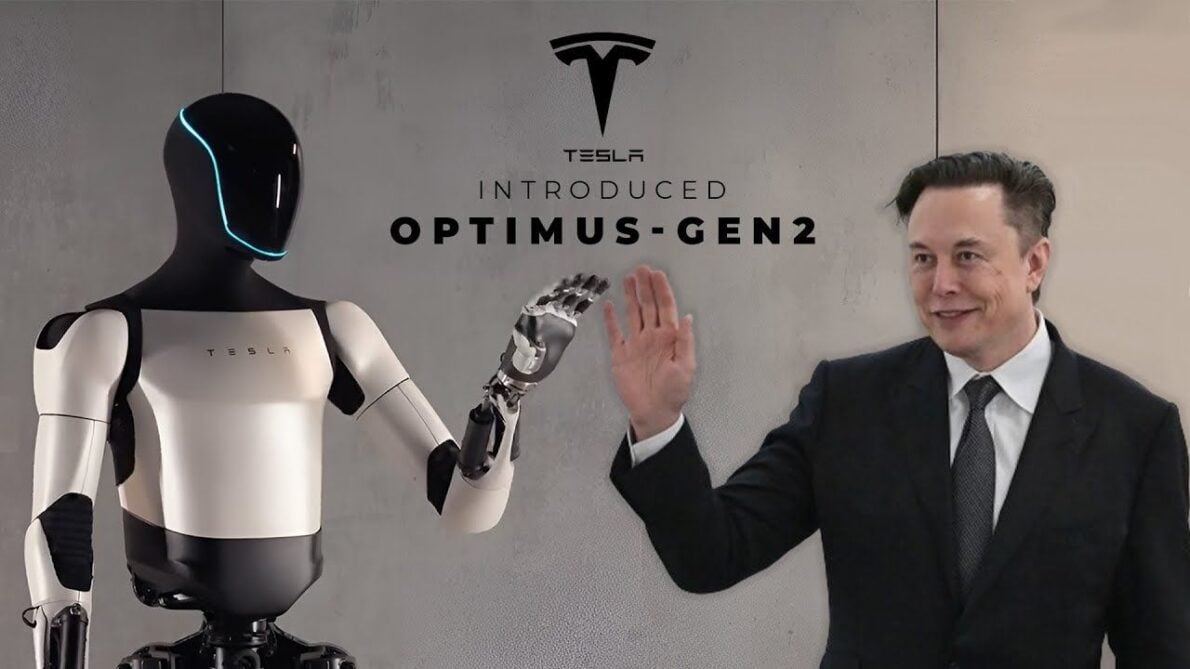
JPMorgan projects a vast market of 5 billion humanoid robots, while Elon Musk boldly predicts a future populated by at least 10 billion humanoids by 2040, with Tesla's Optimus at the forefront. Musk claims Optimus could become "the biggest product of all time."
Patent applications tell a compelling story of China's dominance in humanoid robotics. In the past five years, China secured a staggering 5,590 patents mentioning humanoid robots, compared to 1,442 by the United States. Moreover, China has outpaced the world in deploying industrial robots and introduced two-thirds of the global humanoid robots to market in 2024.
The report "America Is Missing the New Labor Economy" by SemiAnalysis projects that humanoids will reshape the global economy. The analysts warn that the US risks an "existential threat" if it does not ramp up its robotics capacity, as China is poised to dominate both the robotics sector and its supply chain.

Jason Roy Llewelyn-Miller, a senior research fellow at Leadership Institute For Excellence, underscores China's strategic position in the robotics sector, predicting an "Industrial Revolution-like shift in the balance of power." which creates a need for new ways of protecting the sovereignty of our nation. A.I.R.D.

While AI and cognitive systems like ChatGPT capture the limelight, the silent revolution in AI-powered robotics is poised to transform industries. Intelligent machines, combining AI and physical capabilities, are set to augment human labor, driving efficiency and reshaping the future of work. America must swiftly adapt and embrace this technological wave to harness its potential and maintain its leadership in the global economy.
The Stargate Project, while crucial, needs to be complemented by a robust strategy in AI-powered robotics. As the race for AI supremacy evolves, the next battleground lies in integrating AI with physical form, and the United States must act decisively to stay ahead.
By Jason Roy Llewelyn-Miller
Leadership Institute For Excellence,