

By Jason Roy Llewelyn-Miller | Leadership Institute For Excellence. Editorial Bureau Chief
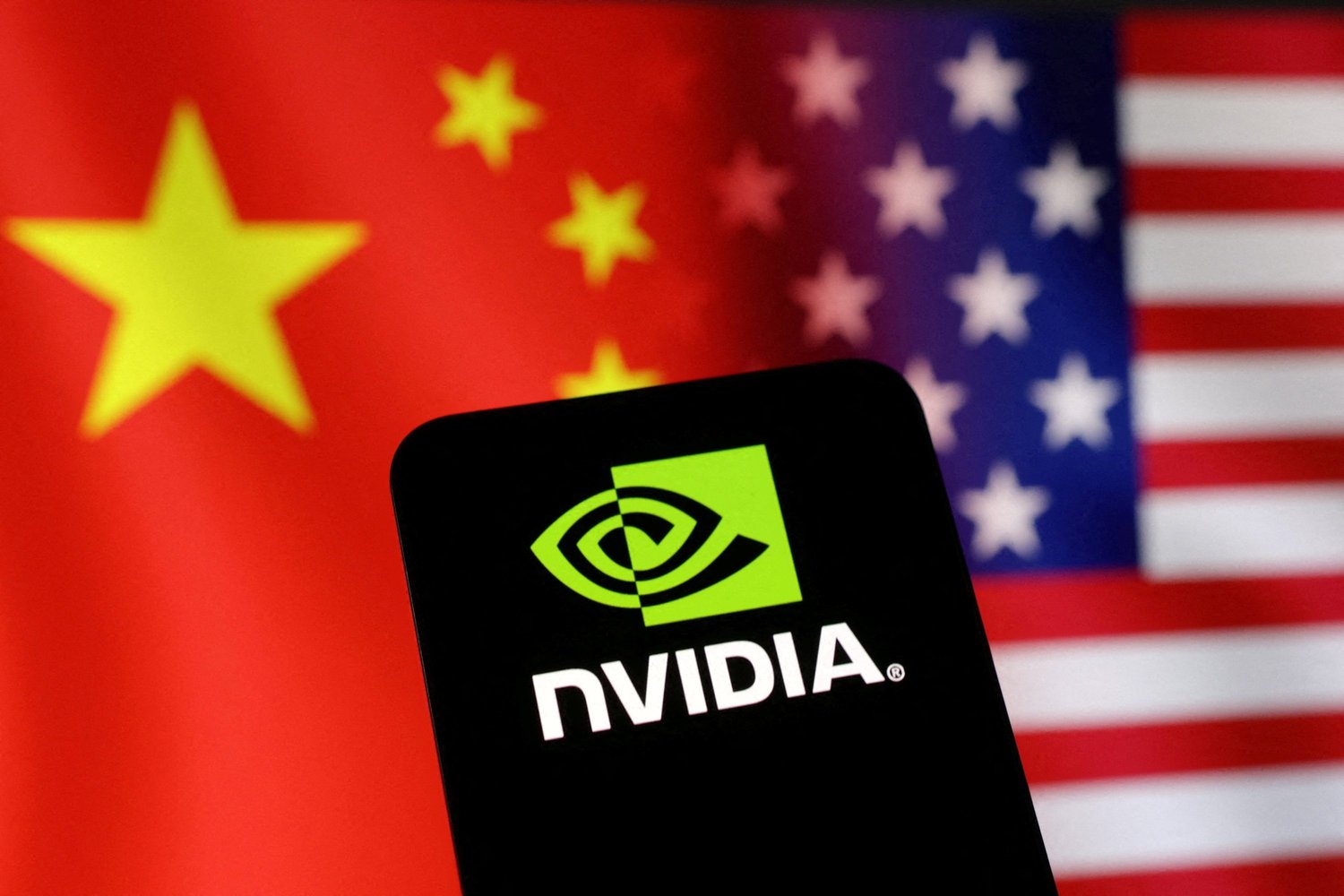
In the global theater of high-tech supremacy, few moves are made without strategic consequence. On Thursday, Jensen Huang, the enigmatic founder and CEO of Nvidia, stepped into the heart of geopolitical tension—Beijing, China—while the fires of investigation blazed back home in Washington.
Is this the story of a visionary democratizing artificial intelligence for the world—or a strategic capitalist making a power move to secure a legacy worth billions?
The stage was meticulously set: one day before Huang’s visit, U.S. lawmakers opened an official inquiry into whether Nvidia’s recent chip sales to China violated federal regulations governing the export of advanced technologies. Then—boldly, brazenly, or brilliantly—Huang was photographed in deep dialogue with top Chinese trade officials, a move some call courageous, others reckless.
Welcome to the New Cold War. Only this time, it’s made of silicon.

The Dragon and the Titan.
At the center of this storm is Nvidia’s H20 chip, an artificial intelligence marvel intentionally engineered to skirt U.S. export restrictions. On the surface, it complies. Underneath? Lawmakers want to know if it dances too close to the edge.
In Beijing, Mr. Huang met with He Lifeng, China’s powerful Vice Premier overseeing economic policy, as well as senior members of the China Council for the Promotion of International Trade—a state-sponsored body strategically used to project China’s openness while safeguarding its national interests.
According to Chinese state media, Huang affirmed Nvidia’s commitment to the market, stating that the company would “continue to spare no effort” in building products that comply with U.S. regulations and still serve the Chinese market “unswervingly.”
Is Huang selling AI tools—or geopolitical leverage?
That depends on your vantage point.

Is Jensen Huang Trying to Democratize AI or Secure His Pocket?
This is the billion-dollar question hanging like a storm cloud over both Silicon Valley and Capitol Hill. Huang’s narrative—one he’s crafted over years as a visionary AI pioneer—is that artificial intelligence should be available to all who seek to innovate. But critics argue this visit was less about “open innovation” and more about shoring up a vulnerable flank in Nvidia’s $2.2 trillion empire.
Wall Street analysts estimate that China accounts for up to 20% of Nvidia’s data center revenue. Losing that slice would not merely dent quarterly earnings—it could permanently shift the balance of AI supremacy.
So, is Huang defending open markets or his stock price? Madison Avenue has seen this move before—when vision meets valuation, optics often dress as ideology.

How Will American Chip Manufacturing Be Impacted by This Move?
For U.S. chipmakers already bracing for a future defined by reshoring and government subsidies, Huang’s Beijing visit complicates the narrative. As America pumps billions into its CHIPS and Science Act to reclaim dominance, its most valuable chipmaker is simultaneously extending a velvet glove to its primary strategic rival.
Washington wants onshore production. Nvidia wants offshore sales. And that tension could fracture alliances across the semiconductor supply chain.
Will other American chip giants follow Huang’s lead—or face pressure to pull back?
And what happens if Washington decides that “friendly” dialogue with Beijing is simply too risky?
What Happens to Chinese Companies That Ordered the H20 Chip?
Here’s where things get murky. Chinese tech firms—including cloud giants and AI startups—have been eagerly lining up for the H20, a chip stripped just enough to slide under the radar of U.S. export laws. But with an investigation now underway, shipments could stall, licenses could be revoked, and contracts could be frozen midstream.
This isn’t just about chips—it’s about credibility. Chinese enterprises are now forced to ask: Can they rely on American tech suppliers long-term? Or must they accelerate domestic alternatives at all costs?

What If Nvidia Partners More Deeply With China?
Let’s indulge a provocative scenario: what if Jensen Huang, frustrated by U.S. red tape and emboldened by Chinese demand, decides to go all in on a deeper strategic alliance with China? A joint R&D lab? A sovereign-friendly version of their GPUs? An AI ecosystem optimized for Beijing’s infrastructure?
Such a pivot would send shockwaves through Silicon Valley—and possibly trigger sanctions, investment bans, and international scrutiny of Nvidia’s global operations.
It could also embolden other tech giants to test the boundaries of U.S. compliance frameworks.
But more critically—what would it do to America’s AI industry?
The U.S. leads today because of Nvidia’s GPUs. If China were to gain preferential or accelerated access to those tools—even in neutered form—the ripple effects across military, healthcare, logistics, and cybersecurity could be massive.
This isn’t about code. It’s about power.
What Will Happen to Nvidia in the Next 5 Years?
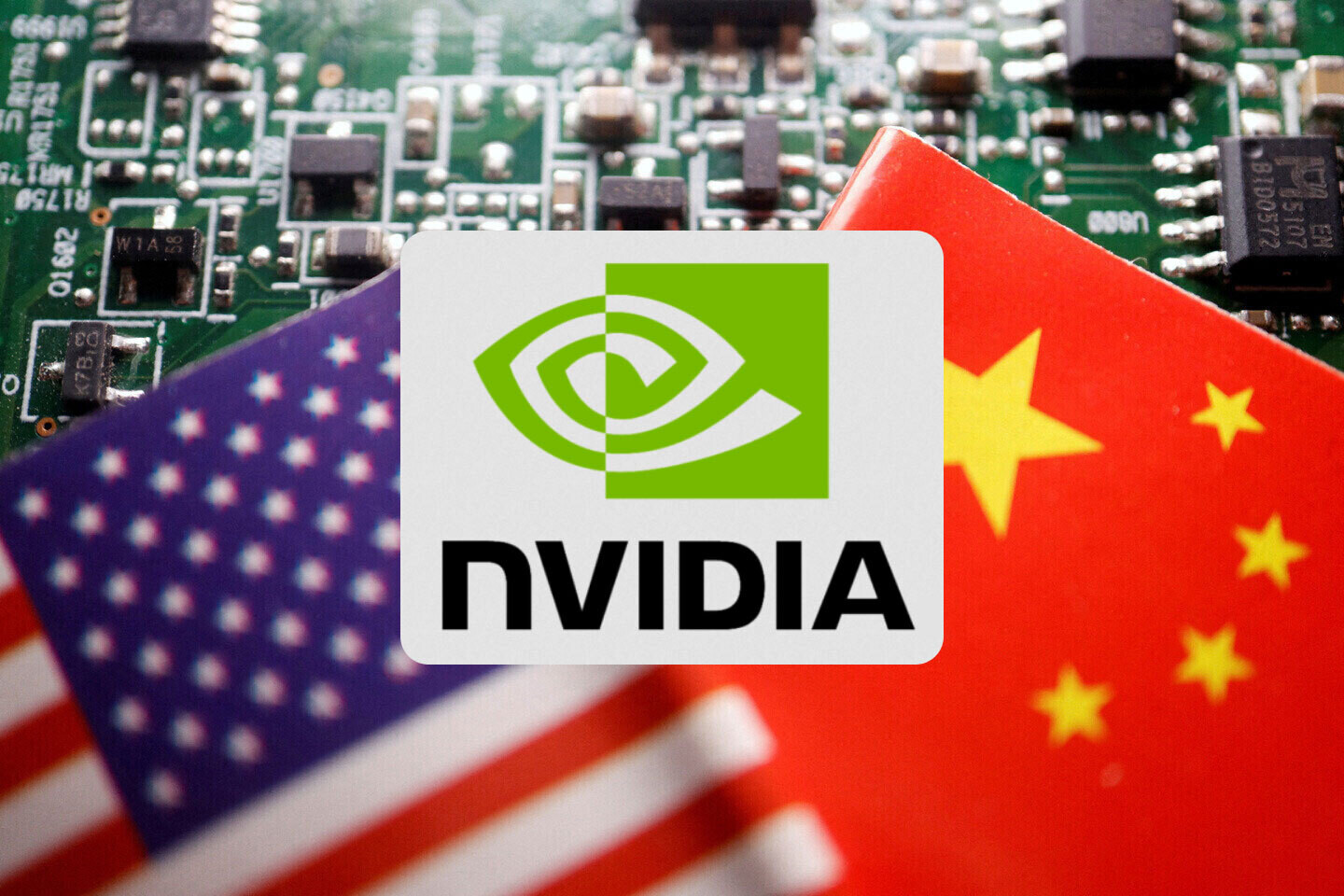
As China races to develop homegrown chip alternatives, Nvidia stands at a crossroads. Either it becomes an indispensable partner in China’s transitional tech era—or it gets replaced by a rising dragon like Huawei’s Ascend series.
In five years, Nvidia could be:
• A Global AI Infrastructure Provider balancing diplomacy and compliance like a tightrope walker over lava
• A Cautionary Tale of a company caught in the crosshairs of politics and profit
• Or a Divided Giant—with American, European, and Asian operations increasingly walled off by regulation and risk.
If Beijing succeeds in cultivating indigenous chip manufacturing at scale, Nvidia’s leverage could plummet. And if Washington tightens the leash further, Nvidia could be forced to choose a side—or fracture its global footprint.

What’s Really at Stake Here?
This isn’t just a tale of chips, compliance, or quarterly revenue. This is a chapter in the unfolding story of digital hegemony. As AI reshapes industries and defines the next era of global power, control over its infrastructure will become more valuable than oil, more consequential than currency.
Jensen Huang has proven himself a genius of both silicon and strategy. But in the halls of Beijing—and the corridors of Washington—his latest move may define whether Nvidia remains a bridge between East and West or becomes a battleground within it.
Is he democratizing AI—or strategically monopolizing it under the veil of diplomacy?
Only time will tell. But one thing’s certain... The chip war just got personal.
"I'm Not Saying Nothing I'm Just Saying"