


Synergy Between American Industry and President Trump's Economic Vision
As the Trump administration continues to champion policies aimed at bolstering American enterprise, several leading technology and automotive companies have aligned themselves with this vision, contributing to the nation's economic resurgence.

Corporate Alliances and Contributions
In a demonstration of support for President Trump's initiatives, numerous prominent corporations have made substantial contributions to his inauguration fund. Notably, automakers such as Ford Motor Company, General Motors, Toyota, Hyundai Motor, and Stellantis each donated $1 million. These contributions underscore the industry's confidence in the administration's direction.
The technology sector has also shown its support, with industry giants like Apple, Meta (formerly Facebook), Amazon, Google, Microsoft, Boeing, Uber, and OpenAI making seven-figure contributions. These investments reflect a shared commitment to fostering innovation and economic growth within the United States.

Lests Take A Closer Look At The Financial Overview of Key Contributors
While specific financial details of individual contributions are proprietary, the market performance of these companies provides insight into their economic standing:
• Apple Inc. (AAPL): Currently trading at $233.22 per share, Apple continues to lead in technological innovation.
• Alphabet Inc. (GOOGL): With a share price of $191.60, Alphabet remains a dominant force in the tech industry.
• Meta Platforms Inc. (META): Trading at $711.99 per share, Meta is at the forefront of social media and virtual reality advancements.
• Tesla Inc. (TSLA): At $374.32 per share, Tesla leads the electric vehicle market under the visionary leadership of Elon Musk.
• Ford Motor Co. (F): With a share price of $9.26, Ford continues its legacy in the automotive industry.
• Amazon.com Inc. (AMZN): Trading at $238.83 per share, Amazon remains a global leader in e-commerce and cloud computing.
Harsh Reality
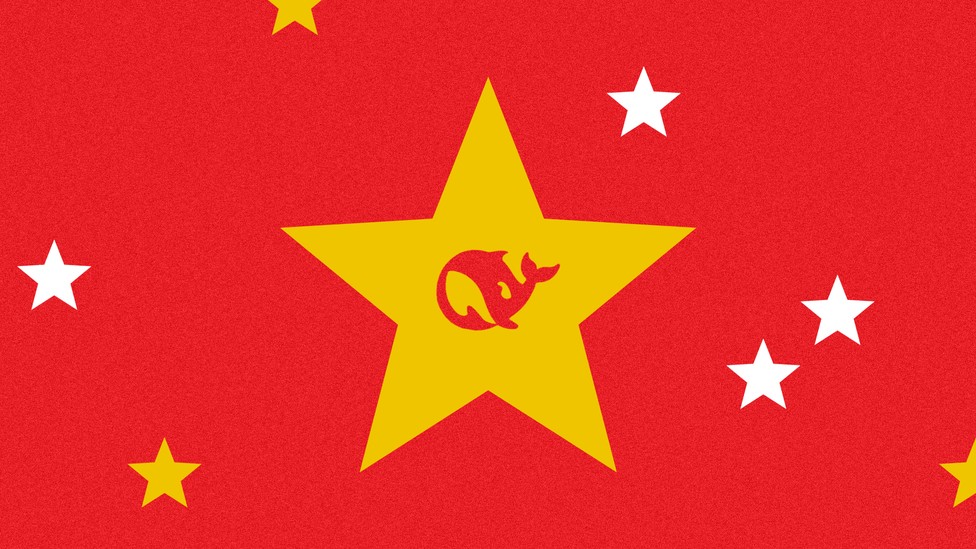
The recent emergence of DeepSeek, a Chinese-developed AI application, has had a profound impact on the American tech ecosystem. In a single day, the U.S. technology sector experienced a staggering loss of nearly $1 trillion in market value. This downturn was primarily driven by significant declines in major tech stocks, with companies like Nvidia losing approximately 17%, equating to nearly $593 billion in market capitalization.
This event underscores the vulnerability of the U.S. tech industry to external technological advancements and market dynamics. The introduction of a competitive AI product from China not only challenges the market share of American tech giants but also raises concerns about the future competitiveness of U.S. technology on the global stage.

Impact of American Tariffs on International Trade
The administration's implementation of tariffs aims to protect domestic industries and address trade imbalances. However, these measures have elicited responses from international partners:
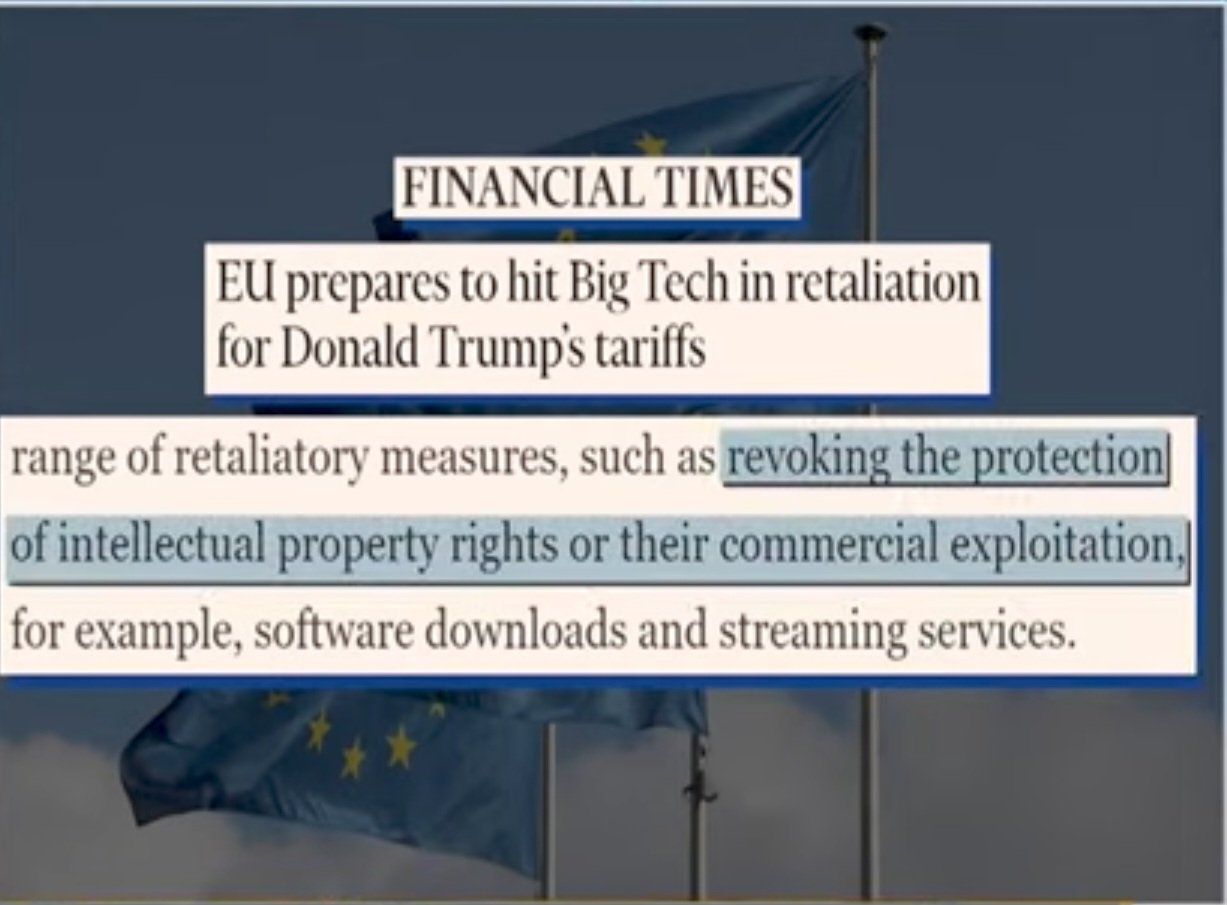
• European Union (EU): The EU is considering countermeasures against U.S. tech companies in response to tariffs on European goods.
• China: China has announced plans to impose tariffs on U.S. goods, particularly affecting the energy, agricultural, and automobile sectors.
Potential Global Implications
If G20 nations, including China, South Africa, and the EU, implement retaliatory tariffs, the repercussions could be significant:
• American Companies: Increased costs for imported components may lead to higher consumer prices and potential disruptions in global supply chains.
• Global Tech Giants: Companies like Google, Facebook, Apple, Tesla, Ford, and Amazon could face challenges such as restricted market access and increased operational costs.
• Economic and Trade Relations: Escalating tariffs may strain diplomatic ties, leading to a reevaluation of existing trade agreements and partnerships.

If American tech companies were to face additional challenges such as increased restrictions, tariffs, and intensified investigations, the financial repercussions could be severe. Tariffs, for instance, have the potential to disrupt supply chains, increase production costs, and lead to higher prices for consumers. A report from the Consumer Technology Association indicated that tariffs on technology products could lead to a $90-$143 billion decline in U.S. consumer purchasing power, with purchases of laptops and tablets potentially declining by as much as 68%.

Key Considerations in Moving Forward
• What is the cost of achieving peaceful and fair trade negotiations?
• What would be the economic impact on each nation involved?
• If retaliatory tariffs persist, how will they affect the quality of life for Americans?
As the global trade landscape evolves, it is imperative to weigh the benefits of protective measures against potential economic and social costs. Collaborative dialogue remains essential to ensure mutual prosperity and maintain the quality of life that Americans cherish. Moreover, ongoing investigations and regulatory scrutiny can create an environment of uncertainty, deterring investment and innovation.

My Only Concern...
The American tech sector's resilience, as demonstrated in past market recoveries, may be tested under prolonged adversities. The combined effect of external competition, trade barriers, and regulatory pressures could lead to a contraction in market valuations, reduced global competitiveness, and potential job losses within the industry.
"I'm Not Saying Nothing, I'm Just Saying"
By Dr Jason Roy Llewelyn-Miller