


TrumpTaxCode Podcast Special Report: By Dr. Jason Roy Llewelyn-Miller
A Historic Meeting on U.S. Soil
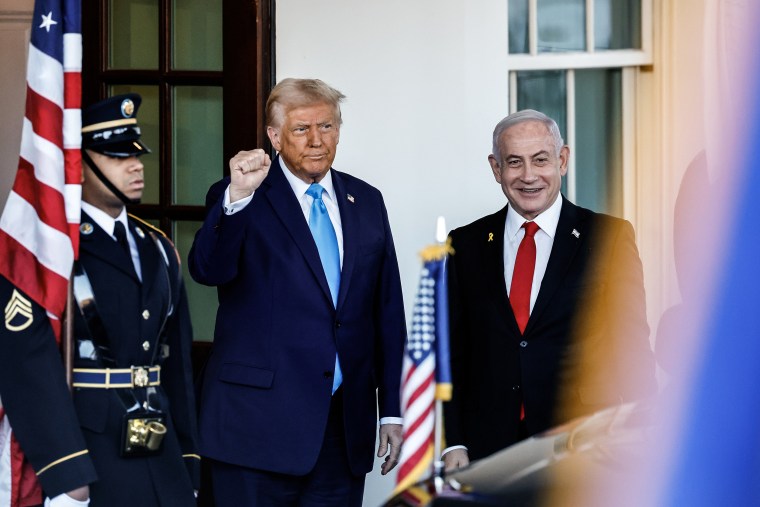
In a moment of geopolitical significance, Israeli Prime Minister Benjamin Netanyahu met with President Donald J. Trump following the intense conflict in Gaza. This meeting, which took place on U.S. soil, served as a powerful statement about America’s unwavering support for Israel and the strategic recalibration of U.S. policy in the Middle East. With the world watching, President Trump made it clear: America will stand with Israel, but it will also pursue a new, results-driven approach to stabilizing the region.

Trump’s Plan for America in Gaza
Unlike previous administrations that prioritized prolonged diplomacy without clear outcomes, Trump laid out a pragmatic plan centered on deterrence, economic leverage, and a no-nonsense stance against terrorism. The goal? To prevent Gaza from becoming another failed state controlled by radical elements while ensuring Israel’s right to security remains unchallenged.
President Trump’s vision includes:
• Stronger military deterrence against Hamas and any groups threatening Israel’s sovereignty.
• Economic pressure on regimes that fund instability, particularly Iran.
• Infrastructure and business development in Gaza—conditional on peace agreements being honored.
• A shift away from symbolic diplomacy towards action-driven peace deals, holding all parties accountable.

The Threat to Iran
In the wake of the war in Gaza, Iran remains a central concern. Unlike previous administrations that sought to appease Tehran through diplomatic incentives, Trump has signaled that America will not tolerate Iran’s proxy warfare in the region. Netanyahu echoed this sentiment, emphasizing that Israeli intelligence has evidence of direct Iranian involvement in supplying weapons to Hamas.
For Iran, this meeting was a clear message: the Trump administration does not believe in half-measures. Any aggression toward Israel will be met with severe economic and military consequences.

The Fragility of the Israel-Hamas Peace Agreement
While a ceasefire agreement between Hamas and Israel has been reached, its durability is in question. Historically, similar agreements have been used by Hamas to rearm rather than to pursue lasting peace. Trump’s approach contrasts with past administrations—he believes peace should be enforced through strength, not just diplomatic goodwill.
Netanyahu expressed cautious optimism but warned that any violations of the agreement would be met with decisive action. The underlying question remains: Will Hamas and its backers truly seek peace, or will they use this pause to prepare for the next conflict?

Netanyahu on America’s Role in the Region
The Israeli Prime Minister did not mince words when discussing America’s indispensable role in the Middle East. He reaffirmed that Israel sees the U.S. as its greatest ally, not just in military support but also in maintaining regional stability. Netanyahu praised President Trump for his boldness in recognizing Jerusalem as Israel’s capital, brokering the Abraham Accords, and not wavering in his commitment to Israel’s security.

Media Coverage: America vs. The World
One of the most striking aspects of this meeting was how differently it was covered in the U.S. versus internationally.
• American media, particularly left-leaning outlets, framed Trump’s stance as “escalatory” and “dangerous,” criticizing his lack of emphasis on Palestinian statehood.
• International leaders, especially in Europe and the Middle East, praised Trump’s pragmatic approach, acknowledging that real peace requires more than just diplomatic speeches.
This divergence in coverage reflects a broader reality: many in the American media prioritize ideological narratives over on-the-ground realities. Meanwhile, those who actually govern nations understand that peace is built through strength and clear policies, not just rhetoric.

Trump vs. Carter: Two Different Approaches to Gaza
It’s impossible to discuss America’s role in Gaza without contrasting Trump’s strategy with that of former President Jimmy Carter. Carter, known for his deep humanitarian efforts, walked the streets of Gaza and emphasized dialogue with Palestinian leadership. His approach was built on America’s moral responsibility and the hope that diplomacy alone could bring lasting peace.
Trump, however, takes a different view—believing that while humanitarianism is crucial, peace is only sustainable when backed by strength, deterrence, and economic pressure. Carter’s vision was idealistic, but Trump’s is pragmatic. The truth likely lies somewhere in between: peace requires both America’s strength and its humanity.
The Responsibility of All Nations
The path forward in Gaza is not solely America’s burden. Regional powers, including Egypt, Saudi Arabia, and the UAE, must play a role in ensuring that Gaza does not become a hub for extremism. Europe, too, must stop funding groups that perpetuate conflict under the guise of humanitarian aid. And most importantly, Palestinian leadership must choose between governing responsibly or remaining entrenched in cycles of violence.

Unlock The 13 Secrets Of The Money Pyramid
A New Chapter or More of the Same?
The meeting between Netanyahu and Trump was not just a diplomatic formality—it was a signal of a new strategy for the Middle East. Trump is making it clear that American leadership will not be dictated by media narratives or ideological pressure. The real question is whether the world is ready for a peace built on strength rather than empty promises.
The future of Gaza, Israel, and the broader Middle East hangs in the balance. The coming months will determine whether this was a historic turning point or just another chapter in an ongoing conflict. One thing is certain—under President Trump, America will not sit idly by. The world is watching.
TrumpTaxCode Podcast Special Report: By Dr. Jason Roy Llewelyn-Miller
" I'm Not Saying Nothing, I'm Just Saying "