
A Billionaire's Concern!
By Jason Roy Llewelyn-Miller
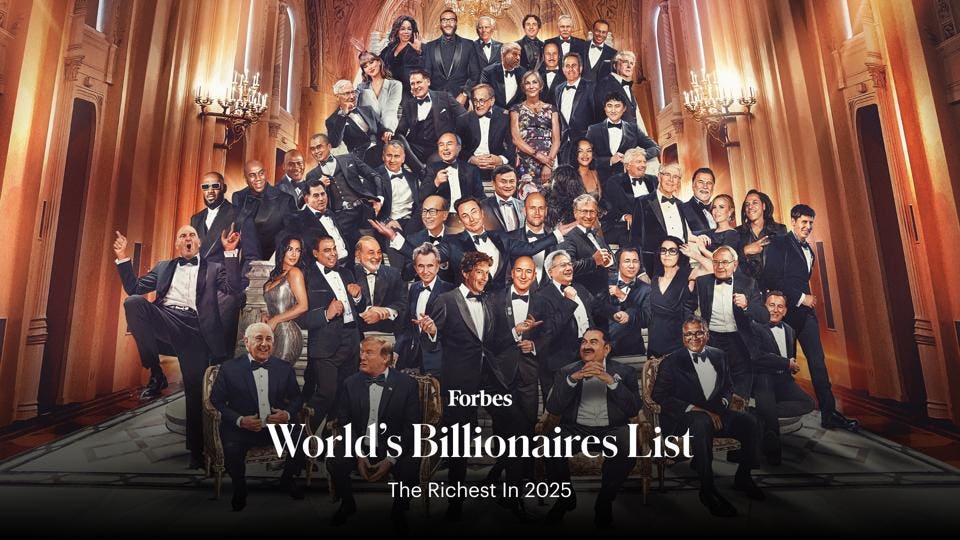
In the hallowed halls of power, whispers have grown into a crescendo of alarm among the super-rich. The titans of industry, with an unease that transcends their opulence, have become increasingly vocal about a potential crisis far worse than a mere recession. This crisis, a perfect storm brewing at the intersection of tariffs, artificial intelligence, robotics, and international politics, threatens to alter the global power structure irreversibly.
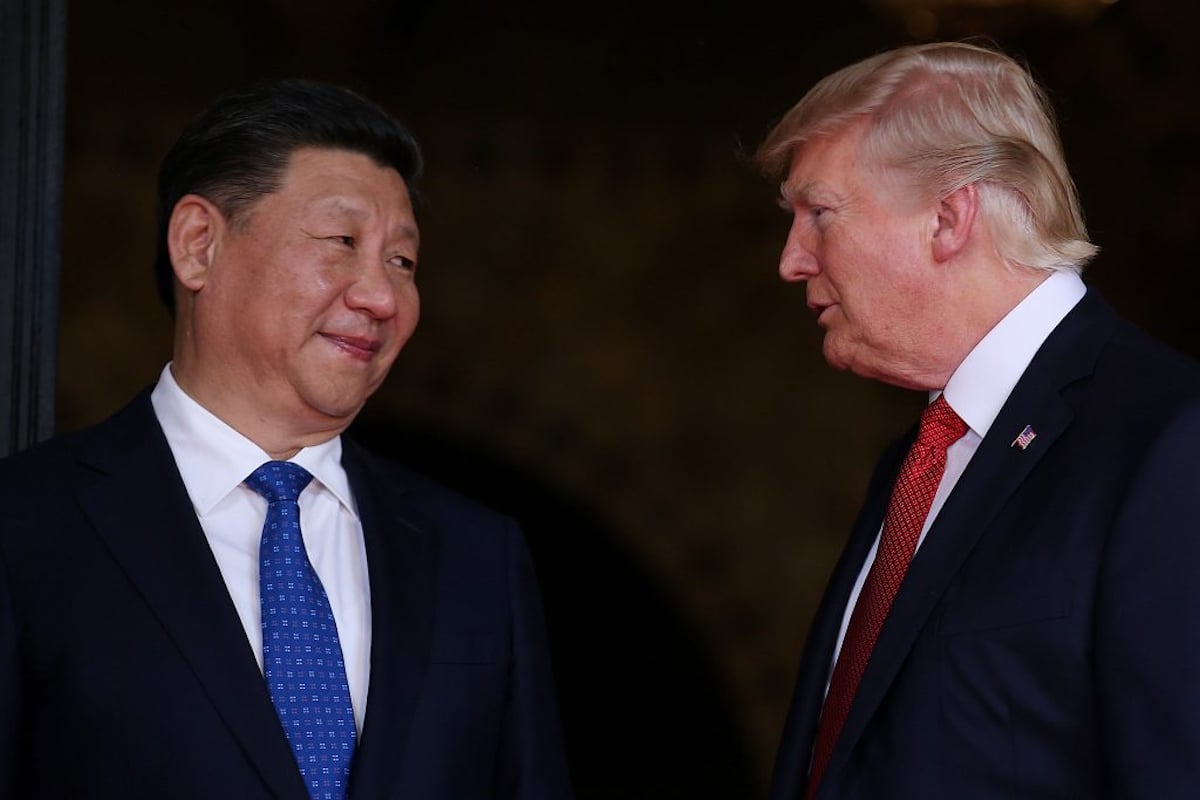
The Trump administration's tariff war with China, once seen as a bold strategic move to level the economic playing field, now appears to many as the catalyst for a global reordering. Billionaires, with their fingers on the pulse of global markets, have expressed deep concern over the domino effect of these tariffs. The price of these trade wars could be far higher than anticipated - ushering in an era of economic uncertainty, with a potential exodus of jobs not just to cheaper labor markets but to AI and robotics.

The Tariffs War and the AI-Robotics Arms Race
The tariffs imposed on Chinese goods have sparked a retaliatory cycle of protectionism, sending ripples through global supply chains and raising costs. Yet, these tariffs are but the prelude to a more profound issue: the AI and robotics arms race. As companies grapple with increased costs, many see automation as a lifeline. However, this is a double-edged sword. While productivity might surge, job displacement on an unprecedented scale looms on the horizon.
The billionaires' fear isn't just about job loss; it's about a global power shift. As China and the US race to dominate AI and robotics, other nations are forced to choose sides or develop their own capabilities. The EU, in response, may be on the cusp of launching its Emergency Basic Income (EBI) to cushion the blow of technological unemployment. This move, potentially driven by the need to maintain social stability, could redefine welfare states globally and challenge the US's hegemony in economic ideology.
Question ?
a).Given the escalating tariffs war, could the resulting economic uncertainty and job displacement pave the way for an irreversible shift in global power balance? How might the United States adapt its policies to maintain its economic leadership in this new world order?
b). Considering the rapid advancement in AI and robotics, how should society prepare for the potential mass displacement of jobs? Do you believe that preemptive measures like Universal Basic Income (UBI) should be seriously considered to prevent social unrest? Why or why not?

The EU's Emergency Basic Income: A Response and a Challenge
The concept of an Emergency Basic Income, while controversial, is gaining traction. EU officials, observing the seismic shifts in the global economy, may view EBI as a necessary countermeasure. The idea of providing a minimum income to all citizens, irrespective of employment status, is no longer relegated to the realm of futurists. It's becoming a pragmatic solution to the potential chaos of mass unemployment due to AI and robotics.
For the US, this could be a critical game changer. The American narrative has long been defined by its opposition to such welfare systems. Yet, the groundswell of concern over job displacement has forced a reevaluation. The recent mass immigration stance, combined with the so-called "DOGE fraud cleanse" and mass deportation efforts, can be seen as attempts to streamline the population for a potential UBI rollout. By reducing the denominator in the equation of national distribution, the US government might believe it can more easily implement a UBI system for American citizens.
Question?
If the EU implements an Emergency Basic Income, how might this challenge the longstanding American narrative about welfare states and individualism? Could such a move force the US to reconsider its stance on social welfare and prepare for a UBI future?

The Undercurrents of Change: UBI and a New American Identity
The whispers among the elite suggest that UBI is not just a solution but an inevitability. As AI and robots threaten to replace millions of jobs over the next five years, the need for a safety net becomes paramount. The billionaires' fear? That without a carefully managed UBI implementation, social unrest could spiral out of control.
Moreover, the curious behavior of EU and Canadian government officials using burner phones to travel in the USA points to a climate of extreme caution and perhaps, clandestine negotiations. Could these shadowy meetings be about coordinating efforts to mitigate the fallout of an AI-driven job apocalypse? Or are they discussing strategies to counteract the US's potential UBI implementation and its impact on global markets?
Question?
Considering the current US stance on mass immigration and its potential connection to UBI implementation, how might the government ensure that UBI serves as an effective safety net without exacerbating existing social tensions or economic disparities?
The High Stakes of Power and Prosperity
The titans of industry are not just concerned about their bottom lines; they are worried about the reshaping of the world order. A global shift in power, away from the traditional stalwarts of the US and towards a multipolar world order, is on the horizon. This shift could see China, bolstered by its AI and robotics prowess, and the EU, fortified by its welfare innovations, challenging US supremacy.
The billionaires' anxiety is palpable. They foresee a world where economic might no longer translates directly into political power. The looming AI and robotics revolution, coupled with the economic reconfigurations spurred by the tariffs war and potential global UBI implementations, is a recipe for unprecedented change.
Question?
Why might EU and Canadian officials resort to using burner phones when traveling to the US? Could this be indicative of a climate of distrust or heightened security concerns related to the global implications of AI, UBI, and the shifting power dynamics? What does this say about international cooperation in the face of these challenges?
The Road Ahead
As we stand on the precipice of this new era, it's clear that the challenges ahead are formidable. The Trump administration, through its trade policies and immigration stances, is crafting a legacy that may redefine America's future - for better or for worse. The billionaires' concerns are a reflection of the broader anxieties gripping the globe.
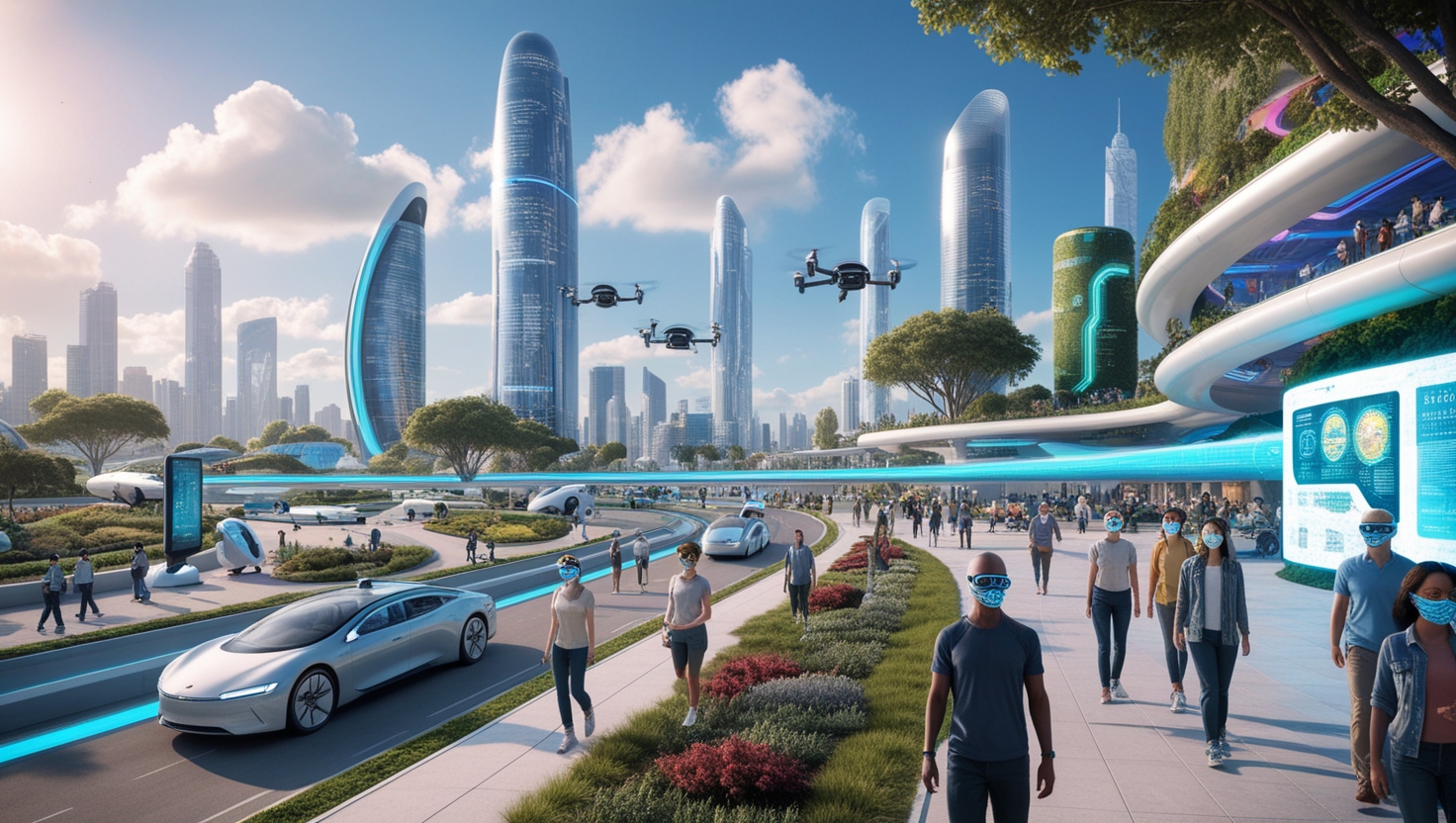
The US must navigate these treacherous waters with a clear vision and a steadfast commitment to its people. As AI and robotics reshape the economic landscape, the implementation of a Universal Basic Income could be a lifeline. However, it must be approached with the understanding that this is not just an economic measure but a societal one. It will redefine the American dream, reengineer the social contract, and recalibrate the global power balance.
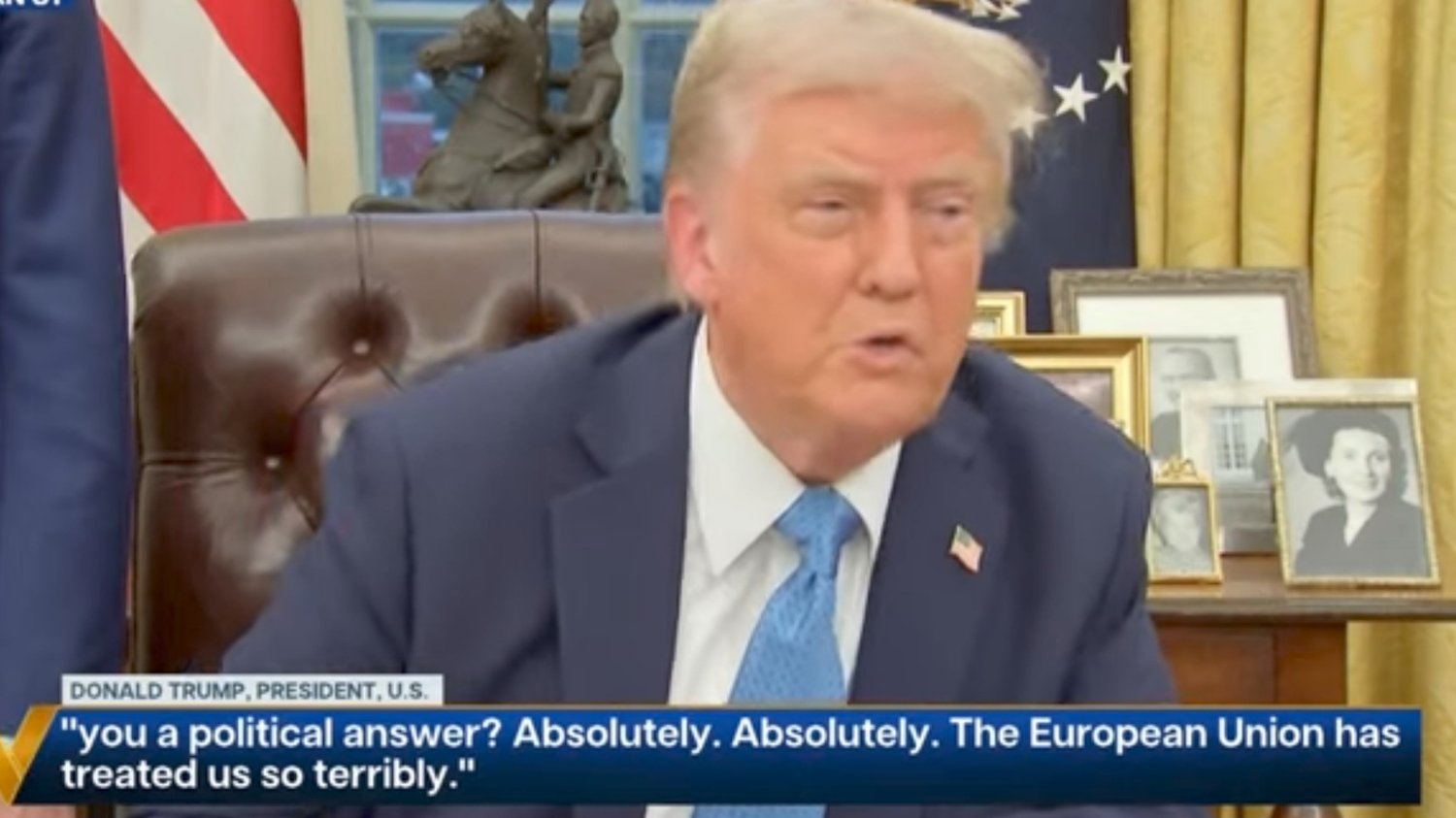
In this era of uncertainty, the actions of today will undoubtedly echo through the annals of history. Will the US lead or follow? Will it adapt or falter? Only time will tell, "American Golden Age Has Begun" - Donald Trump. but the whispers of the billionaires suggest a storm is brewing, and the world is watching – with bated breath.
The American Economic Physiology: How Tariffs Built a Nation—And What Capitalism Changed

The Golden Age of American Prosperity: Built on Tariffs
In the 1800s and early 1900s, the United States was an economic powerhouse—not by accident, but by design. Before income taxes (which were only permanently instituted in 1913 with the 16th Amendment), the U.S. government funded itself primarily through tariffs—taxes on imported goods. This system wasn’t just about revenue; it was about **protectionism, fostering domestic industry, and ensuring American workers thrived.

During this era:
- American manufacturing boomed—factories produced steel, textiles, machinery, and consumer goods.
- Innovation flourished—Edison, Ford, Carnegie, and Rockefeller built empires on U.S. soil.
- Infrastructure expanded—railroads, bridges, and highways connected the nation.
- The American Dream was attainable—a factory worker could support a family, buy a home, own two cars, and send kids to college.
This was economic physiology at its finest: a circulatory system where money flowed into domestic production, wages stayed strong, and the nation grew self-sufficient.
What Changed? The Shift from Protectionism to Global Exploitation
The downfall began when the government introduced income taxes, opening a new revenue stream that allowed policymakers to shift away from tariffs. Then came free trade agreements, outsourcing, and excessive imports—all under the banner of "global capitalism."

Key Economic Disruptions:
1. Income Taxes (1913) – Instead of taxing foreign goods, the government taxed American labor, reducing disposable income.
2. Outsourcing Labor – Corporations chased cheap labor overseas, hollowing out U.S. factories.
3. Trade Deficits – The U.S. now consumes 10x more than it produces, relying on foreign manufacturing.
4. Declining Wages – Jobs moved overseas, wages stagnated, and the cost of living skyrocketed.
The result? A nation that once built things now buys things, drowning in debt while foreign economies profit from our consumption.
Tariffs: A Solution to the Bleeding Economy?
One way to stop the hemorrhage is to return to tariffs—taxing imports to incentivize domestic production. This isn’t just theory; it’s history. When tariffs were high, America’s industrial base was strong. But today, the U.S. operates on debt-fueled consumerism, with the government wasting tax dollars on inefficient programs instead of reinvesting in industry.

The Rise of DOGE & the Spotlight on Government Waste
Interestingly, Elon Musk (DOGE)—once a joke—has exposed how reckless government spending has become. While politicians print money and inflate the dollar, decentralized currencies highlight the failure of centralized economic control.
Many Americans are now realizing they’ve been subjected to BUI (Broke Under Influence)—a systemic conditioning to accept debt, low wages, and dependency as "normal." The financial system is designed to keep people consuming, not producing stuck with (BUI) Basic Universal Income.
Reclaiming Economic Sovereignty
The American Dream wasn’t built on free trade—it was built on economic discipline, tariffs, and domestic production. If the U.S. wants to restore its economic physiology, it must:
- Reinstate strategic tariffs to protect key industries.
- End reckless outsourcing and bring manufacturing home.
- Cut government waste and redirect funds to infrastructure and innovation.
- Encourage financial literacy to break the cycle of BUI.
The choice is clear: return to economic fundamentals or continue bleeding out. The golden age didn’t disappear by accident—it was dismantled. Now, it’s time to rebuild.
"I'm Not Saying Nothing I'm Just Saying"
By Jason Roy Llewelyn-Miller
Leadership Institute For Excellence
Email: Lifeai@usa.com