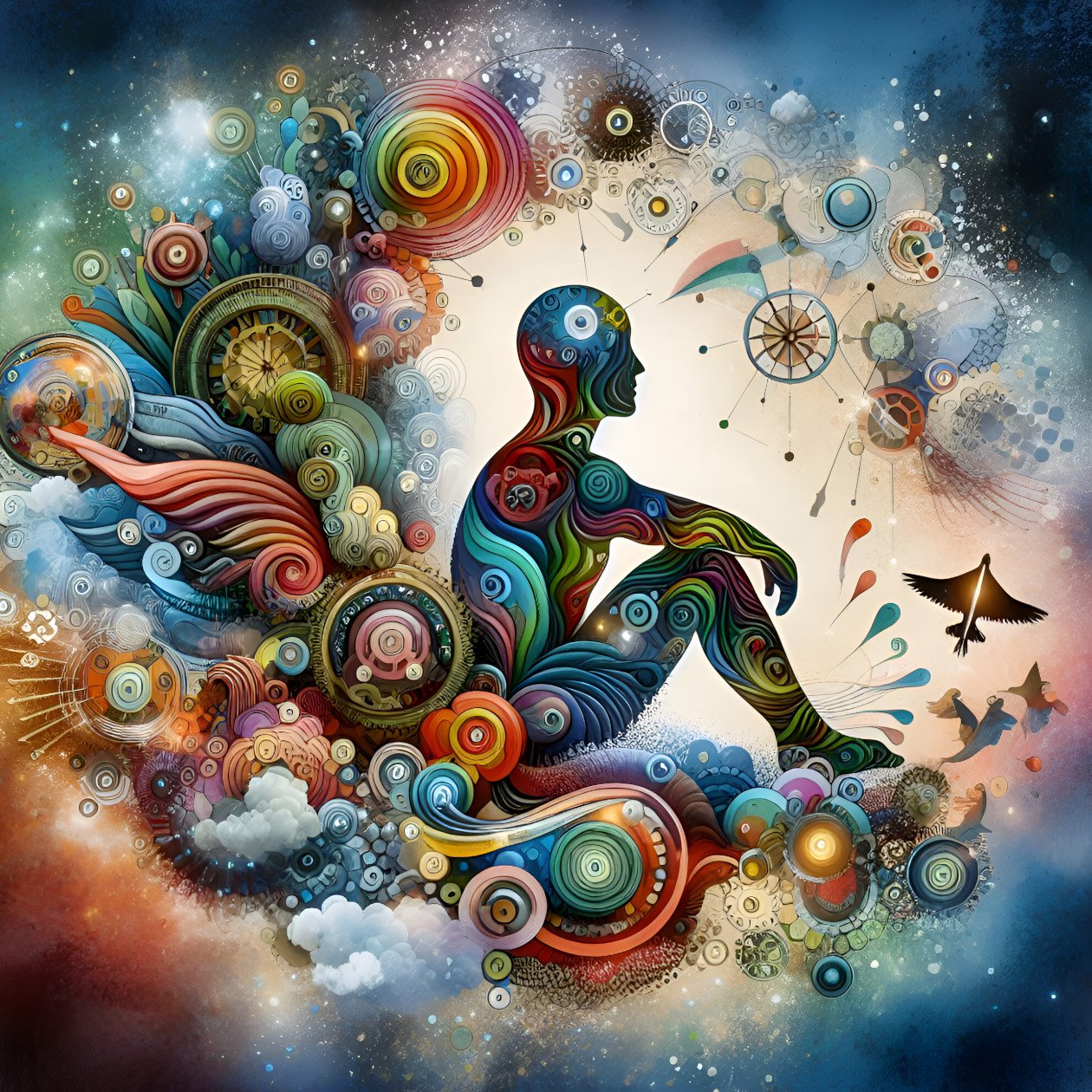


Imagination is the ability to form mental images, concepts, and sensations that are not directly perceived through the senses. It allows us to visualize scenarios, dream up new ideas, and create mental narratives that extend beyond our current reality. Imagination is not just the domain of artists and dreamers; it is a cognitive skill that everyone possesses and utilizes daily.
The Essence of Imagination
- Creativity: At its core, imagination fuels creativity. It provides the raw material for artists, writers, scientists, and thinkers to conceive new ideas, develop innovative solutions, and create works of art that captivate and inspire.
- Problem-Solving: Imagination enables us to think beyond conventional boundaries, allowing us to explore alternative solutions and approaches to challenges. It is a critical tool in problem-solving and innovation.
- Empathy: Imagination allows us to put ourselves in others' shoes, understanding their feelings and perspectives. This empathetic imagination fosters deeper connections and compassion.
The Role of Imagination in Everyday Life
- Childhood Development: Imagination is crucial in childhood development. Through imaginative play, children develop cognitive and social skills, learn to solve problems, and explore the world around them.
- Innovation and Progress: Throughout history, imagination has been the driving force behind groundbreaking inventions and scientific discoveries. From the light bulb to the internet, imaginative thinking has paved the way for human advancement.
- Mental Well-Being: Imagination plays a significant role in mental health and well-being. It provides an escape from the stresses of daily life, offering a space for creativity and relaxation.
Cultivating Imagination
- Daydreaming: Allow yourself time to daydream and let your mind wander. Daydreaming can lead to unexpected insights and creative breakthroughs.
- Reading and Storytelling: Engaging with stories, whether through reading or storytelling, stimulates the imagination and expands our mental horizons.
- Exploration and Curiosity: Cultivate a sense of curiosity and exploration. Try new activities, visit new places, and expose yourself to different experiences to fuel your imagination.
- Mindfulness and Reflection: Practice mindfulness and take time to reflect. Mindfulness can help quiet the noise of daily life, allowing your imagination to flourish.
The Impact of Imagination on Art and Culture
Imagination is the bedrock of artistic expression. Artists, writers, musicians, and filmmakers rely on their imaginative capacities to create works that move, inspire, and challenge us. Imagination allows artists to transcend reality, explore abstract concepts, and convey deep emotional truths. It shapes our culture, influences our values, and enriches our collective human experience.
Imagination is a powerful and transformative force that resides within each of us. It is the key to creativity, innovation, empathy, and personal growth. By nurturing our imaginative capacities, we can unlock new possibilities, solve complex problems, and enrich our lives in countless ways.