


The assertion that "Christianity is Christ" encapsulates a profound theological truth, shifting the focus from a mere system of beliefs and rituals to the living person of Jesus Christ. While Christianity undoubtedly possesses doctrine, ethics, and traditions, its essence lies not in adherence to these elements alone, but in a dynamic relationship with Christ himself. This essay will explore how this central idea permeates Christian theology and practice, demonstrating that Christianity, at its core, is Christ.
Firstly, the New Testament, the foundational text of Christianity, consistently emphasizes the centrality of Christ. The Gospels portray Jesus not merely as a teacher or a prophet, but as the Son of God, the Messiah, and the embodiment of God's love and grace. His life, death, and resurrection are presented as the pivotal events in human history, offering salvation and reconciliation with God. The Apostle Paul, a key figure in early Christianity, repeatedly stresses that believers are "in Christ," signifying a union with him that transcends mere intellectual assent. This concept of "union with Christ" is crucial, as it suggests that Christain identity is not defined by external practices but by an internal, transformative connection with Jesus.
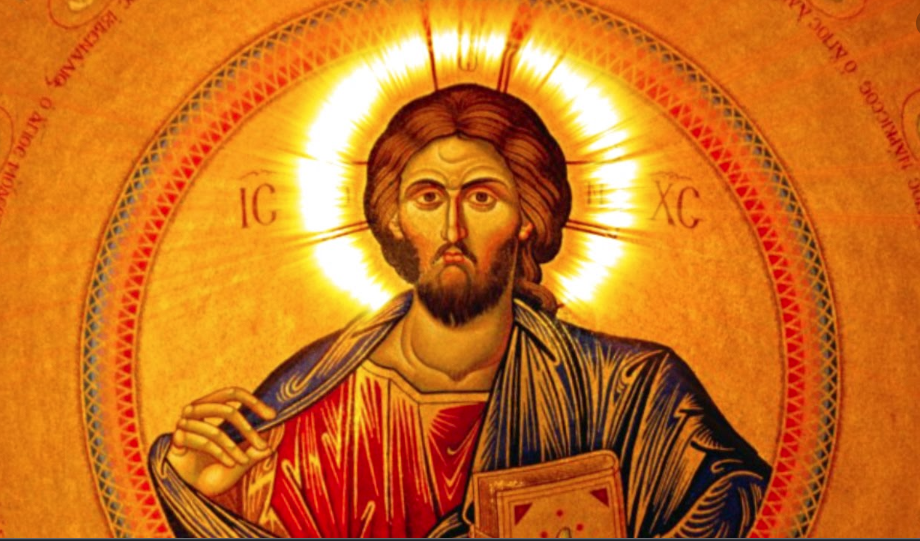
Moreover, the core doctrines of Christianity are inextricably linked to the person of Christ. The doctrine of the Trinity, for instance, affirms that God is Father, Son, and Holy Spirit, with Jesus Christ being the second person of the Trinity. The doctrine of atonement, which addresses the issues of sin and redemption, centers on Christ's sacrificial death on the cross, understood as the means by which humanity is reconciled with God. The doctrine of incarnation, the belief that God became flesh in the person of Jesus, underscores the unique and irreplaceable role of Christ in God's plan of salvation. These doctrines are not abstract theological concepts but are rooted in the lived reality of Jesus Christ as presented in the Scriptures.
Furthermore, Christian ethics and morality are derived from the character and teachings of Christ. The Sermon on the Mount, for example, outlines a moral vision that emphasizes love, forgiveness, and humility, reflecting the character of Jesus. Christians are called to emulate Christ's example, to "walk as Jesus walked," demonstrating love and companion in their interactions with others. This emphasis on imitating Christ highlights that Christian living is not about adhering to a set of rules but about embodying the virtues exemplified by Jesus.

The sacraments of Christianity, such as baptism and communion, also point to the centrality of Christ. Baptism symbolizes the believer's union with Christ in his death and resurrection, signifying a new life in him. Communion, or the Lord's Supper, commemorates Christ's sacrifice and fosters a spiritual communion with him. These sacraments are not merely symbolic rituals but are understood as means of grace through which believers experience the presence and power of Christ.
Finally, the Christian experience of faith is fundamentally relational, centered on a personal encounter with Christ. Through prayer, worship, and the study of Scripture, Christians seek to deepen their relationship with Jesus, experiencing his love, guidance, and transformation. This personal relationship with Christ in the lifeblood of Christian faith, providing strength, hope, and purpose.

In conclusion, the assertion that "Christianity is Christ" emphasizes that the heart of the Christian faith is not a set of abstract ideas or rigid rules, but a living, dynamic relationship with the person of Jesus Christ. His life, death, and resurrection, his teachings and example, and his ongoing presence in the lives of believers are the foundation of Christianity. To understood Christianity is to understand Christ, and to experience Christianity is to experience him. Therefore, Christianity, at its deepest level, is indeed Christ.