
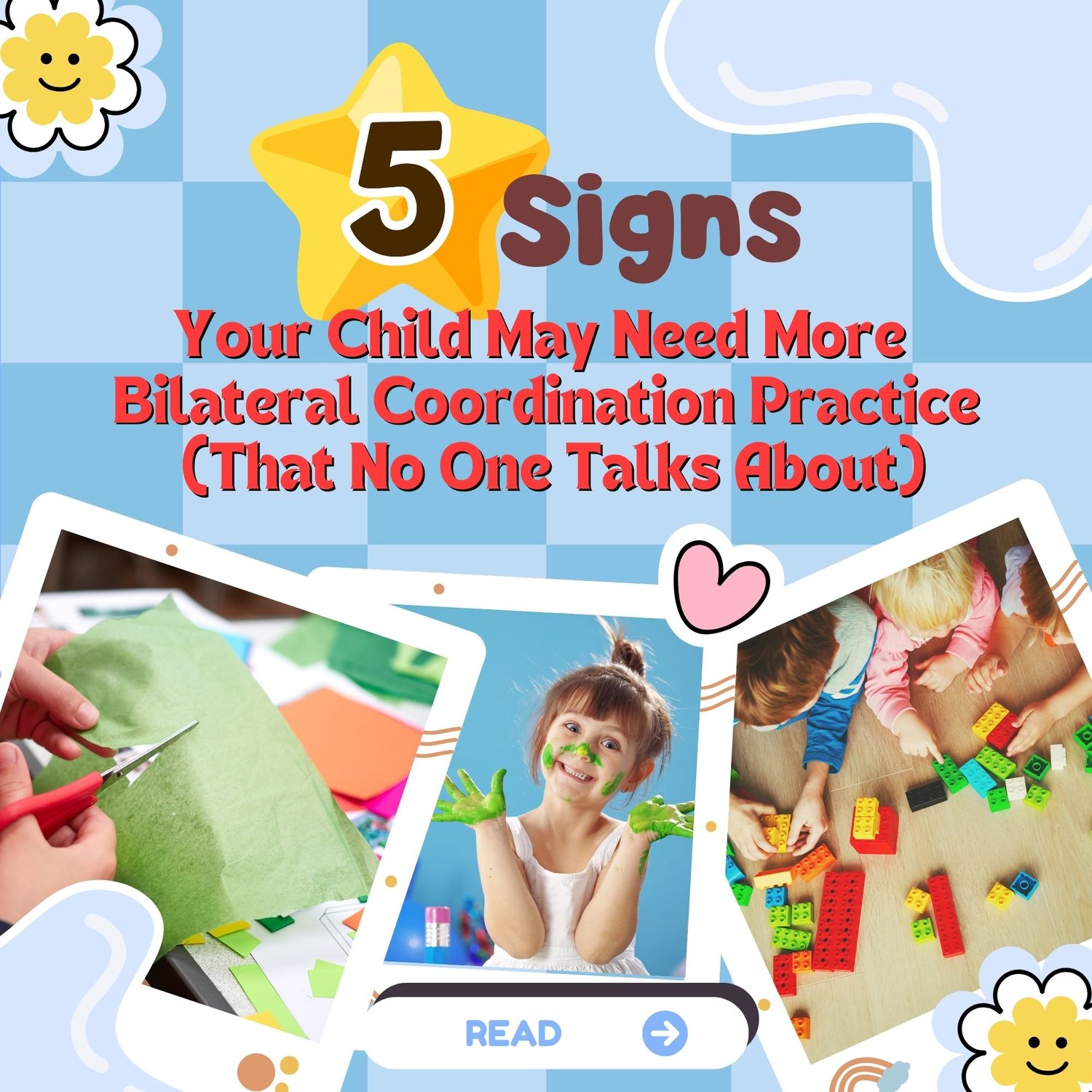
Have you ever noticed that your child gets unusually frustrated with “handwork” tasks—like cutting, colouring, or putting on clothes by themselves? It might look like they are just not interested, but often there is a quiet skill underneath that still needs time to grow. That skill is called bilateral coordination.
Bilateral coordination is the ability to use both sides of the body together in a smooth, organised way. It is not just about muscles; it is like a “brain bridge” that helps the left and right sides of the brain talk to each other. When that bridge becomes stronger, it supports focus, handwriting, reading, self‑care, and even your child’s confidence later on in school life.
Let’s gently walk through five common signs that your child may benefit from more playful bilateral coordination practice.
What Is Bilateral Coordination — In Parent Language?

In professional terms, bilateral coordination means the brain can coordinate “both sides” of the body at the same time or in an alternating pattern. But in parent language, it looks more like this:
- One hand holds the paper while the other hand cuts with scissors.
- One hand holds the notebook while the other hand writes.
- One hand holds the bowl while the other hand scoops food.
- Legs take turns climbing up the ladder to the slide.
- Hands clap along to a song, changing speed or patterns.
Every time your child uses both sides of their body together with a rhythm or purpose, their brain is secretly “working out”. The left and right hemispheres send messages back and forth through the corpus callosum, strengthening the pathways needed for learning and movement.
5 Gentle Signs Your Child May Need More Bilateral Coordination Play
These signs are not meant to label or worry you, but to help you understand where your child might need a little extra support—through play.
1. Scissor skills and paper tasks cause quick frustration
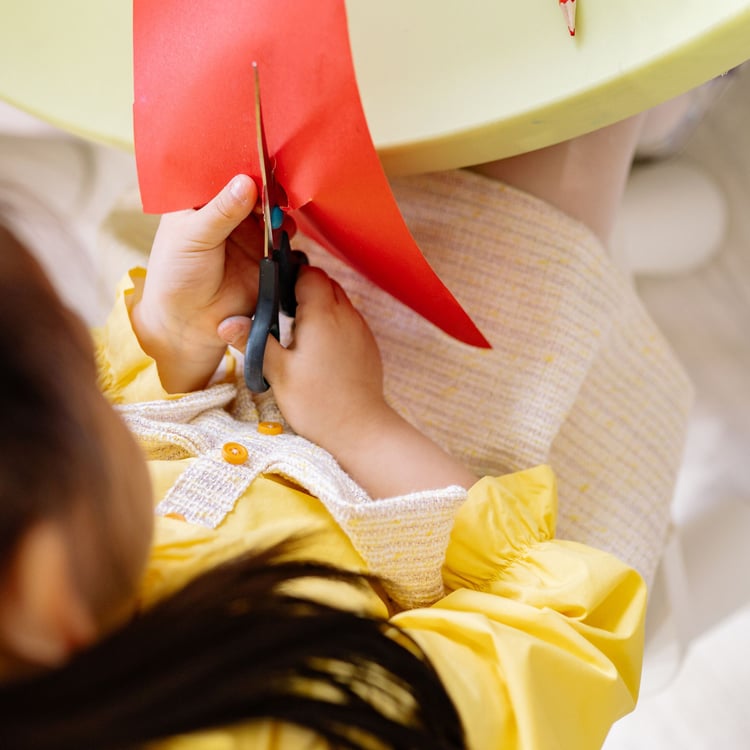
When you offer cutting activities, your child might:
- Hold the scissors in an awkward way.
- Struggle to use the “helping hand” to turn or hold the paper.
- Cut far away from the line or lose track easily.
- Say “I’m tired” or “I don’t want to” after just a few tries.
This is not just about “learning how to cut”. The brain is trying to coordinate one hand that holds and moves the paper while the other hand opens and closes the scissors in rhythm. That is a big bilateral coordination job for a small body.
2. Avoiding two‑handed play
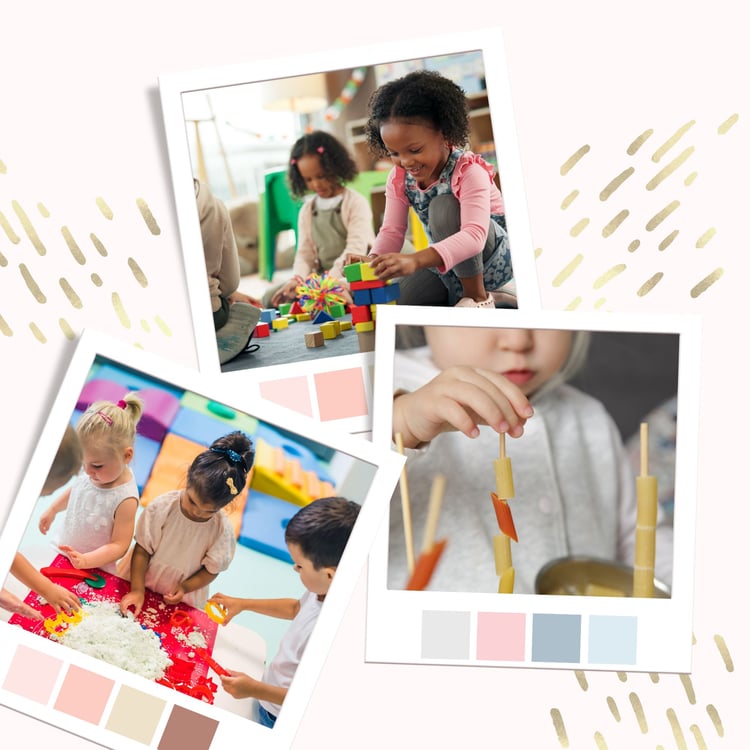
Some children naturally choose toys that only require one hand at a time—like pushing a car back and forth—rather than activities such as:
- Building with blocks or bricks.
- Completing jigsaw puzzles.
- Playing with playdough.
- Threading beads or lacing cards.
If your child consistently avoids or quickly abandons these two‑handed activities, it might be their body’s way of saying, “This is still hard for me,” rather than “I don’t like it.”
3. Struggling with dressing tasks like buttons, zips, and shoes
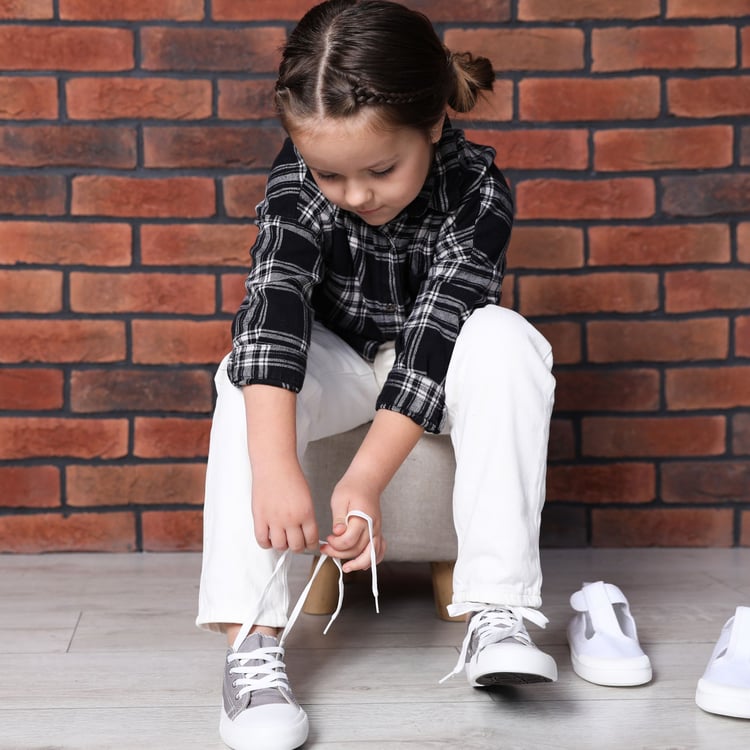
Getting dressed is a huge bilateral coordination workout:
- One hand holds the shirt while the other pulls it down.
- One hand stabilises the fabric while the other hand pulls the zipper.
- One hand holds the shoe while the other guides the foot in.
If your child often asks for help, seems clumsy when trying, or takes a very long time with dressing tasks, it may not be laziness. Their brain and body are still learning how to make both sides of the body cooperate smoothly.
4. Sitting for table activities is extra hard
Bilateral coordination also involves the core and posture—not just hands. When a child sits at a table to draw, write, or build, their body needs to:
- Keep the trunk fairly steady on the chair.
- Use one hand to hold the paper or object.
- Use the other hand to draw, write, or build.
If coordination and postural control are still developing, you may see your child:
- Shifting positions constantly.
- Leaning very close to the paper.
- Leaving the activity after just a minute or two.
Sometimes what looks like “poor attention” is actually a body that is working very hard just to stay organised at the table.
5. Getting upset when movement patterns change quickly
Simple games such as:
- Clapping along to a song.
- Acting out movement songs (“hands up – touch your shoulders – touch your knees – touch your toes”).
- Throwing and catching a ball while switching hands.
…can feel surprisingly challenging when bilateral coordination and cognitive flexibility are still developing. If your child becomes confused, slows down, or quits as soon as the pattern gets faster or more complex, that may be a sign that their brain is still practising how to switch movements and information between both sides efficiently.
How Can Parents Support This Skill in a Gentle Way?
The good news is that you do not need a therapy gym at home. Small, playful moments across the day can do a lot. Think of it as sprinkling “two‑handed brain games” into your routine rather than adding more work to your to‑do list.
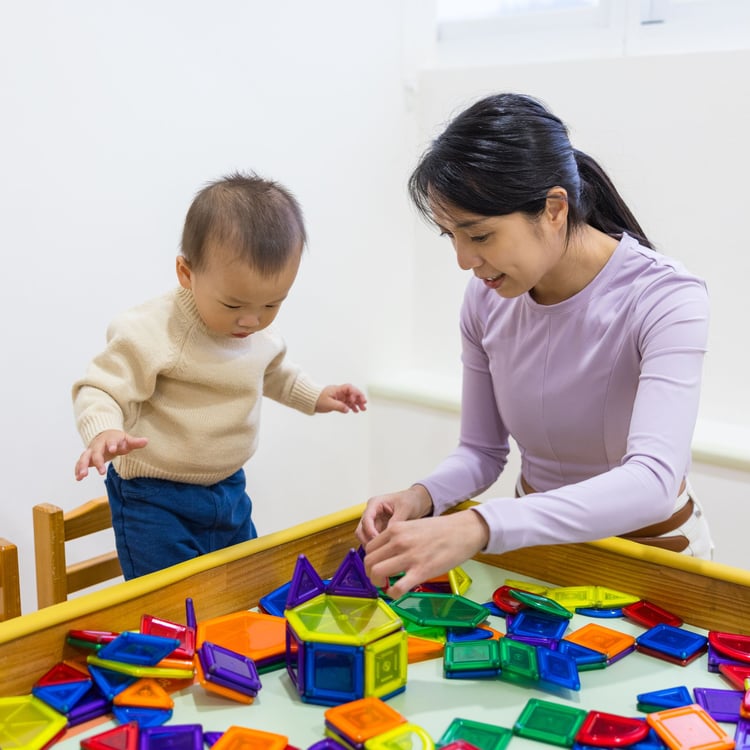
Simple ideas you can try:
- Clap‑along songs
- Choose a favourite children’s song and create a simple pattern like clap–tap the table–tap knees. Let your child copy you and slowly increase the challenge.
- Ball games
- Start by rolling or tossing a soft ball with two hands, then progress to throwing with one hand and catching with two, or switching hands.
- Art and craft time
- Encourage tearing, rolling, squeezing, and sticking paper or playdough. These all ask the hands to cooperate in different ways.
- Path‑following games
- Draw simple paths on paper or use tape on the floor and let your child trace with fingers or walk along them. This adds visual tracking to bilateral movement.
The key is to keep it playful. The more fun your child has, the more their brain will naturally build and strengthen these pathways.
Turning Bilateral Coordination Practice into a Daily Game
If you like the idea of helping your child build this “brain bridge” but do not always have the time or energy to design new activities, there is an easier way.
That is why the Hand Pop Series was created. Each printable game board invites your child to:
- Use both the left and right hand to land on coloured spots.
- Switch between different hand shapes (like a gentle fist, a “karate chop”, or a high‑five) as they move down the page.
- Follow a path from top to bottom, combining movement, focus, and fun.
In just a few minutes a day, children get to practise:
- Bilateral coordination – using both hands together in a purposeful way.
- Attention and visual tracking – following the path and matching the colours.
- Confidence – finishing the “challenge” and feeling proud of themselves.
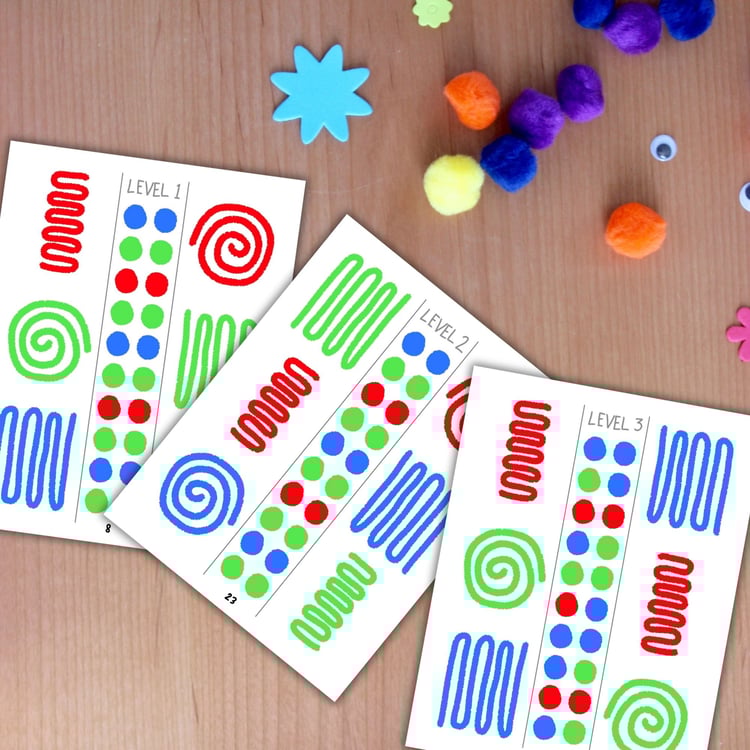
You can start small by trying 👉 a free sample page with your child. If it clicks with them and fits your routine, you can then move on to 👉 the complete Hand Pop Bundle for more paths and levels to play through over time.
Little, playful moments really can build big skills. One sheet of paper, two little hands, and a few minutes of connection each day can quietly strengthen your child’s body, brain, and belief in themselves.