
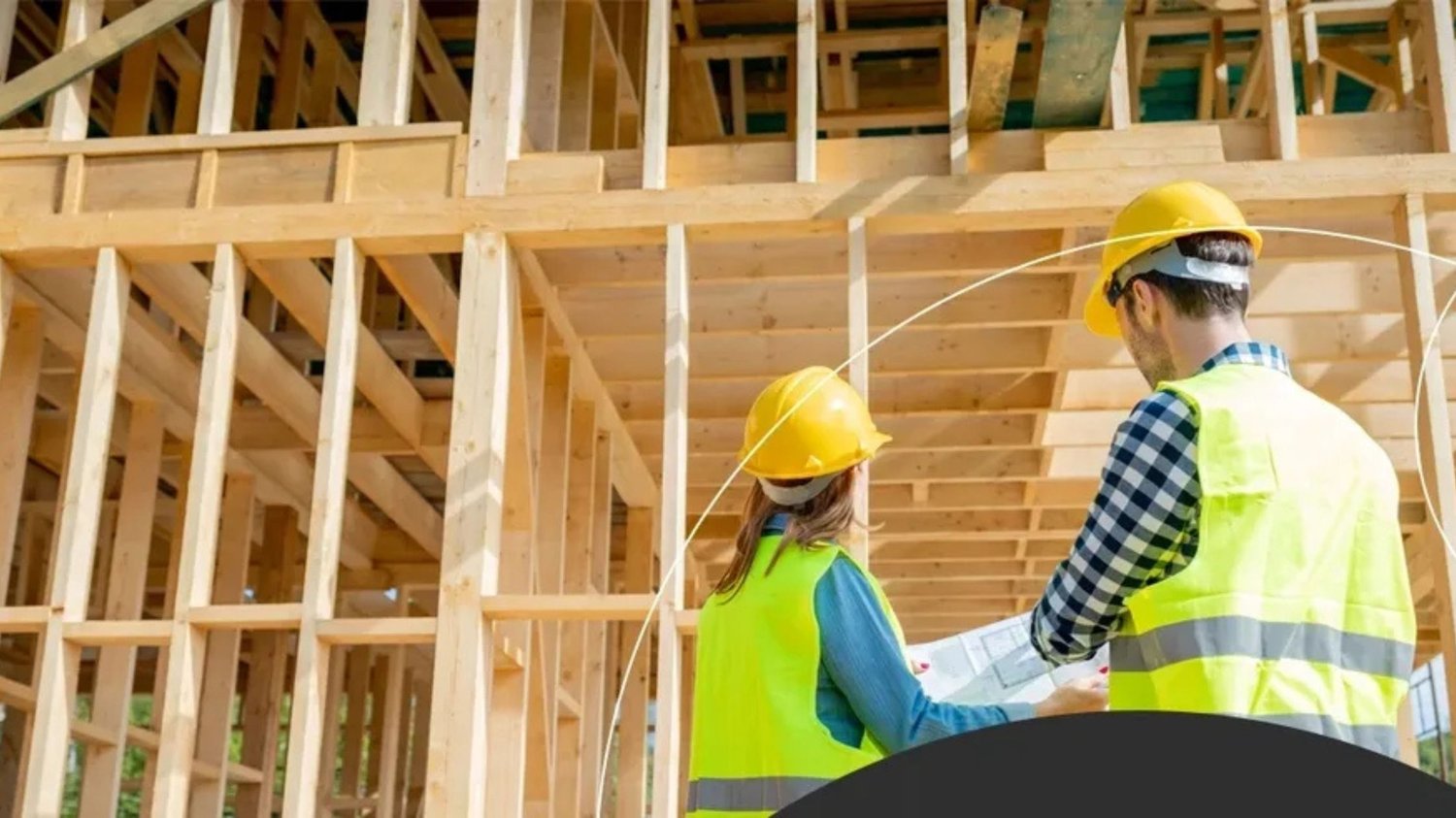
The future is arriving in small tremors. They show up in the way our buildings breathe, settle, and shift as climate patterns change and materials age. It feels a bit like living inside a slow, intelligent machine, one that constantly rewrites its behaviour based on pressure, temperature, and time. In the midst of this evolution, the role of forensic structural engineering has become unexpectedly central. It’s no longer just about diagnosing failures, it’s about understanding how structures evolve and how to keep them resilient in a world that grows more complex every year.
Where the Story Really Begins
Every structure begins as a promise, a statement of safety, ambition, and stability. But that promise is always challenged by reality. Weather systems arrive with more intensity. Urban density increases. Materials endure stress cycles that no blueprint could predict twenty years ago.
That’s where modern forensic structural engineering firms step in. Once viewed as specialists who appeared only after something had gone wrong, they are now guardians of longevity. They translate cracks, distortions, moisture trails, and subtle misalignments into insights about how a building is changing and what it needs next.
The shift feels like moving from reactive maintenance to structural intelligence. And it’s changing the way homeowners, builders, and commercial developers think about safety.
Reading Buildings Like Living Systems
Good forensic engineers don’t just analyze damage, they interpret behaviour. A small crack along a ceiling line might look like a cosmetic annoyance, but in the context of shifting soils or repetitive thermal cycles, it’s a conversation. It’s a clue.
When forensic structural engineering is practiced with precision, the work becomes almost diagnostic. Much like a physician reading early biomarkers, engineers identify patterns that are invisible to the untrained eye.
Short paragraphs, crisp notes, careful measurements. Each one adds to a picture of how a structure is performing. In a city or neighbourhood with dynamic soil movement, for instance, a beam that tilts a few millimetres could represent months of subtle pressure changes. In coastal areas, a faint rust bloom may indicate salt intrusion long before it becomes a structural threat.
This is where the true craft lies: connecting the micro to the macro, the cosmetic to the consequential.
The New Age of Prevention, Not Panic
We’re living in a time when prevention holds more value than repair. Construction costs continue to rise, materials are harder to source, and downtime for commercial structures can echo through balance sheets. Modern forensic structural engineering firms have evolved accordingly, shifting toward a preventive model that emphasizes long-term safety.
Think of it as literacy. When people understand the meaning behind structural signals, they make better decisions. They budget more wisely. They avoid the trap of quick fixes and instead choose solutions that address the root cause.
This preventive approach mirrors other industries. Cybersecurity, healthcare, even supply chain strategy—every critical system now operates with a “monitor, predict, prevent” mindset. Forensic engineering is simply following the curve of modern risk intelligence.
Technology That Reveals the Invisible
The world of diagnostics has become more advanced, and buildings benefit from it just as much as people or machines. Engineers today use tools that can see what human eyes cannot:
• High-resolution digital scans
• Moisture mapping
• Thermal imaging
• Load-distribution modelling
• Non-destructive testing
Each tool captures a layer of structural truth that, when interpreted correctly, paints a clearer picture of performance.
This technological shift has elevated forensic structural engineering from a niche specialty to a critical service for anyone who owns, manages, or builds property. It also means that engineers no longer wait for “failures.” They preserve, predict, and enhance—something older models of maintenance rarely achieved.
A Culture That Values Insight Over Fear
One of the biggest misconceptions is that calling a forensic firm is a sign of alarm. In reality, it’s a sign of maturity.
Much like going for a financial audit or an annual health check, engaging a structural expert signals that a property owner is thinking long-term. It’s a mindset that prioritizes clarity over crisis.
By working with forensic structural engineering firms, clients gain an understanding of:
• where vulnerabilities exist,
• how fast they may progress,
• what interventions matter most, and
• how to extend the life of their structure without unnecessary disruption.
In a world where everything moves quickly and unpredictably, this level of insight creates a sense of steadiness that’s increasingly rare.
A Future Built on Clarity
The work of forensic structural engineering doesn’t always draw headlines, but its impact is everywhere. It shows up in buildings that stand straighter for longer, in foundations that weather unexpected storms, in homes and commercial spaces that remain safe, even as environments shift.
We’re learning to see our structures not as fixed objects, but as evolving systems shaped by time and circumstance. And in that shift, forensic engineering becomes more than a technical service, it becomes an anchor.
If you think about it, the best future is one where stability isn’t taken for granted, it’s maintained with care, intelligence, and timely intervention. And that future is already unfolding—quietly, steadily, one inspection and one insight at a time.