
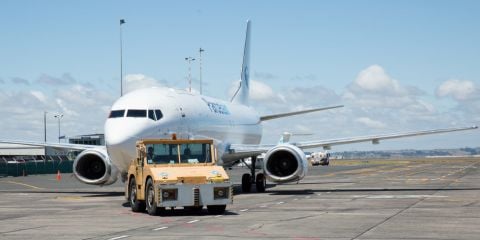
A clear sky offers no place to hide from rising operational costs. Airlines currently face a choice between heavy capital expenditure and agile resource management. Aircraft Leasing stands out as the smartest fleet strategy today because it preserves liquidity while shifting the burden of asset depreciation to a third party. This approach allows carriers to scale rapidly without the suffocating weight of long-term debt on their balance sheets.
Capital Preservation and Liquidity
Cash remains the lifeblood of any aviation business. Buying a plane outright ties up millions of dollars in a single, depreciating metal tube. Leasing transforms that massive upfront cost into predictable monthly payments. Airlines then use that saved capital for route expansion, marketing, or other operating expenses.
Market volatility makes large ownership stakes risky. Fuel prices fluctuate and demand shifts overnight. Operators who lease can adjust their financial exposure as market conditions change. Low initial investment requirements mean new entrants can start flying sooner. Even established giants use this method to keep their debt-to-equity ratios healthy for investors.
Modernizing the Fleet Without Risk
Technology in aviation moves fast. Newer engines burn less fuel and produce fewer emissions. Owning a plane for thirty years often means flying an obsolete machine for the final decade. Leasing solves this by providing access to the latest models every few years.
Maintenance costs also scale with the age of the airframe. Newer leased aircraft come with lower upkeep requirements and better reliability. When the lease term ends, the operator simply returns the aircraft. They avoid the headache of trying to sell an old plane in a saturated used market.
How Does ACMI Aircraft Lease Support Peak Seasons?
Fluctuations in passenger demand happen every year. Summer holidays and winter breaks create massive spikes that a standard fleet cannot always handle. An ACMI Aircraft Lease provides a turnkey solution for these temporary surges.
This specific arrangement covers the aircraft, crew, maintenance, and insurance. It allows an airline to add capacity without hiring permanent staff or worrying about technical oversight. The "wet lease" model serves as a safety valve. If a plane goes down for unscheduled repairs, this setup keeps the schedule intact. It prevents brand damage caused by cancellations.
Strategic Flexibility in Unstable Markets
Airlines must be ready to pivot. A route that was profitable last year might fail tomorrow due to geopolitical shifts. Owning a fleet makes such pivots slow and expensive. Leasing provides the exit strategy necessary for modern survival.
Contracts can be structured to match specific growth phases. Some carriers opt for short-term deals to test new markets. Others choose long-term arrangements for core routes. This modularity ensures that the airline remains lean and responsive.
Why Is Risk Mitigation Essential for Modern Carriers?
Asset value risk is a silent profit killer. The secondary market for planes can crash without warning. Owners take the full hit when the resale value of their fleet drops. Lessees do not carry this specific burden.
Residual value risk stays with the lessor. The airline focuses entirely on the operational side of the business. Regulatory changes also pose a threat. If new noise or emission laws are passed, a lessee can transition to compliant models at the next contract break. Owners might find themselves stuck with grounded, unmarketable assets.
Operational Advantages
● Rapid Deployment: Speed to market increases when you don't wait for a direct purchase closing.
● Simplified Accounting: Monthly payments are easier to track and forecast than complex depreciation schedules.
● Off-Balance Sheet Options: Certain structures allow for better financial reporting and borrowing power.
● Tax Efficiency: Lease payments often qualify as deductible operating expenses.
● Reduced Overhead: The lessor often handles complex record-keeping and major overhaul planning.
● Standardization: Carriers can more easily maintain a "young" fleet age, which appeals to modern passengers.
● Customization: Lease terms often allow for specific cabin configurations suited to the airline’s brand.
● Global Mobility: Moving a leased asset between different regional subsidiaries is often legally simpler.
Expert Portfolio Management
Successful aviation businesses focus on flying passengers, not managing heavy machinery portfolios. Strategy today requires a mix of permanent and temporary capacity. High-performing airlines use a blend of dry and wet leases to stay competitive.
Efficiency drives every decision in the cockpit. The same logic should apply to the boardroom. Choosing the right partner for fleet growth determines the long-term viability of the company. Expert guidance ensures that the contract terms reflect the actual needs of the flight schedule.
The Role of Modern Financing
Standard bank loans for aviation are becoming harder to secure. Traditional lenders view the industry as high-risk. Leasing companies fill this gap by acting as both the financier and the technical expert. They look at the asset value differently than a local bank would.
This specialized knowledge translates to better rates for the operator. Lessors manage thousands of assets, giving them economies of scale that a single airline cannot match. They pass these savings on through competitive monthly rates.
Conclusion
Smart fleet management centers on agility and the protection of capital. Aircraft Leasing provides the necessary framework to survive a volatile global economy. Outsourcing asset risk allows airlines to focus on service quality and network expansion.
MFS Aircraft serves as a premier partner for those seeking these operational advantages. The company offers aircraft & jet engine financing, leasing, and sales to a global clientele. Expertise in technical management and financial structuring helps clients secure the right assets at the right time. Reliable growth comes from a balanced fleet strategy. MFS Aircraft delivers the tools required to keep those strategies airborne.