
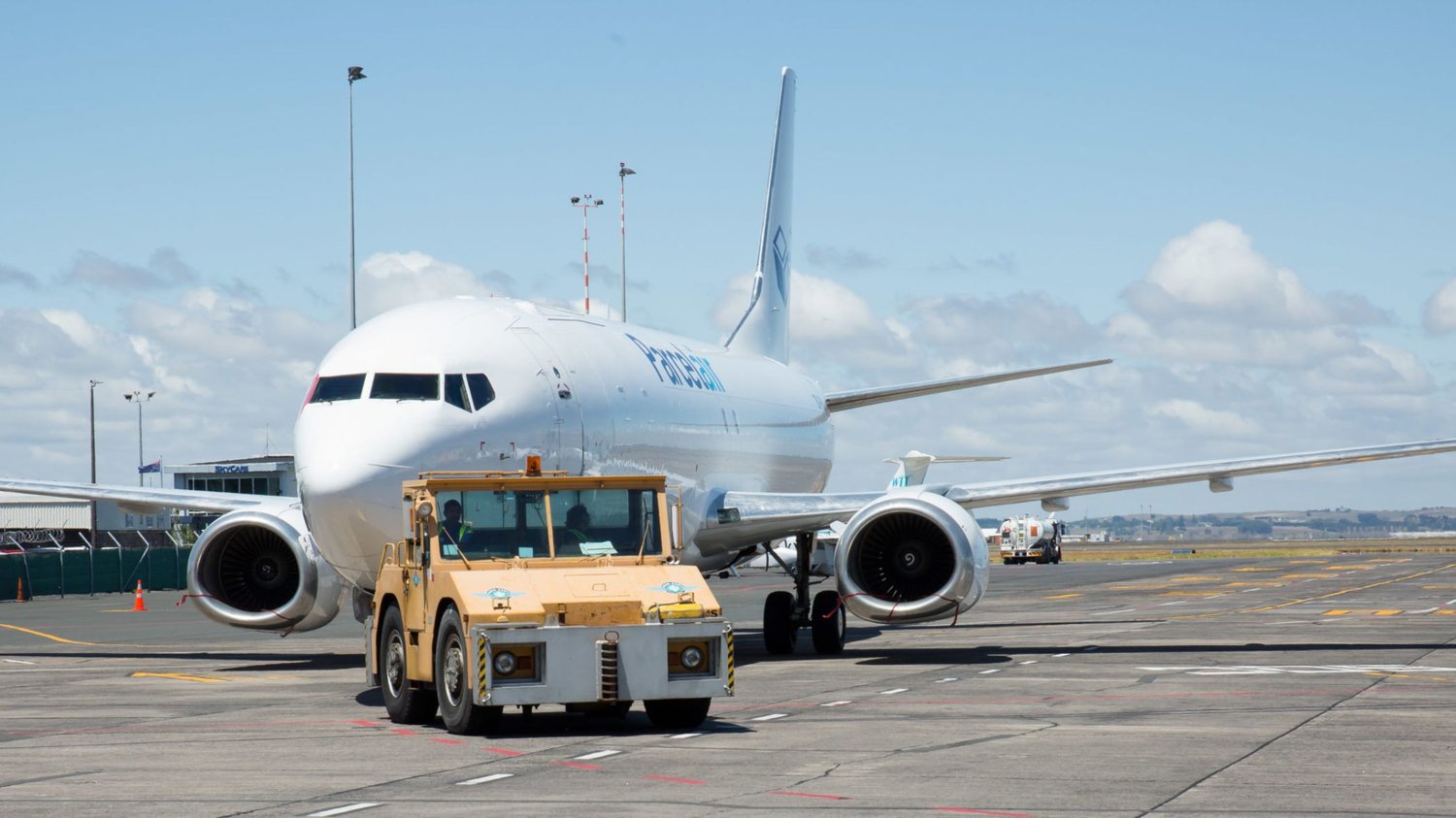
A parked aircraft used to mean the end of its value story. Not anymore. Today, fleets are shifting shape more often. Carriers are no longer holding onto aircraft for long periods. The goal is to stay flexible. That flexibility relies on being able to move jets in and out of service with less friction. That’s where aircraft remarketing steps in.
Aircraft Remarketing Services have changed from a passive process to a sharp, high-stakes trade. The decisions tied to fleet strategy now include exit points, asset age, and resale value. It’s no longer only about flying planes. It’s about managing them as assets. The strategy now involves knowing not just what to fly, but when to buy, sell, or return it. As global air travel patterns shift, this piece has become more important.
Fleet Age is No Longer Just a Number
Aircraft age used to be the biggest measure of resale value. The older it was, the harder it was to sell. That thinking has changed. Airlines now retire jets sooner than before. Not because they’re falling apart, but because newer models offer better returns.
At the same time, buyers are no longer only chasing fresh-off-the-line jets. Many want aircraft that are already in service, that can be deployed with fewer lead times. Especially in regions where demand surges faster than supply.
That shift changes how airlines plan exits. Some carriers already know the likely resale window before they even receive a new jet. It shapes lease terms, fleet size, and financial planning. Resale expectations are part of the initial decision now—not an afterthought.
Covid Reset the Playbook
What the industry saw during the pandemic wasn’t just a slump. It was a total reset. Aircraft were grounded by the thousands. It forced a rethink. Dozens of carriers had to cut fleets, fast. Some never returned to pre-2020 models. They adopted smaller, more agile setups.
The used aircraft market became a lifeline. Many carriers picked up mid-life jets to get back in the air without the long wait for factory orders. Lessors had to shift fast, too. They began working with remarketing teams to place aircraft in emerging markets, cargo operations, or startup carriers.
What came out of that crisis was a new mindset. Fleets must be able to adjust fast. That flexibility leans on effective remarketing. Without it, aircraft become stranded assets.
Technology is Improving the Game
Aircraft remarketing isn’t guesswork anymore. Tools now track market demand, flight cycles, engine hours, and lease return conditions in detail. That data helps identify the best resale windows.
More importantly, it helps avoid downtime. Every day an aircraft sits on the ground post-lease is a cost. With real-time data, remarketing teams can line up new placements months ahead. That smooth handoff is now expected.
It also adds to aircraft value. Buyers see lower risk in jets that are already mapped to future use. So the better the remarketing prep, the better the sales result.
The Financing Link
Aircraft Leasing and Financing decisions are often tied directly to resale potential. An aircraft that holds value better will get better lease rates. That means remarketing outcomes aren’t just useful—they shape the starting terms of the deal itself.
Investors want to know where the exit lies. Remarketing strategy gives them that answer. Strong placement history, lower downtime between leases, and good return records all feed into financing confidence.
And this flows back into fleet strategy. Airlines working with leasing partners who focus on remarketing strength often get better terms, lower risk, and smoother fleet changes.
Engine Value is Becoming a Focus
Remarketing used to focus only on the aircraft body. That’s no longer enough. The engines now carry major weight in resale decisions. Especially in mid-life jets.
Buyers want full maintenance history, performance data, and remaining time on key parts. If the engines are near overhaul, that cuts value. But well-managed engines can boost resale significantly.
Some remarketing teams now pair aircraft with fresh engine service contracts to help make the deal. It’s a simple concept: sell more value, not just hardware. It reflects a broader trend. Fleets are not just equipment—they're investment tools.
MFS Aircraft: Experience That Moves Aircraft Forward
For more than two decades, MFS Aircraft has been a reliable name in aviation finance and sales. The firm specializes in Aircraft & Jet Engine Financing, Leasing and Sales. With a global reach and strong network ties, MFS Aircraft has consistently helped airlines, operators, and investors meet their fleet goals with less delay and more precision.
The company’s experience includes direct ties with major banks, leasing houses, and private capital partners. That means clients receive more than just access—they gain strategic insight. Every aircraft has a lifecycle, and MFS Aircraft knows how to plan for each phase. From initial purchase to remarketing or part-out, they assist at every point.
The value lies not just in assets moved, but in deals made smart. Each project gets attention suited to its complexity, be it a single narrowbody or a fleet-wide reshuffle. No client is boxed into a fixed model. MFS Aircraft understands that each requirement is unique and answers it with flexible, financially sound solutions.
Clients count on their discretion, insight, and reliability. With more than 25 years behind them, MFS Aircraft has earned that trust many times over. And in a market shaped by constant shifts, those are the qualities that matter.