
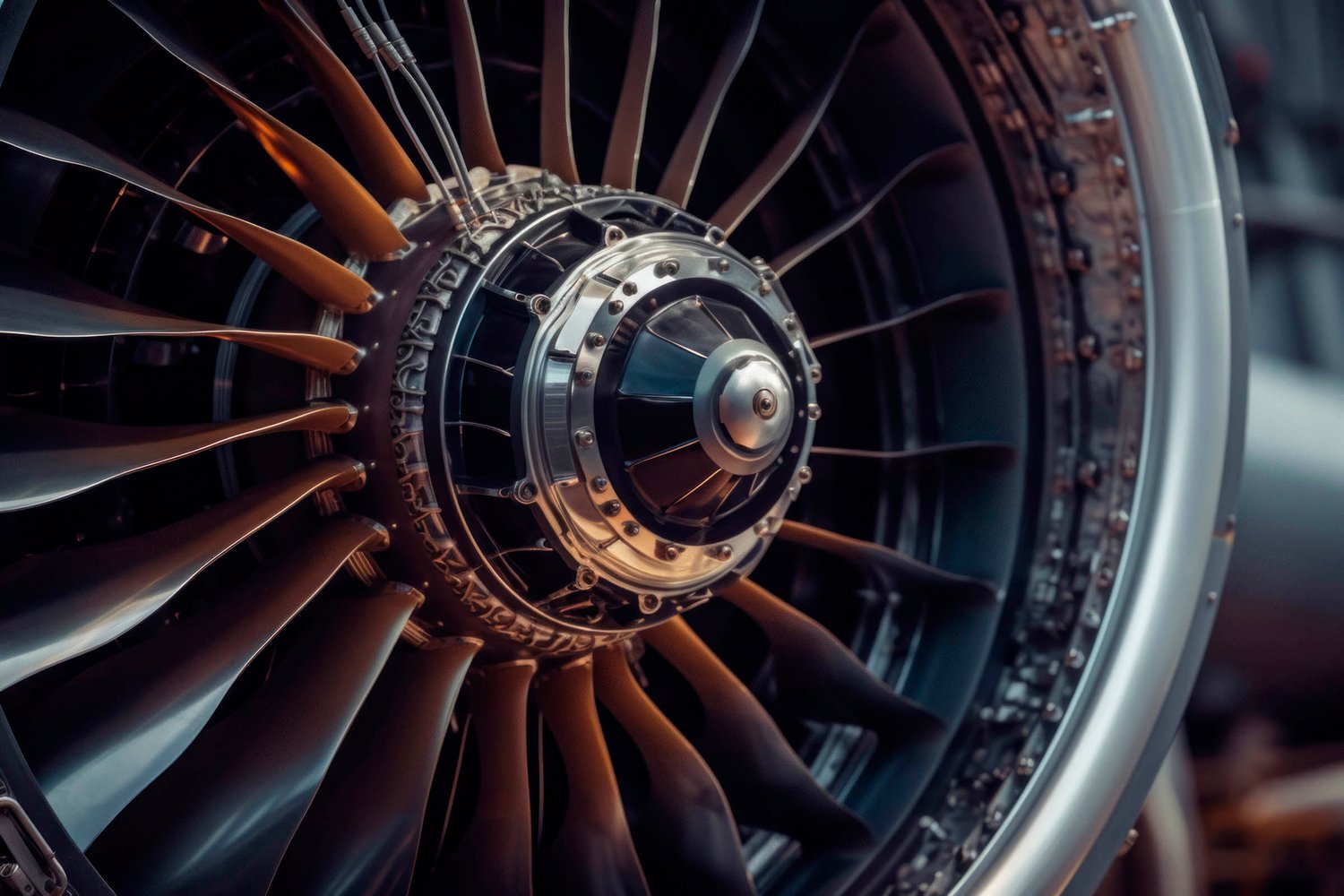
A jet engine hanging under a wing I s a masterpiece of engineering, but it becomes a massive financial liability the moment it enters a maintenance shop. Airlines use specialized financing during these periods to avoid grounding their aircraft and to preserve liquid cash that would otherwise be swallowed by million-dollar repair bills. Utilizing Aircraft Engine Lease Finance allows operators to swap a timed-out engine for a functional one immediately, ensuring the airframe continues to generate revenue while the original unit undergoes technical restoration. This strategy transforms a potentially crippling capital expense into a manageable operational cost, keeping flight schedules intact and balance sheets stable.
The High Cost Of Engine Downtime
Grounding a plane because an engine is in the shop is the fastest way to lose money in aviation. Modern turbofans require overhaul visits every few thousand cycles to maintain safety and efficiency. These visits can last months depending on parts availability and shop capacity. An idle airframe still incurs lease payments, insurance costs, and hangar fees.
Leasing a spare engine during this window prevents the "AOG" or Aircraft on Ground status. It fills the gap so the airline can fulfill its ticket obligations to passengers. Most carriers cannot afford to keep a fleet of spare engines sitting in a warehouse. They rely on the secondary market to provide short-term propulsion solutions.
Capital Preservation In Maintenance Cycles
Overhauling a single wide-body engine can cost upwards of ten million dollars. Paying this amount upfront can drain an airline’s emergency reserves instantly. Financing the lease of a replacement engine spreads the financial burden over time. This approach keeps cash free for fuel, payroll, and route expansion.
Lenders and lessors structure these deals to match the airline’s cash flow. Monthly payments are much easier to forecast than a sudden, massive bill from a maintenance, repair, and overhaul (MRO) facility. Predictability is the cornerstone of a successful aviation business model.
Why Is Short-Term Leasing Better Than Buying Spares?
Owning a spare engine is a luxury that few regional or mid-sized airlines can justify. Engines are depreciating assets that require constant monitoring and preservation even when they are not flying. A leased engine arrives ready to work and leaves when the job is done.
● Reduced Inventory Risk: Airlines avoid the risk of owning an engine model that might become obsolete.
● Flexible Capacity: Operators can lease more engines during peak summer seasons and return them during slow winters.
● Technical Support: Lessors often include maintenance support as part of the financing package.
● No Long-term Debt: Short-term leases do not usually require the same heavy debt load as a direct purchase.
The Role of Technical Management
Lenders look closely at the "green time" remaining on a leased engine. This term refers to the number of flight hours or cycles left before the next major shop visit. A lease finance deal ensures the airline gets an engine with enough life to cover the entire overhaul period of their original unit.
Detailed records are vital during this swap. Every bolt and blade must have a paper trail that satisfies aviation authorities. Specialized firms provide aircraft remarketing services to ensure these engines find new homes or lease contracts once their current mission ends. Efficient record-keeping speeds up the transition between the shop and the sky.
How Does Engine Finance Improve Operational Reliability?
Mechanical failures happen without warning despite the best maintenance schedules. Having a financing line ready for a spare engine acts as an insurance policy against unpredictability. It allows the operations team to focus on logistics rather than worrying about the budget.
● Rapid Response: Pre-approved financing lines allow for the immediate shipment of a replacement engine.
● Fleet Standardization: Leasing helps maintain a consistent engine type across the fleet even when specific units are away.
● Maintenance Planning: Airlines can schedule overhauls during low-demand periods without fearing a total loss of capacity.
● Logistics Coordination: Financing packages sometimes cover the cost of shipping the heavy engine stands and the units themselves.
Strategic Asset Management
Airlines must view engines as separate assets from the airframe. The engine often holds a significant portion of the total aircraft value. Managing these components through lease finance protects the overall value of the fleet. It ensures that no single mechanical failure can jeopardize the financial health of the company.
Market conditions for engines fluctuate based on global supply chains. Sometimes parts are scarce, making overhauls take longer than expected. A flexible finance agreement can be extended to cover these delays. This flexibility is something a direct purchase simply cannot offer.
Maximizing Residual Value
Keeping an engine in top condition preserves its resale value. Regular overhauls are mandatory, but the way they are funded impacts the bottom line. Using a lease during the overhaul ensures the airline doesn't cut corners on the repair work due to cash shortages.
High-quality repairs lead to better fuel efficiency and lower emissions. These factors are becoming increasingly important for regulatory compliance and environmental goals. A well-funded maintenance strategy is a sustainable strategy.
Global Logistics and Swap Agreements
Shipping a jet engine is a massive undertaking involving specialized trucks and cargo planes. Lease finance companies often have global hubs to minimize these transit times. They position assets near major MRO centers to serve airlines faster.
Swap agreements allow an airline to trade a timed-out engine for a fresh one permanently. This is a common move for older fleets where a full overhaul might cost more than the engine's total value. It provides a way to keep the plane flying without a massive capital injection into a dying asset.
Final Thoughts
Successful fleet management requires a balance between mechanical readiness and financial agility. Utilizing Aircraft Engine Lease Finance serves as a vital tool for navigating the expensive reality of engine overhauls. This strategy ensures that planes stay in the air and capital stays in the bank. MFS Aircraft provides the specialized financial structures needed to keep turbines spinning. Expertise in asset valuation and technical management allows for seamless transitions during heavy maintenance events. MFS Aircraft helps clients avoid the pitfalls of grounded fleets through tailored engine solutions. Choosing the right partner for engine support ensures that every overhaul is a step toward growth rather than a financial setback.