
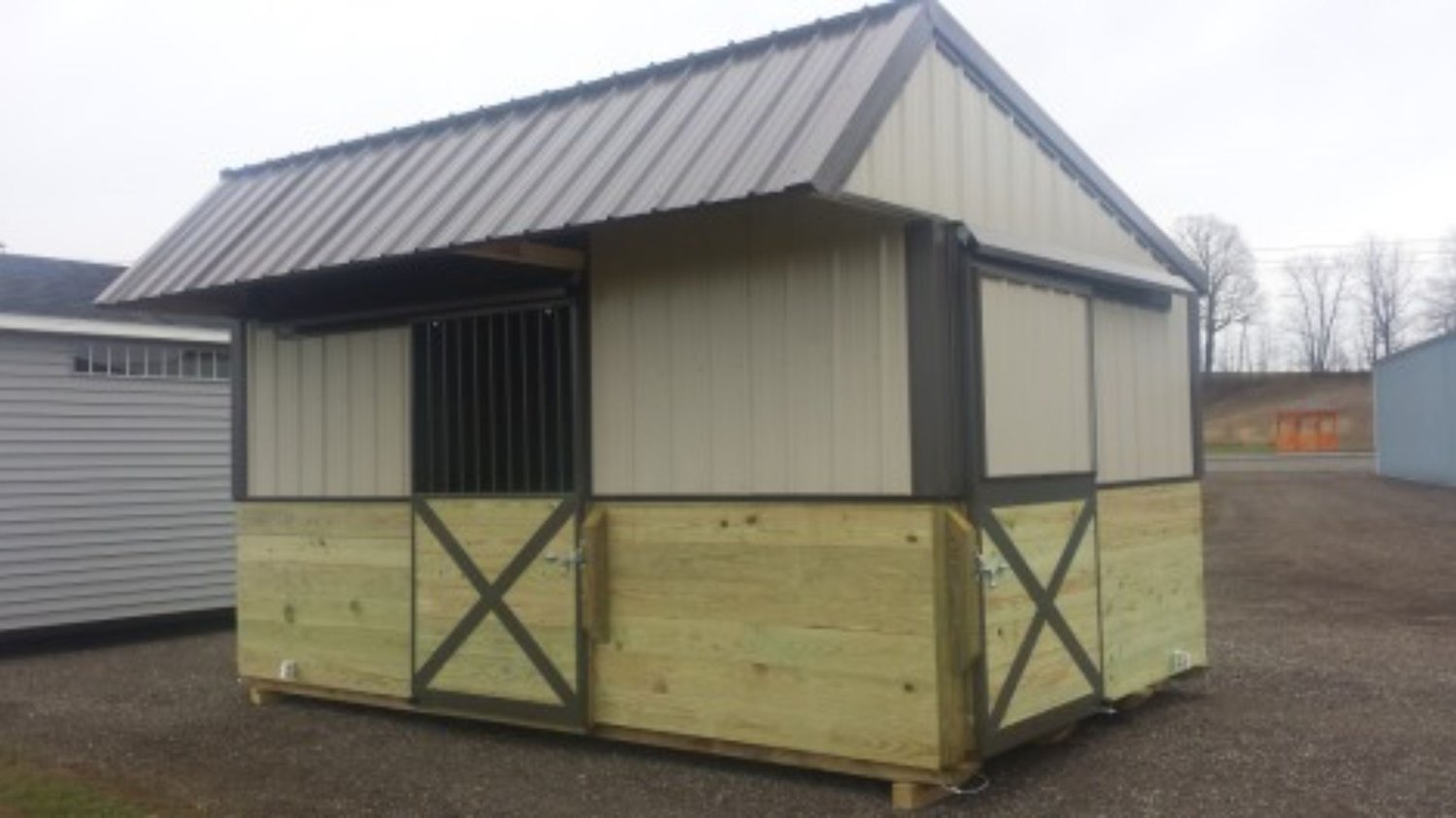
Creating safe and comfortable shelters for horses requires careful attention to flooring. A well-chosen floor not only keeps the shelter dry and hygienic but also supports your horse’s comfort, joint health, and overall wellbeing. From natural earth floors to modern rubber mats, each option serves a specific purpose in making the shelter more secure and functional. Let’s explore the best flooring choices that can help maintain a cleaner, safer, and drier environment for your horses.
Why Flooring Matters in Horse Shelters
Flooring in shelters for horses isn’t just about having a place to stand. Horses spend a lot of time in their shelters—resting, eating, and even playing—so the surface needs to handle weight, moisture, and movement without becoming slippery or uneven.
The right flooring offers:
- Comfort for standing and resting.
- Proper drainage to avoid dampness and mud.
- Traction to prevent slipping.
- Easy cleaning for better hygiene.
Without proper flooring, horses are more likely to face hoof infections, joint strain, and unstable footing, all of which can affect their health and performance.
1. Natural Earth Flooring: The Simple and Trusted Choice
Natural earth flooring is one of the oldest and most common options in shelters for horses in Kewaskum. It offers a natural, cushioned surface that feels familiar to them. When properly maintained with good drainage and bedding, it remains one of the most horse-friendly choices.
Why it works:
- Soft and forgiving for hooves and joints
- Provides natural grip
- Cost-effective and easy to install
To keep it dry, regular raking and adding fresh bedding help prevent mud formation and keep the area comfortable.
2. Gravel and Sand: For Drainage and Stability
Many horse owners prefer gravel or sand flooring because of its excellent drainage qualities. These materials allow moisture to pass through easily, keeping the shelter drier even in rainy conditions.
Key benefits:
- Promotes quick water drainage
- Offers a level surface for walking and resting
- Reduces odor and bacteria buildup
When using gravel, topping it with fine sand or rubber mats enhances comfort. It’s an ideal choice for areas that frequently get wet or muddy.
3. Crushed Limestone: Strong, Stable, and Dry
Crushed limestone flooring is a durable option that provides both firmness and good drainage. Once compacted, it forms a solid base that resists erosion and stays level over time.
Advantages:
- Excellent moisture control
- Durable and long-lasting surface
- Ideal for high-traffic shelters
This flooring type works particularly well in run-in shelters for horses, where maintaining dryness and stability is a priority.
4. Rubber Mats: The Modern Comfort Layer
Rubber mats have become increasingly popular in modern shelters for horses in Mequon. They provide a cushioned, slip-resistant surface that is easy to clean and gentle on the legs. When used over concrete, gravel, or limestone bases, they create a balanced and hygienic flooring system.
Why horse owners love them:
- Soft yet supportive for hooves
- Prevent slipping
- Simplify cleaning and maintenance
- Improve insulation and comfort year-round
Adding bedding such as straw or shavings over rubber mats keeps the area even cozier and absorbs any remaining moisture.
5. Concrete Floors: Best Used with Padding
Concrete floors are strong, permanent, and easy to clean, but they should never be left bare. Pairing them with thick rubber mats or deep bedding prevents hardness and slipping, ensuring horses stay comfortable and secure.
Highlights:
- Very durable and long-lasting
- Easy to wash and disinfect
- Best when combined with cushioning material
When built with a slight slope, concrete allows urine and water to drain away, keeping the shelter dry and odor-free.
Tips for Maintaining Safe and Dry Horse Shelter Floors
Regardless of the flooring material, consistent care is essential. A well-maintained floor not only keeps horses healthy but also extends the life of the shelter.
Maintenance checklist:
- Regularly remove soiled bedding and manure
- Ensure proper drainage around the shelter
- Keep fresh bedding on high-traffic spots
- Check for uneven or compacted areas and fix promptly
Small adjustments and frequent inspections go a long way in keeping the shelter safe, clean, and dry throughout the year.
Final Take:
Every horse shelter has unique needs depending on the climate, number of horses, and daily use. The right flooring enhances comfort, hygiene, and safety—three essentials for a healthy horse environment. Whether you prefer natural earth, gravel, or modern rubber mats, the goal remains the same: to create a secure and dry haven for your horses to rest and move freely.