

The Fundamentals of Fruit Tree Pruning
Introduction
Pruning is a fundamental practice in fruit tree care. It involves the selective removal of branches to maintain tree health, shape, and productivity. By understanding the principles of pruning, you can significantly enhance the quality and quantity of your fruit harvest.
Understanding The Basics of Fruit Tree Pruning
Before we delve into specific techniques, let's explore the fundamental aspects of fruit tree pruning:
Tree Anatomy:
• Trunk: The main support structure of the tree.
• Branches: Extensions of the trunk that bear leaves, flowers, and fruit.
• Buds: Dormant growth points that give rise to new shoots, leaves, or flowers.
• Fruiting Spurs: Short, stubby branches that produce fruit.
Pruning Tools:
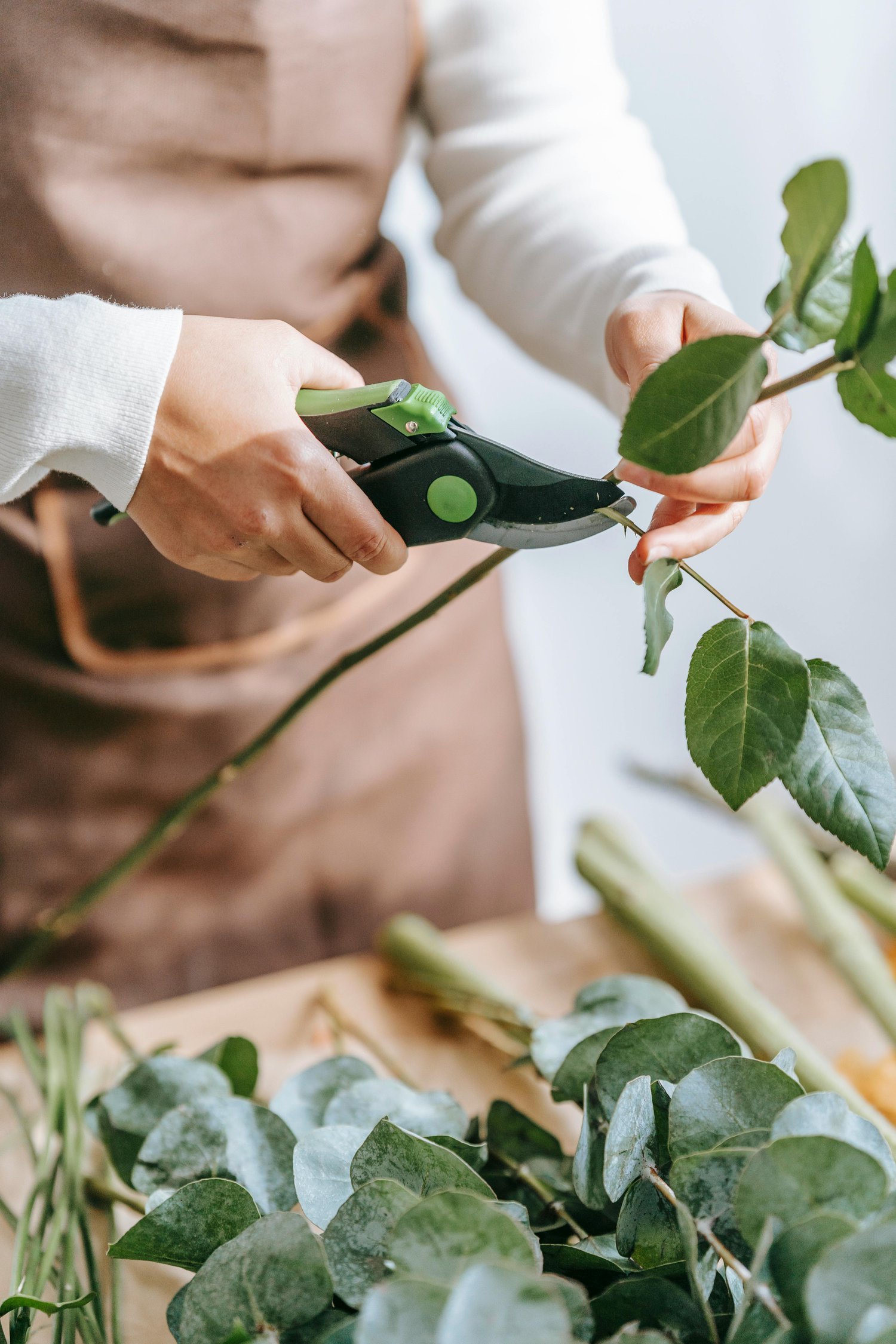
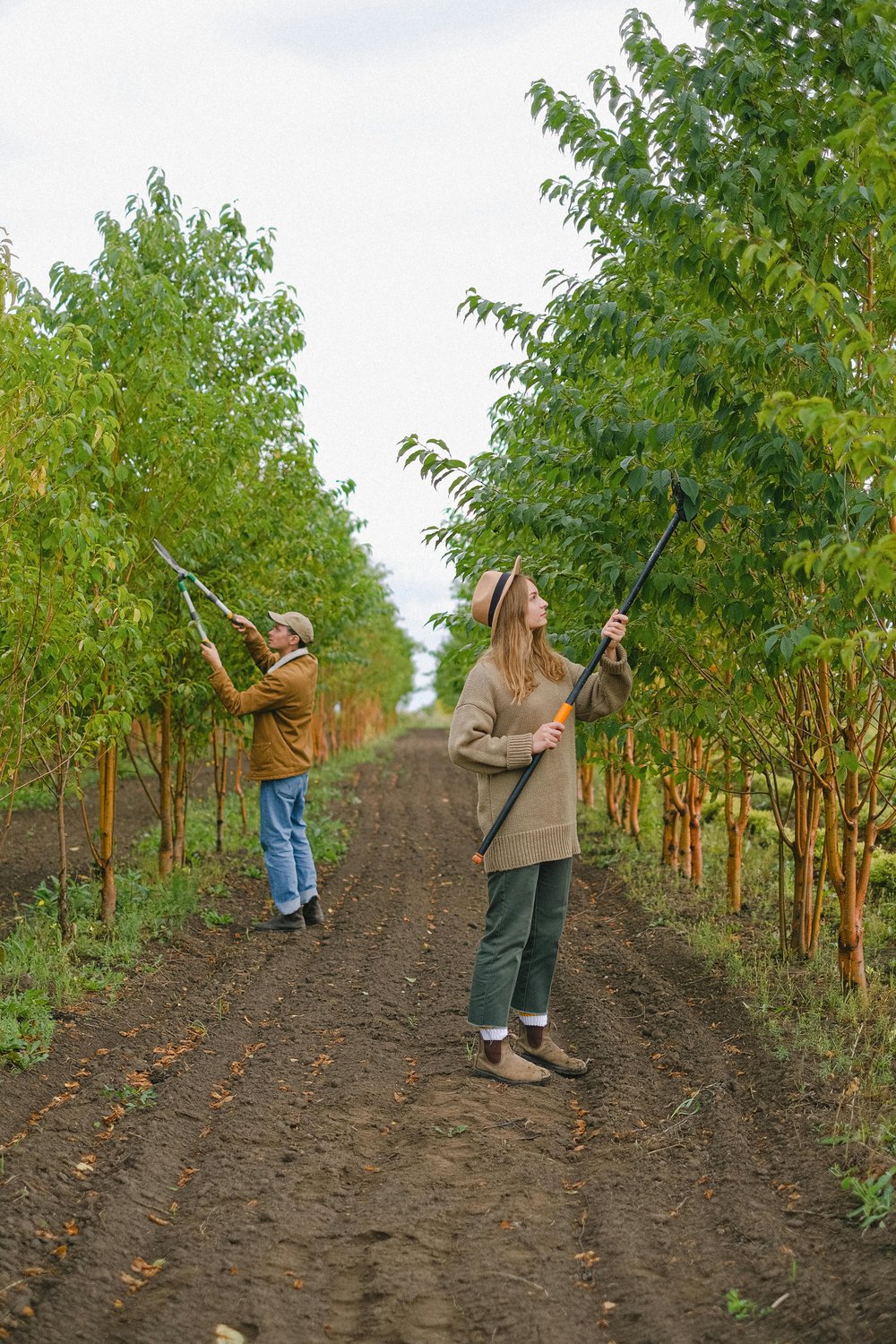
• Pruning Shears: Ideal for cutting small branches up to ½ inch in diameter.
• Loppers: Designed for cutting larger branches, typically up to 2 inches in diameter.
• Pruning Saw: Used for removing thick branches and limbs.
Timing of Pruning: The optimal time for pruning varies depending on the fruit tree type and your local climate. Generally, deciduous fruit trees are pruned during their dormant period, typically in late winter or early spring. However, it's essential to consult specific guidelines for each fruit tree species.
The Benefits of Pruning
• Increased Fruit Production: By removing unproductive or diseased branches, you can redirect energy towards fruit-bearing branches.
• Improved Fruit Quality: Pruning can lead to larger, higher-quality fruit.
• Enhanced Tree Health: Regular pruning helps prevent the spread of diseases and pests.
• Better Light Penetration: By thinning the canopy, you allow more sunlight to reach the interior of the tree, promoting healthier growth.
• Longer Tree Lifespan: Proper pruning can extend the lifespan of your fruit trees.
Common Pruning Techniques
• Thinning: Removing entire branches to open up the tree's canopy.
• Heading Back: Shortening branches to stimulate new growth.
• Water Sprout Removal: Eliminating unwanted shoots that grow vigorously from the trunk or branches.
• Wound Care: Properly caring for pruning wounds to prevent disease.
By understanding these fundamental principles and techniques, you can effectively prune your fruit trees and ensure a bountiful harvest. In the next article, we will delve deeper into the specific pruning requirements of different fruit tree types.

Revolutionize Your Gardening with the Garden Tower!
Tired of ordinary gardening? Upgrade to extraordinary!
The Garden Tower isn't just a planter; it's a self-sustaining ecosystem that transforms your outdoor space.
Key Features:
Organic Supercharging: Grow more in less space with nutrient-rich soil.
Self-Composting: Turn kitchen scraps into plant food.
Easy-to-Use: Simple setup and maintenance.
Year-Round Harvest: Enjoy fresh produce all year long.
Limited Time Offer:
Shop Now and Start Growing Your Own Food Today!

Comments ()