

Starting a gardening business can be an exciting venture, but with so many possibilities, selecting the right niche is crucial for success. A well-defined niche allows you to stand out in a competitive market and attract your ideal customers. In this article, we'll outline a comprehensive 10-step process to help you choose the perfect niche for your gardening business.

Step 1: Assess Your Passion and Interests
Understanding Your Motivation
Before diving into market research, reflect on your personal interests and passion within gardening. Are you drawn to organic gardening, landscaping, or perhaps urban gardening? Your enthusiasm will fuel your business and keep you motivated during challenging times.
Actionable Tips:
• Make a list of gardening activities you enjoy.
• Consider hobbies that align with your gardening interests, such as cooking with homegrown herbs.
Step 2: Identify Your Skills and Expertise
Leverage Your Knowledge
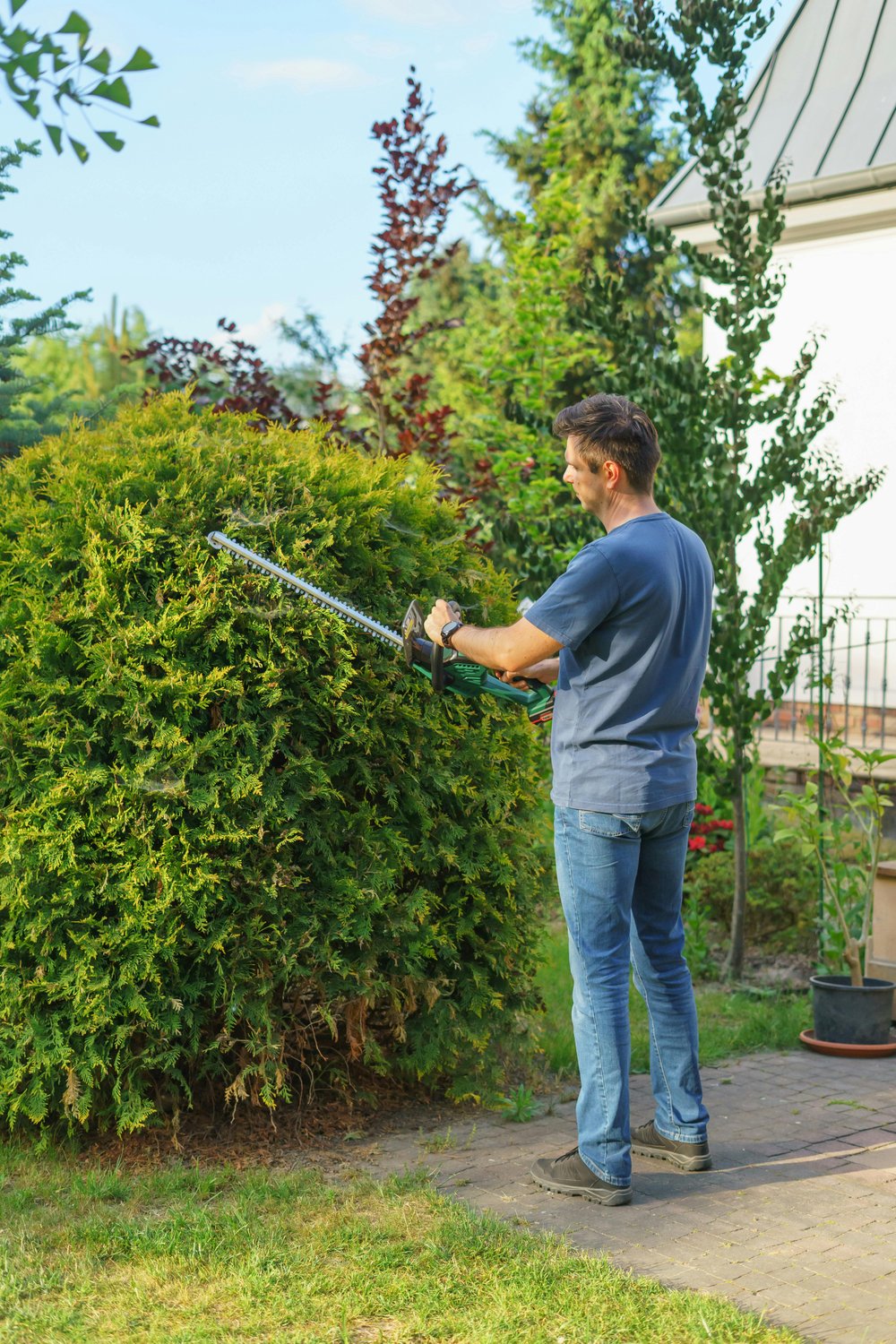
Next, evaluate your skills and knowledge. Are you a master at growing specific plants, or do you have a knack for design and landscaping? Identifying your strengths will help you choose a niche that complements your abilities.
Actionable Tips:
• Create a skills inventory, highlighting areas like plant care, pest management, or landscape design.
• Seek feedback from friends or family about your gardening expertise.

Step 3: Research Market Demand
Understanding Customer Needs
To ensure your niche is viable, conduct market research to understand current trends and customer needs. Identify gaps in the market where your skills and interests can meet demand.
Actionable Tips:
• Use tools like Google Trends to identify popular gardening topics.
• Join gardening forums and social media groups to gather insights on what people are seeking.

Step 4: Analyze Your Competition
Evaluating the Landscape
Look at existing businesses within your potential niche. Analyze their offerings, pricing, and marketing strategies. Understanding your competition will help you differentiate your business.
Actionable Tips:
• Compile a list of local competitors and their unique selling points (USPs).
• Use SWOT analysis (Strengths, Weaknesses, Opportunities, Threats) to evaluate your competition.

Step 5: Define Your Target Audience
Knowing Your Customers
Identifying your target audience is crucial for tailoring your products and marketing efforts. Consider demographics, interests, and gardening experience levels.
Actionable Tips:
• Create buyer personas to visualize your ideal customers.
• Conduct surveys to gather information about potential clients’ gardening needs and preferences.

Step 6: Explore Niche Opportunities
Finding Your Unique Angle
Based on your research, brainstorm specific niches within the gardening realm. Options may include organic gardening, hydroponics, landscape design, gardening education, or specialty plants.
Actionable Tips:
• Use a mind map to visualize different niche ideas.
• Rank niches based on your interests, market demand, and competition analysis.

Step 7: Validate Your Niche Idea
Testing the Waters
Before fully committing, validate your niche idea by testing it with a small audience. This step can help you gauge interest and gather feedback.
Actionable Tips:
• Host a workshop or create an online course related to your niche.
• Offer free consultations or gardening tips on social media to attract potential customers.

Step 8: Develop a Business Plan
Mapping Your Path
Once you’ve selected a niche, develop a detailed business plan outlining your goals, target audience, marketing strategy, and financial projections. This roadmap will guide your efforts and help secure funding if needed.
Actionable Tips:
• Include sections on marketing, operations, and financials in your business plan.
• Set SMART goals (Specific, Measurable, Achievable, Relevant, Time-bound) for clarity.

Step 9: Create Your Brand Identity
Establishing Your Presence
Your brand identity is essential for attracting and retaining customers. Choose a business name, design a logo, and create a consistent look and feel for your marketing materials.
Actionable Tips:
• Use online tools like Canva to create professional-looking graphics.
• Ensure your branding reflects the niche you’ve chosen, appealing to your target audience.

Step 10: Launch and Market Your Business
Getting Started
With everything in place, it’s time to launch your gardening business. Utilize various marketing strategies to promote your services and reach your audience effectively.
Actionable Tips:
• Leverage social media platforms to showcase your gardening projects and connect with your audience.
• Consider partnerships with local gardening centers, farmers’ markets, or community events for increased visibility.
Conclusion
Choosing the right niche for your gardening business is a crucial step towards building a successful venture. By following these 10 steps, you can ensure that your business is not only aligned with your passions but also meets market demands. Remember, the key to success lies in continuous learning and adapting to changes in the gardening landscape. Good luck, and may your gardening business thrive!
Recommended PDF guides you should not miss!
Okra, The Superfood You never knew You Needed.

Organic Vegetable Gardening Guide for Beginners.
Starting Your Own Garden Service Business. A Step-by-Step Guide for Beginners.
Comments ()