
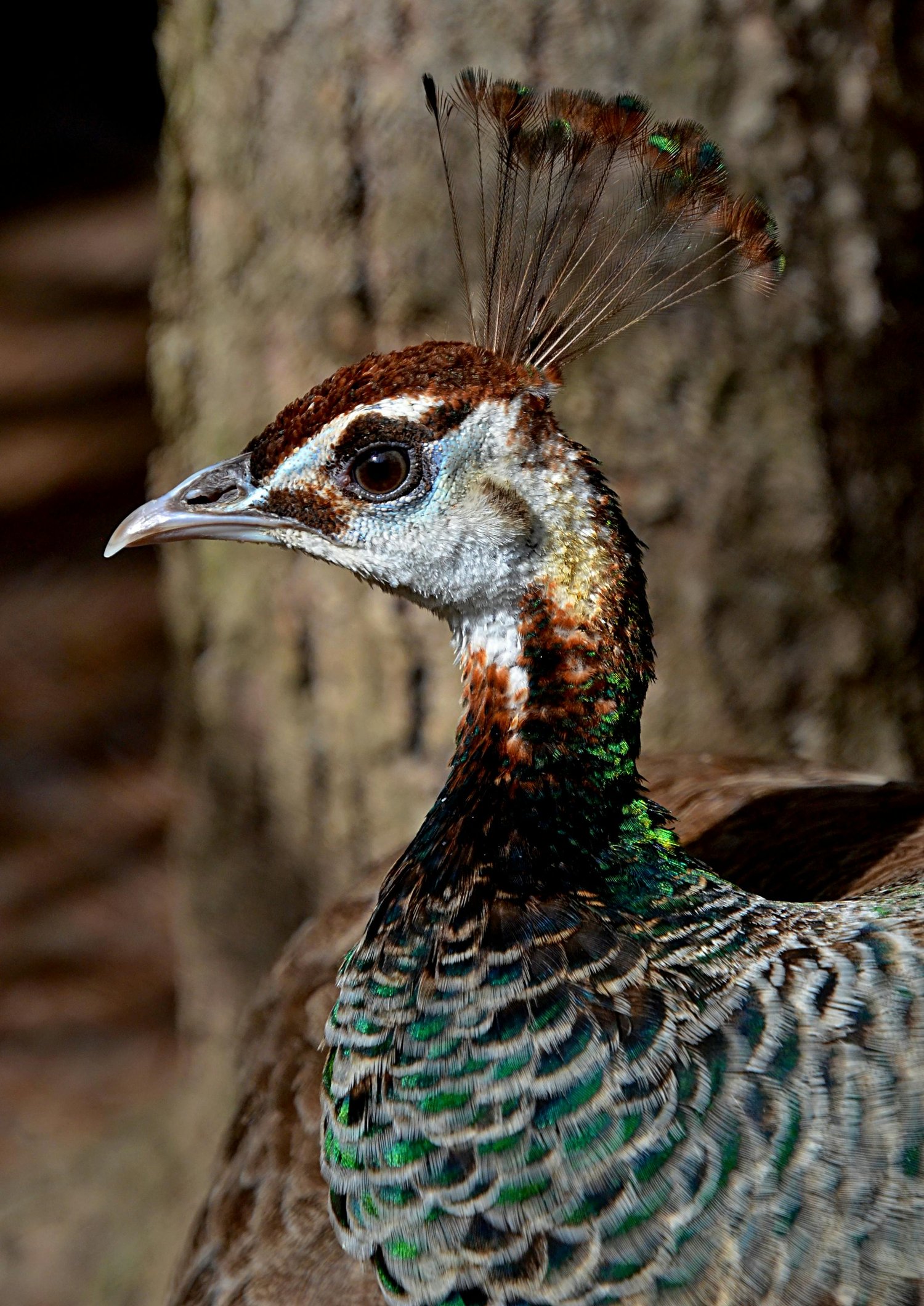
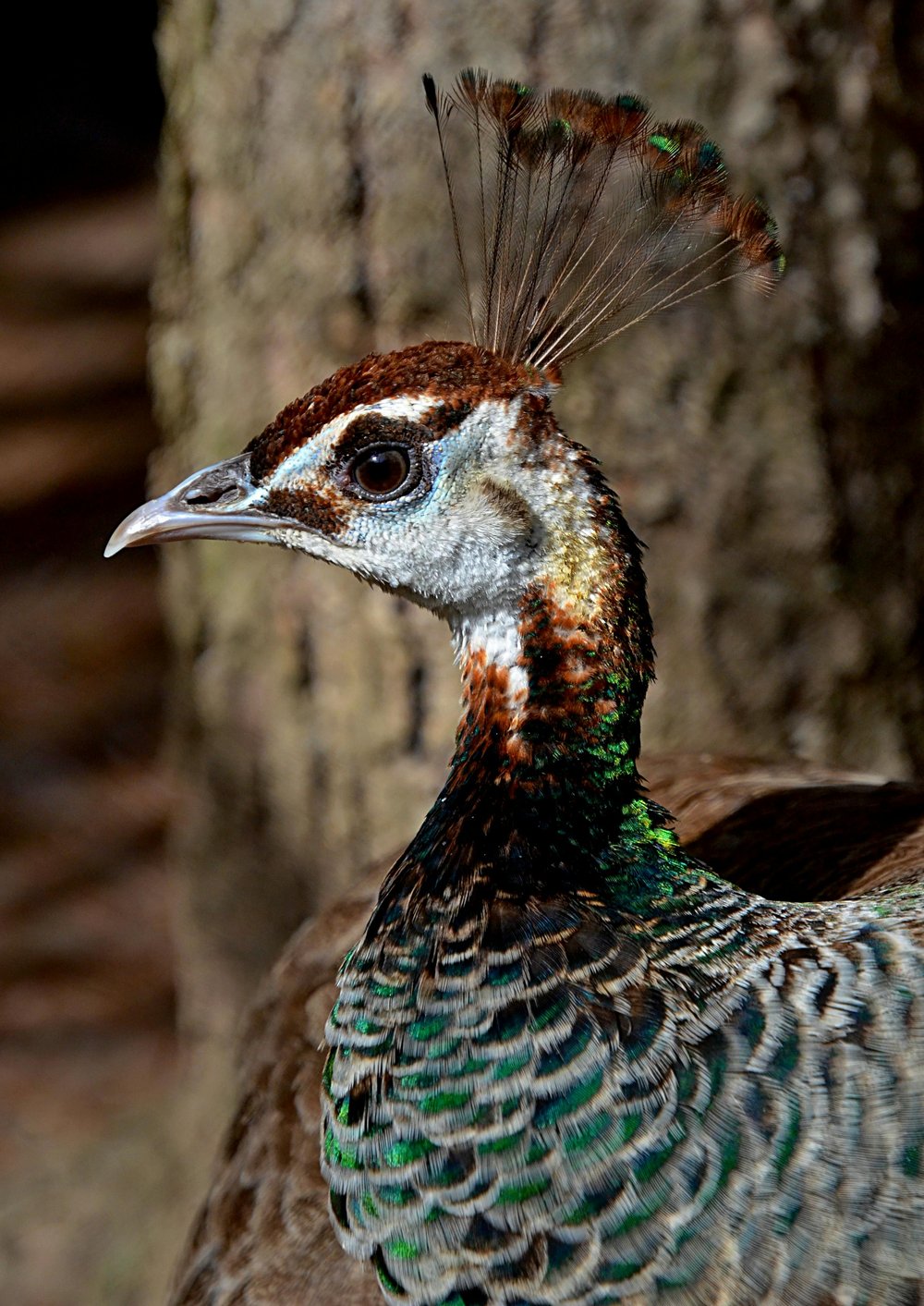
Imagine a serene garden filled with the melodious chirping of birds, vibrant blooms, and lush greenery. This isn't just a dream; it's a reality you can create with the right knowledge and tools. Bird-friendly gardening not only beautifies your outdoor space but also contributes to a healthier ecosystem.
The Benefits of Bird-Friendly Gardening
Ecological Balance Birds play a crucial role in maintaining a balanced ecosystem. They help control pest populations by feeding on insects, such as mosquitoes and caterpillars. Additionally, birds are essential pollinators, aiding in the reproduction of flowering plants.
Aesthetic Appeal A garden teeming with birdlife is a visual and auditory delight. The vibrant colors of birds, their graceful flight, and their enchanting songs can transform your outdoor space into a tranquil oasis.
Mental Health Benefits Spending time in nature, especially observing birds, has numerous mental health benefits. It can reduce stress, improve mood, and enhance cognitive function. Birdwatching is a relaxing hobby that can connect you with the natural world.
Creating a Bird-Friendly Habitat
Choosing the Right Plants Selecting native plants is a great way to attract a variety of bird species. Native plants provide food sources, such as nectar, seeds, and berries, that birds are accustomed to. Consider planting:
• Flowering shrubs: Viburnum, butterfly bush, and flowering dogwood
• Perennial flowers: Coneflowers, black-eyed Susans, and bee balm
• Trees: Oak, maple, and fruit trees
Providing Water Sources Birds need water for drinking and bathing. A birdbath or a small pond can attract a variety of birds. Keep the water clean and fresh to encourage frequent visits.
Building Nesting Boxes Nesting boxes provide safe and secure nesting sites for birds. Choose the right size and type of nesting box for the species you want to attract. Place the boxes in a quiet, sheltered location, away from predators.
Attracting Specific Bird Species
Hummingbirds Hummingbirds are attracted to bright, tubular flowers and nectar feeders. Plant flowers like trumpet vine, bee balm, and cardinal flower. Fill your nectar feeders with a sugar-water solution and clean them regularly.
Songbirds To attract songbirds, offer a variety of food sources, including seeds, berries, and insects. Plant berry-producing shrubs, such as holly and viburnum. Provide bird feeders filled with sunflower seeds, millet, and suet.
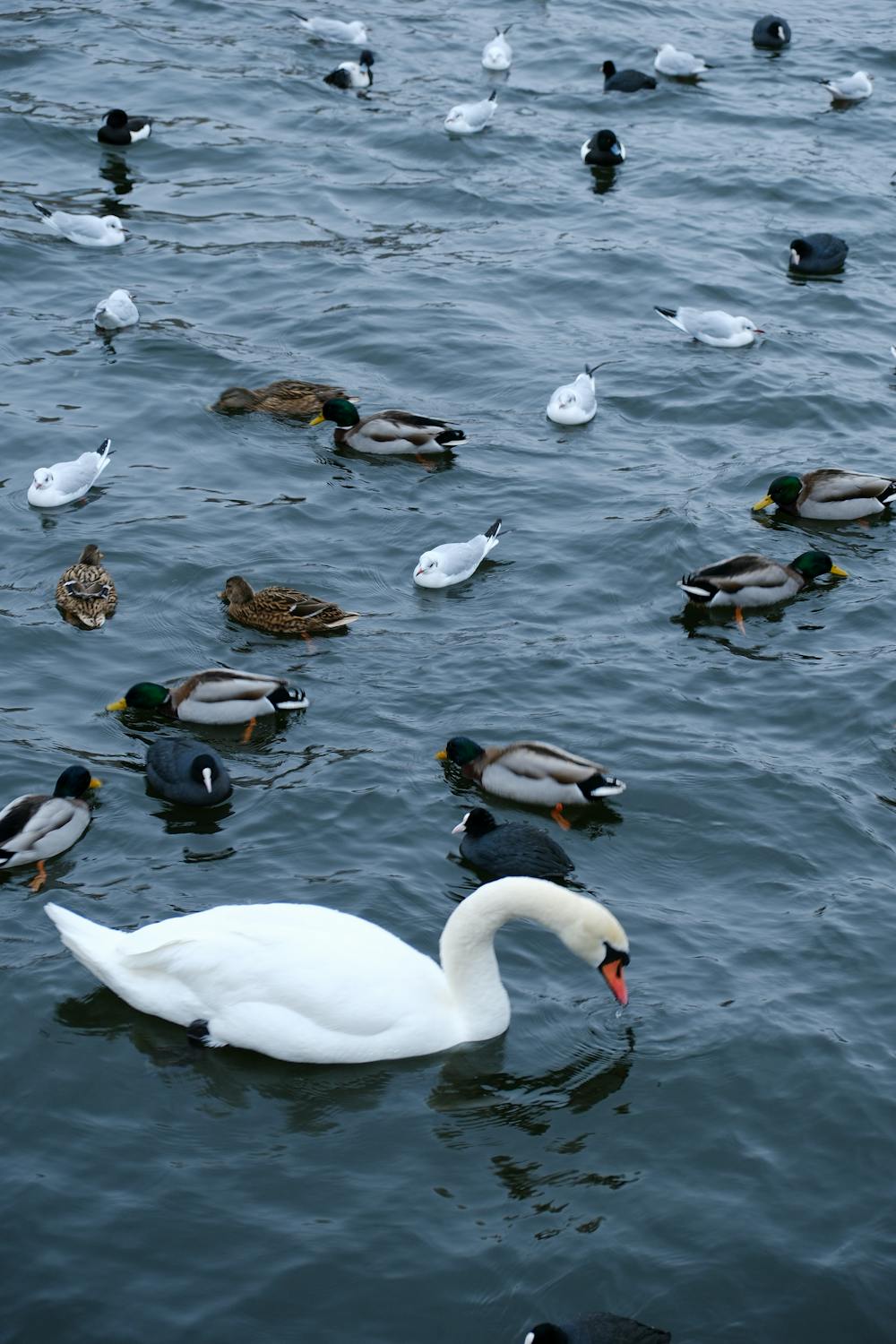
Waterfowl If you have a pond or water feature, consider attracting waterfowl like ducks and geese. Plant aquatic plants, such as water lilies and cattails, to provide cover and food. Offer supplemental food, such as cracked corn, during the winter months.
Organic Pest Control
A healthy garden is less prone to pest problems. Encourage the presence of beneficial insects, such as ladybugs and praying mantises, which prey on harmful pests.
Natural Predators:
• Ladybugs: Feed on aphids and other soft-bodied insects.
• Praying Mantis: Versatile predators that can catch and consume a variety of insects.
• Birds: Many birds, including sparrows, wrens, and chickadees, consume insects.
Homemade Pesticides:
• Neem Oil: A natural insecticide derived from the neem tree.
• Insecticidal Soap: A gentle, non-toxic soap that kills soft-bodied insects.
• Hot Pepper Spray: A deterrent for many pests, especially mammals.
Companion Planting: Certain plants can repel pests and attract beneficial insects. For example, planting marigolds near tomatoes can help deter nematodes.
Sustainable Gardening Practices
Water Conservation Water is a precious resource, so it's important to use it wisely. Water your plants deeply and infrequently, allowing the soil to dry out slightly between waterings. Use a rain barrel to collect rainwater for irrigation.
Composting Composting is a great way to reduce waste and improve soil fertility. Add kitchen scraps, yard waste, and other organic materials to your compost pile. The resulting compost can be used to fertilize your garden.
Reducing Chemical Use Minimize the use of chemical fertilizers and pesticides. Opt for organic alternatives that are safer for the environment and beneficial insects.
By following these tips, you can create a thriving bird-friendly garden that benefits both you and the environment.
Encouraging Your Garden Visitors: A Guide to Bird Feeding
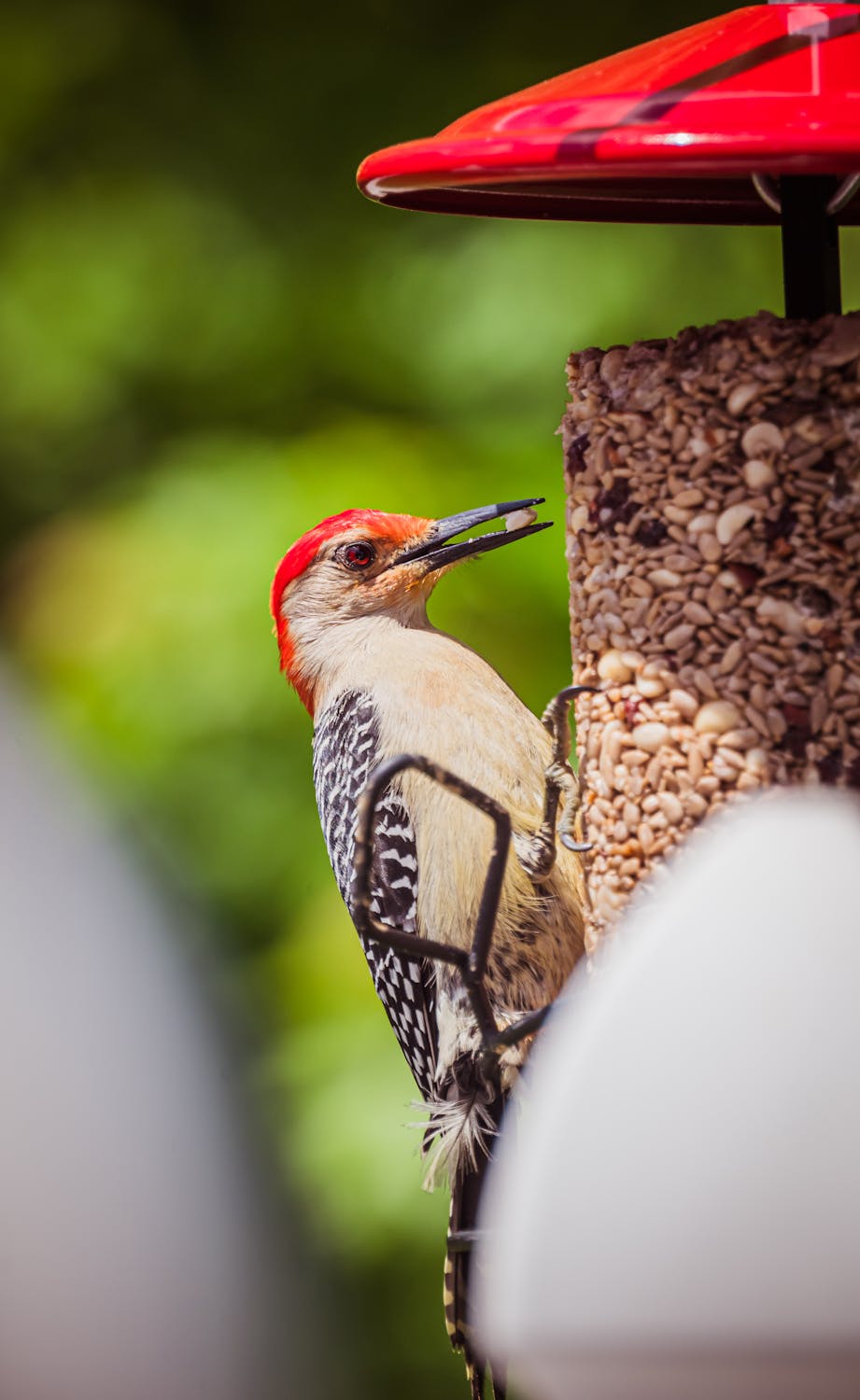
Feeding birds is a rewarding way to attract a variety of species to your garden. By providing the right type of food and feeder, you can enjoy hours of birdwatching pleasure.
Choosing the Right Bird Feeder
• Tube Feeders: Ideal for small birds like finches and chickadees.
• Platform Feeders: Suitable for larger birds like doves and jays.
• Hopper Feeders: Offer a variety of seeds and protect them from the elements.
• Suet Feeders: Great for providing high-energy food, especially in winter.
Selecting the Best Birdseed
• Black Oil Sunflower Seeds: A popular choice for many bird species.
• Nyjer Seed: Attracts finches.
• Safflower Seeds: Preferred by cardinals and goldfinches.
• Mixed Seed: A blend of different seeds to attract a variety of birds.
Keeping Your Feeders Clean
Clean your bird feeders regularly to prevent the spread of disease. Remove old seed, bird droppings, and any mold or mildew. A simple solution of warm water and mild soap is often sufficient.
Attracting Hummingbirds
Hummingbirds are attracted to bright, tubular flowers and nectar feeders. Plant flowers like trumpet vine, bee balm, and cardinal flower. Fill your nectar feeders with a sugar-water solution and clean them regularly.
Encouraging Winter Bird Visitors
To attract birds during the winter months, offer high-energy food sources like suet and black oil sunflower seeds. Consider providing a heated birdbath to keep water from freezing.
Creating a Bird-Friendly Landscape
• Provide shelter: Plant shrubs and trees to offer protection from predators and harsh weather.
• Create a water source: A birdbath or small pond can attract a variety of birds.
• Avoid using pesticides: Pesticides can harm birds and other beneficial insects.
• Leave some natural areas: A few patches of wild, unkempt areas can provide valuable habitat for birds.
By following these tips, you can create a bird-friendly garden that will bring joy to you and your feathered friends for years to come.
Your Garden, Your Sanctuary: A Personalized Approach to Bird-Friendly Landscaping
Every garden is unique, and the best way to attract birds is to tailor your landscaping to your specific needs and preferences. Here are some personalized tips to help you create a bird-friendly haven:
1. Assess Your Space:
• Size: A small balcony can still attract birds with hanging planters and window boxes.
• Sunlight: Shade-loving birds may prefer a more shaded area, while sun-loving birds will thrive in full sun.
• Water Features: A birdbath or small pond can attract a variety of birds, especially during hot, dry periods.
2. Choose the Right Plants:
• Native Plants: Native plants are adapted to your local climate and provide food and shelter for local bird species.
• Flowering Plants: Attracts pollinators like hummingbirds and butterflies.
• Fruit-Bearing Trees and Shrubs: Provides food for a variety of birds, especially during the winter months.
• Evergreen Trees and Shrubs: Offers shelter and nesting sites year-round.
3. Create a Variety of Habitats:
• Ground Cover: Provides food and cover for ground-feeding birds like sparrows and juncos.
• Shrub Layer: Offers nesting and foraging opportunities for a variety of birds.
• Tree Layer: Provides food and shelter for larger birds like woodpeckers and hawks.
4. Provide Supplemental Feeding:
• Bird Feeders: Offer a variety of seeds, suet, and nectar to attract different bird species.
• Clean Regularly: Clean your feeders to prevent the spread of disease.
• Consider the Seasons: Adjust your feeding strategy based on the time of year.
5. Minimize Disturbances:
• Avoid Loud Noises: Keep noise levels low to avoid scaring birds away.
• Allow Natural Areas: Leave some areas of your garden undisturbed to provide habitat for birds.
6. Monitor Your Garden:
• Bird Watching: Keep track of the bird species you attract and adjust your landscaping accordingly.
• Adjust Your Strategy: If you're not seeing the results you want, try different plants, feeders, or water sources.
By following these tips and customizing them to your specific needs, you can create a bird-friendly garden that you'll enjoy for years to come.
Remember, the most important thing is to have fun and experiment. There's no right or wrong way to create a bird-friendly garden.
Comments ()