
Introduction
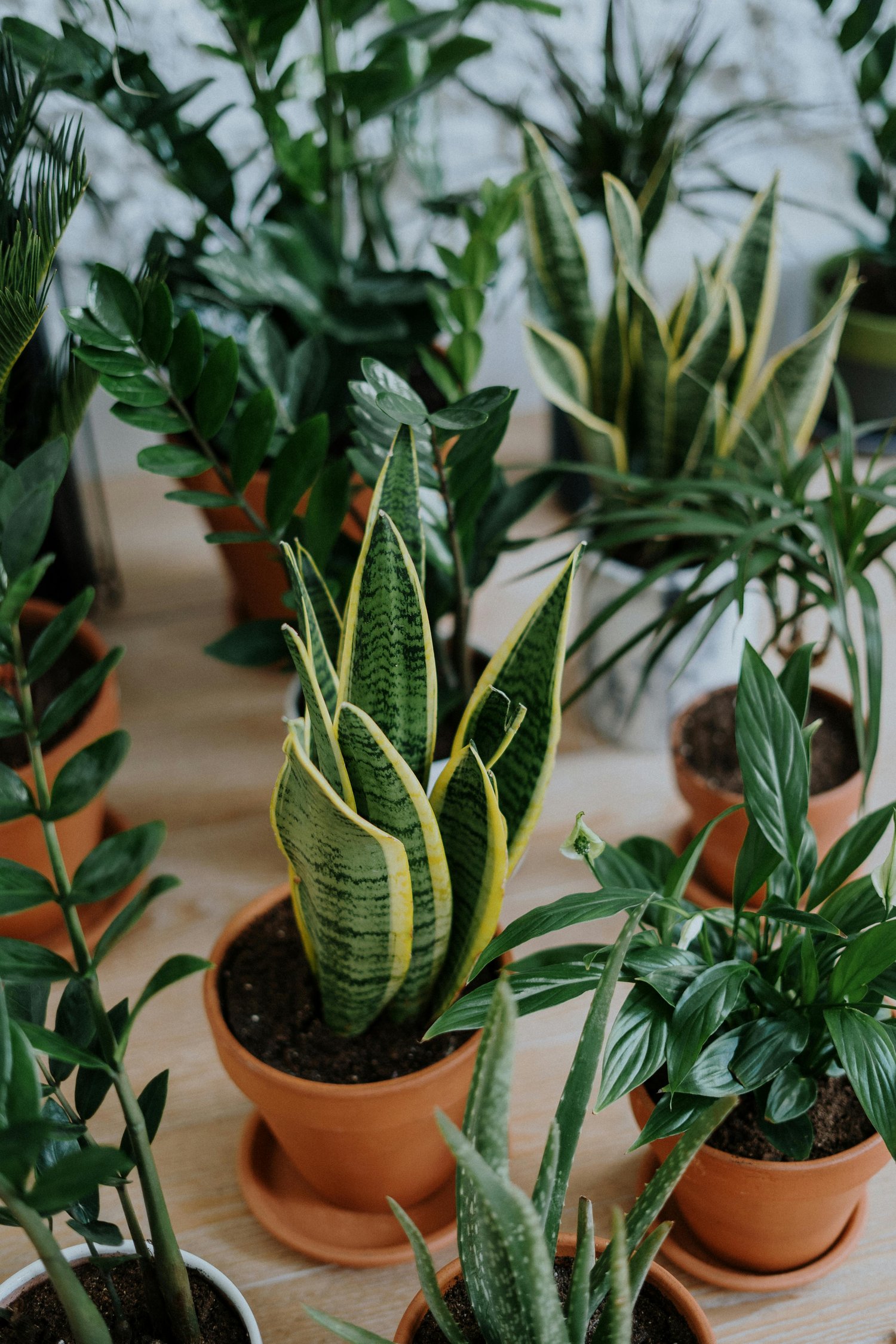
Container gardening is a fantastic way to bring the beauty of nature into your home, even if you have limited outdoor space. Whether you have a balcony, patio, or just a sunny windowsill, you can cultivate a thriving garden. This comprehensive guide will delve into the benefits of container gardening, provide tips for choosing the right containers and soil, and offer plant suggestions for various spaces.
The Benefits of Container Gardening
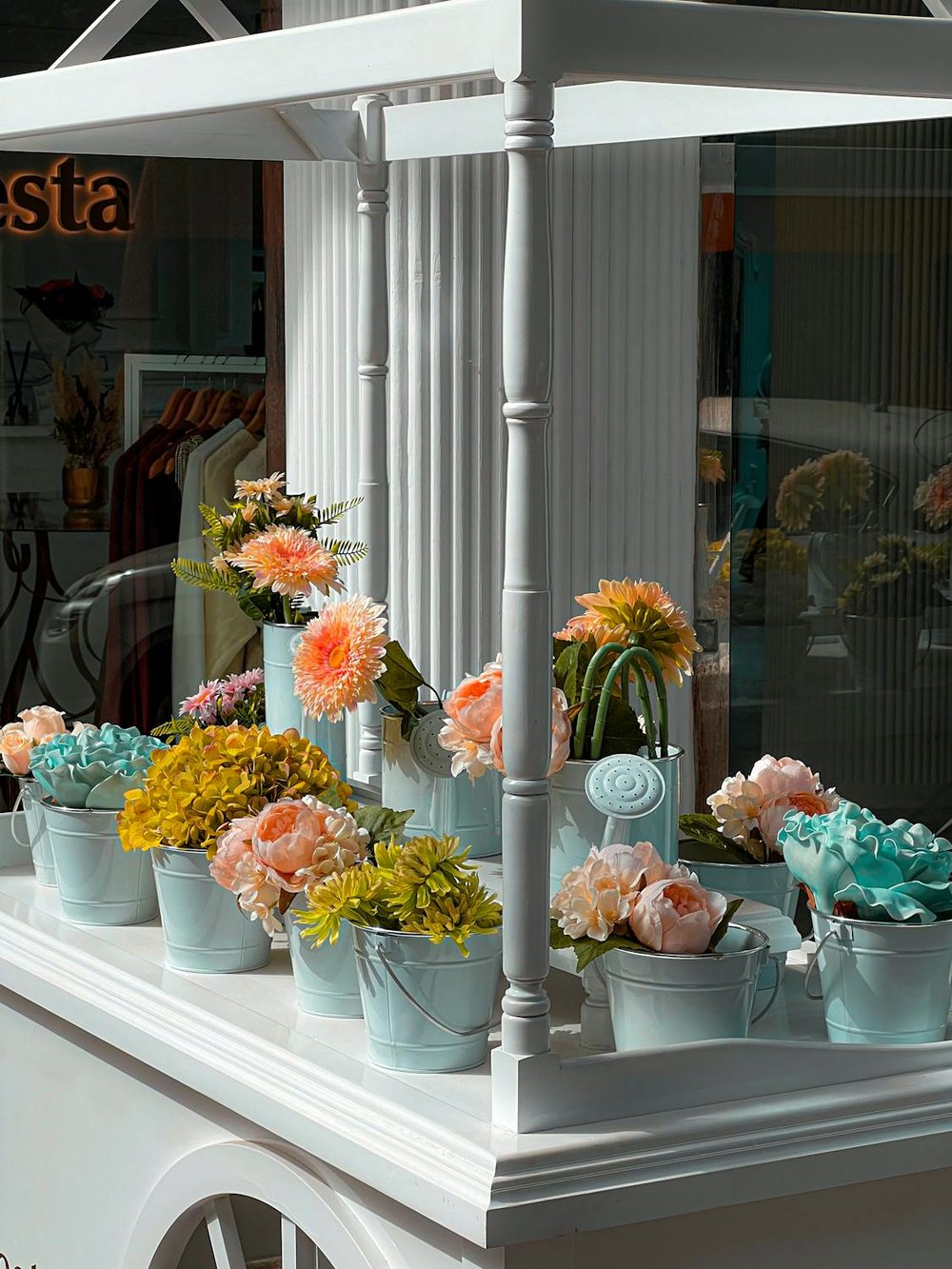
• Space-Saving: Container gardening allows you to grow plants in confined spaces, making it ideal for urban dwellers and those with limited outdoor areas.
• Flexibility: You can easily move your containers to follow the sun or protect them from harsh weather conditions.
• Pest and Disease Control: Container gardening can help isolate plants, reducing the spread of pests and diseases.
• Soil Control: You have complete control over the soil quality, ensuring optimal growing conditions for your plants.
• Aesthetic Appeal: Container gardens can add beauty and color to your outdoor space, enhancing your home's curb appeal.
Choosing the Right Containers
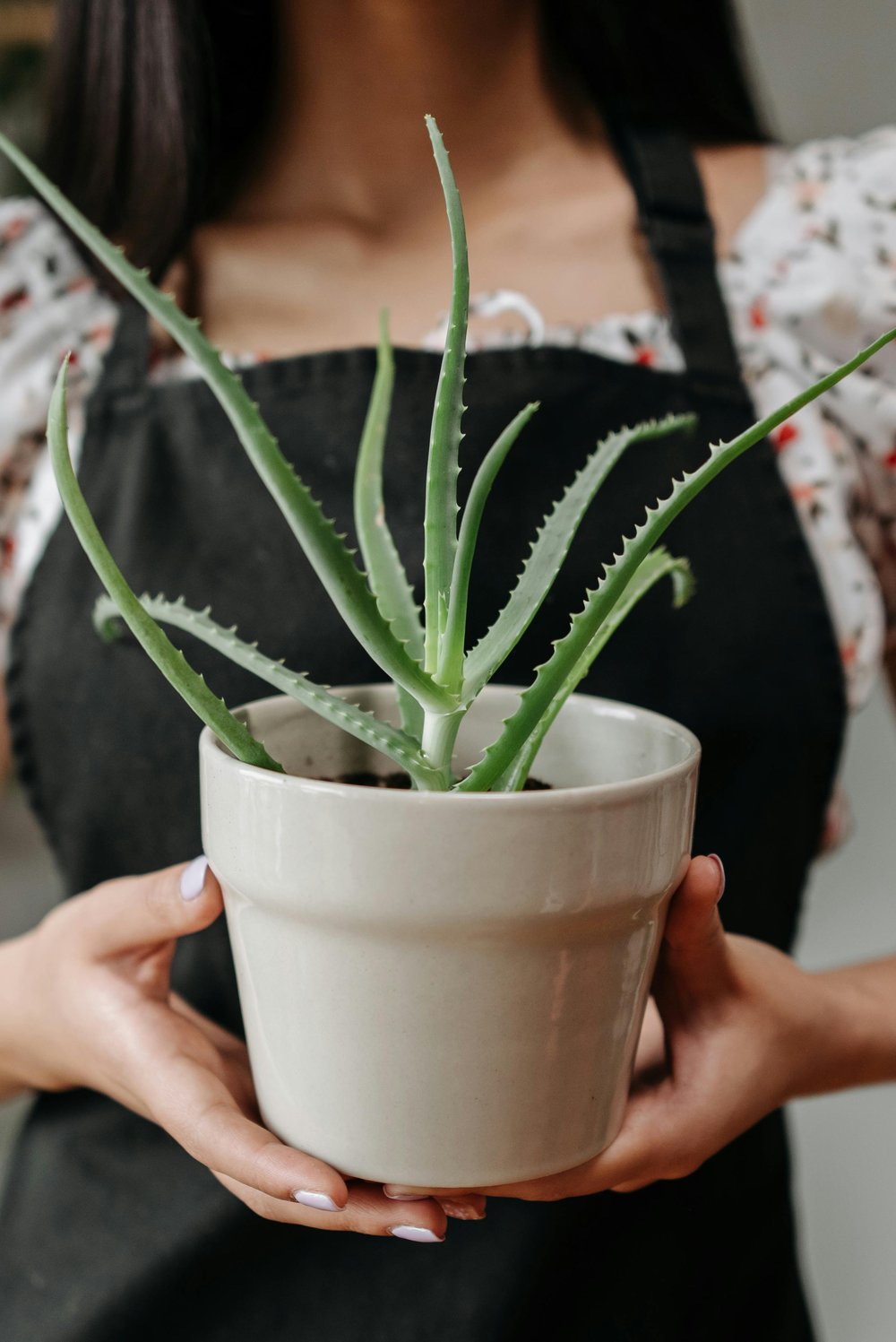
The choice of containers is crucial for successful container gardening. Consider the following factors:
• Material: Clay, ceramic, plastic, and metal are common materials for containers. Clay pots are porous, allowing excess moisture to evaporate, while plastic and metal containers retain moisture better.
• Size: The size of the container should be appropriate for the plant's root system. Ensure there are drainage holes to prevent waterlogging.
• Style: Choose containers that complement your outdoor decor and personal style.
Selecting the Right Soil
Quality soil is essential for healthy plant growth. Look for a well-draining potting mix that is rich in organic matter. You can also add compost or other organic amendments to improve soil fertility.
Plant Suggestions for Different Spaces
• Balconies: Consider compact plants like herbs, tomatoes, peppers, and flowering annuals.
• Patios: Larger containers can accommodate shrubs, small trees, and vegetable gardens.
• Small Spaces: Succulents, herbs, and small flowering plants are ideal for windowsill gardens.
Tips for Successful Container Gardening
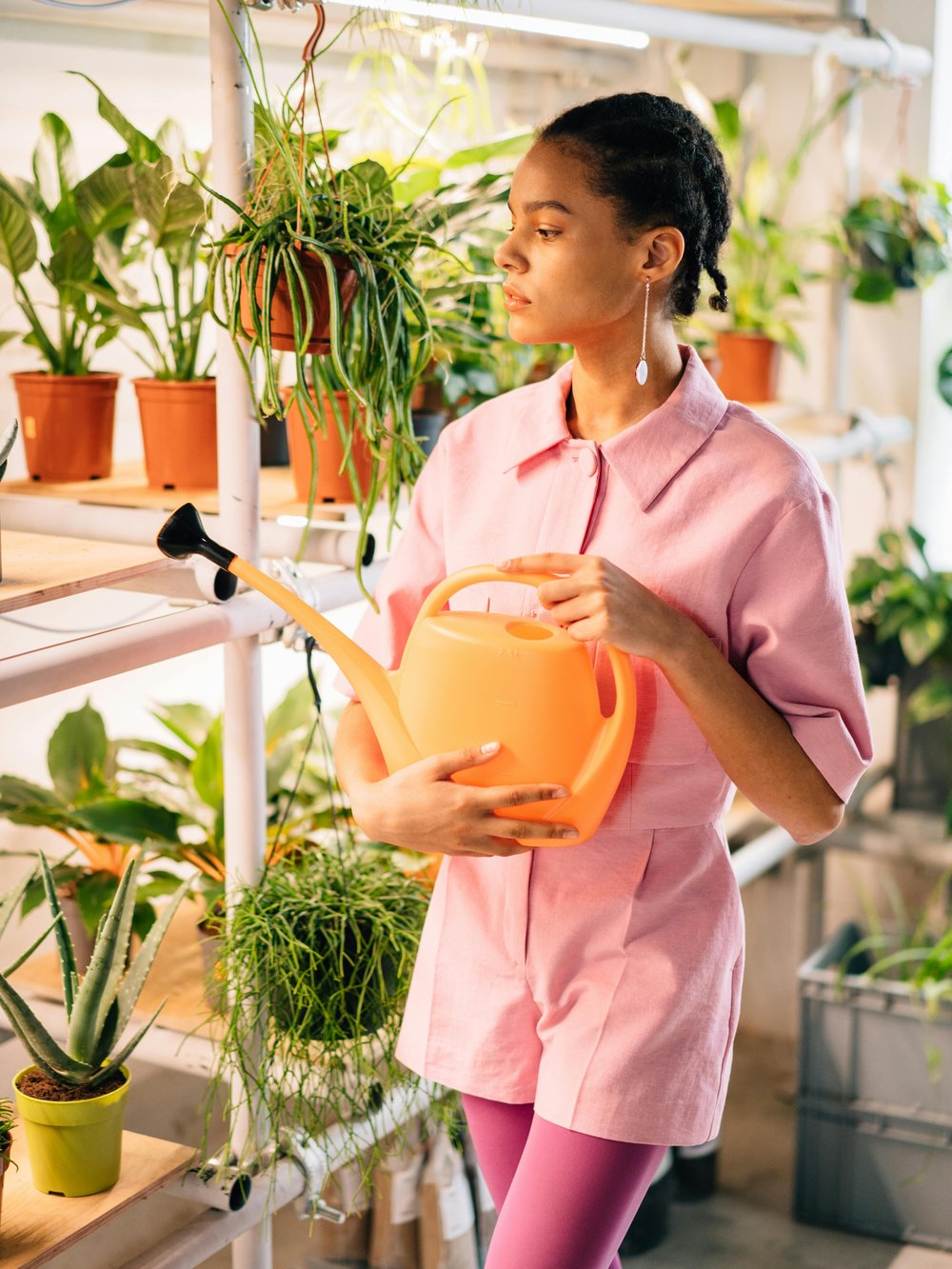
• Watering: Water your plants regularly, especially during hot, dry weather. Check the soil moisture level before watering to avoid overwatering.
• Fertilizing: Feed your plants with a balanced liquid fertilizer every 2-4 weeks during the growing season.
• Pruning: Regularly prune your plants to maintain their shape and encourage bushier growth.
• Pest and Disease Control: Monitor your plants for pests and diseases, and take immediate action to prevent problems.
• Winter Care: Protect your plants from frost by moving them indoors or covering them with frost cloth.
Conclusion
Container gardening is a rewarding hobby that can bring joy and beauty to your life. By following these tips and experimenting with different plants and containers, you can create a thriving garden that you'll enjoy for years to come.
Comments ()