

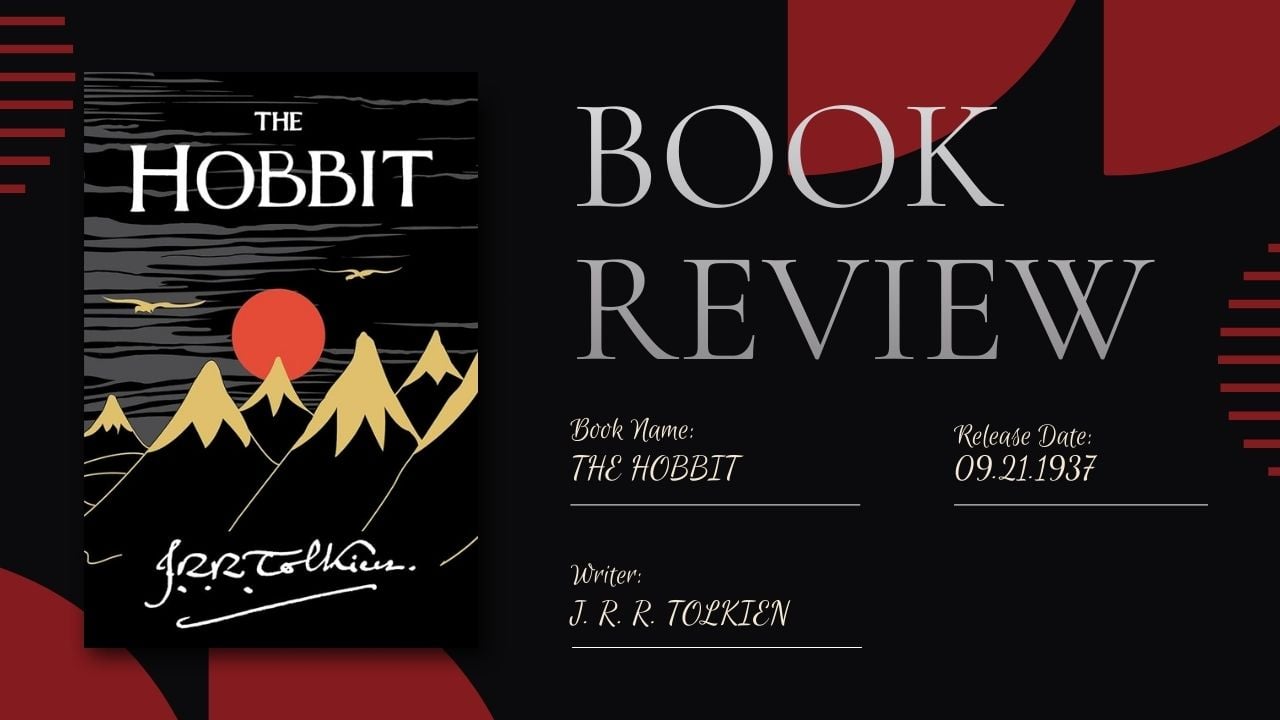
First published in 1937, The Hobbit, or There and Back Again is a fantasy novel by English writer J. R. R. Tolkien, a philogist and Oxford scholar best known for creating Middle-Earth and later writing The Lord of the Rings. Originally written for his children, the book quickly attracted both young and adult readers and laid the groundwork for modern fantasy storytelling. Beneath its adventurous surface, The Hobbit is driven by rich character development, especially through Bilbo Baggins, Gandalf, and Thorin Oakenshield.
The Author Behind The Hobbit
J. R. R. Tolkien (John Ronald Reuel Tolkien) was born on January 3, 1892, and became and influential English writer, linguist, and professor at Oxford. His academic work in language and medieval literature shaped the intricate languages, histories, and cultures of Middle-Earth that readers encounter in The Hobbit and The Lord of the Rings. Tolkien began writing The Hobbit around 1930 as a bedtime story for his four children, and it was published in 1937 to critical and commercial success.
Brief Summary of The Hobbit
The story begins in the peaceful Shire, where Bilbo Baggins, a comfort loving hobbbit, lives a quiet and predictable life. HIs world is turned upside down when the wizard Gandalf and a company of thirteen dwarves arrive at his door, inviting him to join a quest to reclaim their homeland and treasure from a dragon named Smaug. After much hesitation, Bilbo agrees and sets off on a journey that takes him far from the safety of his home.
Along the way, the group encounters trolls, goblins, wolves, giant spiders, elves, and men, moving through settings that range from the Misty Mountains to the dark forest of Mirkwood. Deep under the mountains, Bilbo meets the strange creature Gollum and, through a tense riddle game, gains possession of a mysterious magic ring. Eventually, the company reaches the Lonely Mountain, where Bilbo confronts Smaug and helps set in motion the dragon's downfall. The victory, however, leads to tension among the dwarves, men, and elves over the treasure, culminating in the Battle of Five Armies. In the end, Bilbo returns home forever changed by what he has seen, done, and learned about himself.
Bilbo Baggins: From Comfort to Courage
At the start of the novel, Bilbo Baggins is a quiet, respectable hobbit who loves routine, food, and the safety of his snug home in the Shire. Like most hobbits, he avoids adventure and prizes comfort over risk, which makes the idea of a dangerous quest deeply unsettling to him. Gandalf's arrival and the dwarves' proposal force Bilbo into a journey that awakens a hidden side of his nature: resourceful, brave, and unexpectedly clever.
Throughout the story, Bilbo evolves from a reluctant tag-along into the moral and practical center of the group. His encounters with trolls, goblins, giant spiders, and especially Gollum show his quick thinking and growing sense of responsibility, like when he wins the One Ring through a riddle game and later uses it to rescue the dwarves. by the time he faces Smaug and helps avert a full-scale war over the treasure, Bilbo's values (moderation, fairness, and compassion) contrast sharply with the greed around him, marking his journey as one of inner growth more than simple heroics.
Gandalf: The Quiet Architect of the Quest
Gandalf the Grey is introduced as a wandering wizard who draws Bilbo into the adventure and guides the company of dwarves. Rather than solving every problem with magic, Gandalf often steps back, nudging others to grow by making their own choices and mistakes. In this way, he acts as a mentor figure, especially for Bilbo, recognizing the hobbit's potential long before anyone else does.
Gandalf's character blends wisdom, power, and a certain playful unpredictability. He rescues the group at key moments (such as from trolls and goblins) but just as importantly, he leaves them to face challenges alone, ensuring Bilbo has room to become a true hero rather than a passive bystander. In the larger legendarium, Gandalf plays a central role in the struggle against darker forces but in The Hobbit his most important contribution is shaping Bilbo's transformation.
Thorin Oakenshield: Pride, Legacy, and Tragedy
Thorin Oakenshield is the proud leader of the company of thirteen dwarves and heir to the lost kingdom under the Lonely Mountain. Motivated by a powerful sense of heritage and injustice, he seeks to reclaim his people's home and treasure from the dragon Smaug. At his best, Thorin is brave, determined, and willing to risk everything for his ancestral claim.
However, Thorin's character arc also exposes the destructive side of pride and greed. As the quest nears success, he becomes increasingly obsessed with the treasure and suspicious of others, even turning against Bilbo when the hobbit tries to broker peace using the Arkenstone. Thorin's eventual remorse before his death adds a tragic note, showing that recognizing one's flaws often comes at a painful cost.
Other Notable Figures: Smaug, Gollum, and More
Several secondary characters reinforce the novel's themes of greed, power, and moral choice. Smaug, the dragon who hoards the dwarves' treasure, embodies destructive greed and arrogance, terrorizing the surrounding lands until his eventual downfall at the hands of Bard the Bowman. Gollum, whom Bilbo meets beneath the Misty Mountains, presents a more pitiful image of obsession, twisted and isolated by his attachment to the Ring.
Even brief figures like Elrond, Beorn, and Bard play important roles in shaping the journey. Elrond provides crucial guidance early on. Beorn offers shelter and assistance after the goblin tunnels, and Bard becomes a reluctant hero and later a leader who must navigate the political fallout from Smaug's death. Together, these characters create a layered world in which every encounter pushes Bilbo further alone his path from cautious homebody to fully realized adventurer.
Major Themes in The Hobbit
Courage and Personal Growth
One of the central themes of The Hobbit is the idea that courage is not the absence of fear, but the decision to act in spite of it. Bilbo is frightened through much of the journey, yet he keeps going and repeatedly steps up when others hesitate. His transformation from timid homebody to confident adventurer suggests that ordinary people are capable of extraordinary growth when pushed beyond their comfort zones.
Greed, Wealth, and it's Consequences
Treasure lies at the heart of the quest, but Tolkien uses to explore how greed can warp individuals and entire groups. Smaug is an obvious symbol of destructive greed, hoarding wealth that he cannot use. Thorin's behavior near the end shows how even noble motives can be twisted when gold and power become more important than relationships or justice. The conflict over the treasure after Smaug's death, and Bilbo's willingness to give up the Arkenstone for peace, asks readers to consider what is truly worth fighting for.
Home, Belonging, and Identity
Home means different things to different characters: for Bilbo, it is his snug hobbit-hole in the Shire; for the dwarves, it is their lost kingdom under the mountain. The journey forces Bilbo to leave his familiar world and, in the process, rethink what "home" actually means. When he returns, he finds that he no longer fits perfectly into his old life as his experiences have changed him. This tension captures the bittersweet side of growth: you learn more about yourself, but you may never see your old world in the same way again.
The Power of the "Small" and Overlooked
Again and again, Tolkien highlights the importance of those who seem weak or insignificant. A small hobbit, a single archer, and a hidden ring alter the course of events more than armies or kings. This theme reinforces the idea that quiet resilience, cleverness, and moral choices matter just as much as physical strength or grand titles.
Conclusion: Why The Hobbit Still Matters
The Hobbit endures because it blends fun, fast-paced adventure with timeless questions about who we are and what we value. Bilbo's journey shows that real heroism often starts in everyday, ordinary lives and grows through difficult choices not flashy power. The novel invites readers to think about the costs of greed, the meaning of home, and the surprising strength that can emerge from the most unlikely people.