
Bangkok’s dining culture runs deeper than menus and Michelin stars. It lives in habits shaped by heat, heritage, and rhythm. Locals eat with intent, not ceremony. Meals bend around traffic, weather, family schedules, and instinct. To sit at a table in this city is to witness a living routine rather than a polished performance. Understanding that rhythm changes everything about how food is chosen, ordered, shared, and remembered.
The most popular restaurants in Bangkok often look obvious from the outside—long queues, crowded sidewalks, buzzing interiors—but locals experience them differently. They arrive early or painfully late, order fewer dishes but balance flavors carefully, and rarely rush. For them, popularity does not signal trendiness; it signals consistency. These places earn loyalty by repeating excellence quietly, day after day, rather than by chasing novelty.
Timing Is the First Secret
Bangkok does not eat on a clock the way many cities do. Lunch might stretch from late morning to mid-afternoon, while dinner can start well after sunset. Locals plan meals around convenience and comfort, not formality.
Arriving at peak hours often means standing in line under the sun. Locals avoid that without thinking twice. They slip in before the rush or wait until it fades. This timing affects more than seating; it shapes the mood of the kitchen. Cooks move faster, servers speak less, and food lands on the table with focus rather than flourish.
Early afternoons can be magical. Crowds thin, dishes arrive quickly, and conversations soften. Late evenings offer another window, especially for places known for bold spices or grilled food. The city cools, appetites return, and tables feel communal.
Reading a Menu Like a Local
Menus in Bangkok are rarely read cover to cover. Locals scan, decide quickly, and often ignore entire sections. Familiarity breeds confidence. Regulars know which dishes define a place and which exist only to fill space.
One common habit stands out: balance. A local table rarely orders dishes that all sit in the same flavor family. There will be heat, acidity, richness, and something mild to anchor the meal. Even when dining alone, this instinct remains.
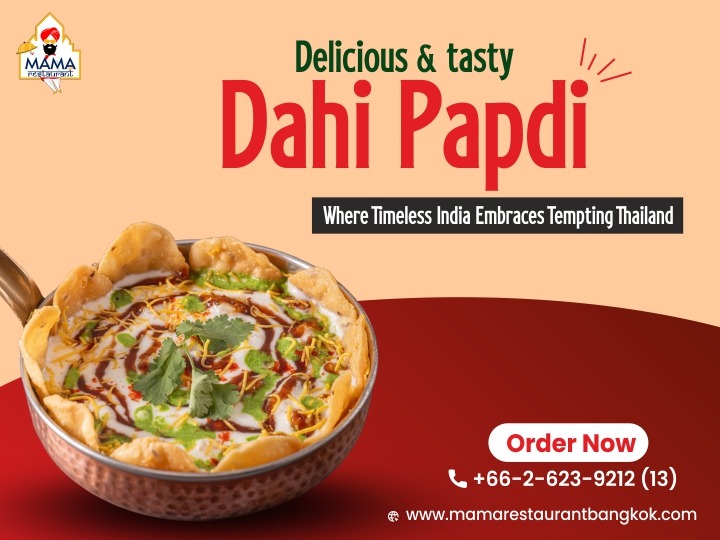
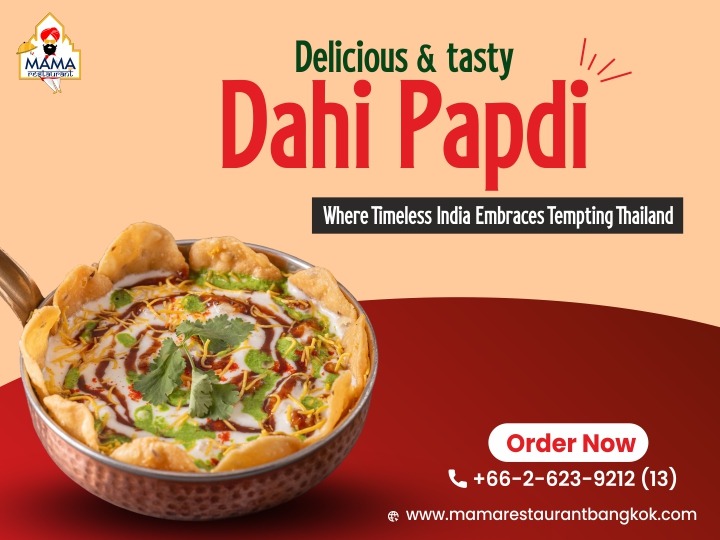
For those seeking an Indian dining experience in Bangkok, locals tend to favor restraint. Instead of ordering a spread that mirrors festival dining, they choose a tight combination—one bread, one main, one cooling element. The goal is satisfaction, not spectacle.
How Locals Actually Order?
Ordering is rarely individual. Even solo diners often eat as if sharing, choosing dishes meant to be spooned, torn, or mixed. Sharing is not a rule; it is a reflex.
A local-style order often follows this pattern:
- One dish that carries heat or spice
- One dish that adds body or richness
- One neutral or cooling element
- Rice or bread as a foundation
Beverages stay simple. Water dominates. Sweet drinks appear more often with spicy food, not as an indulgence but as balance.
Dessert is optional. Many locals skip it entirely, preferring fruit from a nearby stall or a warm drink elsewhere.
Seating Choices Speak Volumes
Locals pay attention to where they sit. Near fans, close to exits, or beside the kitchen are popular spots. Comfort outweighs ambiance. A table with airflow beats a corner with mood lighting every time.
High stools, plastic chairs, and shared tables do not deter them. These elements signal efficiency and trust. If a place refuses to dress itself up, locals assume the food carries the responsibility.
Waiting areas tell another story. Locals observe who is waiting and why. A line of office workers at odd hours often means reliable quality. A line of tourists at predictable times suggests hype.
Etiquette Without Performance
Dining etiquette in Bangkok feels effortless because it is unspoken. Locals do not announce preferences or ask detailed questions unless something truly matters. Trust flows toward the kitchen by default.
Food arrives when ready, not when synchronized. Dishes may land out of order, and no one minds. Eating starts immediately. Waiting for everyone to be served is uncommon.
Phones appear, but not excessively. Conversation centers on taste, texture, and satisfaction rather than presentation. Compliments are subtle. Silence often means approval.
Paying the Bill, the Local Way
Splitting bills evenly is common, even when orders differ. Precision matters less than ease. Some groups rotate who pays, turning meals into quiet rituals of generosity.
Cash still plays a role, especially in smaller spaces. Locals prepare before the bill arrives. There is no ceremony, no lingering negotiation. Payment is efficient, respectful, and final.
The Role of Familiar Faces
One overlooked detail in Bangkok dining is recognition. Locals return to the same places often enough to be noticed. A nod, a smile, or an extra spoon speaks louder than loyalty cards.
This familiarity changes service subtly. Food arrives faster. Portions feel generous. Mistakes get corrected without discussion. The relationship remains quiet but meaningful.
For restaurant professionals, this behavior highlights something vital: locals value consistency and memory more than novelty. A dish remembered is stronger than a dish reinvented.
Why Locals Avoid Overexposure?
Locals rarely talk publicly about their favorite spots. Silence protects quality. Once a place becomes too visible, prices rise, portions shrink, or queues stretch endlessly.
This restraint explains why some deeply loved places never appear in glossy lists. Their reputation moves through conversation, not promotion. The absence of noise becomes a form of credibility.
Eating Alone Is Normal
Solo dining carries no stigma in Bangkok. Locals eat alone often, quickly, and without distraction. Tables for one are common, especially during working hours.
Eating alone sharpens focus. Flavors stand out. Portions feel intentional. Many locals use solo meals to assess quality before bringing friends or family later.
Cultural Layers on the Plate
Bangkok’s dining scene reflects migration, trade, and adaptation. Indian flavors sit comfortably beside Thai, Chinese, and regional influences. Locals approach this diversity without labels. They eat what fits the moment.
Spice levels vary not by cuisine but by time of day, weather, and mood. Heavy food suits rainy evenings. Lighter plates match hot afternoons. Locals adjust instinctively.
A Local Mindset Worth Adopting
To experience Bangkok dining like a local, mindset matters more than location. Flexibility, patience, and attention replace checklists and expectations.
Think less about where to eat and more about when. Order less, taste more. Sit where comfort lives. Leave when satisfied, not when finished.
These habits create meals that feel personal rather than transactional. They turn food into rhythm instead of event.
Practical Habits That Locals Rely On
- Eat earlier or later than the crowd
- Watch what regulars order, then follow suit
- Balance flavors instead of maximizing quantity
- Choose comfort over décor
- Trust simple menus more than crowded ones
Conclusion
Bangkok rewards those who observe before acting. Its dining culture invites participation without instruction. Locals do not chase perfection; they chase balance, familiarity, and timing.
By adopting these patterns, meals shift from planned stops to natural pauses in the day. Food becomes part of movement, conversation, and memory rather than a destination on a list.
That quiet shift is what separates visiting from belonging, even if only for one meal.