
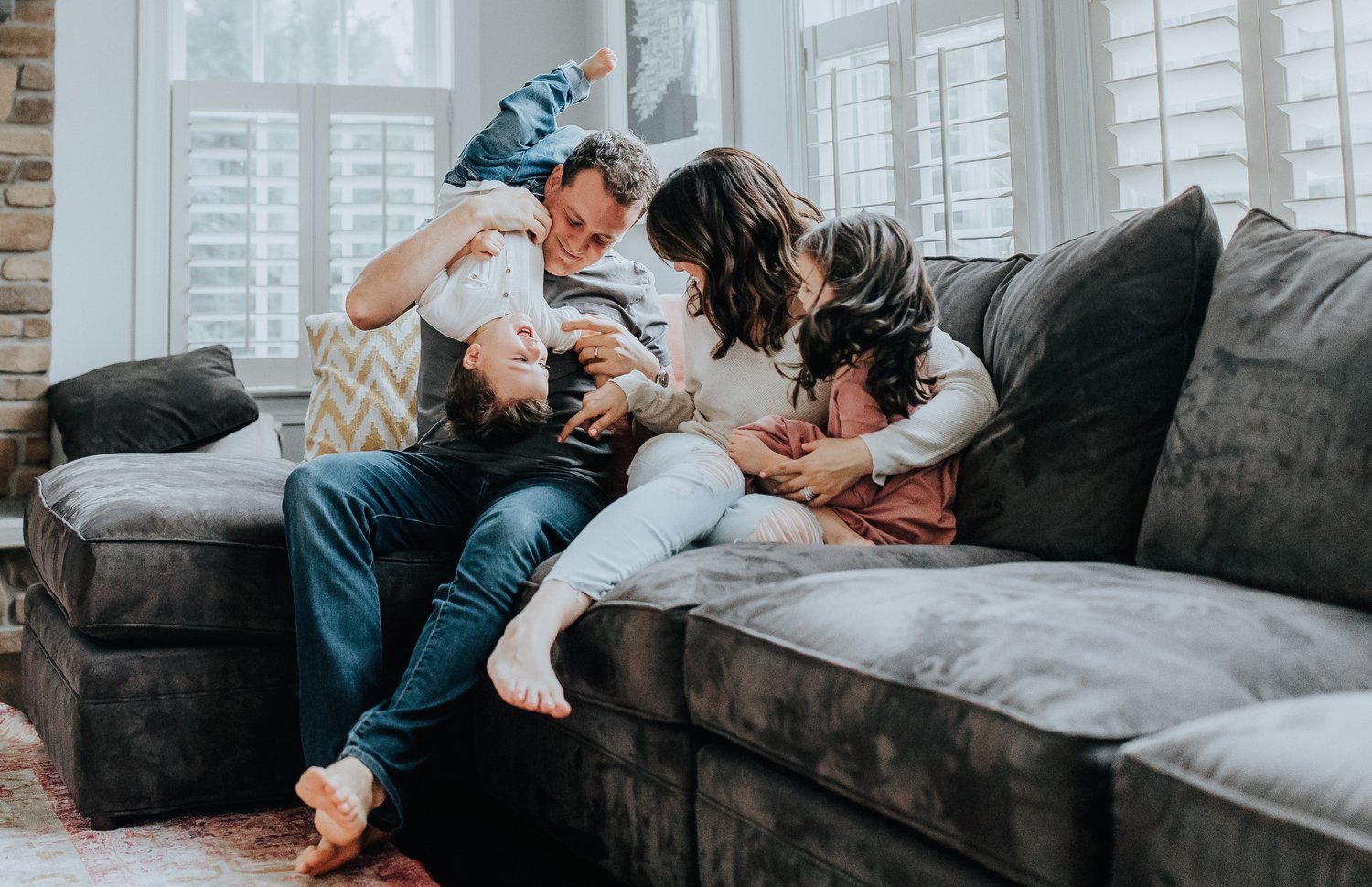
Lately, many parents describe home the same way. Loud. Tense. Draining. By the end of the day, everyone feels worn thin.
That does not mean you are doing something wrong. And it does not mean your child is broken.
What I see again and again in families is this: behavior that looks chaotic on the outside is often communication on the inside. It is shaped by pressure, overstimulation, and emotions that children do not yet know how to manage or explain.
When things escalate, our instinct is usually to tighten control. More reminders. More consequences. More effort to “get everyone back in line.” That reaction makes sense. Most of us were raised to believe that behavior improves when adults push harder.
But in practice, the opposite is often true.
Children tend to struggle the most when they lack the skills to express what they are feeling or the safety to work through it. What looks like defiance is often confusion. What looks like laziness is often overwhelm. What looks like disrespect is often a child who does not yet have the tools to cope.
Over time, clear patterns emerge. The same dynamics show up in homes regardless of age, personality, or parenting style. Once parents learn to recognize these patterns, behavior stops feeling personal and starts feeling workable.
One of the most important shifts is this: The goal is not to get rid of big feelings. The goal is to help children move through them without causing harm to themselves or others.
That shift starts with the adults.
When parents respond with calm structure instead of emotional reactions, children settle more quickly. When adults stay steady rather than escalating, kids borrow that steadiness. When cooperation replaces control, behavior begins to change at the root.
This is not permissive parenting. It is intentional leadership.
Children thrive when expectations are clear, boundaries are consistent, and relationships remain intact even during hard moments. Fear may produce short-term compliance, but safety is what builds responsibility over time.
It is also worth remembering that the meltdown itself is rarely the lesson. A child who is overwhelmed is not available for logic, correction, or lectures. The real learning happens later, in the quiet moments. Repairing after conflict. Naming feelings. Returning to calm together. Repeating this process over and over again.
Those moments are what shape emotional regulation.
When families make this shift, the changes reach beyond behavior charts and daily routines. Homes feel lighter. Not because children stop having feelings, but because tension no longer runs the show. Parents feel more confident. Children feel more secure.
And perhaps most importantly, parents stop feeling like every day is a battle they are losing.
If home has felt heavier than it should, it may not be because you need stricter rules or more effort. It may be because your child’s behavior is carrying a message that has not been fully understood yet.
Learning to read that message is often where real change begins.
If you want a clearer framework for understanding your child’s behavior and responding in ways that actually build responsibility, confidence, and cooperation, this is exactly what I walk parents through in my book, Yes You Can Raise Happy, Responsible Children.
It brings together the psychology behind behavior with practical, real-life tools you can use in everyday moments, especially when things feel loud, tense, or overwhelming at home. Not quick fixes. Not theory for theory’s sake. Just grounded guidance that helps you lead your child with calm, clarity, and consistency.
You can find the book here and start building those shifts at home, one interaction at a time: Yes You Can Raise Happy, Responsible Children