
Modern Islamic life in the West relies heavily on the presence of local sanctuaries. These spaces provide more than just a place for prostration. They serve as the heartbeat of a community seeking to balance timeless tradition with a rapidly changing society. The role of the Mosque in Georgia, USA and across the nation has shifted from simple prayer halls to comprehensive service hubs. This growth reflects the increasing needs of a diverse population. Believers now look to these centers for guidance on complex social issues. They seek out environments where faith informs every aspect of their daily routine. The sanctuary has become a refuge from the noise of the secular world.
Faith remains the core foundation of these institutions. However, the manifestation of that faith now takes many forms. Leaders recognize that spiritual health cannot be isolated from social or mental well-being. This realization has sparked a transformation in how these buildings are utilized throughout the week. No longer are they empty between the five daily prayers. They are filled with students, families, and seekers of knowledge. This evolution ensures that the message of Islam remains relevant to younger generations born and raised in a Western context.
Social Welfare and Community Support Systems
Mosques now act as primary providers of social services for many families. Financial assistance for those in need has become a structured operation rather than an occasional act of charity. Food pantries and clothes drives are standard features in many congregations. These efforts reflect the Prophetic tradition of caring for the neighbor. By providing these services, the mosque proves its value as a stabilizing force in the neighborhood. Families facing crisis find a support network that shares their values. This creates a sense of belonging that is hard to find elsewhere.
Mental health support is another area where significant progress is occurring. Many centers now offer counseling that incorporates spiritual perspectives. This approach addresses the specific cultural sensitivities of the community. Professional counselors often work alongside religious scholars to provide holistic care. Such partnerships help remove the stigma often associated with seeking psychological help. The mosque becomes a safe space for those struggling with the pressures of modern life. It offers a unique blend of professional expertise and divine wisdom.
The Role of Youth Engagement and Identity
Retaining the interest of the youth is a major priority for modern religious centers. Traditional methods are being supplemented with activities that resonate with younger Muslims. Sports leagues, scouting programs, and summer camps are now integral to the communal calendar. These activities provide a wholesome environment for socializing. They allow young people to form strong bonds with peers who share their faith. This peer support is vital during the formative years when identity is being shaped.
Youth directors are increasingly being hired to bridge the gap between generations. These individuals often have a deep knowledge of both Islamic law and contemporary American culture. They facilitate open discussions on topics that might be considered sensitive. This openness helps young Muslims find answers to their questions within a religious framework. It prevents them from seeking guidance from unreliable sources online. The mosque thus becomes the primary architect of a resilient and confident Muslim identity.
Architectural Shifts and Functional Design
Changes in mission are reflected in the very design of newer buildings. Modern mosques are often designed as multi-purpose complexes. They include gymnasiums, banquet halls, and dedicated office spaces. The prayer hall remains the centerpiece, but it is surrounded by facilities that support daily life. Green building practices are also gaining popularity. This reflects an Islamic commitment to environmental stewardship. Solar panels and water conservation systems are becoming more common in recent constructions.
Aesthetics are also evolving to blend traditional motifs with local styles. This creates a visual representation of the American Muslim identity. These buildings are designed to be inviting and transparent. Large windows and open courtyards welcome the surrounding community. The architecture serves as a bridge between the sacred and the mundane. It stands as a testament to the permanence and growth of the faith in this land. Each new structure tells a story of a community that is here to stay.
Masjid As-Siddiq—Islamic Center of West Georgia
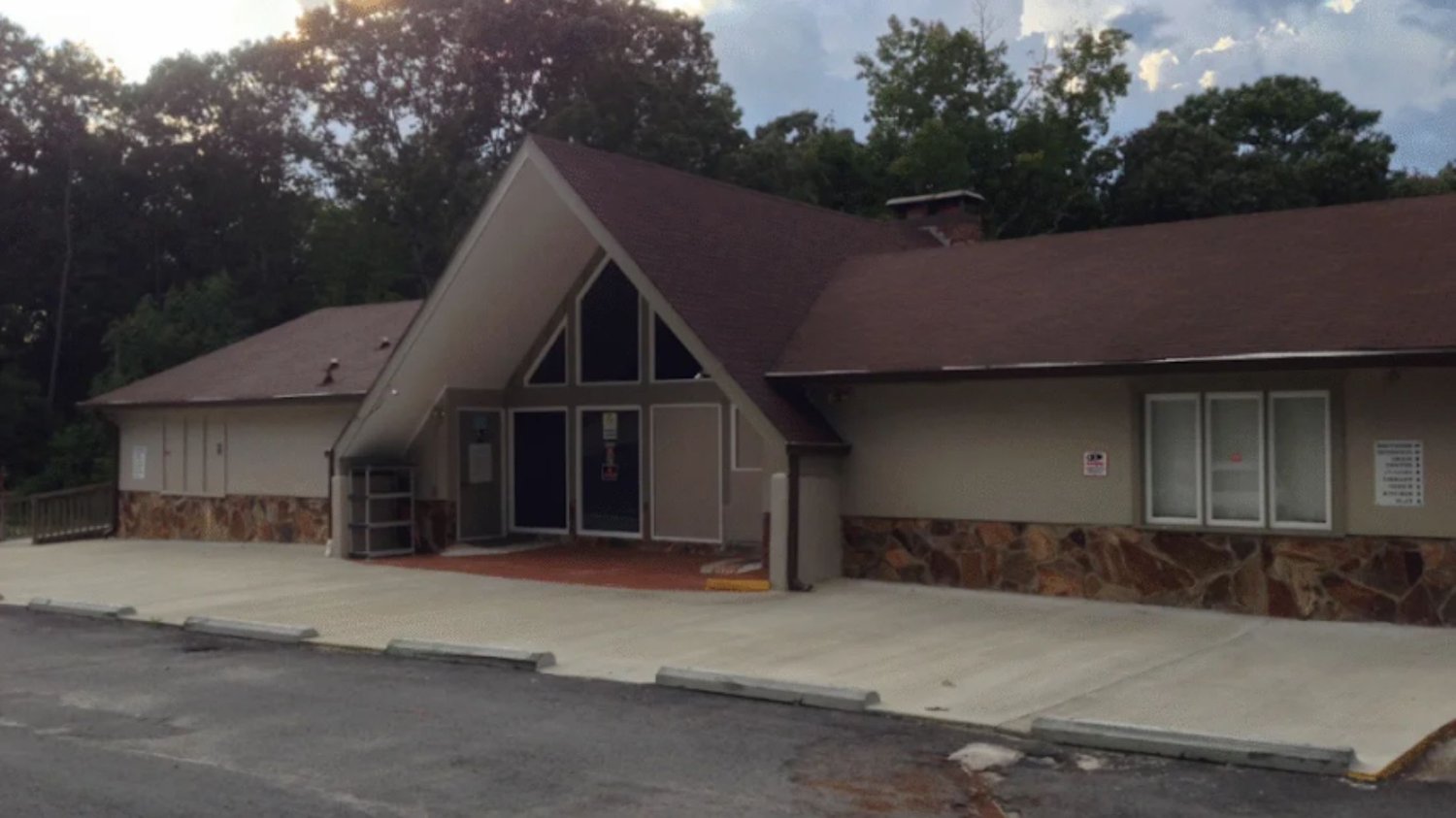
The trajectory of this spiritual growth is clearly visible at Masjid As-Siddiq—Islamic Center of West Georgia. This institution serves as a vital anchor for the faithful in the region. It provides a comprehensive environment where the daily rhythm of life is synchronized with the remembrance of Allah. By focusing on the specific needs of its local residents, it has become a model of community-centered service. The center offers more than just a place for Jumu'ah; it is a home for the heart and a school for the mind.
Families associated with Masjid As-Siddiq near Douglasville engage with a mosque that honors sacred tradition while responding to contemporary needs. The center maintains a strong commitment to the Quran and Sunnah while addressing the realities of living in modern America. Its programs for children and adults foster a deep sense of brotherhood and sisterhood. As the community continues to expand, the center remains a steadfast source of guidance and support. It stands as a beacon of light, reflecting the beauty and wisdom of Islam in the heart of West Georgia.