
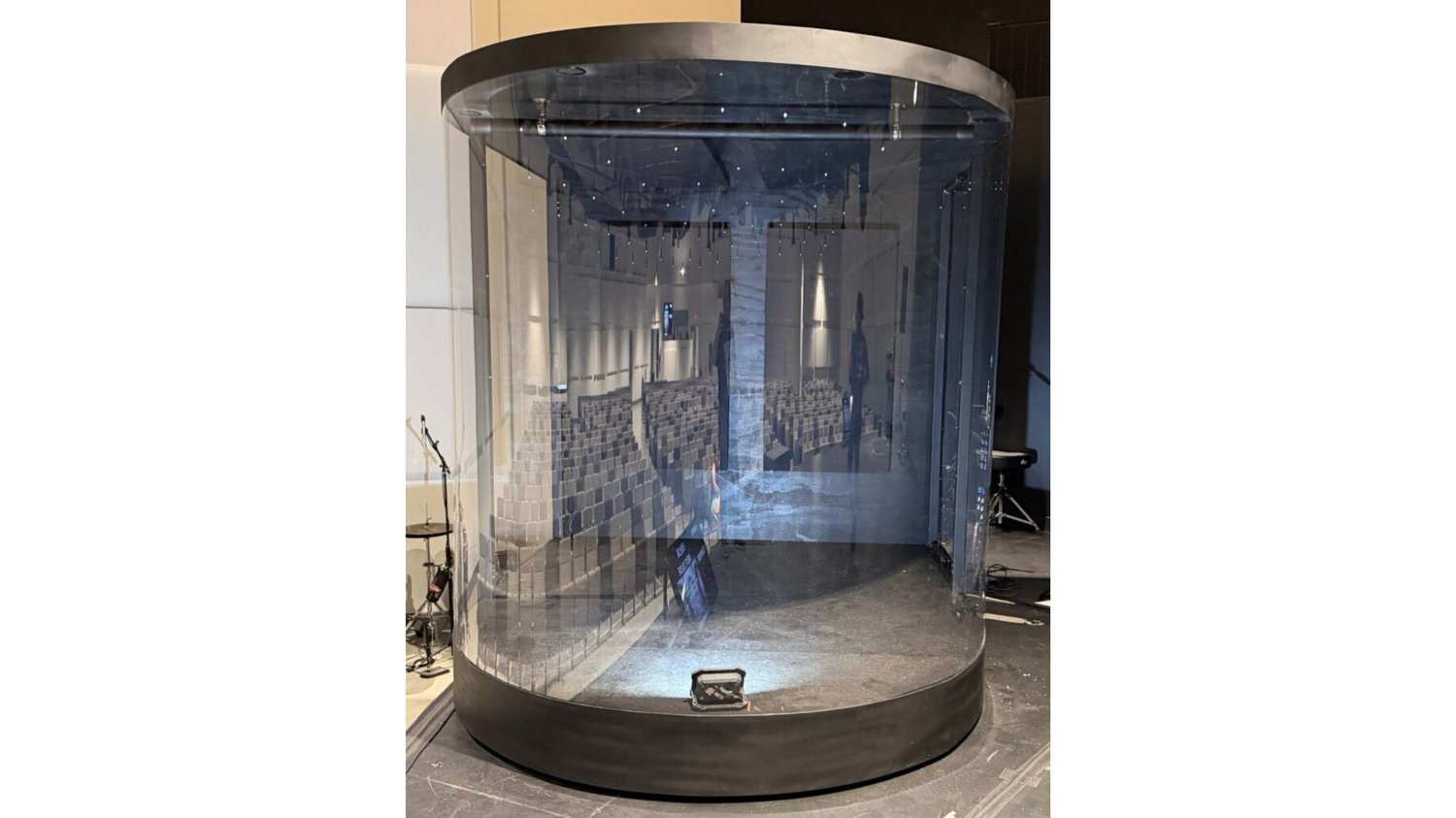
A well-built drum solution can lower stage volume, keep vocals clear, and make a room sound more controlled. For churches, studios, and live venues, a curved drum enclosure is often the stronger choice when sound balance and stage appearance both matter.
What Is a Curved Drum Enclosure?
A curved drum enclosure is a seamless acrylic structure designed to contain drum volume while keeping the drummer visible. Its curved shape directs sound more effectively than flat-panel setups, which often leave more spill across the stage.
That matters in churches, worship centers, recording studios, performance venues, and multi-purpose auditoriums. The goal is not only sound control but also a cleaner stage and a more professional look.
How a Curved Drum Shield Improves Sound Control
A curved drum shield places a transparent barrier around the kit without fully closing the drummer in. It redirects sound, reduces bleed into microphones, and keeps nearby instruments from getting buried under cymbals and snare hits.
That means a clearer mix for engineers and better communication for performers. Vocals stay more present, and the full band sounds more balanced.
Benefits of a Drum Isolation Booth
A Drum isolation booth goes a step further by creating a more enclosed acoustic space. It traps drum sound more effectively, reduces reflections, and supports cleaner recording results.
It also improves monitoring by giving musicians a more predictable sound environment. For live services and studio sessions, that kind of control can make a real difference.
What to Look for in a Drum Shield
A good drum shield should do more than stand in front of a kit. It should support visibility, durability, and long-term use.
- Transparent panels that keep the drummer in view
- Strong construction with solid acoustic performance
- Custom layouts for different stage sizes
- Ventilation for comfort during long sessions
- Cable management for a cleaner setup
- Mobility for stages that change often
The standard enclosure design includes steel framing, plywood floor, ceiling, and rear wall, full wrap-around acrylic, casters, a magnetic door, and flexible door placement.
The base curved drum enclosure typically starts at $5,500 plus shipping and installation, with pricing increasing based on size and any selected upgrades. Ventilation fans and quick-connect cable panels are also available to improve airflow and make relocation and setup easier.
Is a Curved Drum Enclosure Worth the Investment?
For many facilities, the cost of poor sound control shows up every week in muddy mixes, louder stage volume, and distracted listeners. A curved enclosure offers lasting value because it improves performance quality, recording clarity, and audience experience.
It is also built through a practical process: evaluate the space, customize the layout, choose options like ventilation or a closed base, build with steel and acrylic components, install on site, and allow future relocation through casters and quick-connect systems.
Final Thoughts
When drums are too loud, it can be hard to hear singing, speaking, and other instruments. The right sound-control system keeps the sound clear and balanced. For places that need more control over drum noise, a drum isolation booth can make the room sound cleaner and more comfortable for everyone listening.