
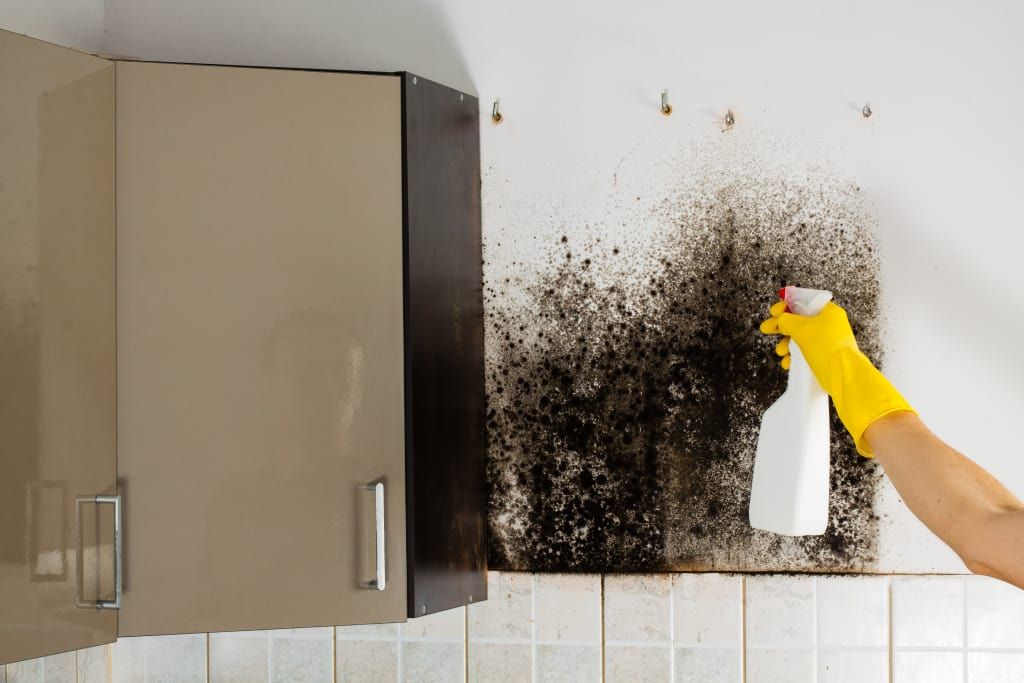
Mold is one of the most common problems homeowners face, especially in areas with high humidity like Miami, FL. It often starts quietly in hidden corners, behind walls, under carpets, or near leaking pipes. Many people notice mold only after they smell a musty odor or see dark spots spreading across surfaces. Understanding how mold is formed in houses can help you prevent serious damage and protect your indoor air quality.
What Is Mold and Why Does It Grow?
Mold is a type of fungus that grows naturally in the environment. It reproduces by releasing tiny spores into the air, which are invisible to the naked eye. These spores are always present both indoors and outdoors. When they land on a damp surface with enough warmth and organic material to feed on, they begin to grow and spread.
Inside homes, mold commonly feeds on materials like drywall, wood, carpet, insulation, ceiling tiles, and even dust. Once moisture is added, these surfaces become the perfect environment for mold development.
Moisture Is the Main Cause of Mold Formation
The biggest reason mold forms in houses is excess moisture. Mold cannot grow without water, so any source of dampness creates a risk. This can come from roof leaks, plumbing leaks, broken pipes, overflowing sinks, or poor drainage around the home.
Even small water issues can lead to mold growth if they are ignored. A slow pipe leak under the kitchen sink or condensation around windows may seem harmless at first, but over time, that moisture creates ideal conditions for mold colonies to form.
High Humidity Makes Mold Worse
Humidity plays a major role in mold growth, especially in warm climates. When indoor humidity levels stay too high, moisture builds up on walls, ceilings, and windows. Bathrooms, kitchens, laundry rooms, and basements are especially vulnerable because they naturally produce more moisture.
Poor ventilation makes this worse. If steam from showers or cooking has nowhere to escape, it settles on surfaces and supports mold growth. Air conditioners that are not working properly can also contribute to indoor humidity problems.
Poor Ventilation Creates Hidden Mold Problems
Many homes develop mold because air does not circulate properly. Closed spaces like closets, attics, crawl spaces, and behind furniture can trap moisture without anyone noticing. This creates hidden mold that may spread for months before becoming visible.
Bathrooms without exhaust fans are a common example. Steam from hot showers stays trapped, allowing mold to grow on ceilings, grout, and walls. The same happens in kitchens where cooking moisture builds up without proper airflow.
Water Damage Speeds Up Mold Growth
Flooding, storm damage, and plumbing emergencies can quickly lead to serious mold problems. Mold can begin growing within 24 to 48 hours after water damage if materials are not dried properly. Wet drywall, soaked carpets, and damp insulation become breeding grounds for rapid mold spread.
This is why professional water damage restoration is important. Simply drying the visible area is often not enough because moisture can remain trapped behind walls and under flooring.
How to Prevent Mold from Forming
Preventing mold starts with controlling moisture. Fix leaks quickly, use exhaust fans in bathrooms and kitchens, and keep indoor humidity levels low. Regular home inspections can help catch small problems before they turn into expensive mold damage.
Cleaning and maintaining air conditioning systems also helps improve airflow and reduce humidity. If you notice musty smells or signs of water damage, it is best to act early before mold spreads further.
Conclusion
Mold forms in houses when moisture meets the right surface and conditions for growth. Leaks, humidity, poor ventilation, and water damage all create the perfect environment for mold to spread. Since mold can affect both your property and your health, prevention is always better than waiting for the problem to become severe.
At Miami Mold Specialist, we help homeowners identify hidden mold issues, remove contamination safely, and prevent future growth. Knowing how mold forms is the first step toward keeping your home clean, healthy, and mold-free.