
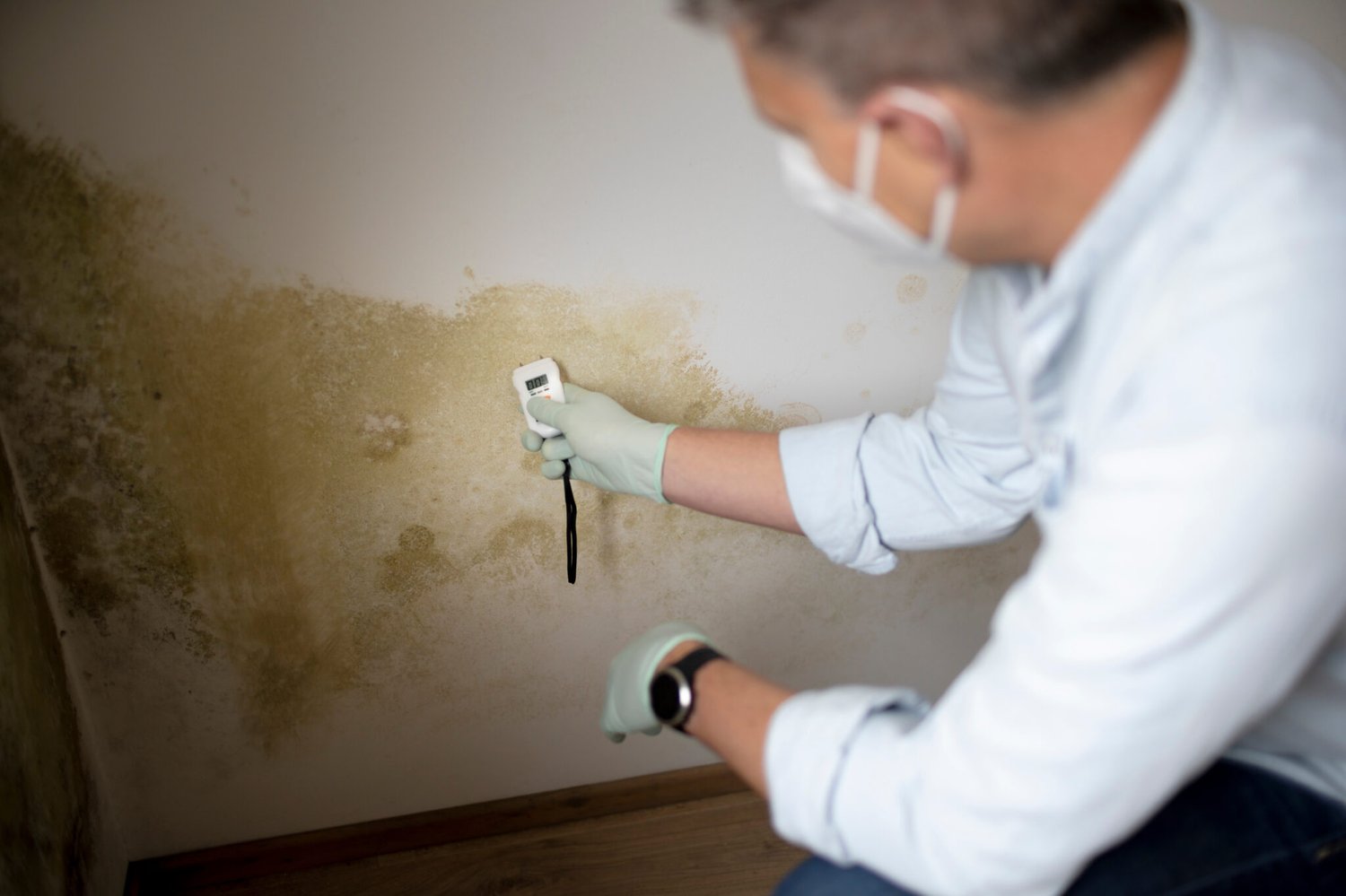
Mold can be one of the most frustrating problems homeowners face. It not only damages property but also impacts indoor air quality and health. In humid climates like Miami and South Florida, mold growth can happen faster than you think—behind walls, under flooring, or inside your HVAC system. That’s why Mold Testing and Remediation are two essential steps every homeowner should understand before hiring a professional.
Why Mold Testing and Remediation Matters?
Mold testing is the process of identifying the presence and type of mold in your home. While visible patches of mold are an obvious sign, spores often spread in hidden areas long before you notice them. Professional testing helps:
- Detects hidden mold behind walls, ceilings, and floors.
- Identify the specific type of mold and whether it poses health risks.
- Determine the extent of contamination for proper treatment.
- Provide documentation for insurance or property sales.
Without testing, you might only treat surface mold while leaving behind deeper issues that continue to grow.
What Is Mold Remediation?
Mold remediation goes beyond cleaning visible mold—effective Mold Testing and Remediation, fixing moisture problems, and preventing regrowth. A reliable process usually includes:
- Inspection & Containment: Specialists isolate affected areas to stop mold spores from spreading.
- Air Filtration: HEPA filters are used to trap airborne spores.
- Mold Removal: Depending on the damage, materials may be cleaned, treated, or replaced.
- Moisture Control: The root cause (leaks, humidity, poor ventilation) must be fixed to avoid recurrence.
- Post-Remediation Testing: Final testing ensures the area is safe for occupants.
Skipping remediation or doing it improperly can result in recurring mold problems and costly long-term repairs.
Questions to Ask Before Hiring a Professional
Choosing the right mold specialist can make all the difference. Here are a few smart questions every homeowner should ask:
- Are you certified and insured? Licensing and training show professionalism.
- What testing methods do you use? Reliable contractors use advanced tools, not just visual checks.
- Do you provide a detailed remediation plan? Transparency is key.
- How do you ensure safety during cleanup? Containment and protective gear are essential.
- Do you offer post-remediation verification? A final test proves the job was done right.
Red Flags to Avoid
Unfortunately, not every mold contractor is trustworthy. Watch out for:
- Large upfront payments without a clear plan.
- One-size-fits-all pricing that ignores the unique problem.
- Companies that skip testing or don’t offer post-remediation verification.
- Contractors who downplay safety or refuse to show credentials.
If a deal sounds too good to be true, it usually is.
How Homeowners Can Prepare?
Before hiring a professional, you can take a few steps to limit mold spread:
- Repair leaks or plumbing issues right away.
- Improve ventilation in damp areas like bathrooms and kitchens.
- Use dehumidifiers to control indoor moisture.
- Avoid disturbing visible mold—scrubbing it without proper gear can release spores into the air.
Conclusion
Understanding Mold Testing is essential for keeping your home safe, healthy, and protected from long-term damage. Testing helps uncover hidden mold, while remediation ensures it’s removed the right way. With the right contractor, you can restore peace of mind and prevent mold from coming back.