

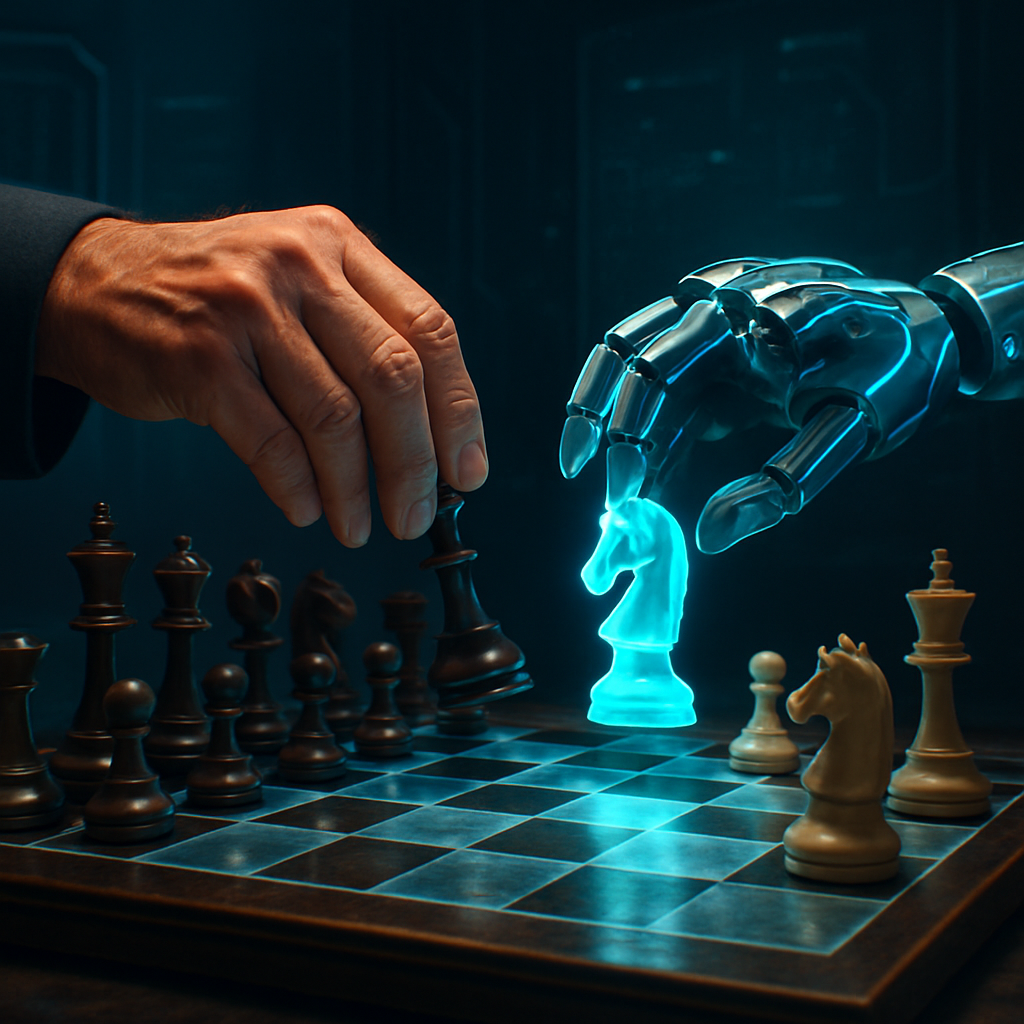
We’re living in a world where artificial intelligence is woven into every part of cybersecurity. Detection engines are smarter. Threat-hunting platforms are faster. Automation closes tickets before you can even sip your coffee. But here’s the uncomfortable truth: AI is a tool, not a replacement. The difference between keeping an organization secure and watching it crumble often comes down to qualities that no algorithm can genuinely replicate.
Let’s talk about the human edge, the things that separate a skilled cybersecurity professional from an AI-driven dashboard.
Communication: Speaking Two Languages at Once
Cybersecurity isn’t just firewalls and packet captures. It’s translating raw, technical chaos into something a CFO, CEO, or front-line employee can actually understand. Humans have the unique ability to shift tone, use analogies, and adjust messaging based on the room. AI can summarize logs all day, but it doesn’t “feel” when leadership is tuning out or when a junior analyst is silently lost.
Great cybersecurity leaders are bilingual in a sense, they speak both “geek” and “business.” That skill earns trust, drives investment, and gets people to take security seriously.
Collaboration: The Team Sport No Bot Can Play
Threat actors collaborate. Ransomware gangs share code. Nation-states borrow tactics. Defenders have to do the same. True collaboration isn’t just about exchanging data, it’s about building trust, balancing egos, and knowing when to step back so someone else can lead.
AI can recommend solutions, but it doesn’t have coffee with a developer to patch up strained relations. It doesn’t notice when a teammate is burned out or recognize when the SOC needs pizza and encouragement at 2 AM. Cybersecurity is a team sport, and teamwork is human.
Intuition: The Gut Feeling That Saves the Day
Every experienced analyst has a story where nothing “looked wrong” on the surface, but something in their gut said otherwise. Maybe it was a log entry out of place. Maybe it was the silence that felt too perfect. That moment, the instinct to dig deeper, has stopped breaches countless times.
AI follows patterns it’s trained on. It can’t feel that uncanny itch in the back of your mind when something doesn’t line up. Human intuition, sharpened by years of pattern recognition and lived experience, is irreplaceable.
Thinking Outside the Framework
Frameworks like NIST, ISO, and MITRE ATT&CK are guardrails, not cages. They give structure, but attackers thrive outside the playbook. The best defenders are creative, mixing lessons from gaming, sports, history, even art, into their strategies.
AI is designed to optimize within boundaries. Humans are designed to break them when necessary. Out-of-the-box thinking is often what turns a losing battle into a surprising win.
Adaptability: The Avian Advantage
Think about a bird in flight. Winds shift, storms roll in, obstacles rise. The bird doesn’t stop midair and wait for instructions, it adjusts, glides, and pivots. That adaptability is what cybersecurity demands.
When a zero-day drops, or an attack doesn’t fit any known pattern, humans improvise. They scrap the playbook, reassign roles, and pivot strategies on the fly. AI struggles when reality doesn’t match training data. Humans thrive when the unexpected becomes the norm.
So How Does This Affect You?
AI is powerful. It will keep getting better. But the future of cybersecurity isn’t man or machine, it’s man with machine. The organizations that win will be the ones that pair AI’s speed and scale with human communication, collaboration, intuition, creativity, and adaptability.
In short, the most valuable security tool in the room isn’t an algorithm, it’s you.
By: Brad W. Beatty
Comments ()