
I remember when I was a kid, I took this course called Where There’s a Will There’s an A. The one thing that really stuck with me wasn’t about grades or studying harder, it was about studying smarter. They explained that people tend to remember the first thing and the last thing they study, but most of what’s in the middle gets lost. The trick, they said, was to create as many “firsts” and “lasts” as possible.
So instead of grinding through an hour straight, you’d study for 10 minutes, take a 5-minute break, then repeat that cycle four times. At the end of the hour, you’d have eight “firsts” and “lasts” locked into memory instead of just two. That idea stuck with me, and decades later, it’s exactly what makes microlearning so powerful.
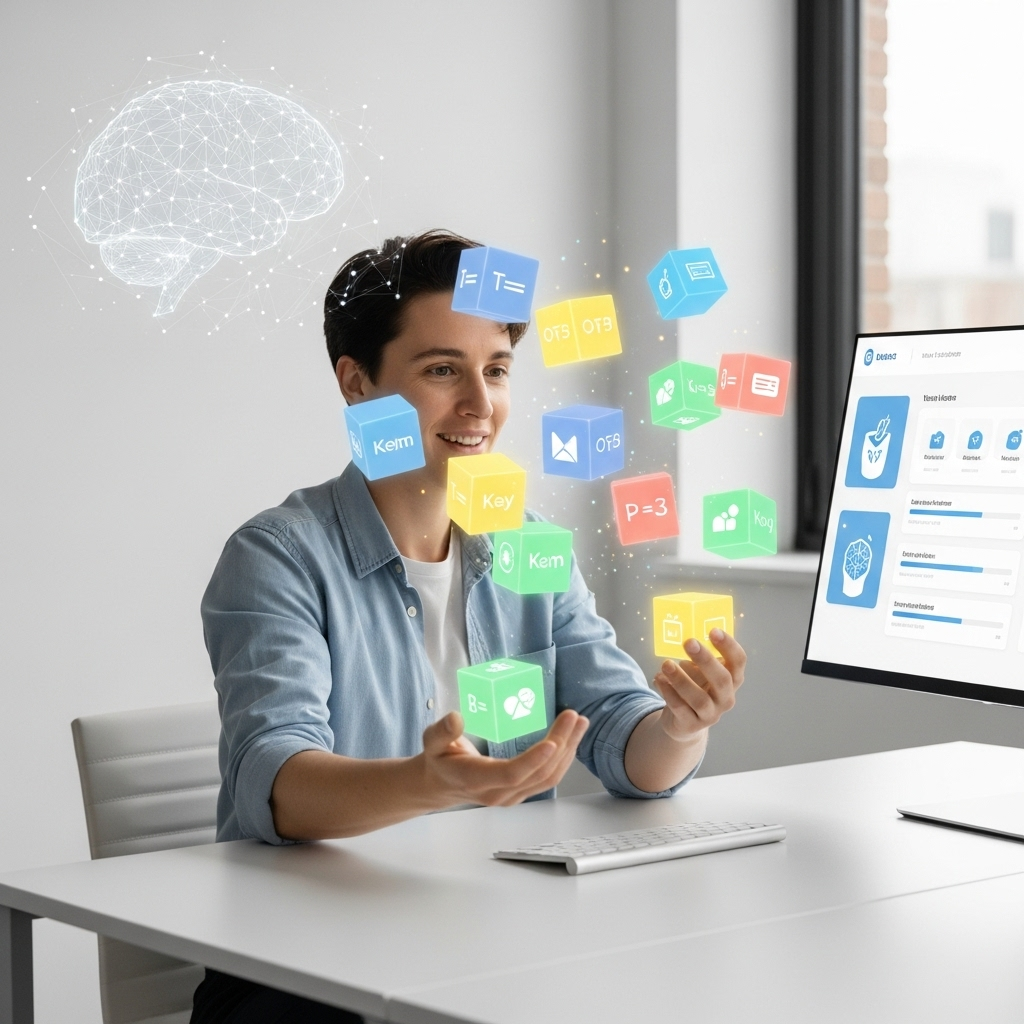
Microlearning is built on the same principle. Instead of dumping a ton of content on you all at once, it delivers short, focused lessons in bursts. Our brains are wired to latch onto those small starts and finishes, which means retention shoots up. You don’t just hear something, you remember it. And because those lessons are so short, they fit seamlessly into real life. Nobody has endless free time anymore, so a 3–5-minute module can slip in between emails, during a lunch break, or even while waiting in line. It’s like swapping out a heavy textbook for a pocket-sized set of flashcards you can carry anywhere.
That flexibility makes learning practical in the moment too. Think about the last time you pulled up a two-minute YouTube tutorial to fix something, you didn’t need a whole course, you just needed the right snippet of knowledge right when it mattered. That’s microlearning in action.
The beauty of this approach is that it’s not only efficient, but also enjoyable. Short videos, quick quizzes, and bite-sized interactive lessons keep people engaged because they feel approachable. It’s easier to commit to a few minutes of learning than to sign up for a multi-hour lecture, and when training feels light and manageable, it doesn’t feel like a chore. For students and teachers, the same combination of effectiveness and engagement makes microlearning a game changer. Instead of slogging through long lectures or dense chapters, you can break lessons into smaller pieces that are easier to digest and review. Teachers don’t have to redesign an entire course to keep material fresh, they can swap out or update a short activity, video, or quiz and keep moving. Students, on the other hand, get learning that feels more manageable, less overwhelming, and easier to remember. The result is a study method that saves time, reduces stress, and helps knowledge actually stick.
Whether you’re cramming for a test, training employees, or just trying to pick up a new skill, microlearning works because it lines up with how our brains naturally remember things. By breaking big lessons into small chunks of repeatable bursts, it multiplies the number of “firsts and lasts” you can retain. In short, it’s not about studying harder, it’s about learning smarter.
Comments ()