
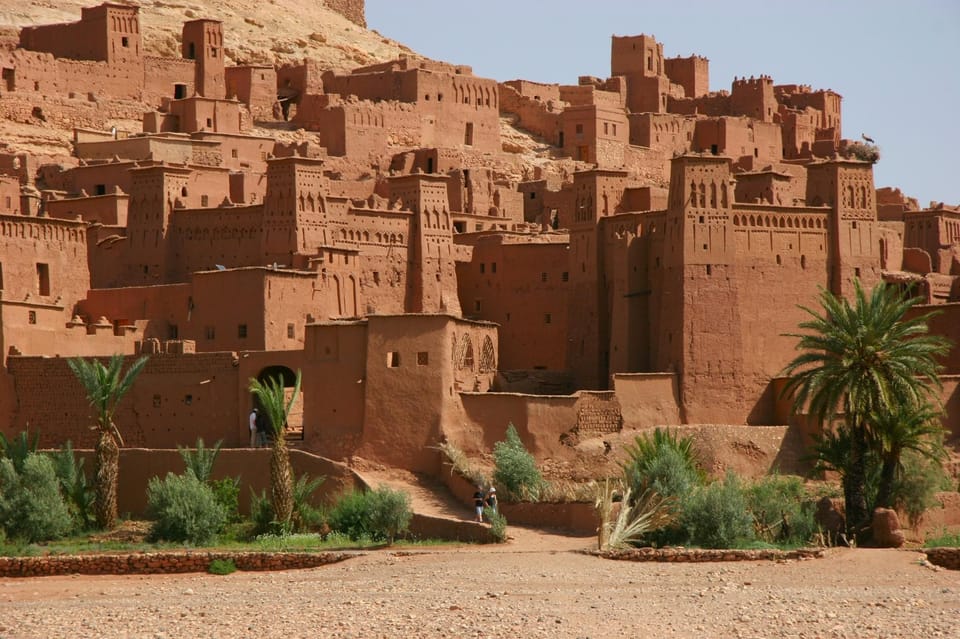
Morocco, located in North Africa, is a captivating country where ancient traditions blend seamlessly with modern charm. With its diverse landscapes — from the sweeping sands of the Sahara to the snow-capped Atlas Mountains and the serene beaches along the Atlantic Ocean — Morocco offers something for every traveler. This enchanting land is known for its vibrant cities, unique architecture, and warm hospitality.
Famous Cities in Morocco
- Marrakech — Known as the “Red City” because of its terracotta-colored buildings, Marrakech is a sensory experience like no other. The city’s heart beats in the lively Jemaa el-Fnaa square, where snake charmers, musicians, and street food vendors entertain locals and tourists alike. The Majorelle Garden and Koutoubia Mosque are must-see landmarks.
- Fes — A historical gem, Fes is home to the world’s oldest university, Al Quaraouiyine. The city’s medieval medina, a UNESCO World Heritage Site, is a labyrinth of narrow alleys, ancient mosques, traditional souks, and artisan workshops that reflect Morocco’s intellectual and spiritual history.
- Casablanca — Morocco’s economic powerhouse and largest city, Casablanca is more modern than other Moroccan cities. It boasts stunning colonial architecture, the massive Hassan II Mosque (one of the largest in the world), and a lively nightlife and dining scene.
- Chefchaouen — Tucked in the Rif Mountains, this picturesque town is famous for its striking blue-washed buildings and laid-back atmosphere. It’s a photographer’s paradise and a peaceful escape for travelers looking for tranquility and beauty.
- Tangier — A city that once inspired artists and writers like Paul Bowles and Henri Matisse, Tangier serves as a cultural crossroads between Europe and Africa. Its blend of Spanish, French, and Moroccan influences make it a fascinating place to explore.
Moroccan Culture
Morocco’s culture is a vibrant fusion of Arab, Berber (Amazigh), African, and European influences. The Moroccan people are known for their hospitality and deep respect for traditions. Moroccan cuisine is a cornerstone of its culture — flavorful and diverse, with famous dishes such as couscous, tagine, and pastilla. Mint tea, often called “Moroccan whiskey,” is a symbol of hospitality and is served daily in homes and cafes across the country.
Music and dance also play a significant role. From the spiritual rhythms of Gnawa to the lively sounds of Chaabi, Moroccan music reflects the country’s complex identity. Craftsmanship is another point of pride; handmade carpets, leather goods, ceramics, and intricate tilework are produced using techniques passed down for generations.
A Brief History of Morocco
Morocco’s history stretches back thousands of years. It has been inhabited since prehistoric times and has seen a mix of civilizations including Phoenicians, Romans, and indigenous Berber tribes. In the 7th century, Arab conquerors brought Islam to the region, shaping the religious and cultural fabric of the nation.
Over the centuries, powerful dynasties such as the Almoravids, Almohads, Merinids, and Saadians left behind magnificent palaces, mosques, and schools. During the 20th century, Morocco was colonized by France and Spain, gaining independence in 1956. Today, it is a constitutional monarchy led by King Mohammed VI.
Morocco is a stable and progressive country that continues to preserve its heritage while embracing modernity. Its strategic location, rich history, and cultural depth have made it a popular destination for millions of visitors each year.
Conclusion
Morocco is more than a destination — it’s a journey through time, culture, and natural wonder. Whether you are wandering through ancient medinas, tasting exotic flavors, hiking through majestic mountains, or riding camels under a desert sunset, Morocco promises an unforgettable experience.