

Teaching young children how to write letters doesn’t have to feel overwhelming. With the right tools, learning the alphabet can be fun, calm, and easy that kids actually enjoy.
That’s why these letter tracing worksheets are one of my favorite early learning activities for preschoolers. They’re simple, effective, and easy to use at home or in the classroom.
Why Letter Tracing Worksheets Are So Helpful
Before children learn to write letters on their own, they need time to develop the small muscles in their hands and fingers. Tracing activities support this process in a gentle way.
Letter tracing worksheets help preschoolers:
- Build fine motor skills.
- Recognize uppercase and lowercase letters.
- Improve hand-eye coordination.
- Gain confidence with pre-writing skills.
- Practice the ABC in a relaxed, pressure-free way.
They’re especially helpful for children ages 3 to 6, whether you’re homeschooling or adding learning moments at home.
My Letter Tracing Worksheets
I created these letter tracing worksheets specifically for preschoolers.
As a children’s illustrator, I designed each page with simple, friendly drawings to keep little learners engaged without feeling overwhelmed.
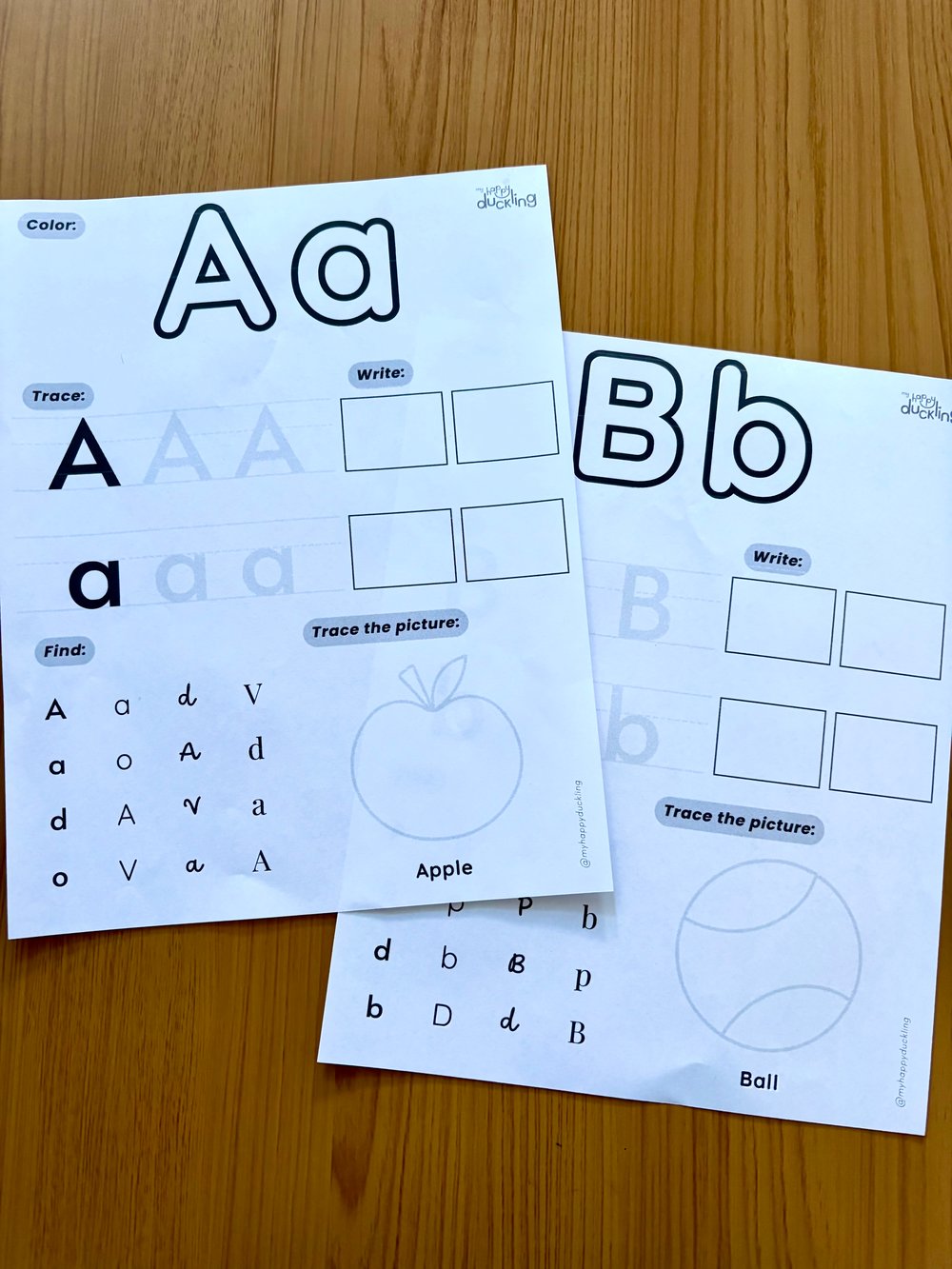
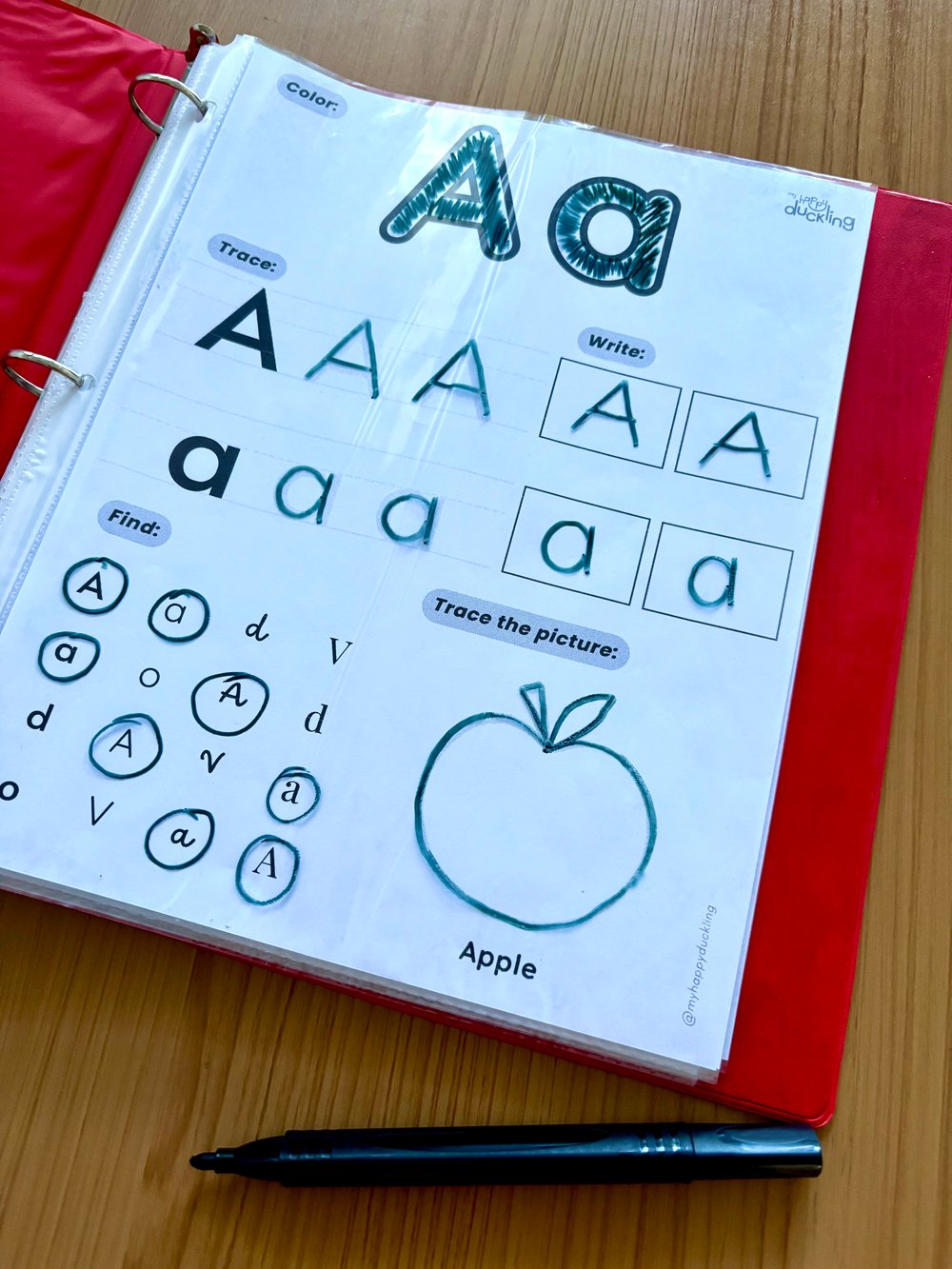
Each worksheet includes:
- Big and bold letters to color, or trace inside them.
- Uppercase and lowercase letters to trace and a blank space to free writing them.
- Cute and easy illustrations to trace, created by me.
- A space to identify the uppercase and lowercase letters, in different fonts.
- A clean layout that works well for small hands.
The goal is to make letter practice feel inviting and achievable.
How to Use Letter Tracing Worksheets at Home
One of the best things about tracing worksheets is how flexible they are. They can easily fit into your daily routine.
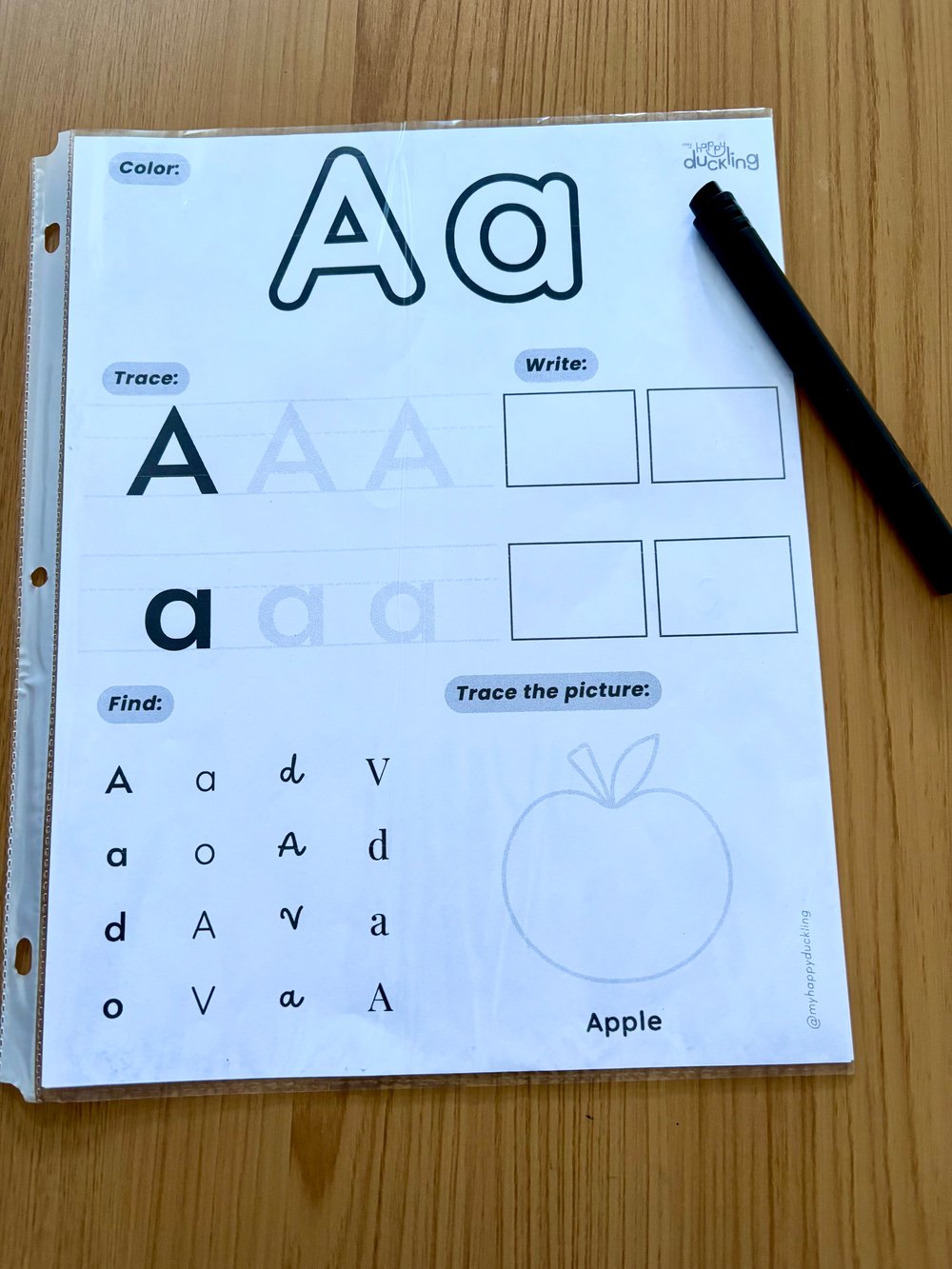
Here are a few simple ideas:
- Practice one letter per day.
- Use crayons, pencils, or markers.
- Say the letter name and sound out loud.
- Allow coloring after tracing.
- Keep sessions short (5–10 minutes works great).
Make Them Reusable
To get even more use out of the worksheets, you can easily make them reusable:
- Laminate the pages and use dry-erase markers.
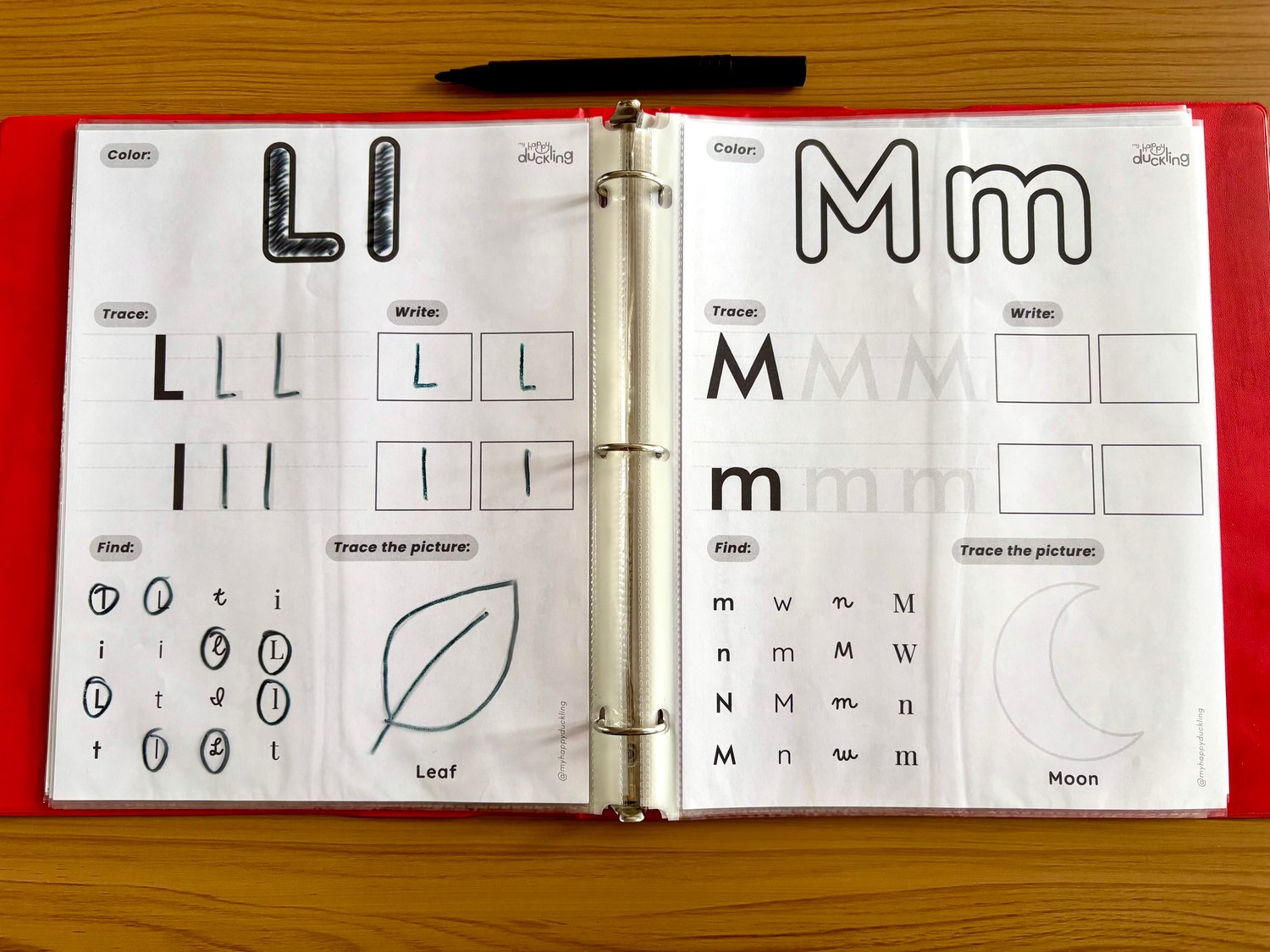
- Place them inside clear sheet protectors.
- Store them in a binder with plastic page protectors, the way I personally use them at home.
This makes letter practice fun, mess-free, and perfect for repeated use.
A Personal Note
I tested these worksheets at home, and my own child really enjoyed them. Seeing him focus, trace the letters, and proudly show his work reminded me that learning doesn’t need to be complicated to be effective.
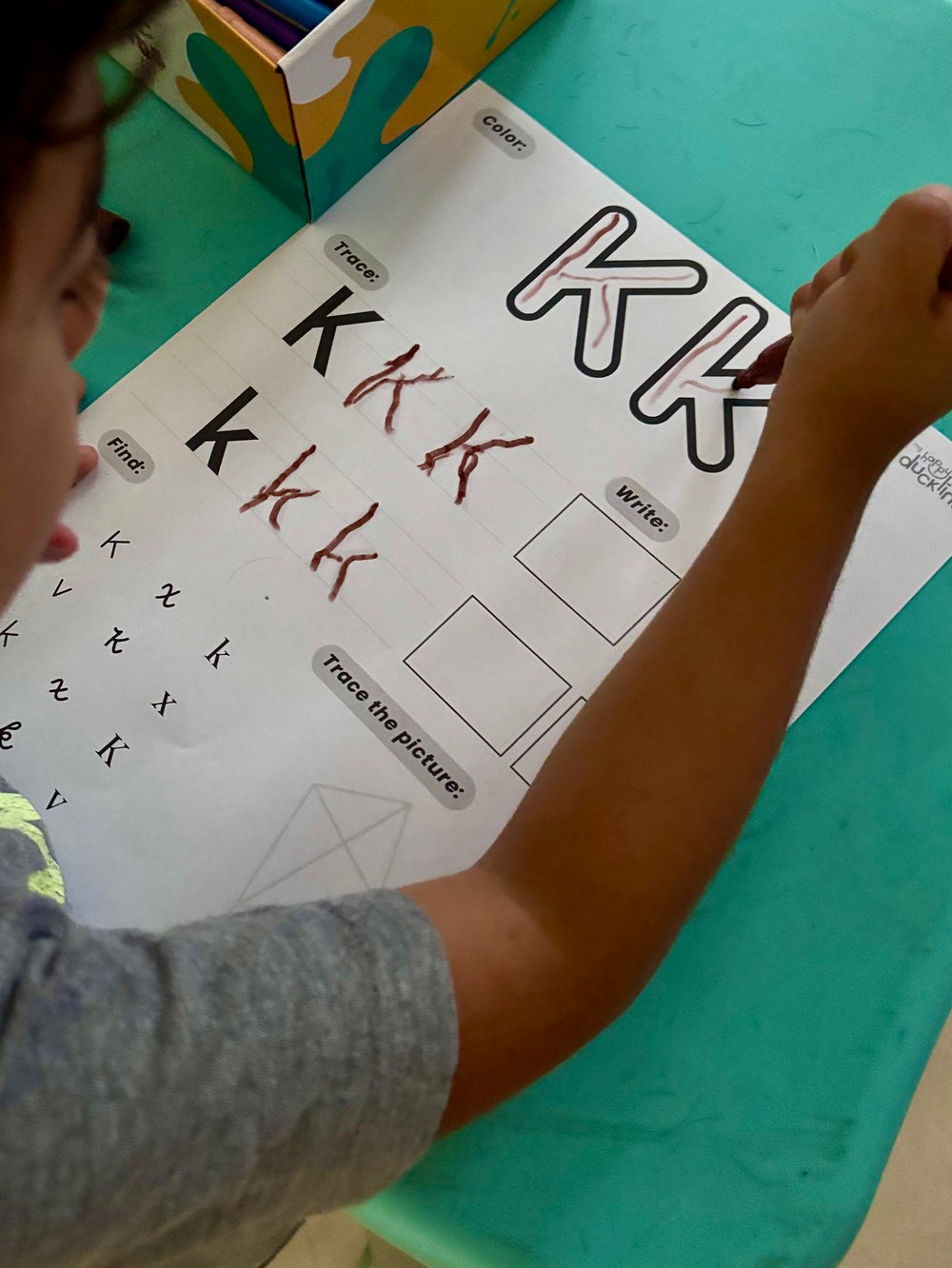
Every child is different, but offering simple activities they enjoy can make a big difference.
Make Tracing Fun and Stress-Free
Learning should never feel like pressure. If your child feels tired or frustrated, it’s perfectly okay to stop and continue later.
A few gentle tips:
- Praise effort, not perfection.
- Let children choose their favorite colors.
- Keep the mood relaxed and positive.
- Turn tracing into a cozy, quiet-time activity.
Small moments add up.
Perfect for Homeschool, Preschool, or Quiet Time
These letter tracing worksheets are great for:
- Homeschool families.
- Preschool learning at home.
- Quiet time activities.
- Extra practice before kindergarten.
They’re easy to print and simple to use, making them a helpful addition to any early learning routine.
Where to Get the Letter Tracing Worksheets
You can find the letter tracing worksheets here:
GET THE PRESCHOOL LETTER TRACING WORKSHEETS - A TO Z
They’re designed to support early writing skills in a fun, gentle, and engaging way.
If you’re looking for a simple and engaging way to practice the alphabet with your preschooler, these worksheets are a great place to start.