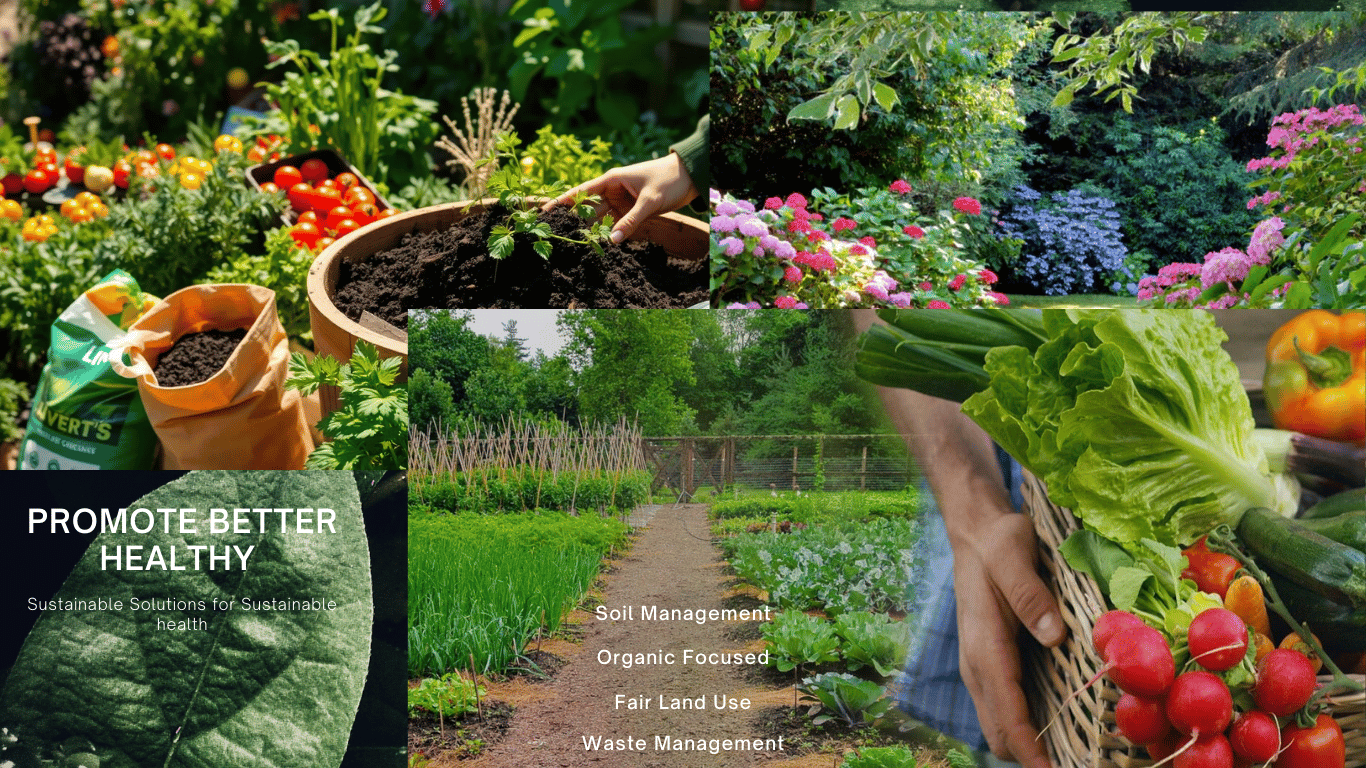
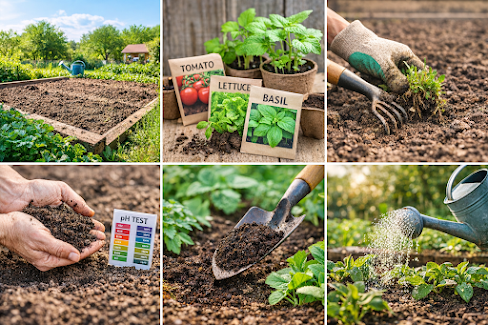

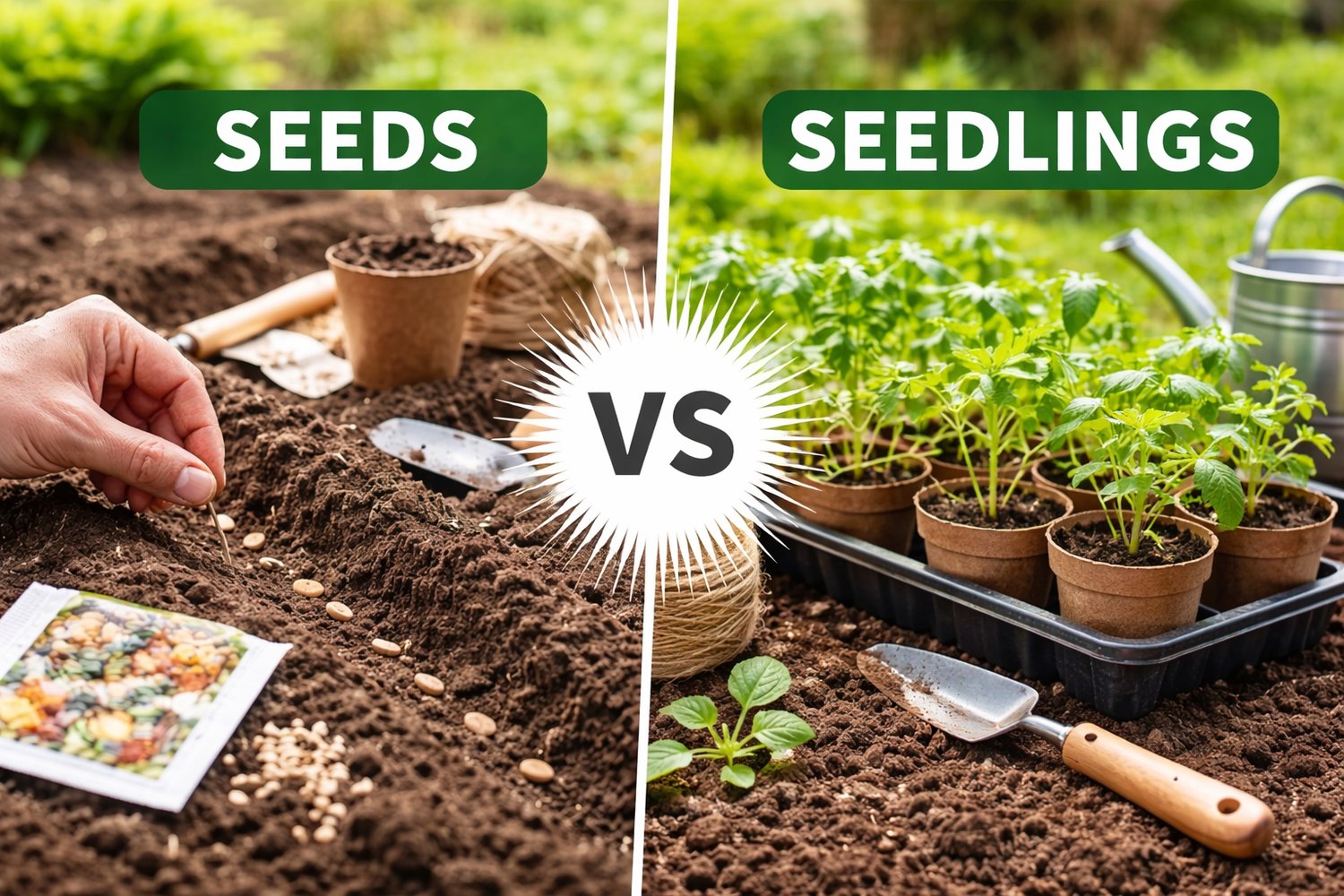
Starting a garden is an exciting step toward growing your own food, beautifying your home, and connecting with nature. One of the first decisions every new gardener must make is whether to plant seeds or seedlings. Both options can lead to a successful garden, but they come with different advantages, challenges, and costs.
For beginners, understanding the difference between seeds and seedlings can help you make smarter choices and avoid common frustrations.
In this guide, we’ll break down the pros and cons of each so you can decide which option works best for your gardening goals.
What Are Seeds?
Seeds are the starting point of every plant. When planted in soil under the right conditions—such as proper moisture, sunlight, and temperature—they germinate and grow into mature plants.
Seeds are commonly sold in packets and are widely available in garden centers, nurseries, and online stores.
Advantages of Growing from Seeds
1. More Affordable
Seeds are usually the cheapest way to start a garden. A single packet can contain dozens or even hundreds of seeds, allowing you to grow many plants at a very low cost.
2. Greater Variety
When buying seeds, you have access to a much wider selection of plant varieties. This includes heirloom vegetables, unique herbs, and specialty flowers that may not be available as seedlings.
3. More Control Over Growth
Growing plants from seeds allows gardeners to control the entire growth process, from germination to harvest.
Challenges of Using Seeds
While seeds offer many benefits, they can be more demanding for beginners.
- Germination can take time.
- Seeds require careful watering and temperature control.
- Some seeds have low germination rates.
- Young plants can be fragile during early growth stages.
Because of these factors, beginners may experience a few failures before mastering seed starting.
What Are Seedlings?
Seedlings are young plants that have already started growing, usually sold in small pots or trays at garden centers or nurseries. They have passed the delicate germination stage and are ready to be transplanted directly into garden beds or containers.
Advantages of Using Seedlings
1. Faster Results
Since seedlings have already begun growing, you skip the germination stage. This means your garden will develop faster and produce results sooner.
2. Easier for Beginners
Seedlings reduce many of the risks associated with early plant growth, making them a more beginner-friendly option.
3. Higher Success Rate
Because the plants are already established, they are less fragile than newly germinated seeds.
Challenges of Using Seedlings
Despite their convenience, seedlings also have a few drawbacks.
- They are more expensive than seeds.
- Plant varieties are often limited.
- Transplanting must be done carefully to avoid root stress.
Key Differences Between Seeds and Seedlings
Feature Seeds Seedlings
Cost Very affordable More expensive
Growth time Slower start Faster results
Variety Wide selection Limited selection
Difficulty Requires more care Beginner-friendly
Risk Higher failure risk Higher success rate
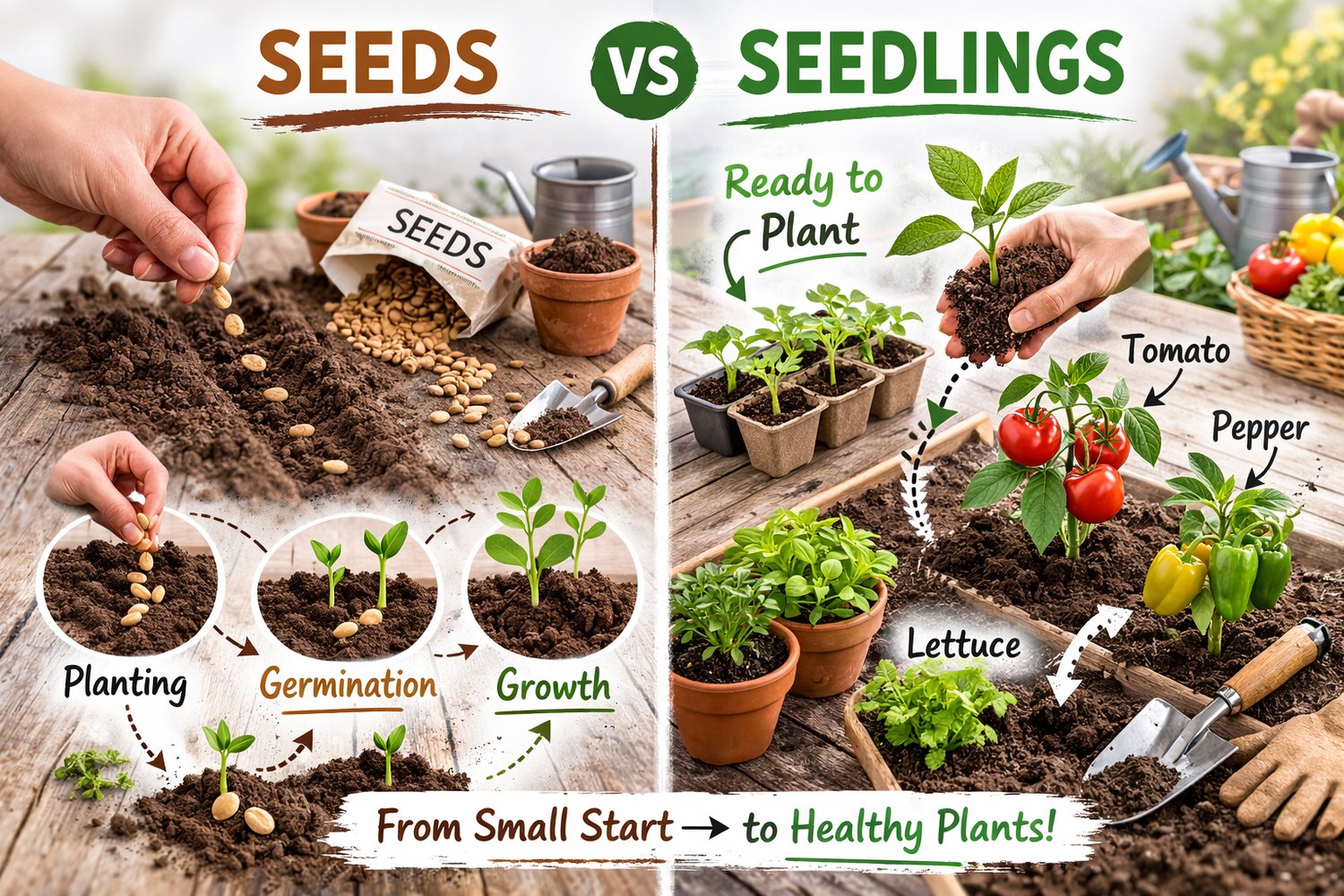
Which Option Is Better for Beginner Gardeners?
For most beginners, seedlings are often the easier starting point. They simplify the process by eliminating the delicate germination stage and allow gardeners to see faster progress.
However, seeds can still be a great option if you want to grow large quantities or experiment with different plant varieties.
Many experienced gardeners recommend a combination approach:
- Start difficult plants from seedlings
- Grow easy plants from seeds
This strategy gives beginners the best balance between success and learning.
Plants That Are Easy to Grow from Seeds
Some plants germinate quickly and are very beginner-friendly.
Examples include:
- Radishes
- Lettuce
- Spinach
- Beans
- Sunflowers
These plants grow quickly and provide early motivation for new gardeners.
Plants That Are Better as Seedlings
Certain plants benefit from being purchased as seedlings because they require longer growing seasons or delicate germination conditions.
These include:
- Tomatoes
- Peppers
- Eggplants
- Cabbage
- Broccoli
Buying these as seedlings can save time and improve success rates.
Final Thoughts
Choosing between seeds and seedlings depends on your experience level, gardening goals, and available time. Seeds offer affordability and variety, while seedlings provide convenience and faster results.
For beginner gardeners, starting with a few healthy seedlings while experimenting with easy seeds can build confidence and lead to a more rewarding gardening experience.
As you gain experience, you’ll discover which method works best for your garden and your growing style.
Comments ()