
Healthy gardens begin below the surface. While sunlight, water, and seeds often receive most of the attention, soil is the quiet engine that determines how well plants grow. A garden may look promising above ground, but if the soil lacks balance, roots struggle, nutrients become unavailable, and plant growth slows.
Understanding soil helps gardeners make better decisions and avoid many common growing problems.
Why Soil Matters in Gardening
Soil does more than hold plants in place. It stores water, supplies nutrients, provides oxygen to roots, and supports beneficial organisms that help plants thrive.
Good soil creates an environment where roots can spread easily and absorb what they need for healthy growth.
When soil is poor, even quality seeds and regular watering may not produce strong results.
Main Types of Garden Soil
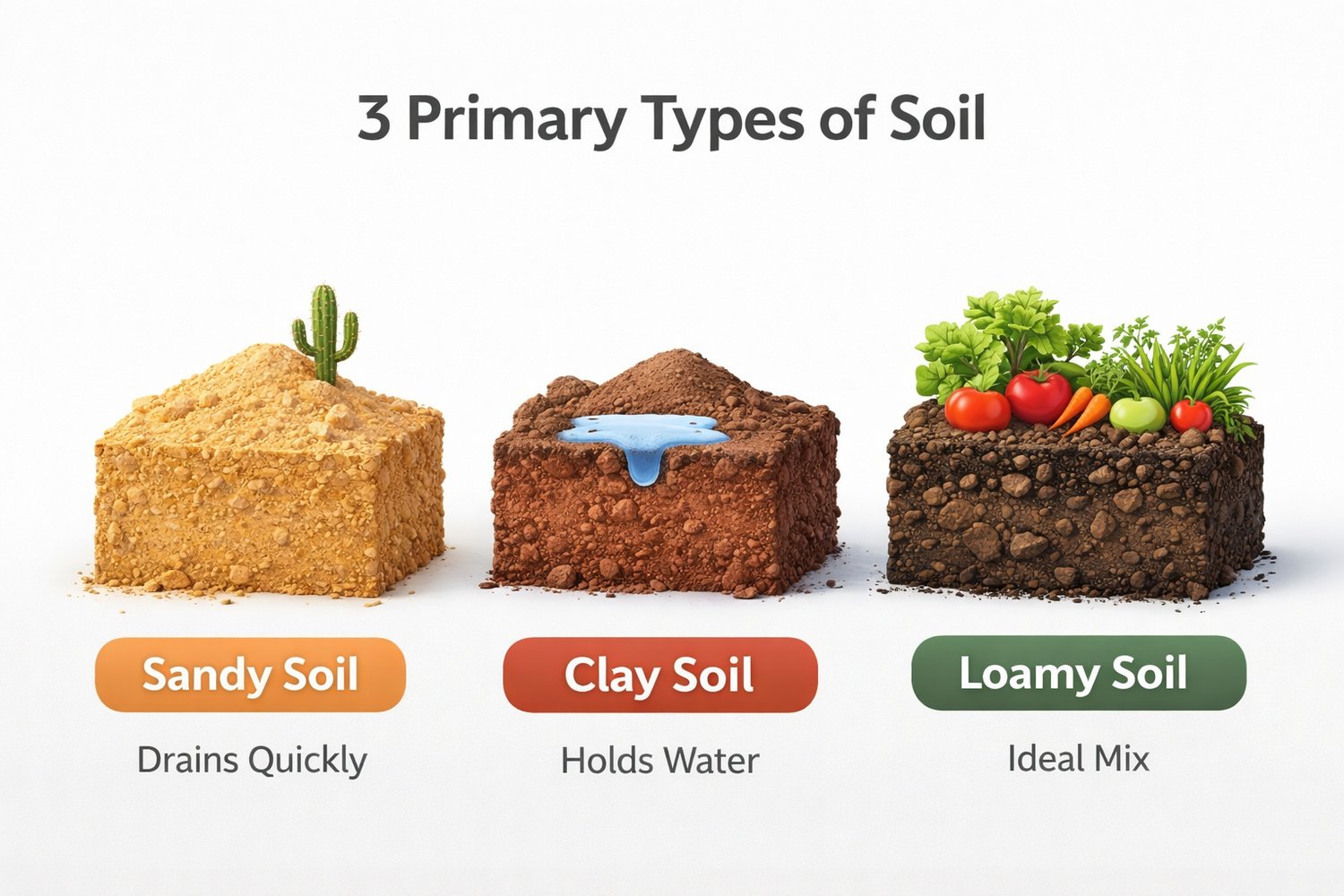
Most garden soil falls into one of three main categories.
Sandy Soil
Sandy soil feels loose and gritty. Water drains quickly through it, which prevents waterlogging but also means nutrients can wash away fast.
Advantages:
• Easy to work with
• Warms up quickly in spring
• Good drainage
Challenges:
• Dries out quickly
• Needs frequent nutrient improvement
Clay Soil
Clay soil feels heavy and sticky when wet.
Advantages:
• Holds nutrients well
• Retains moisture for longer periods
Challenges:
• Drains slowly
• Can become compacted
• Hard for roots to spread when dense
Loamy Soil
Loamy soil is often considered ideal because it combines sand, silt, and clay in balanced proportions.
Advantages:
• Good drainage
• Good moisture retention
• Rich nutrient support
• Easy root development
This is the type many gardeners aim to build over time.
Important Nutrients Plants Need
Plants depend on nutrients found in soil for healthy development.
The three primary nutrients are:
Nitrogen
Nitrogen supports leaf and stem growth. Plants lacking nitrogen often show pale or yellow leaves.
Phosphorus
Phosphorus helps root development, flowering, and fruit production.
Potassium
Potassium improves plant strength, disease resistance, and overall health.
Healthy soil also contains secondary nutrients like calcium, magnesium, and sulfur, along with trace minerals needed in small amounts.
Signs Your Soil Needs Improvement
Some common signs include:
• Poor plant growth
• Water sitting too long on the surface
• Soil cracking when dry
• Weak flowering or fruit production
• Yellow leaves even after watering
These signs often suggest imbalance rather than lack of care.
Simple Ways to Improve Garden Soil
Add Compost
Compost is one of the best soil improvements. It adds nutrients, improves texture, and supports beneficial microorganisms.
Kitchen scraps, leaves, and organic waste can all become valuable compost.
Use Mulch
Mulch protects soil from drying out, reduces erosion, and slowly adds organic matter as it breaks down.
Avoid Overworking Wet Soil
Working wet soil, especially clay, can damage structure and create hard clumps.
Rotate Crops
Changing planting areas helps prevent nutrient depletion.
Add Organic Matter Regularly
Well-rotted manure, compost, and leaf mold gradually transform poor soil into fertile growing ground.
Testing Soil Before Major Changes
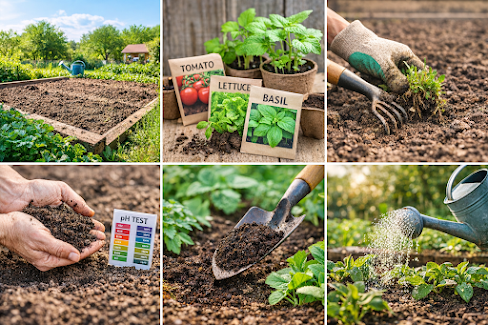
A simple soil test helps determine nutrient levels and acidity.
Knowing whether soil is acidic, neutral, or alkaline helps gardeners choose suitable plants and improvements.
Final Thought
Great gardens are built from the ground up. When soil receives attention, plants respond with stronger roots, healthier leaves, and better harvests.
Improving soil is not a one-time task. It is a gradual investment that rewards patience season after season
Comments ()