

Water is one of the most important ingredients for a healthy garden, yet it is also one of the easiest things to get wrong. Many gardeners assume that watering every day is the safest option, while others wait until plants look stressed before reaching for the watering can. In reality, the right watering method depends on the type of plant, the soil, the weather, and the stage of growth.
Learning how often and how much to water can make the difference between a thriving garden and one that struggles quietly beneath the surface.
Why Proper Watering Matters
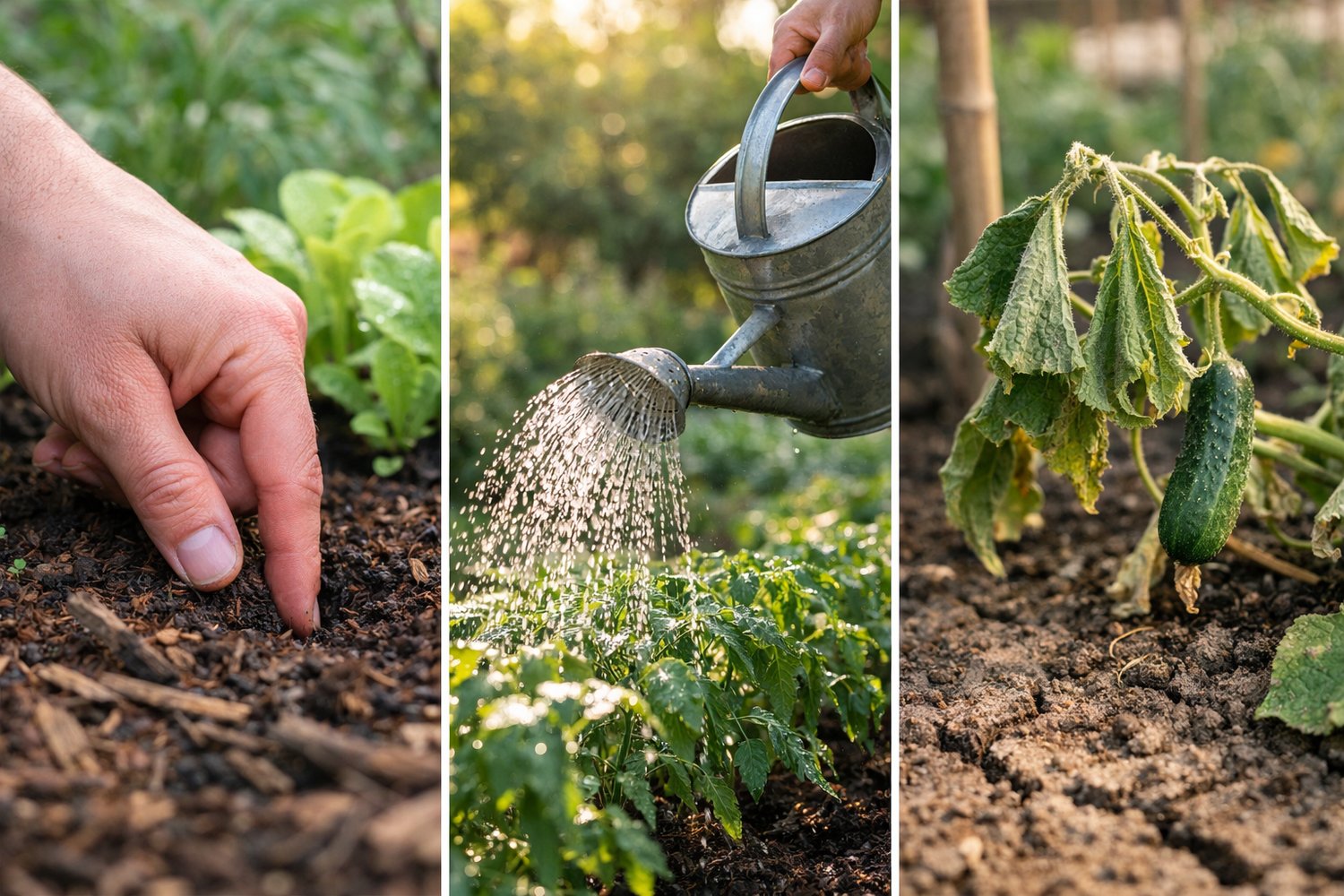
Plants need water to transport nutrients from the soil, maintain structure, and support growth. Without enough water, roots weaken, leaves wilt, and production slows. Too much water can be just as harmful because it pushes air out of the soil, encouraging root rot and disease.
A garden does not simply need water. It needs the right balance.
How Often Should You Water?
There is no universal schedule because different gardens have different needs, but a general rule is to water deeply two to three times per week rather than lightly every day.
Deep watering encourages roots to grow downward, making plants stronger and more resistant to heat.
You may need to water more often when:
• Temperatures are very high
• Soil dries quickly
• Plants are newly planted
• Containers are used instead of open ground
You may water less often when:
• The weather is cool
• Rainfall is regular
• Soil holds moisture well
A useful habit is to check the soil before watering. Insert your finger a few centimeters into the soil. If it feels dry below the surface, watering is needed.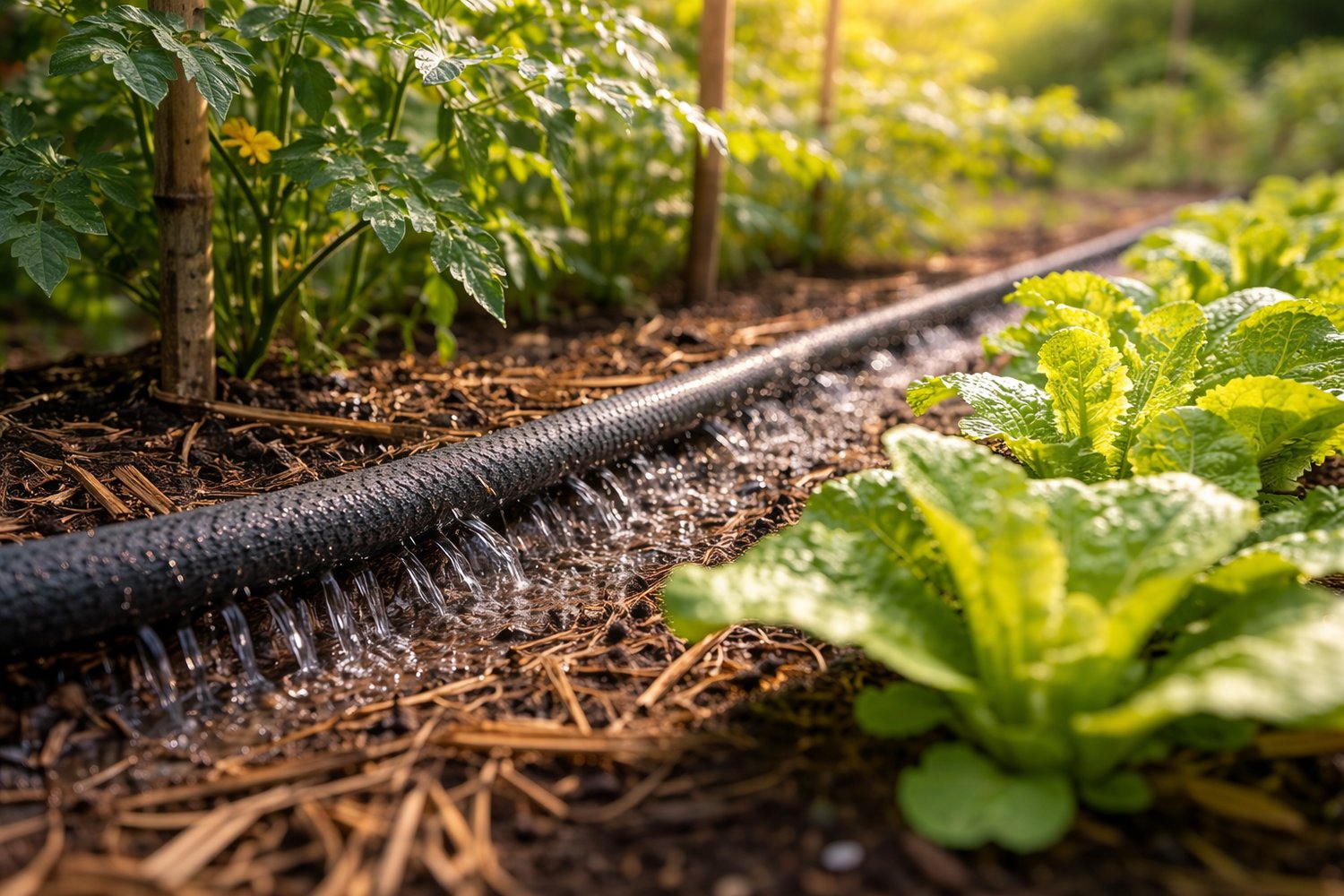
How Much Water Does a Garden Need?
Most garden plants need about 2.5 centimeters of water per week, including rainfall.
This amount should soak the soil deeply enough to reach the roots.
Small seedlings need lighter watering because their roots are still shallow, while mature vegetables and flowering plants usually need more water delivered less frequently.
Best Time of Day to Water
The best time to water is early morning.
Morning watering allows moisture to reach the roots before the day becomes hot, and it gives leaves time to dry, reducing the chance of disease.
Evening watering is better than midday, but wet leaves overnight can sometimes encourage fungal problems.
Midday watering often leads to fast evaporation, meaning much of the water never reaches the roots.
Signs of Overwatering
Too much water can be hidden because many gardeners mistake overwatering for dryness.
Watch for:
• Yellow leaves
• Soft stems
• Slow growth
• Mold on soil surface
• Constantly wet soil
If these signs appear, reduce watering and improve drainage.
Signs of Underwatering
Plants also tell you when they need more water.
Look for:
• Wilting leaves
• Dry, cracked soil
• Brown leaf edges
• Dropping flowers or fruit
Water deeply when these signs appear rather than giving only a small surface splash.
Smart Watering Tips
• Water the base of the plant, not the leaves
• Use mulch to keep moisture in the soil
• Water slowly so the soil absorbs properly
• Group plants with similar water needs together
• Use watering cans, hoses, or drip systems carefully
Mulch acts like a blanket for your soil, helping water stay where roots can reach it.
Final Thought
A well-watered garden is not about giving water every day. It is about understanding when plants truly need it and giving enough to build strong roots.
When watering becomes intentional instead of routine, plants respond with healthier leaves, stronger stems, and better harvests
Comments ()