
Introduction
Healthy skin is more than just a matter of appearance—it is often a reflection of overall well-being. As skincare continues to evolve, technology has become an essential part of understanding individual skin needs. One of the most exciting innovations leading this transformation is the skin scanner. Designed to analyze skin with remarkable accuracy, a skin scanner helps users identify concerns that may not be visible to the naked eye, making personalized skincare more effective than ever before.
Whether you are a skincare enthusiast, a beauty professional, or someone looking to improve your daily routine, understanding how a skin scanner works can completely change the way you care for your skin. This article explores the technology behind skin scanners, their benefits, applications, and why they are becoming an indispensable tool in the beauty and healthcare industries.
What Is a Skin Scanner?
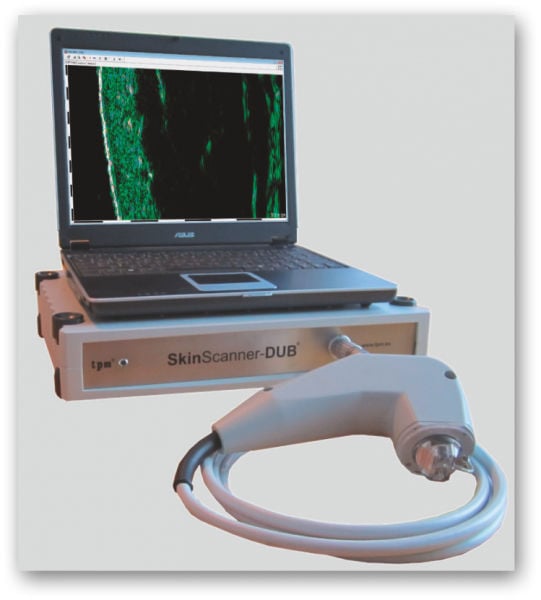
A skin scanner is a digital device or imaging system that evaluates the condition of the skin using advanced sensors, artificial intelligence, and high-resolution cameras. Instead of relying on guesswork, it provides detailed information about various skin characteristics, including hydration, pigmentation, pore size, wrinkles, redness, oil production, and UV damage.
Many modern skin scanners generate comprehensive reports, allowing users to understand their skin health and receive personalized skincare recommendations. This data-driven approach eliminates uncertainty and helps people choose products that truly match their skin type and concerns.
How Does a Skin Scanner Work?
The technology behind a skin scanner combines multiple imaging techniques with intelligent software. Depending on the device, it may use visible light, polarized light, ultraviolet (UV) light, or multispectral imaging to capture detailed images of the skin.
Once the images are collected, artificial intelligence analyzes the data by comparing it with extensive dermatological databases. Within seconds, the scanner identifies patterns associated with common skin conditions and produces an easy-to-understand report.
Some advanced systems even monitor skin changes over time, making it possible to evaluate the effectiveness of skincare products or professional treatments.
Key Features of a Modern Skin Scanner
Modern skin scanners offer a wide range of capabilities that go far beyond simple photography. Common features include:
Hydration Analysis
A skin scanner measures moisture levels in different areas of the face, helping users determine whether their skin requires additional hydration or moisture-retaining products.
Wrinkle Detection
High-definition imaging identifies fine lines and deeper wrinkles, allowing users to implement targeted anti-aging strategies before visible signs become more pronounced.
Pore Assessment
Large or clogged pores often contribute to acne and uneven skin texture. A skin scanner evaluates pore size and distribution to guide proper cleansing and exfoliation routines.
Pigmentation Evaluation
Uneven skin tone, sunspots, and hyperpigmentation become easier to detect through specialized imaging, enabling more personalized treatment plans.
Oil Balance Measurement
Understanding oil production helps individuals choose skincare products that reduce excess shine without stripping the skin of essential moisture.
UV Damage Detection
One of the most valuable features of a skin scanner is its ability to reveal hidden sun damage before it becomes visible, encouraging better sun protection habits.
Benefits of Using a Skin Scanner
The popularity of the skin scanner continues to grow because it offers measurable advantages over traditional visual assessments.
Personalized Skincare
Everyone's skin is unique. A skin scanner removes the guesswork by identifying specific concerns and recommending solutions based on real data.
Early Detection of Skin Problems
Many skin conditions develop beneath the surface before becoming noticeable. Early identification allows users to address potential issues before they worsen.
Progress Tracking
Whether using prescription treatments, professional facials, or new skincare products, a skin scanner allows users to compare results over time and determine whether their routine is working.
Better Product Selection
Rather than purchasing products based on marketing claims, consumers can choose ingredients that directly address their skin's actual needs.
Increased Confidence
Understanding the condition of your skin through objective analysis reduces uncertainty and helps build confidence in your skincare decisions.
Who Can Benefit from a Skin Scanner?
The versatility of the skin scanner makes it valuable for many different users.
Dermatologists
Medical professionals use skin scanners to document skin conditions, monitor treatment progress, and improve diagnostic accuracy.
Estheticians
Beauty clinics use skin scanners to recommend personalized facial treatments and skincare regimens tailored to each client.
Cosmetic Brands
Many skincare companies now incorporate skin scanner technology into consultations, creating highly customized product recommendations that improve customer satisfaction.
Consumers
Portable skin scanner devices and smartphone-compatible models have made professional-level skin analysis accessible from home.
Skin Scanner Technology and Artificial Intelligence
Artificial intelligence has significantly expanded the capabilities of the modern skin scanner. AI algorithms learn from millions of skin images, enabling increasingly accurate evaluations across different skin tones, ages, and conditions.
Instead of simply measuring visible features, AI predicts potential skin concerns and suggests preventive measures. As machine learning continues to evolve, skin scanners are expected to become even more precise and personalized.
This combination of intelligent software and advanced imaging represents a major step toward data-driven skincare.
Choosing the Right Skin Scanner
Not all skin scanners offer the same level of performance. When selecting a device, consider the following factors:
- Image resolution and scanning accuracy
- Number of measurable skin parameters
- Artificial intelligence capabilities
- Ease of use
- Mobile app integration
- Progress tracking features
- Clinical validation
- Data privacy and security
Professional clinics often invest in comprehensive imaging systems, while consumers may prefer compact devices that integrate seamlessly with smartphones.
The Future of Skin Scanner Technology
Innovation in skin scanner technology continues at an impressive pace. Future devices may integrate wearable sensors, cloud-based health records, and real-time dermatology consultations. Artificial intelligence will likely become even more capable of predicting skin aging, detecting abnormalities earlier, and recommending personalized treatment plans.
Additionally, improvements in 3D imaging and multispectral analysis could provide deeper insights into skin health than ever before. Combined with telemedicine, skin scanners may allow remote skin assessments that connect patients directly with skincare professionals regardless of location.
As technology becomes more affordable, skin scanners are expected to become a standard component of both personal skincare routines and professional beauty services.
Conclusion
The skin scanner is transforming the way people understand and care for their skin. By combining advanced imaging, artificial intelligence, and personalized analysis, it replaces guesswork with scientific insight. From detecting early signs of aging to monitoring hydration, pigmentation, and UV damage, this innovative technology empowers individuals to make informed skincare decisions.
As digital health and personalized beauty continue to evolve, the skin scanner will likely play an even greater role in preventive skincare and dermatological care. Rather than simply reacting to skin problems after they appear, we are moving toward a future where intelligent technology helps prevent issues before they develop. The question is no longer whether skin scanners will shape the future of skincare—but how much healthier and more personalized our skincare journeys can become because of them.