
You want to become a massage therapist. You are looking at schools in Illinois. You feel overwhelmed. There are so many options. How do you choose the right one?
This guide walks you through everything you need to know. We will cover what to look for, what to expect, and how to make the best decision for your future.
Why Illinois is a Great Place to Study Massage Therapy
Illinois has a growing wellness industry. More people understand that massage therapy is not just a luxury. It is part of healthcare. It helps with pain relief. It reduces stress. It supports overall wellness.
Clinics across the state are hiring. Spas are expanding. Rehabilitation centers need skilled therapists. Wellness studios are opening in neighborhoods everywhere. This means jobs are available for graduates who are well trained.
The state also has clear licensing requirements. This is good for you. It means employers know exactly what skills every licensed therapist has. It protects the profession. It protects clients. And it makes your credential valuable.
What Makes a Massage Therapy School Worth Your Time and Money
Not all schools are the same. Some will prepare you well. Others will leave you struggling after graduation. Here is what separates the good from the great.
● Hands-On Experience Is Non-Negotiable
You cannot learn massage therapy from a book alone. You need to practice. A lot. The best schools give you real client experience before you graduate.
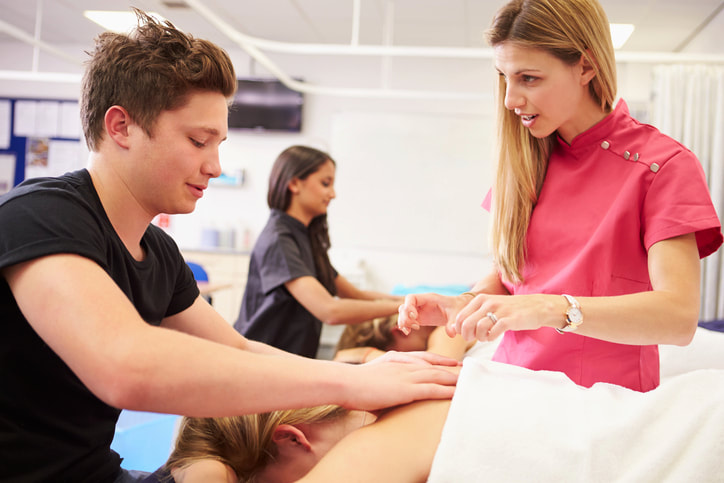
Look for schools with teaching clinics. These are spaces where students perform massages on actual members of the public. You work under supervision. Instructors watch your technique. They give feedback. They correct mistakes before they become habits.
This experience is priceless. When you graduate, you will not be nervous. You will have handled real clients already. You will know how to adjust pressure. You will know how to communicate professionally. You will feel confident.
● Class Size Affects Your Learning
Big classes seem cheaper. But they cost you more in the long run. In a large class, your instructor cannot watch everyone. You might practice bad technique without anyone noticing. You might not get your questions answered.
Smaller classes mean personal attention. Your instructor sees your work. They give you individual feedback. They help you improve faster. You build a relationship with teachers who become mentors later in your career.
● Curriculum Should Be Current and Comprehensive
The massage industry changes. New techniques are discovered. Regulations get updated. Client expectations evolve. A good school stays current.
Ask about the curriculum. Does it cover modern techniques? Does it include business skills? Do you learn about client assessment? Do you practice body mechanics to protect your own health?
A comprehensive program teaches you more than just massage strokes. It teaches you how to be a professional. It teaches you how to run a practice. It teaches you how to build a career that lasts.
● Accreditation and Approval Matter
Make sure the school is approved by the state. This is the minimum requirement. But look for more. National accreditation shows the school meets high standards. It tells employers your training is legitimate.
Some schools have endorsements from professional organizations. This is a good sign. It means the curriculum has been reviewed by experts. It meets industry standards. Graduates from these schools are often more competitive when job hunting.
What You Will Learn in a Quality Massage Therapy Program
A good program covers everything you need to succeed. Here is what you can expect.
● Core Massage Techniques
You will learn multiple massage modalities. This includes Swedish massage, which is the foundation. You will study deep tissue work for clients with chronic pain. You will learn trigger point therapy for specific problem areas.
Sports massage teaches you how to help athletes. Myofascial release helps with connective tissue restrictions. Each technique has its place. You learn when to use each one.
● Client Skills and Professionalism
Massage is not just about your hands. It is about the whole experience. You will learn how to conduct client intake. You will practice asking the right questions. You will learn how to read client feedback during a session.
Communication is key. You will practice explaining what you are doing. You will learn how to set boundaries. You will study ethics and professionalism. These skills separate good therapists from great ones.
● Body Mechanics and Self-Care
This is critical. Many therapists burn out because they injure themselves. You will learn proper body mechanics. You will practice positioning that protects your hands, wrists, back, and shoulders.
You will also learn self-care strategies. How do you stretch before and after sessions? How do you build rest time into your schedule? How do you maintain a sustainable career for decades?
● Business and Career Skills
Most therapists eventually work for themselves. Even if you start in a clinic, you might open your own practice later. You need business skills.
Good programs cover pricing your services. You will learn how to market yourself. You will study how to build a client base. You will get tips on managing appointments. You might even learn basics about insurance and billing.
These skills are not optional. They determine whether you thrive or struggle.
Typical Program Structure and Timeline
Most diploma programs take several months to complete. The exact length depends on how many hours you commit each week.
Full-time students often finish faster. Part-time students take longer but have more flexibility. Many schools offer both day and evening classes. This helps students who work or have family responsibilities.
The program usually has three parts:
➔ Classroom Learning
You study anatomy and physiology. You learn about muscle groups. You understand how the body moves. You study pathology and when not to massage.
➔ Lab Practice
You practice techniques on classmates. You give and receive massage. You learn from each other. Instructors watch and correct.
➔ Clinical Experience
You work with real clients. You perform full sessions. You handle intake forms. You practice in a real clinic setting.
How to Choose Between Multiple Schools
You might have several options in your area. How do you decide?
Visit each school. Walk through the facility. Look at the classrooms. Check out the clinic space. Is it clean? Is it professional? Does it feel like a place where you want to learn?
Talk to current students. Ask what they like. Ask what they wish was different. They will give you honest answers.
Talk to instructors. Do they seem engaged? Do they have real-world experience? Are they accessible outside class?
Ask about job placement. How many graduates find work quickly? Do they offer help with resumes or job searches? What partnerships do they have with employers?
Compare costs but do not choose based on price alone. The cheapest option might cost more if you do not get a job after graduating. The most expensive might not be worth it if the program is weak.
Look at the total value. What do you get for your investment?
Financial Considerations and Support
Massage therapy school is an investment. You need to plan for it.
Tuition varies by school. Factor in books, supplies, and any required equipment. Some schools offer payment plans. Others have scholarship options. Ask about financial aid eligibility.
Consider the return on investment. If the program helps you get a job quickly, you start earning sooner. If it teaches business skills, you might build a lucrative practice faster.
Think about long-term value. A solid education pays off over years of your career. It gives you confidence. It gives you skills that never become outdated.
Life After Graduation
Once you graduate, you will need to pass your licensing exam. Good programs prepare you for this. Your coursework should align with exam content. Your hands-on experience should build confidence.
After licensure, jobs are available in many settings:
● Medical clinics and chiropractic offices
● Spas and resort destinations
● Sports teams and athletic facilities
● Rehabilitation centers
● Cruise ships and travel wellness
● Private practice and entrepreneurship
Many therapists work in multiple settings. You might work at a clinic during the week and see private clients on weekends. You might start employed and build your own practice over time.
The flexibility is one of the best parts of this career. You design your schedule. You choose your clients. You decide how much you work.
Common Mistakes to Avoid
● Do not rush your decision. Taking time to research now saves problems later.
● Do not choose based only on price. Cheap programs often cut corners. You might not get the experience you need.
● Do not ignore your gut feeling. If something feels off about a school, trust your instinct. Visit again. Ask more questions. Keep looking if needed.
● Do not skip reading reviews. Past students share honest feedback. Look for patterns. Are multiple people saying the same positive or negative things?
● Do not forget to ask about support after graduation. Does the school help with job placement? Do they offer alumni resources? Do they stay connected?
Your Journey Starts Now
Becoming a massage therapist school in Illinois is a significant decision. It requires time, money, and effort. But it is also one of the most rewarding paths you can choose.
You will help people feel better. You will reduce their pain. You will ease their stress. You will build relationships with clients who trust you. You will create a career that is both meaningful and financially stable.
Illinois has space for skilled therapists. The industry is growing. Demand is increasing. Now is a good time to enter this field.
The right school, like The New School for Massage, makes all the difference. Choose one that values hands-on experience. Choose one with small classes and personal attention. Choose one with a curriculum that is current and comprehensive. Choose one that cares about your long-term success.
Take your time. Visit schools. Ask questions. Talk to students and graduates. Trust your judgment.
When you find the right school, you will know. You will feel excited. You will feel confident. You will feel ready.
Your future as a licensed massage therapist in Illinois is waiting. The path starts with one decision. Make it count.