
Cardiovascular health is often reduced to a few familiar indicators: blood pressure, cholesterol, blood glucose, and body weight. These measures matter, but they only tell part of the story. At the heart of our circulatory system lies a much less visible player: the endothelium.
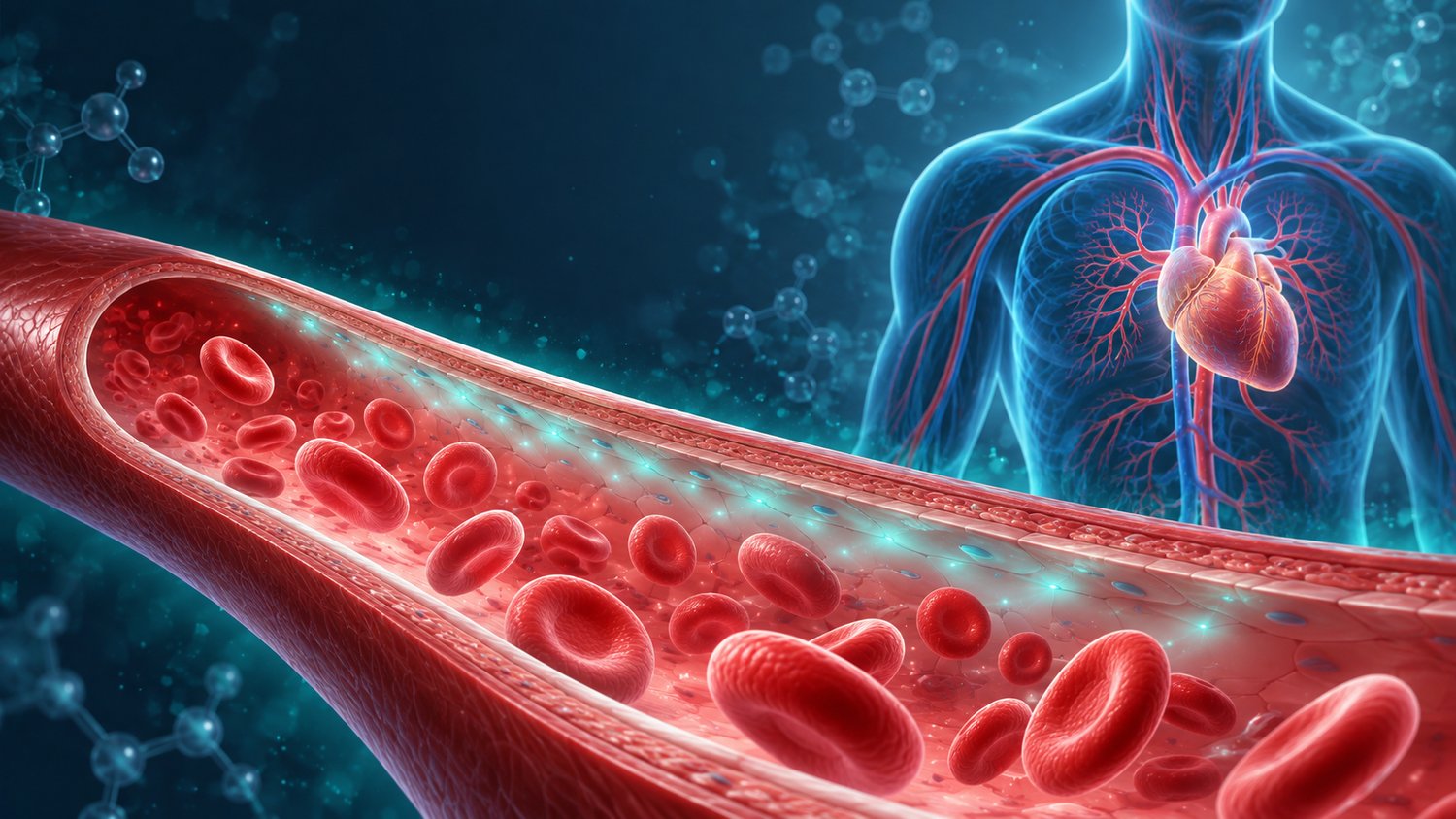
This thin layer of cells lines the inside of every blood vessel. Once regarded as a simple protective lining, the endothelium is now recognized as a highly active organ. It helps regulate arterial dilation, blood clotting, inflammation, and the exchange of nutrients and oxygen between the bloodstream and surrounding tissues.
When blood vessels lose their ability to adapt
A healthy endothelium allows arteries to widen when organs and muscles require more blood and oxygen. This process depends partly on nitric oxide, or NO, produced by endothelial cells.
When nitric oxide production declines, blood vessels may gradually become less flexible and responsive. This is known as endothelial dysfunction.
Several factors can contribute to this process:
- high blood pressure;
- diabetes and insulin resistance;
- smoking;
- excess abdominal fat;
- physical inactivity;
- sleep disorders;
- an unbalanced diet;
- aging;
- certain inflammatory diseases.
Endothelial dysfunction usually causes no specific symptoms. It may develop silently for years and precede more obvious signs of cardiovascular disease.
Erectile function as a potential indicator of vascular health
Erectile function also depends heavily on the endothelium. During sexual stimulation, nitric oxide helps relax the penile blood vessels, allowing blood flow to increase.
Because the penile arteries are relatively small, vascular impairment may sometimes become noticeable there before affecting larger arteries. Persistent erectile dysfunction can therefore, in some situations, be an early warning sign that deserves a broader cardiovascular assessment.
This does not mean that every erectile problem is caused by vascular disease. Psychological, hormonal, neurological, medication-related, and relationship factors may also be involved. The goal is to avoid simplistic conclusions and identify the mechanisms that may actually be contributing.
Can endothelial function be supported naturally?
No single method can instantly “repair” the endothelium. However, several interventions can improve vascular function or reduce the factors that damage it.
Regular physical activity plays a central role. By temporarily increasing blood flow, exercise stimulates vascular adaptation and nitric oxide production. Aerobic exercise, brisk walking, and resistance training can be combined according to individual health and physical capacity.
A dietary pattern rich in vegetables, whole fruits, legumes, minimally refined grains, nuts, fish, and plant oils can also support a healthier metabolic environment. The benefits come primarily from the overall consistency of the diet rather than from any single “superfood.”
Sleep, weight management, smoking cessation, and appropriate control of blood pressure, blood glucose, and blood lipids are equally important.
Some dietary supplements may be helpful in specific situations. However, their effects are generally modest, and the strength of evidence varies considerably. Supplements should not distract from the most effective interventions or replace necessary medical care.
A new collection of evidence-based guides
The NutriCellScience store was created to offer accessible, independent, and scientifically grounded health resources. Each guide is designed to answer three essential questions:
- What do we actually know?
- Which interventions are reasonably effective?
- Which claims remain uncertain or exaggerated?
Two initial e-books explore endothelial health in greater depth:
Endothelial Health – Protect Your Blood Vessels explains how the endothelium works, what can impair it, and which strategies may help preserve vascular health.
Endothelial Health and Erectile Function focuses more specifically on the links between blood flow, nitric oxide, cardiovascular risk factors, and erectile function.
These guides do not promise miracle solutions. They provide practical reference points for understanding the underlying biology, prioritizing meaningful actions, and recognizing when professional medical advice is needed.
Better understanding leads to better decisions
Protecting your blood vessels rarely depends on one spectacular intervention. Meaningful benefits are more likely to come from realistic changes maintained over time and adapted to your individual circumstances.
Understanding the role of the endothelium gives greater meaning to everyday health choices. Exercising regularly, improving sleep, adopting a healthier diet, and monitoring blood pressure are not isolated recommendations: they all contribute to protecting the same vascular system.
Discover the NutriCellScience guides to endothelial health and explore the strategies that are genuinely supported by scientific evidence.
This article is intended for educational and informational purposes only. It is not a substitute for professional medical advice, diagnosis, or personalized treatment.
Comments ()