
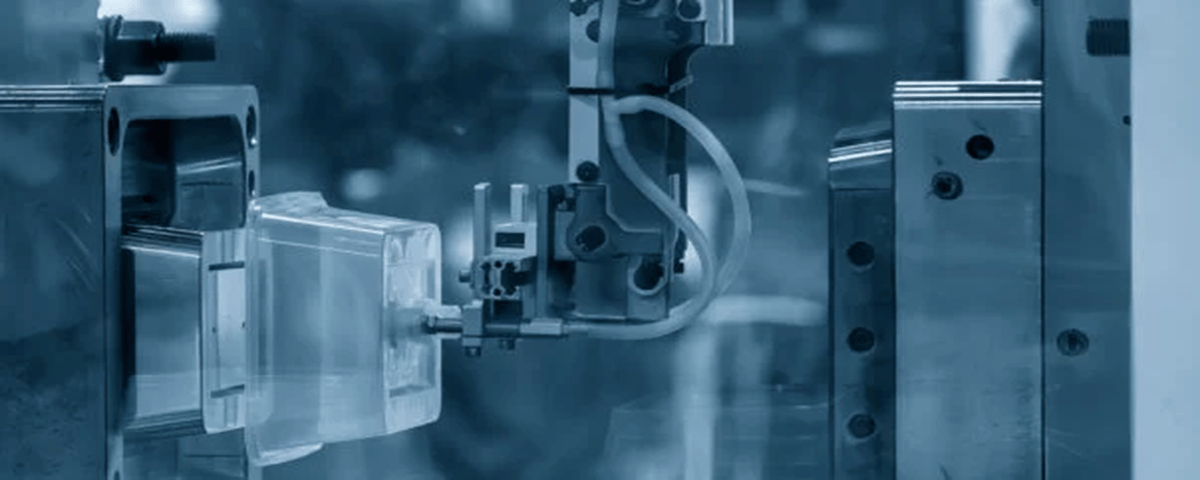
Plastic injection molding is the most widely used method for producing plastic parts in volume. From the dashboard clips in your car to the housing of a medical device, a large share of the plastic components you touch every day began as pellets melted and forced into a steel mold. The process is fast, repeatable, and cost-effective at scale, which is why it sits at the center of modern manufacturing.
This guide explains how plastic injection molding works, what to consider when designing parts, which materials are commonly used, and how to choose among plastic injection molding manufacturers when you need a reliable production partner.
What Is Plastic Injection Molding?
Plastic injection molding is a manufacturing process in which molten thermoplastic or thermoset material is injected under high pressure into a mold cavity. The material cools and solidifies into the shape of the cavity, and the finished part is ejected. The cycle then repeats, often in under a minute, producing thousands or millions of identical parts.
The approach is especially valuable when a project needs tight tolerances, consistent quality, complex geometry, and a low cost per part once tooling is built.
The Injection Molding Process, Step by Step
1. Clamping
The two halves of the mold are closed and held together by a clamping unit. The clamping force must be high enough to resist the pressure of the injected plastic and prevent flash, which is excess material leaking at the parting line.
2. Injection
Plastic pellets are fed from a hopper into a heated barrel, where a rotating screw melts and conveys them forward. The screw then acts as a plunger, pushing the molten plastic through the nozzle and runner system into the cavity.
3. Dwelling and Packing
Once the cavity fills, pressure is held briefly to pack additional material in and compensate for shrinkage as the plastic begins to cool. Proper packing reduces sink marks and voids.
4. Cooling
Cooling is usually the longest part of the cycle. Channels inside the mold circulate water or oil to draw heat out of the part evenly. Uniform cooling is critical for dimensional accuracy and for preventing warpage.
5. Mold Opening and Ejection
The mold opens and ejector pins push the part out. Robots or gravity then move the part to the next station, and the mold closes to begin the next cycle.
Common Materials Used
Material choice affects strength, appearance, chemical resistance, heat tolerance, and cost. Frequently used resins include:
- Polypropylene (PP): Lightweight, chemical resistant, and economical. Common in packaging, automotive trim, and consumer goods.
- ABS: Tough, impact resistant, and easy to finish. Widely used for housings, enclosures, and appliance parts.
- Polycarbonate (PC): Strong and transparent with high heat resistance. Used in lenses, guards, and electronic components.
- Nylon (PA): Excellent wear resistance and strength, often glass-filled for structural parts such as gears and brackets.
- Polyethylene (HDPE, LDPE): Flexible and moisture resistant, suited to containers, caps, and closures.
- Acetal (POM): Low friction and dimensionally stable, ideal for precision mechanical parts.
- TPE and TPU: Rubber-like materials for seals, grips, and flexible components.
Additives such as glass fibers, UV stabilizers, flame retardants, and colorants can be blended in to tailor performance to the application.
Design for Manufacturability: Getting the Part Right
Good design reduces cost, shortens lead times, and improves quality. Key principles include:
- Uniform wall thickness: Uneven walls cool at different rates, causing warpage and sink marks. Aim for consistent thickness, and transition gradually where changes are unavoidable.
- Draft angles: Slightly tapered walls, typically one to two degrees, let the part release cleanly from the mold without drag marks or damage.
- Radii and fillets: Rounded corners improve plastic flow and reduce stress concentration. Sharp internal corners are a common source of cracking.
- Ribs and gussets: These add stiffness without thick walls. Keep rib thickness at roughly half to two-thirds of the adjoining wall to avoid sink marks.
- Bosses and holes: Support screw bosses with ribs and avoid placing them directly in thick sections.
- Undercuts: Features that block straight ejection require side actions or lifters, which add tooling cost. Redesign when possible, or accept the cost if the feature is essential.
- Gate location: The gate affects fill pattern, weld lines, and cosmetic appearance. Place it where it will be least visible and where flow is balanced.
Early collaboration with an experienced molder, including a design-for-manufacturability review, often prevents expensive tooling changes later.
Tooling: The Heart of the Process
The mold is the largest upfront investment. Tools are typically made of hardened steel for high volume or aluminum for prototypes and shorter runs. Factors that influence tooling cost include part size, number of cavities, surface finish, side actions, and expected production life.
- Single-cavity molds suit low volume or large parts.
- Multi-cavity molds produce several parts per cycle, lowering unit cost at higher volumes.
- Family molds make different parts of one assembly in the same cycle.
- Hot runner systems keep material molten in the runner, reducing waste and cycle time.
Advantages of Plastic Injection Molding
- Low cost per part at medium to high volumes
- High repeatability and tight tolerances
- Ability to produce complex geometries
- Wide choice of materials, colors, and textures
- Minimal waste, since runners and scrap can often be reground
- Options for overmolding and insert molding to combine materials or embed metal components
Limitations to Keep in Mind
Tooling costs and lead times can be significant, so injection molding is less economical for very small quantities. Design changes after the mold is cut are costly. For low volumes, many teams start with 3D printing or aluminum tooling and move to production steel tooling as demand grows.
Custom Plastic Injection Molding
Custom plastic injection molding means parts are made to your specific drawings, materials, and performance requirements rather than pulled from a catalog. A custom plastic parts manufacturer typically supports the whole journey: concept review, material selection, mold design, prototyping, tooling, production, secondary operations, and quality inspection.
Secondary services often include ultrasonic welding, pad printing, hot stamping, assembly, and packaging. Working with a single partner for these steps simplifies logistics and accountability.
Plastic Injection Molding in Michigan
Michigan has long been a center for tooling and molding, driven by its automotive supply chain and a deep base of skilled toolmakers and engineers. Searching for plastic injection molding in Michigan usually points to suppliers experienced in automotive-grade quality systems, demanding tolerances, and just-in-time delivery. Whether you are in Michigan or elsewhere, proximity can help with communication and tool maintenance, but capability and quality should be the deciding factors.
How to Choose Among Plastic Injection Molding Manufacturers
Use these criteria when evaluating suppliers:
- Experience in your industry: Familiarity with your regulatory and performance requirements reduces risk.
- Quality certifications: ISO 9001, IATF 16949 for automotive, or ISO 13485 for medical, depending on your sector.
- In-house tooling capability: Faster tool repair and design changes.
- Press range: A range of tonnages indicates flexibility for different part sizes.
- Engineering support: DFM feedback and mold-flow analysis before steel is cut.
- Quality control: Inspection methods such as CMM measurement, first-article reports, and statistical process control.
- Communication and lead times: Clear quoting, realistic schedules, and responsive support.
Quality Control in Molding
Consistent quality comes from controlled processes. Reliable molders monitor melt temperature, injection pressure, cooling time, and cycle time, and they verify parts with dimensional checks and visual inspection. Material drying and traceability are equally important, since moisture in hygroscopic resins like nylon and polycarbonate can cause splay and weak parts.
Applications of Injection Molded Plastic Parts
Injection molded plastic parts appear in automotive interiors and under-hood components, medical device housings, consumer electronics, household goods, industrial equipment, packaging, and toys. Their versatility comes from the ability to tune material, geometry, and finish for each use.
Conclusion
Plastic injection molding combines speed, precision, and economy, making it a go-to process for producing durable, consistent parts at scale. Success depends on sound design, the right material, quality tooling, and a capable manufacturing partner. If you are planning a new product or looking to improve an existing one, an early conversation with an experienced molder can save time and cost. Reach out to the team at Omraj Tech to discuss your project and explore custom molding solutions.